How Russia’s invasion of Ukraine is affecting life in Florida and what you can do
Russia launched an invasion of Ukraine in the early hours of Feb. 24.
But 5,780 miles away in South Florida, the repercussions of Russia’s aggression could play a role in daily life in the immediate and foreseeable future.
Rising fuel costs. Travel cutbacks. Russian product boycotts. Sorrow and fears over loved ones’ safety.
Here are some of the areas in which the invasion has already left a mark in Florida and across the nation.
Price of gasoline
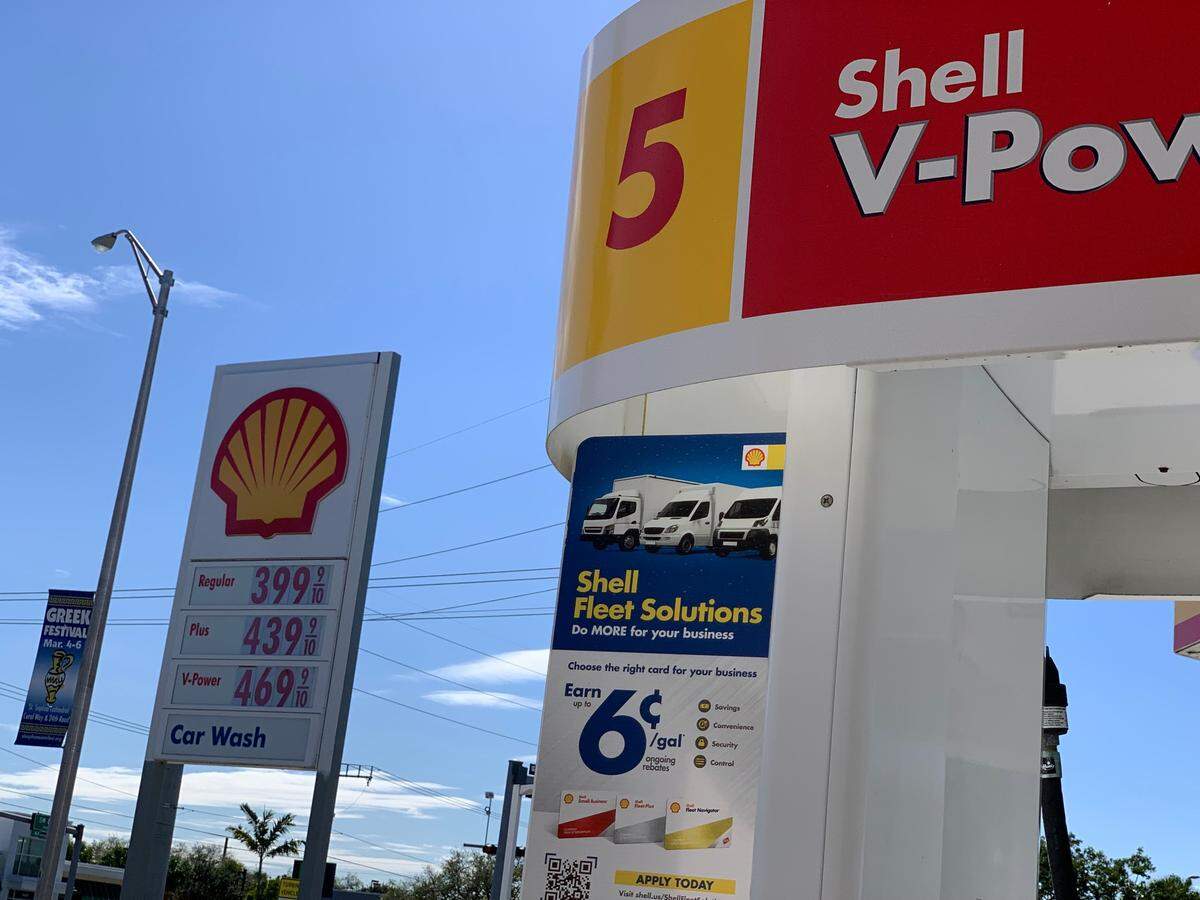
The cost of gas was already rising before Russia’s attack on Ukraine. Given that as a producer Russia accounted for more than one-tenth of the world’s oil in 2020, according to a BP analysis, expect to pay more for your next road trip.
The average price of gas in the United States, as of Feb. 10 was $3.47, the most since 2014, according to AAA.
In Florida, at March’s start, the figure crept up to $3.49, according to GasBuddy. That, too, is also the most in eight years. We saw $3.99 a gallon for regular at a Kendall-area Shell on Friday.
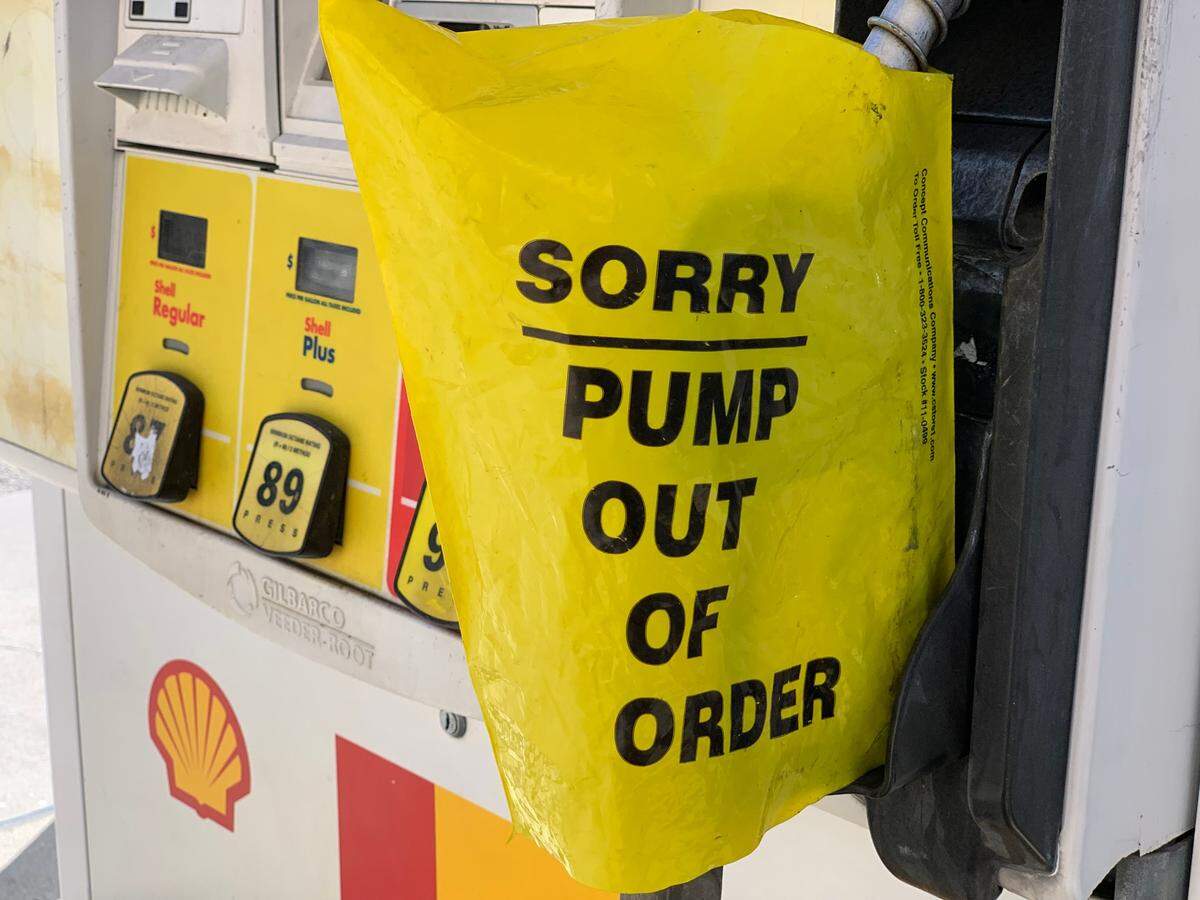
Part of the reason for rising fuel costs is an increase in demand and a lack of supply. We’re traveling more as COVID restrictions have eased. But Russia’s action against Ukraine is a significant contributing factor for oil prices’ escalation, according to AAA.
“Russia’s invasion and the responding escalating series of financial sanctions by the U.S. and its allies have given the global oil market the jitters,” Andrew Gross, a AAA spokesperson, told Tampa Bay’s WTSP 10.
Air flights
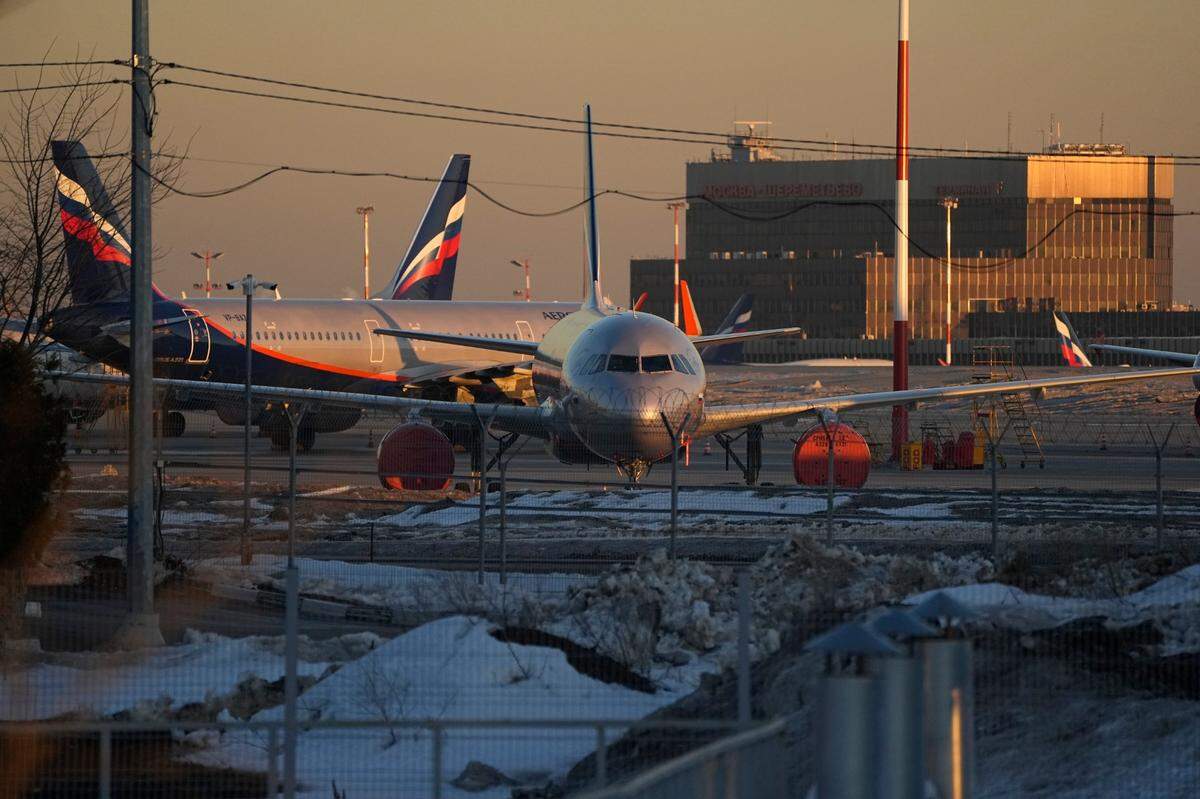
Many flights to Russia have been canceled or complicated as the battle intensifies.
Fort Lauderdale-Hollywood International Airport does not currently have any nonstop airline service to Europe, including Russia or Ukraine, said Broward County Aviation Department public information officer Arlene Satchell. “In particular, Aeroflot does not have any operations at FLL, so we are not directly impacted by any federal airspace ban on Russian commercial passenger aircraft.”
“Miami International Airport previously only had three weekly flights to and from Moscow by Aeroflot, but those are now blocked by the FAA as of this week,” said Greg Chin, communications director for Miami-Dade Aviation Department. MIA has never had direct flights from Ukraine, he added.
Cruise lines
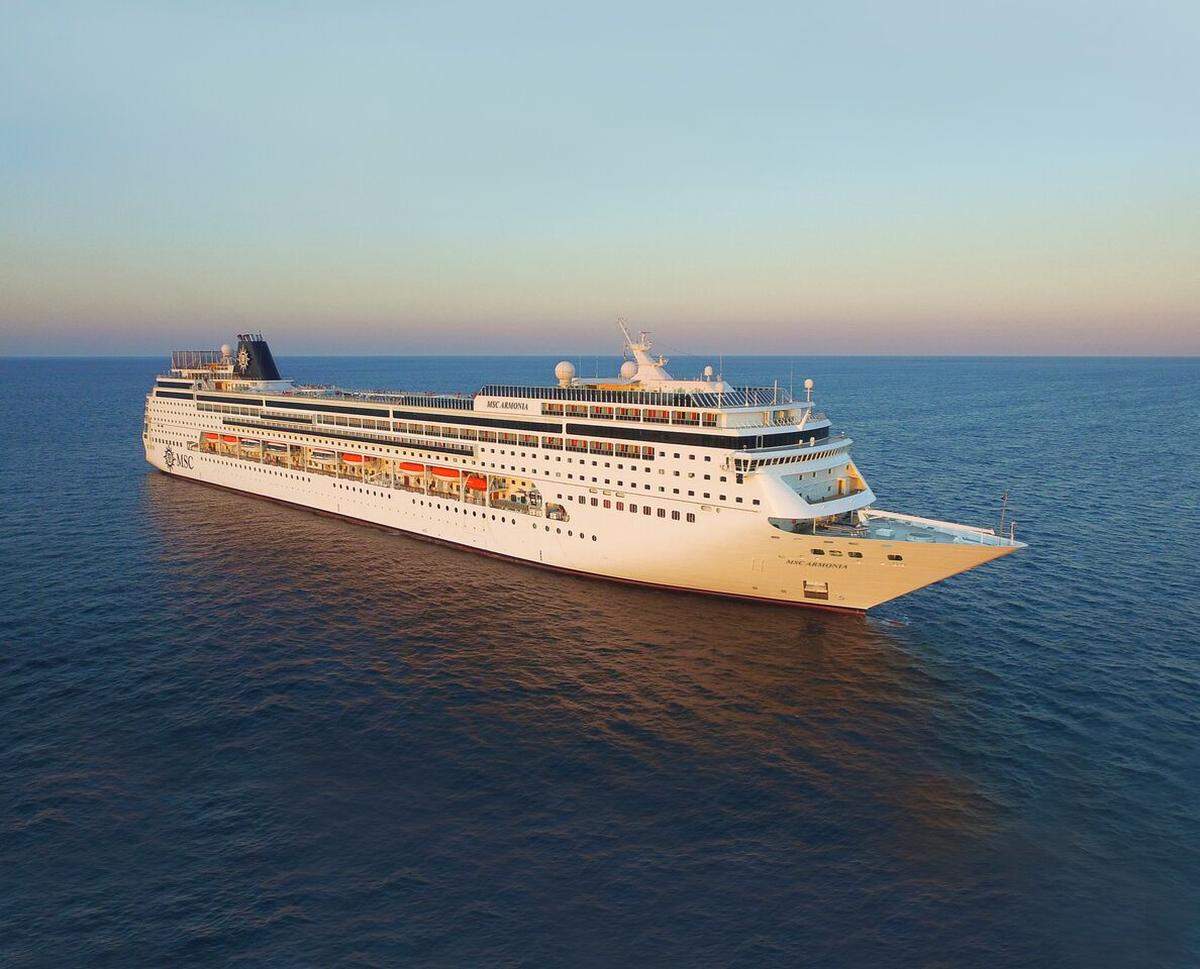
Major cruise lines canceled planned stops in all Russian ports, citing safety concerns and to protest the country’s invasion of Ukraine.
Among them: Royal Caribbean International will forgo Russian ports during the upcoming summer cruising season. MSC Cruises suspended its four ships’ calls to St. Petersburg, Russia, according to statement this week. The cruise line was looking into other port options that could include Stockholm, Helsinki, and Tallinn, Estonia.
MSC Cruises’ sister company, the Mediterranean Shipping Company, announced a temporary stoppage on all cargo ship bookings to and from Russia, effective immediately.
Carnival Corporation said that none of its nine brands will be stopping in Russia this upcoming summer cruising season. Also, Norwegian Cruise Lines has pulled Russian ports from its itineraries.
Travel
A Miami-Dade ad agency in the 1970s once came up with a slogan that’s stuck in memory for decades — “Miami: See It Like a Native.”
But given what has happened internationally, Miami and the Sunshine State, as a whole, could have fewer visitors seeing us as a native or otherwise.
According to Robert Lloyd, dean of the School of Arts and Sciences at Palm Beach Atlantic University, Florida could face fewer tourists in the wake of Russia’s invasion.
“We have a lot of international travelers, who come from particularly Europe, who will come to places like Orlando for the tourism there, or to South Florida, and that may be adversely affected as well,” Lloyd told CBS12 News.
Why? Rising fuel costs affect airplanes, too, and the price of flights could become prohibitive for some travelers. The uncertainty shaking the world’s sense of being could also hinder travel.
Where has all the vodka gone?
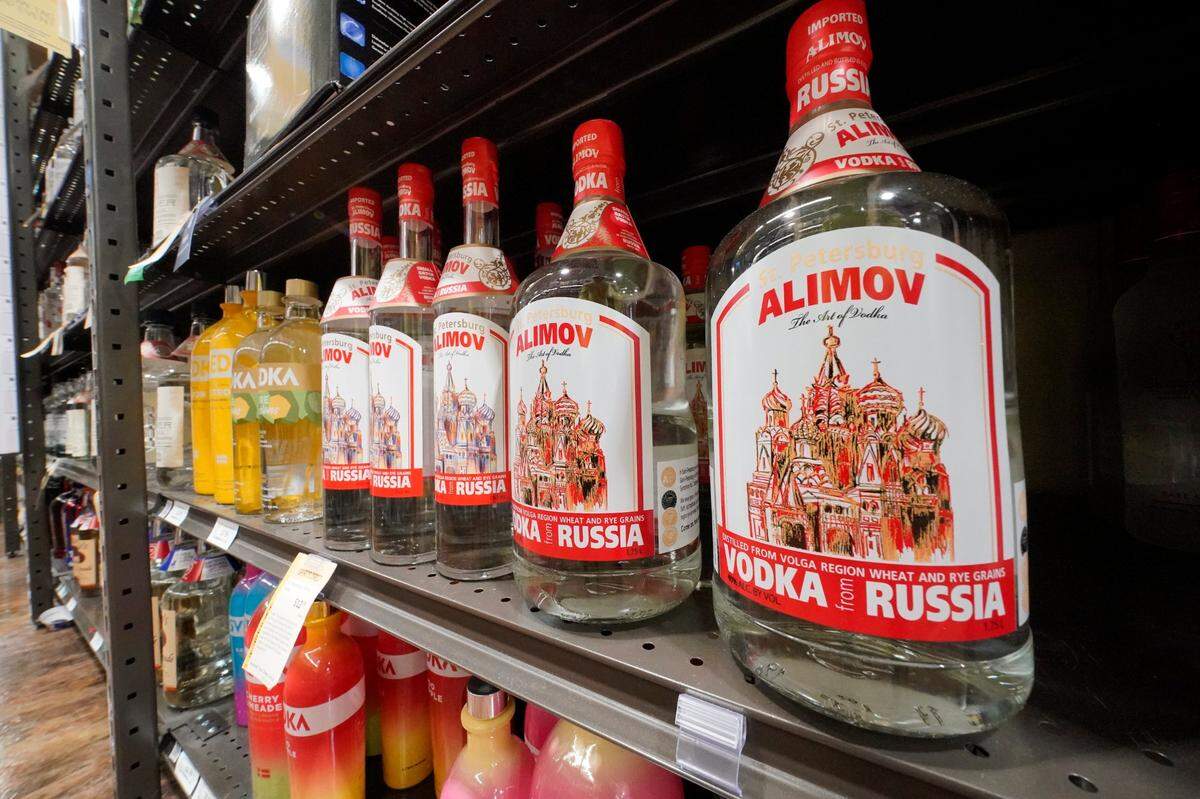
Not all vodka is made in Russia. Stolichnaya and Smirnoff are Latvia and American made, respectively. According to a report in Bloomberg, only around 14% of global vodka volume is produced in Russia and most of it is sold in Russia. But if you want Russian-made vodka such as Beluga, Ruskova or Russian Standard don’t look for it at any of Publix’s 833 Florida supermarkets or any of Total Wine & More’s 34 stores in the state.
The chains pulled the Russian-made products in support of Ukraine.
Lakeland-based Publix also pulled the spirits from its liquor shelves at its stores in Alabama, Georgia, North Carolina, South Carolina, Tennessee and Virginia.
Jacksonville-based Southeastern Grocers, parent company of Winn-Dixie, Fresco y Más and Harveys Supermarket, said its foundation is donating $250,000 to the International Committee of the Red Cross to help with relief efforts in Ukraine.
Exports like caviar and other seafood could become scarce but most Russian food products, like cheeses and candies, are made in the U.S., The Daily Mail reported.
Troops deployed
As early as late November, the U.S. Department of Defense had deployed 160 members of the Florida National Guard to Ukraine for training and advising and mentoring Ukrainian armed forces, according to the department. Before the Feb. 24 invasion, the troops, assigned to the 53rd Infantry Brigade Combat Team and part of the Joint Multinational Training Group-Ukraine were temporarily repositioned elsewhere in Europe.
Pentagon Press Secretary John F. Kirby said the decision was made “out of an abundance of caution — with the safety and security of our personnel foremost in mind” in a statement reported by the Department of Defense.
Can Americans volunteer to defend the Ukraine? It is legal to go abroad and enlist in a foreign army but there are conditions. One step would be to contact the Ukraine embassy in Washington. (There isn’t an embassy in Florida.)
How you can help
The Greater Miami Jewish Federation launched an emergency fund to help support those impacted by the humanitarian crisis.
If you want to use a credit card to contribute to the Ukraine Emergency Fund, visit http://www.JewishMiami.org/ukraine. Or you can mail a donation check payable to the Greater Miami Jewish Federation with the notation “Ukraine Emergency Fund” to Greater Miami Jewish Federation, 4200 Biscayne Boulevard, Miami, Florida 33137. Call 305-576-4000 for information.
▪ Ukrainians have put together a list of ways foreigners can get aid directly to civilians and soldiers on the ground. The four organizations are: Razom for Ukraine; United Help of Ukraine; Fundraiser for Sunflower of Peace and Revived Soldiers Ukraine.
▪ AT&T is offering consumer and business customers unlimited long distance calling from the U.S. to Ukraine through March 7. Customers may still receive alerts during these dates, but accounts will reflect the credits and/or waived voice charges. For more information, visit go.att.com/ukraine.
▪ People are booking Airbnbs in the Ukraine — but not actually to stay there. Rather, the gestures are a way to send money directly to Ukranians, McClatchy reported.
Miami Herald reporters Carli Teproff, Michelle Marchante and Anna Jean Kaiser contributed to this report.
This story was originally published March 5, 2022 at 7:11 AM.