Why nutrition experts increasingly point to beans as the cheapest longevity food hiding in plain sight
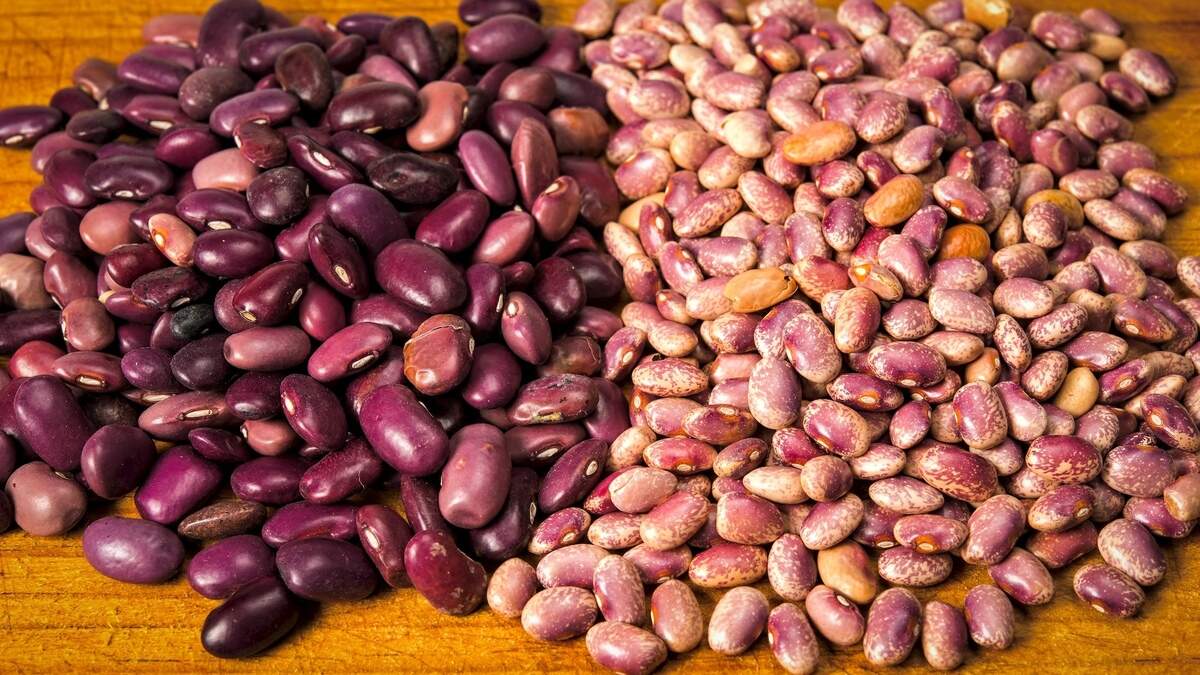
A can of beans costs about a dollar, and researchers who study the world’s longest-lived people say that humble legume shows up on the plate in every community they have examined. That is why nutrition experts and Blue Zones researchers keep pointing to beans as one of the simplest, cheapest changes anyone can make to eat for a longer life.
Why Beans Keep Showing up in Longevity Research
Beans are unusual because they deliver protein and complex carbohydrates in the same bite, says Mopelola Adeyemo, MD, a clinical nutritionist at UCLA Health. A half-cup serving of black beans packs 8 grams of fiber, roughly 25% of what an adult needs in a day. Only about 5% of Americans hit that daily fiber target, Adeyemo notes.
That fiber load matters for more than digestion. “Fiber decreases the amount of cholesterol absorbed when you eat,” Adeyemo said. She also points to research showing that people who regularly eat beans tend to have lower body weight and smaller waist measurements than those who skip them.
How Blue Zones Shape the Case for Beans
Blue Zones are five regions where residents routinely live past 100. According to Brown University Health, they include Okinawa in Japan, Sardinia in Italy, the Nicoya Peninsula in Costa Rica, Icaria in Greece and the Seventh-day Adventist community in Loma Linda, California. Researchers link the longevity to a mix of diet, daily movement, close social ties and a sense of purpose.
Beans are the common thread. “In every blue zone I have visited, beans and other legumes were, and still are, a major component of the daily diet,” author Dan Buettner told CNN. In Sardinia, that means garbanzo and fava beans, often folded into a minestrone eaten more than once a day. In Nicoya, mornings often start with Gallo Pinto, a mix of black beans and cooled white rice. Buettner said the overnight cooling makes the rice starch resistant, so the body absorbs it more slowly and blood sugar does not spike.
What a Bean-Forward Diet Actually Looks Like
The Blue Zones food guidelines recommend at least a half cup of cooked beans a day. People in these regions eat roughly four times as many beans as the average American. By weight, beans average 21% protein, 77% complex carbohydrates and only a few percent fats, making them one of the cheapest nutrient-dense foods on the shelf.
Preparation is easier than many people assume. “What people don’t realize is that lentils don’t need to soak and they take just about as long to cook as it does to boil pasta,” Tim McGreevy, chief executive of the USA Dry Pea and Lentil Council, told Blue Zones. Canned beans and flash-frozen chickpeas cut prep time to a few minutes.
Why This Matters for Your Grocery List
The takeaway is not that beans are magic. It is that a food most Americans overlook is doing quiet work in the diets of the world’s longest-lived people. Pairing beans with leafy greens, seasonal vegetables, whole grains and a small amount of olive oil, as Blue Zones residents do, is a low-cost way to reshape a weekly menu. At about a dollar a can, the barrier to entry is small, and the science keeps pointing back to that same modest ingredient.
This article was created by content specialists using various tools, including AI.