How read-only wearable tech is giving way to devices that actively change your body state
A new generation of health devices is arriving, and it is prompting fresh questions about what a read-only wearable actually does compared with newer devices that intervene in the body. Here is what to know as read-write technology moves from research labs toward consumer products.
What Is a Read-Only Wearable and How Does It Work?
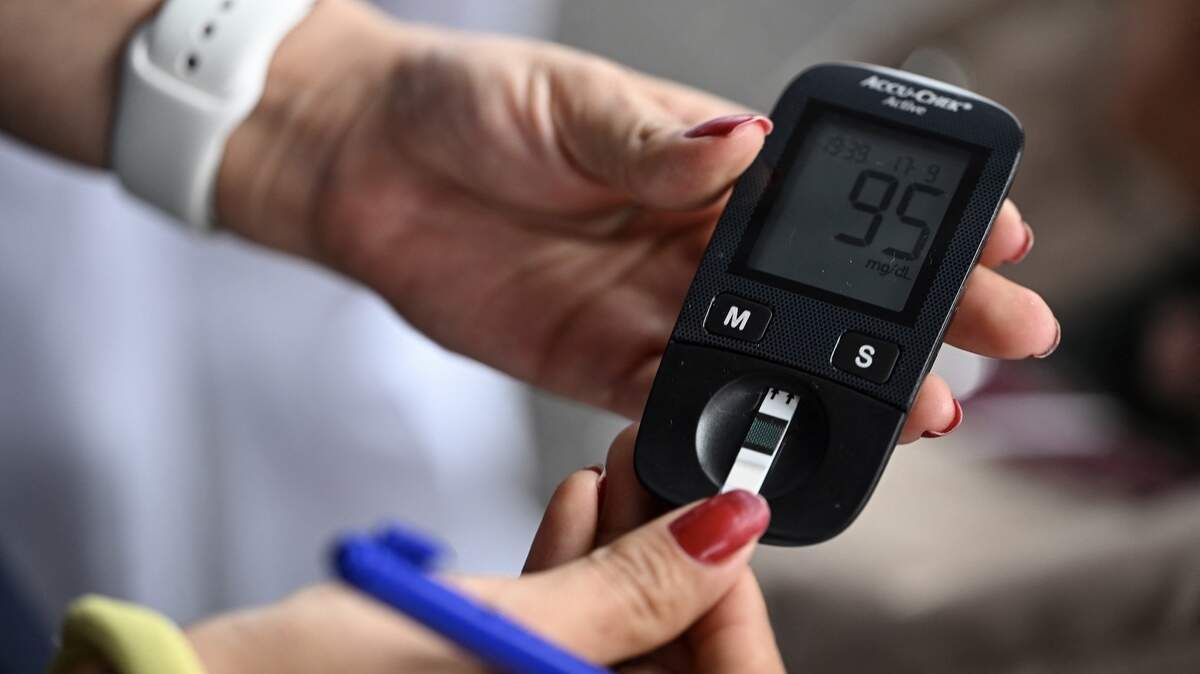
A read-only wearable reads your body but does not directly change it. An Apple Watch measures heart rate, an Oura Ring measures sleep, a Fitbit tracks activity and continuous glucose monitors track glucose. The device tells you information but cannot directly change those things in your body.
Wearables have been reading the human body for more than a decade, counting steps, monitoring heart rate and alerting users when something seems off. According to Arterex, every device in this space shares a common architecture. Biosensors detect physiological signals and onboard processors convert and filter raw data. Wireless protocols then transmit that data to connected platforms, where AI-driven algorithms turn the streams into actionable clinical insight. Consumer-grade wearables with FDA clearance now bridge clinical and everyday health tracking.
How Does a Read-Write Wearable Differ From a Read-Only Wearable?
A read-write wearable both reads your body and writes back to it by delivering an intervention. Instead of only observing, it acts. A closed-loop insulin pump reads glucose and injects insulin. A neurostimulation headset measures brain activity and delivers electrical stimulation. A vagus nerve stimulator measures physiological signals and stimulates the nerve.
The intervention can take several forms. Examples include electrical stimulation to calm the nervous system, insulin delivered in response to rising glucose and light therapy to shift circadian rhythms. Thermal adjustments to improve comfort and recovery are another approach.
Arterex says the clinical benefits are substantive. Wearables can enable early disease detection and reduce hospital readmissions. They also support remote patient monitoring and improve chronic disease outcomes across cardiology, diabetes care, neurology, respiratory medicine and mental health. Challenges remain, including data accuracy limits and patient adherence gaps. Fragmented EHR integration, regulatory complexity, cybersecurity risks and equity barriers also constrain adoption.
What Read-Write Wearables Are in Development Right Now?
The wellness science company Vibe Science is testing its Domayn Mask in a beta program, aiming to shift users toward calmer or more focused states rather than only reporting metrics.
The device delivers precision-engineered light and sound pulses providing a stable sensory signal, according to the company. Cortical systems in the brain naturally synchronize with this signal, a phenomenon called steady-state visual evoked potential, or SSVEP, that is measurable in EEG.
In Vibe Science studies, the autonomic nervous system shifts toward parasympathetic activation as the brain entrains to the stimulus, producing lower arousal and readiness for sleep and recovery. The company measures the shift through heart rate variability, including increases in RMSSD and SDNN and reductions in LF/HF ratio. Vibe Science says those biomarker changes align with behavioral change, such as falling asleep faster, feeling calmer or, in alertness sessions, sharper focus. The company argues the future of wearables is read-write, giving users more autonomy over how their brains and bodies feel and perform.
How Does Elemind’s EEG Headband Help Users Fall Asleep Faster?
Elemind launched commercially in 2024 with a wearable electroencephalogram headband designed to help people fall asleep and fall back to sleep significantly faster without drugs. Using high-fidelity EEG, the company continuously reads neural activity and applies precisely timed acoustic stimulation individualized to each person’s brain dynamics, according to Healthcare Outlook.
The system models a user’s neural state moment by moment and intervenes at exactly the right phase of ongoing brain activity. This closed-loop approach, grounded in peer-reviewed clinical research and protected by patents, allows Elemind to influence sleep at the level where it naturally occurs, the brain itself.
“Elemind is building infrastructure, not a gadget,” Meredith Perry, cofounder and CEO, said. “We are laying the foundation for how humans will interact with their own brains safely, non-invasively, and intelligently. Sleep is where that journey begins, but it’s not where it ends.”
This article was created by content specialists using various tools, including AI.