Does olive oil lower apolipoprotein B? New evidence suggests a shift in cholesterol science
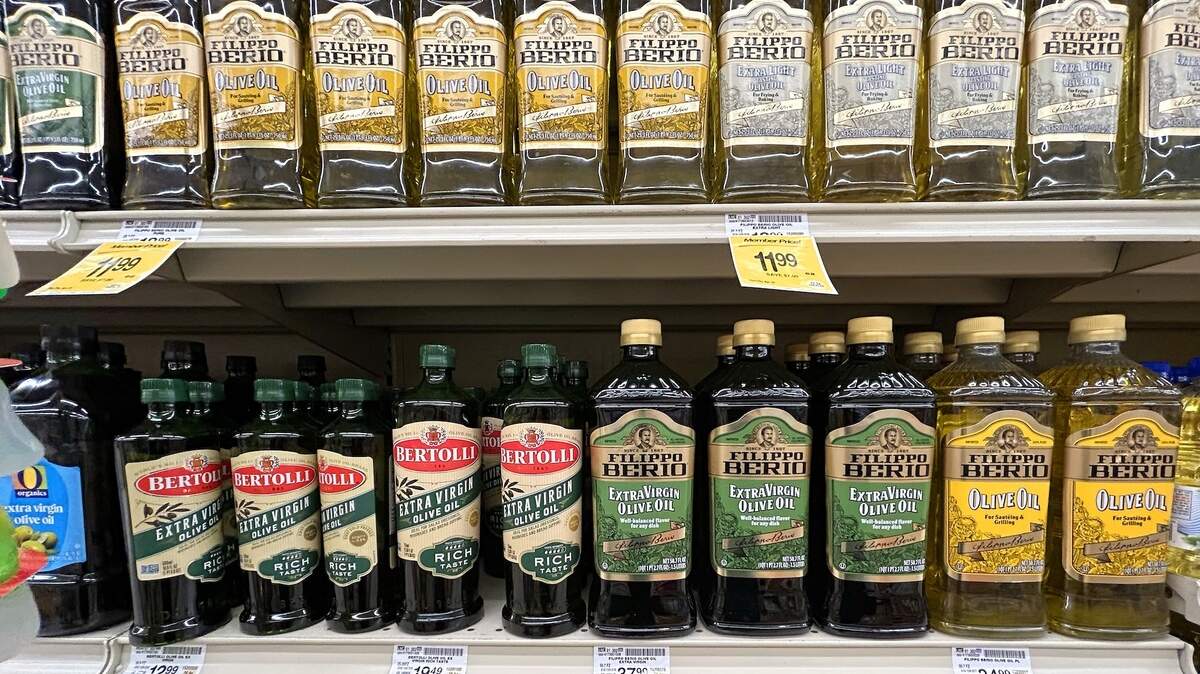
Heart disease remains a top concern for millions, and cholesterol numbers tell only part of the story. Apolipoprotein B, often shortened to ApoB, has emerged as a more accurate predictor of cardiovascular risk than standard LDL readings. The question of whether olive oil can move that number in the right direction has drawn fresh attention from researchers and clinicians.
The answer matters because ApoB counts the actual particles that can lodge in artery walls. Lowering it through diet is one of the few interventions a person can start today without a prescription.
How Olive Oil Influences Apolipoprotein B
Saturated fat is the main dietary driver of higher ApoB. According to SiPho Health, saturated fats push the liver to produce more VLDL particles, each carrying one ApoB molecule, while also reducing the liver’s ability to clear LDL particles from circulation.
Swapping saturated fat for monounsaturated fat changes that math. Princeton Longevity Center notes that current research favors diets low in saturated fat and refined carbohydrates, rich in soluble fiber from foods like oats, beans and berries, and built around monounsaturated fats from olive or avocado oil.
What the Olive Oil Studies Show
A 2011 controlled trial of 551 participants compared a Mediterranean diet with extra virgin olive oil, a Mediterranean diet with nuts and a low-fat diet. The olive oil version produced measurable Apolipoprotein B reductions.
The much larger 2018 trial followed 7,447 Spanish adults at high cardiovascular risk. A Mediterranean diet supplemented with extra virgin olive oil or mixed nuts cut major cardiovascular events by roughly 30% compared with a reduced-fat diet. ApoB was not the primary outcome, but the heart benefit was clear.
A 2024 study in people with insulin resistance found that replacing lard with olive oil lowered LDL cholesterol, reduced the number of LDL particles in circulation and sped up how quickly the body cleared those particles. Fewer LDL particles means less ApoB overall, since each LDL particle carries one ApoB molecule.
When More Olive Oil May Not Mean Better Results
A 2024 randomized crossover trial complicated the picture. Forty adults with cardiovascular risk followed a whole-food, plant-based diet with either high or low amounts of extra virgin olive oil for four weeks each. Both versions improved LDL cholesterol, total cholesterol, ApoB, glucose and high-sensitivity C-reactive protein. But the low olive oil phase produced sharper LDL reductions.
“One of the key differences between a Mediterranean diet and a whole food plant-based diet is the amount of fat and specifically olive oil in the diet,” lead author Monica Aggarwal, MD, FACC, clinical associate professor at the University of Florida, told Medical News Today. “I wanted to understand if the EVOO itself was good in a diet or just less bad than the alternative.”
The trial concluded that adding more olive oil after following a low-intake plant-based pattern may slow further lipid reductions.
How to Put This on Your Plate
Dr. Jeremy Rogers, quoted by Plotline, recommends making olive oil the primary cooking oil and pairing it with avocados, almonds, walnuts and sunflower seeds. He suggests building meals around fruits, vegetables, nuts, legumes and whole grains, with olive oil as the main fat source, while cutting processed foods, added sugars and refined grains like white bread.
The Mediterranean approach is the simplest starting point. Trade butter for olive oil, choose fish over red meat several times a week and fill half the plate with vegetables. Small, repeated swaps move ApoB in the direction the heart needs.
This article was created by content specialists using various tools, including AI.