Why’d World Cup choose Miami? Thank Dolphins founder & unlikely soccer visionary Joe Robbie | Opinion
READ MORE
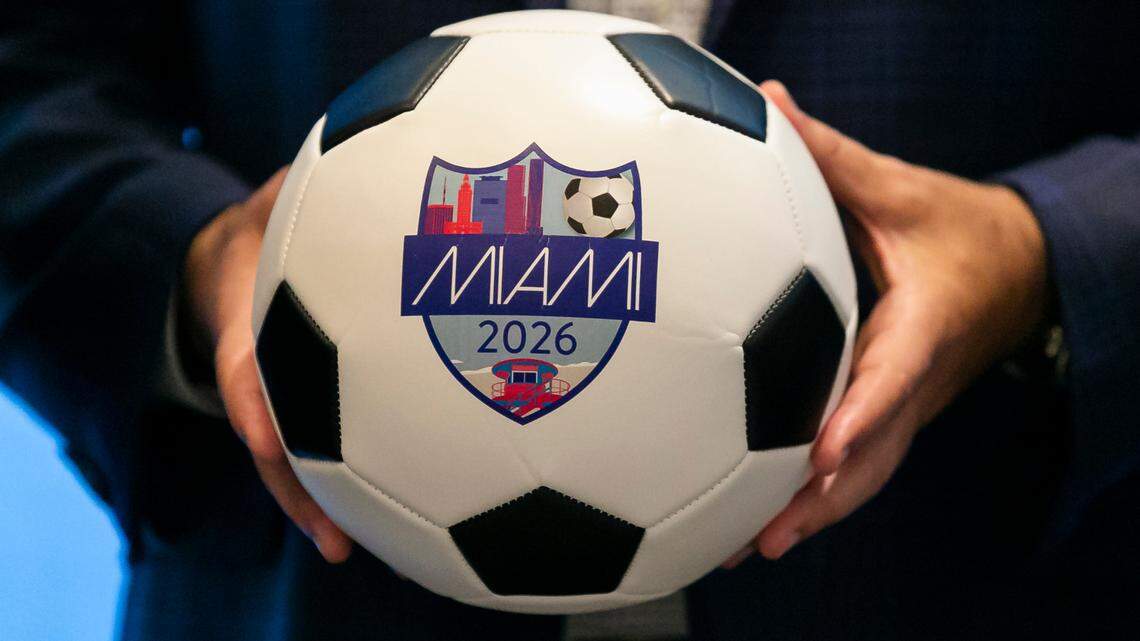
Miami is a host city for the 2026 FIFA World Cup
Miami was one of 11 U.S. cities to make the 2026 FIFA World Cup list along with Seattle, San Francisco, Los Angeles, Kansas City, Dallas, Houston, Atlanta, Boston, Philadelphia, and New York/New Jersey.
Expand All
Joe Robbie, the Miami Dolphins founder, died more than 30 years ago now, at age 73, in 1990. But his son has been thinking a lot about his Dad this week. Father’s Day will do that. And a birthday in early July.
Mostly, what happened Thursday that had Miami cheering — that is what made the son smile, and remember.
“The culmination of his dream,” Tim Robbie called it.
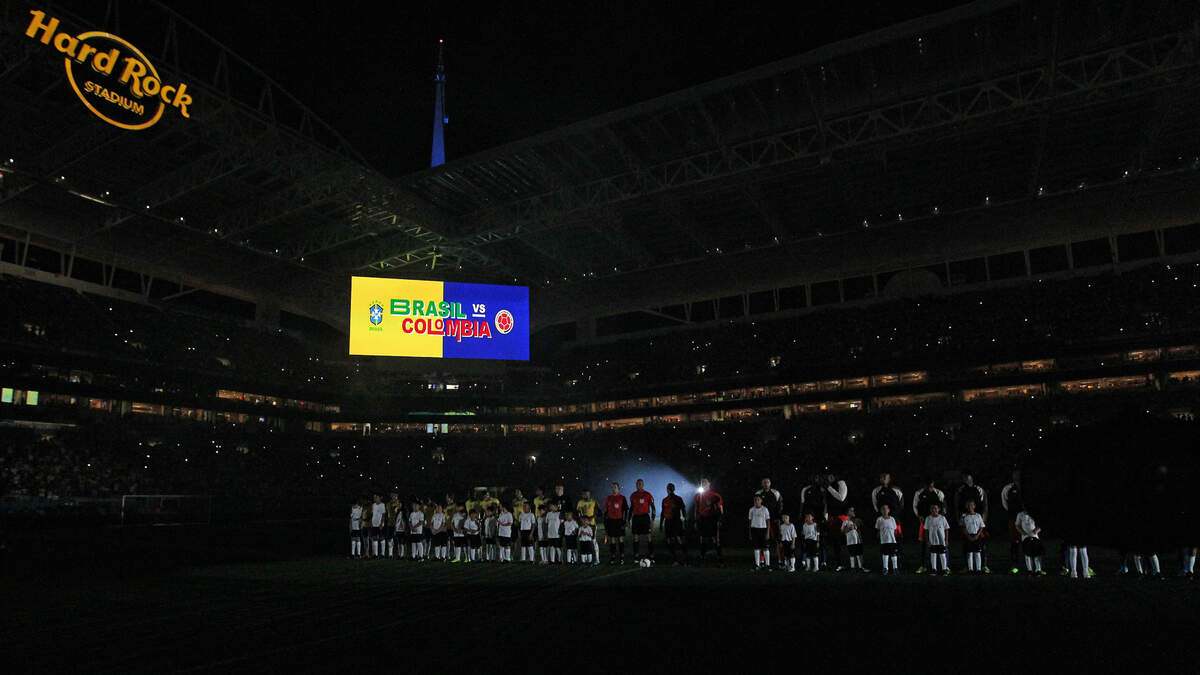
Miami’s Hard Rock Stadium was officially announced Thursday as one of the sites that will host 2026 World Cup games in men’s soccer, the biggest sporting event on Earth coming to South Florida for the first time.
Some older Dolphins fans still call it Joe Robbie Stadium to this day, with reverence. Now it should be with added thanks, too.
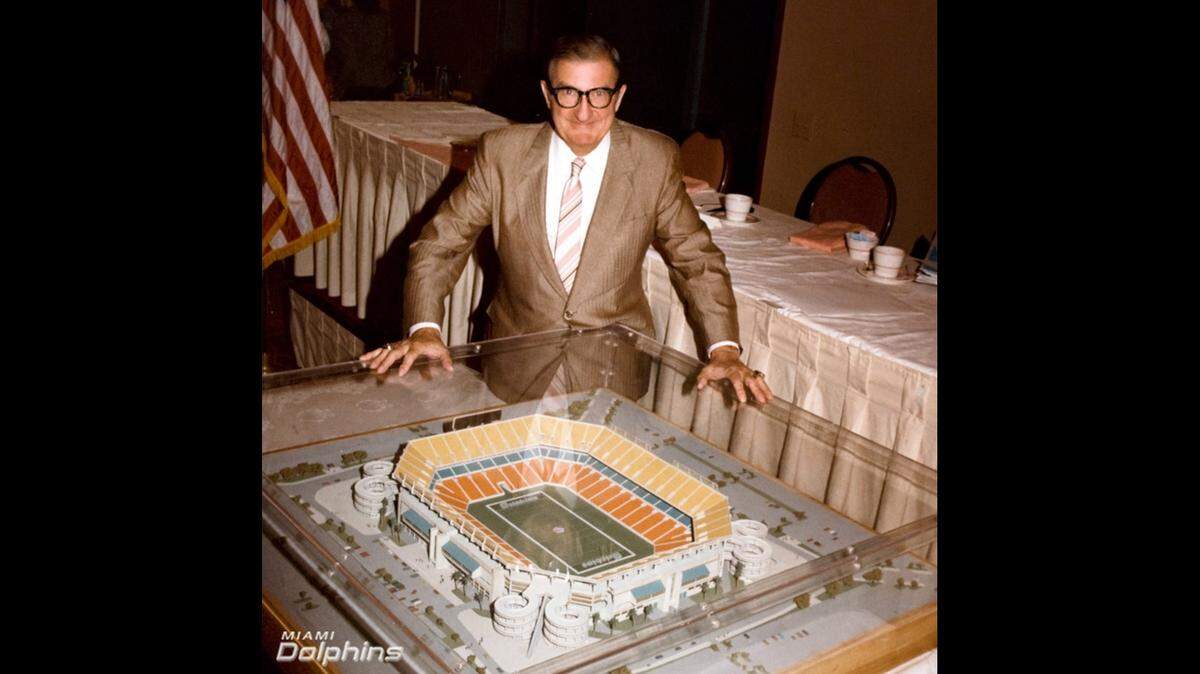
The stadium now called Hard Rock is gleaming with modernization and improvements, and current Dolphins owner Stephen Ross deserves a nod for that, but all of it began with Joe Robbie’s ingenuity and perseverance in the mid-1980s, when his crowning achievement rose from private funding, not a cent of tax dollars.
He was building a football stadium for his Fins, but one with futbol, international soccer, prominently in mind. He was ahead of his time, a visionary.
And he is the reason Miami cheered a huge civic and sports victory Thursday, and now has four years to imagine and anticipate the arrival of a global event of a scale that will dwarf any of the record 11 Super Bowls South Florida has hosted.
“A World Cup changes people, communities, cities and countries,” as former U.S. star Alexi Lalas put it Thursday on Fox’s announcement broadcast from New York.
The World Cup knighting Miami might have been a conclusion foregone from the day the joint U.S.-Canada-Mexico bid was announced April 26, 2017, with Miami one of the 16 American cities among finalists from which 10 would be chosen.
But the expected became reality Thursday as cheering erupted at a watch party in Coral Gables when FIFA made it official.
This will be the first World Cup since expansion from 32 teams (countries) to 48.
U.S. cities selected were Atlanta, Boston, Dallas, Houston, Kansas City, Los Angeles, Miami, New York/New Jersey, Philadelphia, San Francisco and Seattle.
Canadian cities will be Toronto and Vancouver, and Mexican cities will be Guadalajara, Mexico City and Monterrey.
The announcement made Miami fans sweat a bit; we were the 15th of 16 cities named, with Gloria Estefan representing with, “Welcome to Miami!”
Tim Robbie and his wife were on a three-day car trip from Broward County to their lake home in Minneapolis, on a stopover between Atlanta and Chattanooga, when they heard the news that made the memories flood back.
“Younger people need to be reminded about the history of the sport in South Florida and Joe Robbie’s role in putting professional soccer on the map here,” his son said. “He assured it as a mecca for big soccer events because of the stadium he built.”
Joe and wife Elizabeth owned and ran the old NASL Fort Lauderdale Strikers as a sort of sidelight back then but became enamored of the sport.
“By the mid-’80s, during the early conversations with the stadium architectural team my father stressed right away it had to be a football stadium easily adaptable to soccer primarily,” Tim Robbie recalled. “And secondarily for baseball with some retrofitting. The architects understood the playing surface had to be wide enough to accommodate international soccer — even though they told him it would not be an ideal atmosphere for NFL football.”
Ironically, because of its adaptability to baseball, the Marlins playing there in 1994 was the reason the stadium was bypassed when the U.S. hosted the 1994 World Cup.
(“It wasn’t an issue with the Marlins,” noted Tim Robbie. “It was an issue with MLB. Baseball refused to cooperate with the scheduling issues and complexities.”).
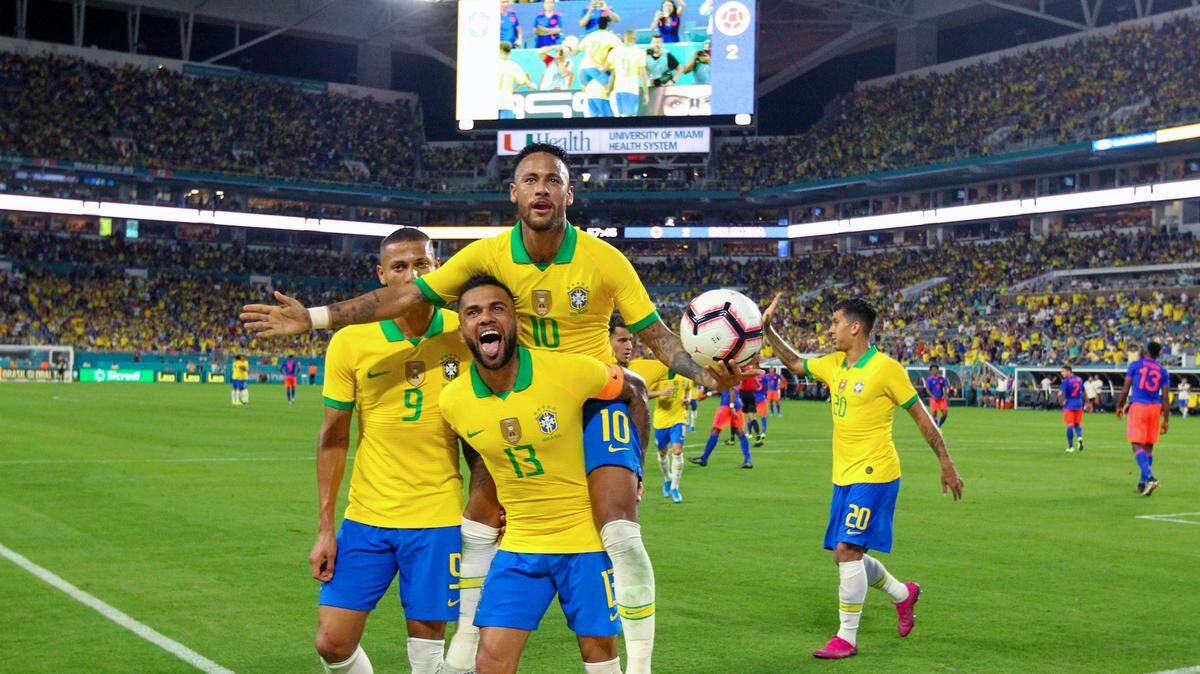
Joe Robbie is why his stadium, his, attracts major international soccer matches and music concerts in addition to being home to the Dolphins and Hurricanes. Now he is why the crown jewel, the World Cup, will be shining in South Florida.
The soccer-perfect facility, Miami’s location, its diversity and glamour and history in the sport made FIFA’s decision easy. David Beckham and Inter Miami and MLS taking fertile root here only enhanced an obvious choice.
“In the pros and cons I’m not sure you’d find a ‘con’,” as Tim Robbie put it.
What an unlikelihood that Joe Robbie, a lawyer from South Dakota, would be the man to found the Dolphins and have the vision to bring about Thursday’s World Cup news — to have faith in soccer’s future in America even at a time when the NASL was foundering and fading.
Joe was the son of a Lebanese immigrant who worked as a lumberjack for $7 a week during the Great Depression, giving $5 of it to his family. He joined the Navy the day after Pearl Harbor. He got his law degree. He happened to know Joe Foss, then the AFL commissioner, who floated the idea of him owning a football team in Miami.
Joe could be ornery and demanding, “stubborn and temperamental,” added Tim. He had a temper.
He also knew how to build, and imagine.
I asked Tim Robbie if his father would be looking down and smiling at Thursday’s World Cup announcement.
OK, a corny question, yeah. But, hey ... Father’s Day!
Tim chuckled.
“He would have wanted the final here and with anything less he’d have felt slighted,” said a proud son. “He always wanted the Big Kahuna.”
This story was originally published June 16, 2022 at 5:43 PM.