‘He could’ve died.’ Tyreek Hill’s detainment highlights very real issue in America
READ MORE
Police handcuff, detain Miami Dolphins’ Tyreek Hill
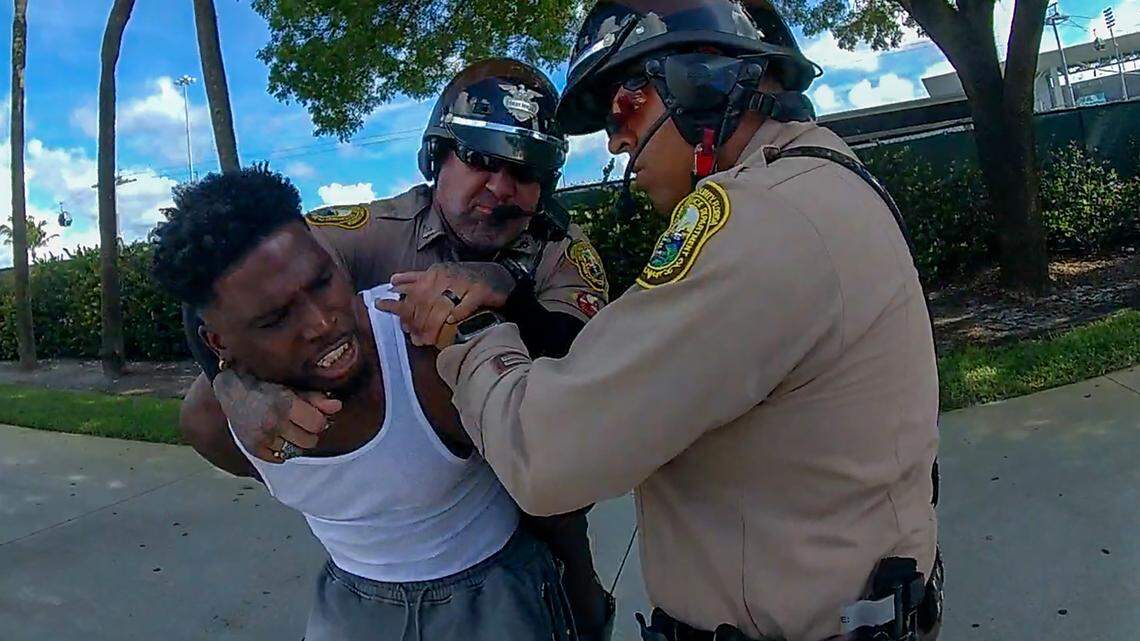
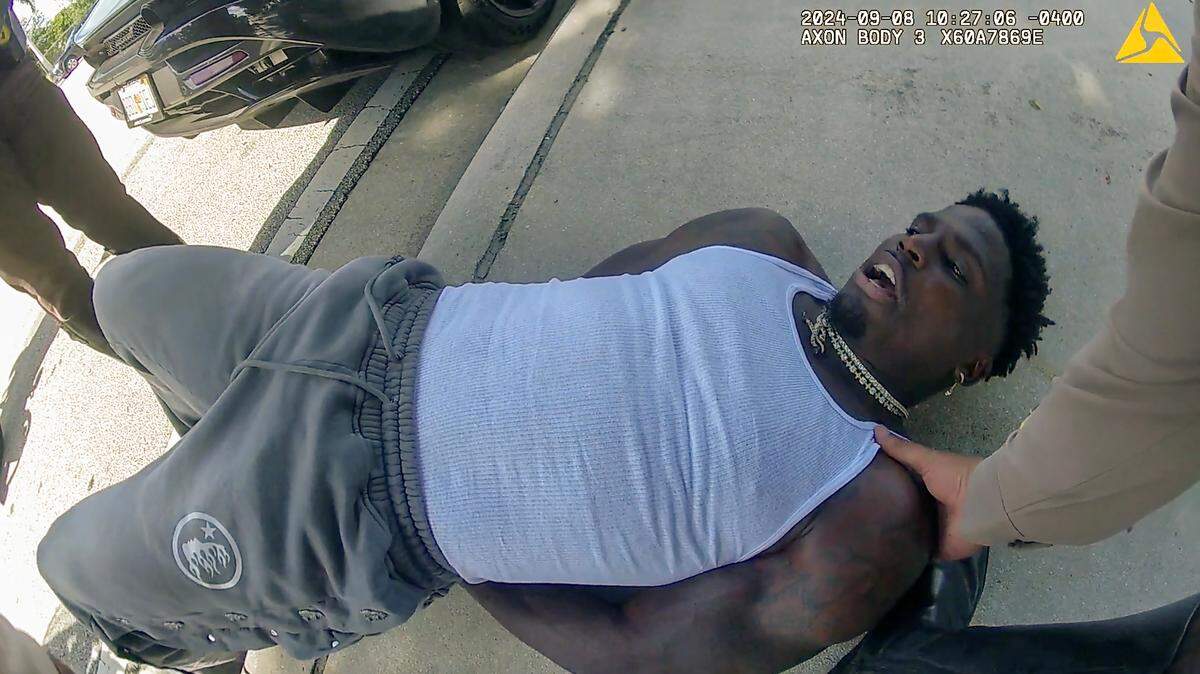
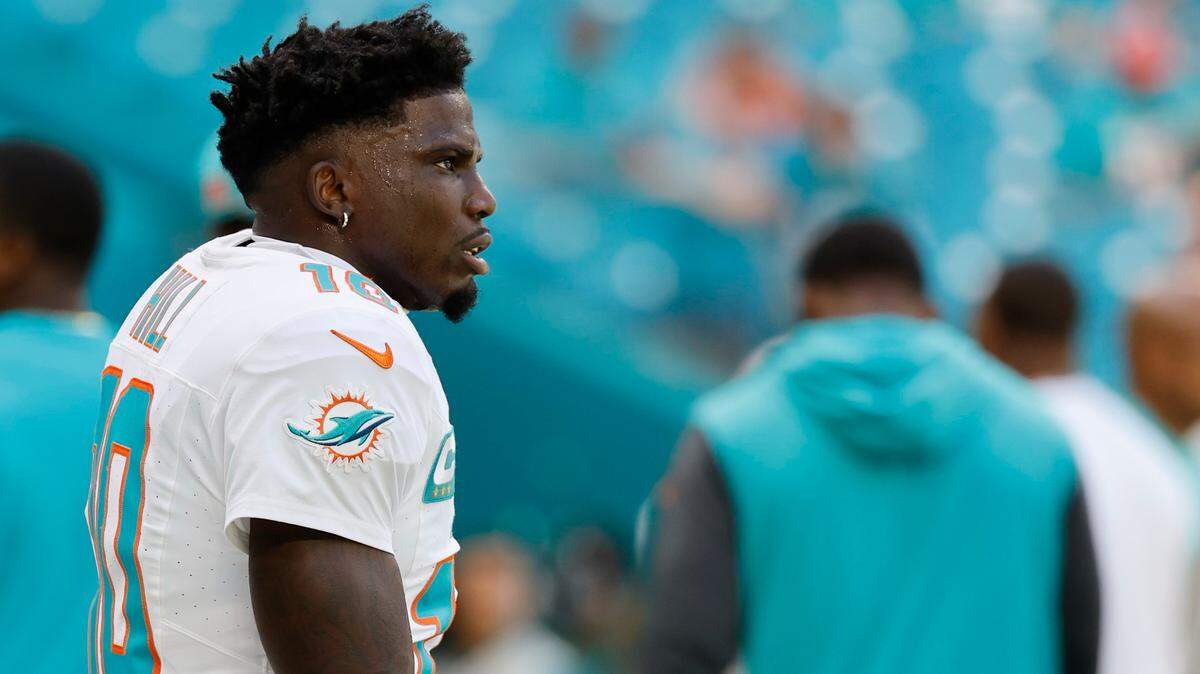
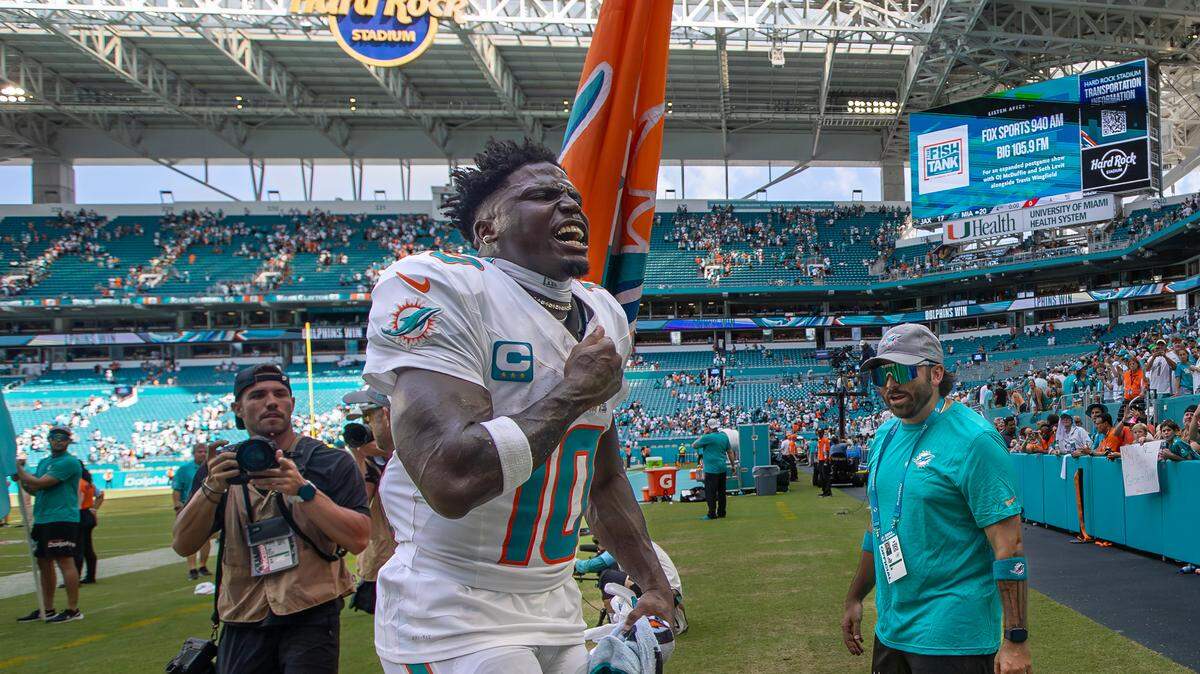
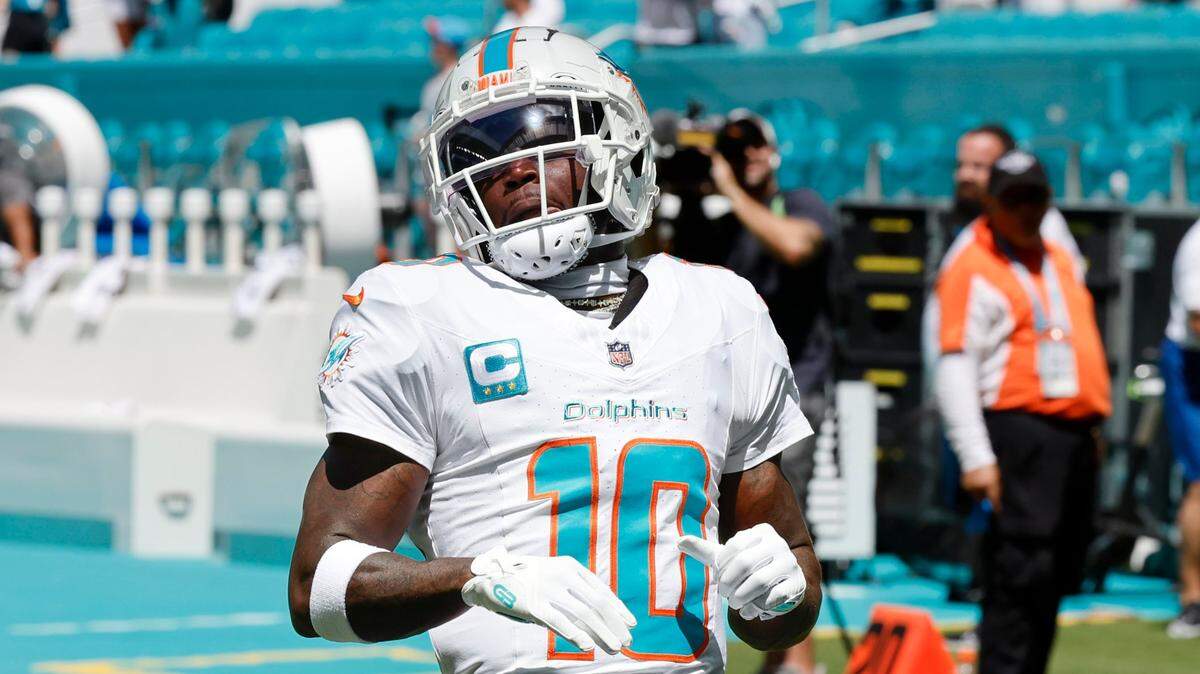
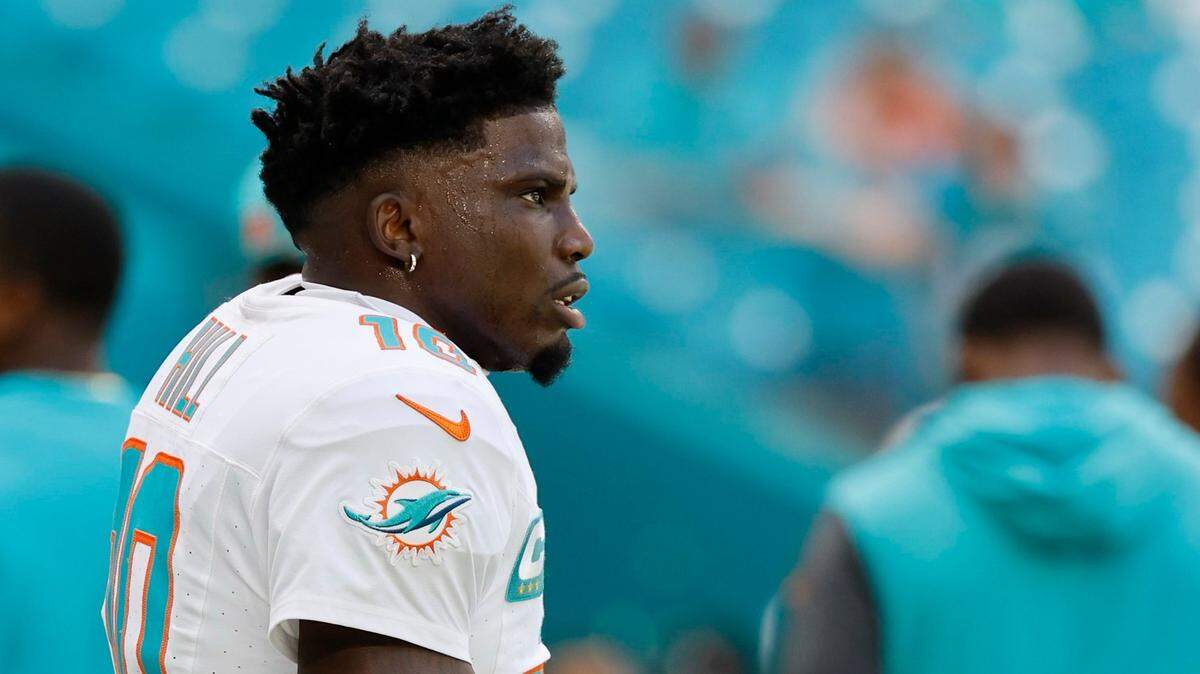
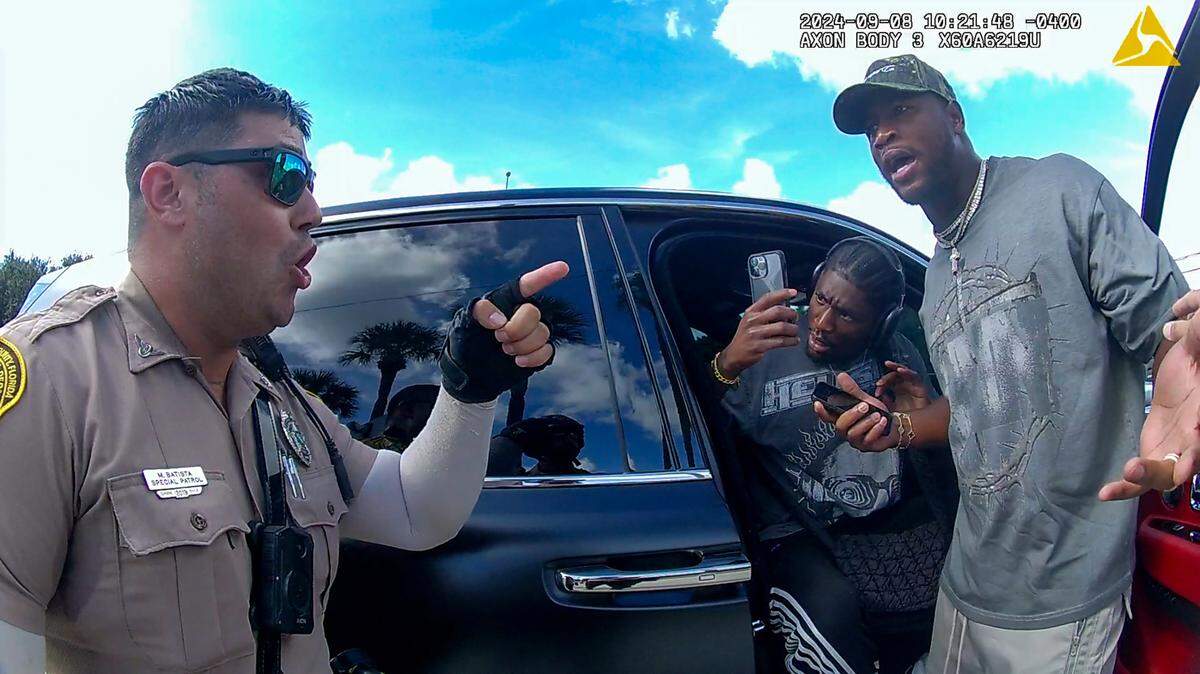
Miami-Dade police handcuffed, placed a knee on Tyreek Hill during a traffic stop before the season-opening game against the Jacksonville Jaguars.
Expand All
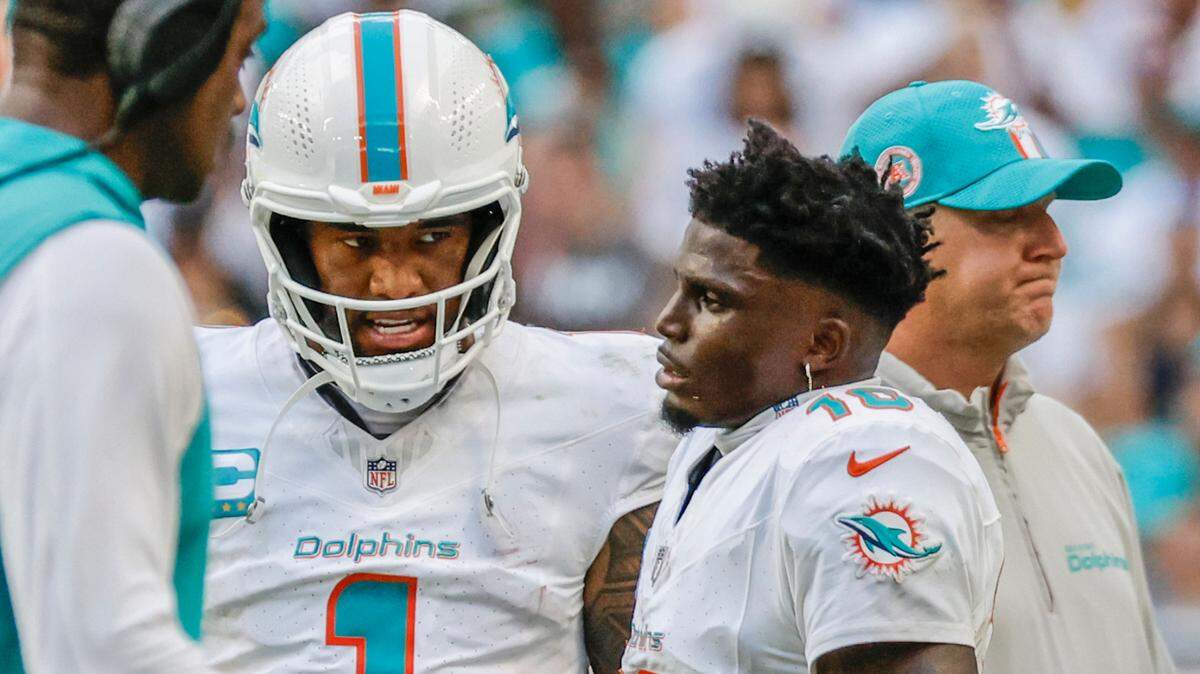
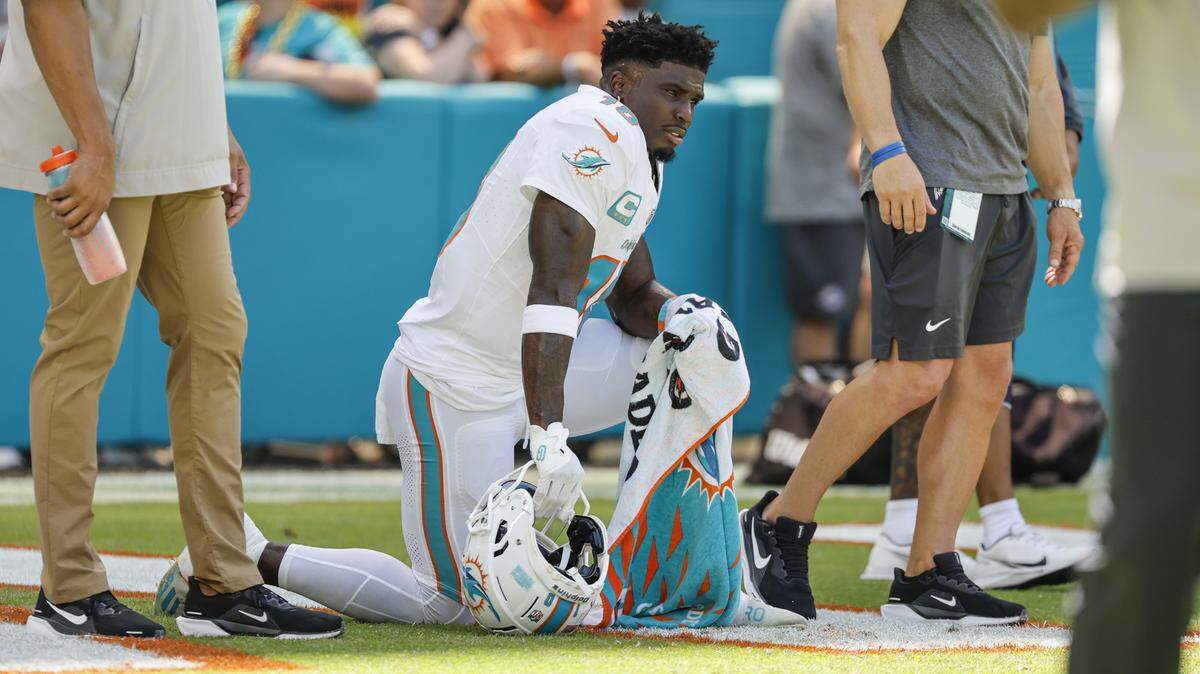
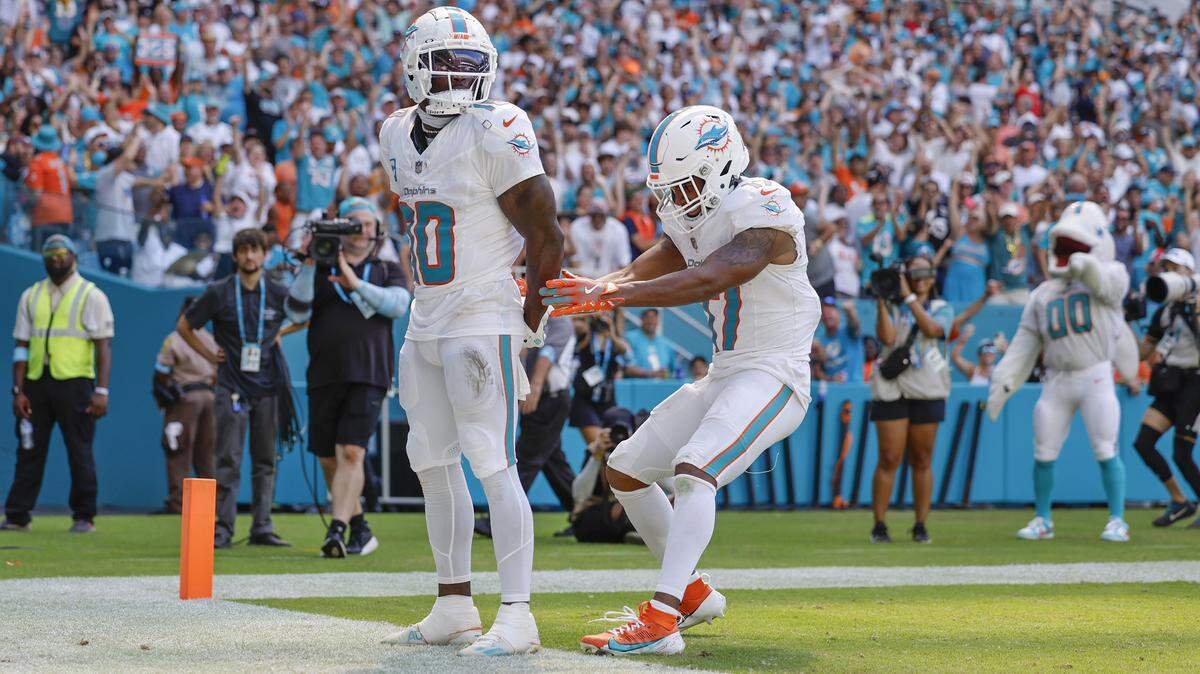
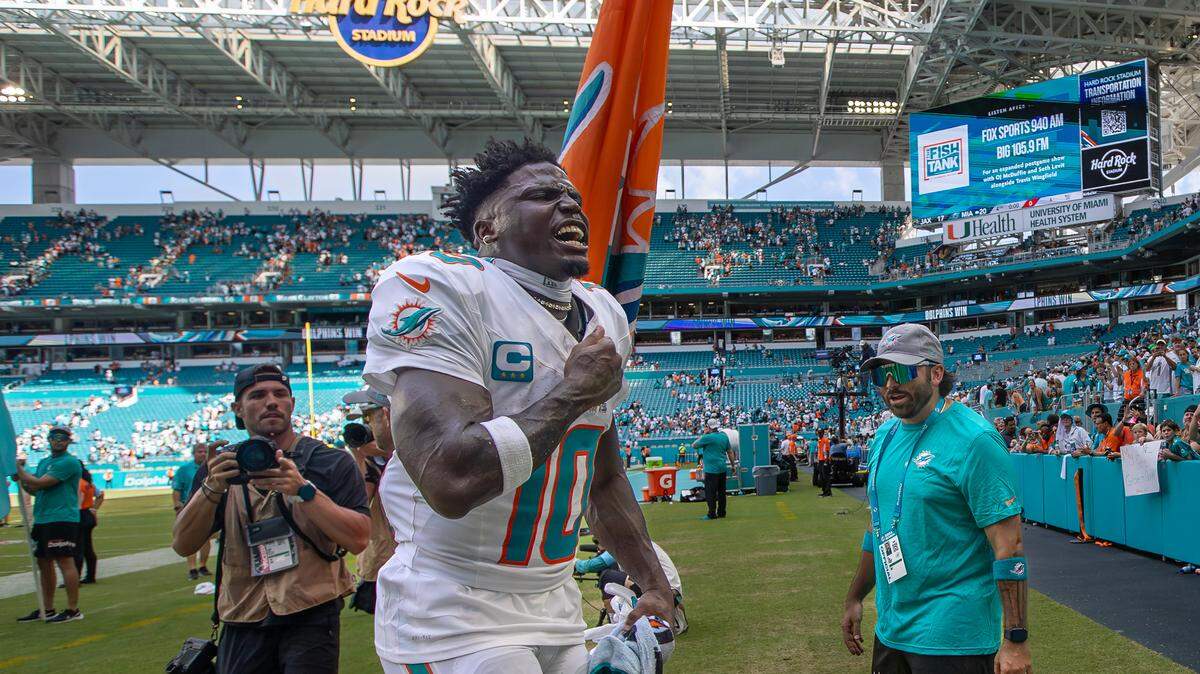
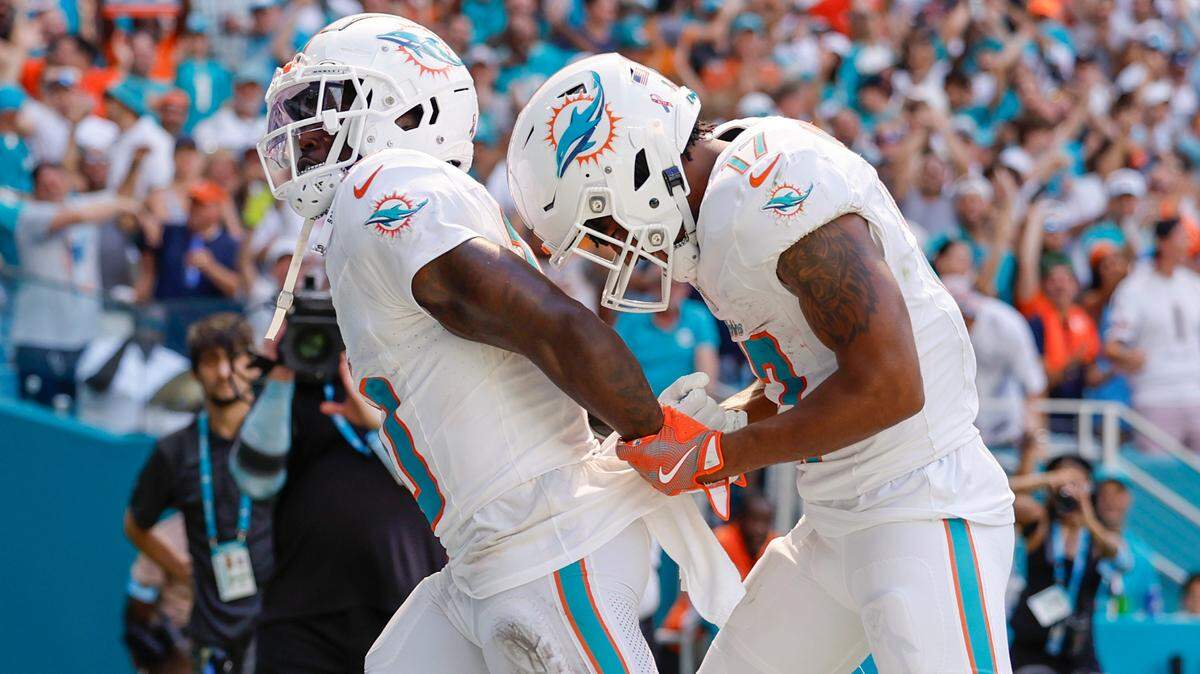
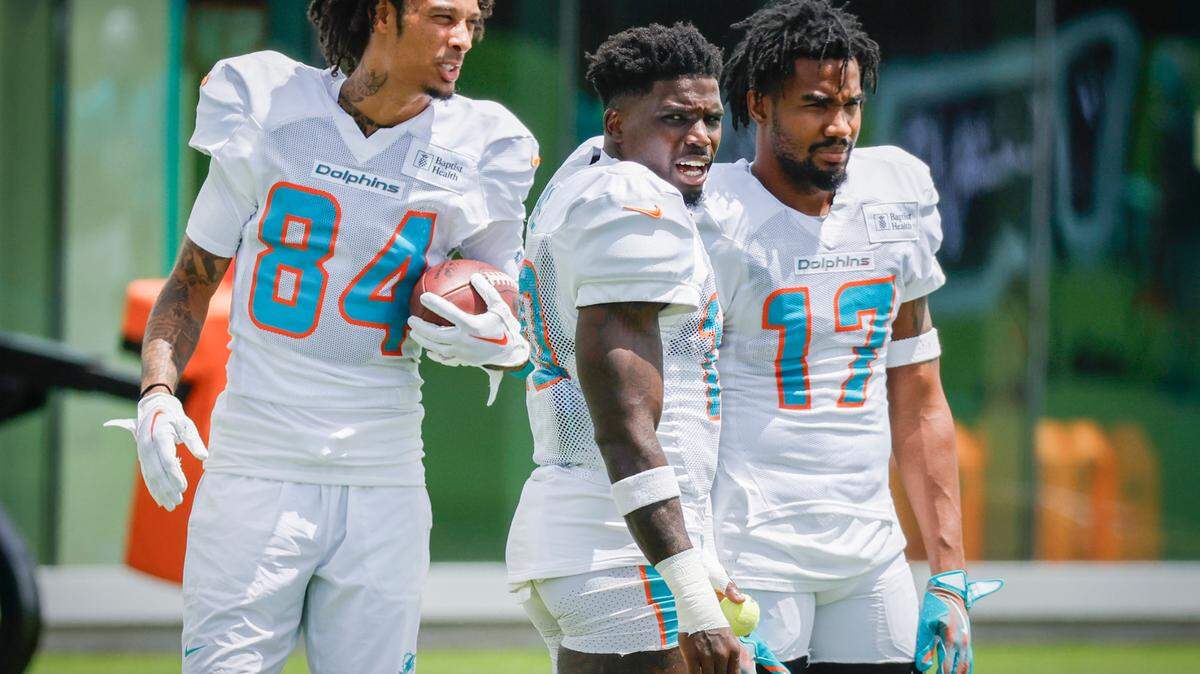
In the aftermath of one of the most memorable days in Miami Dolphins history, safety Jevón Holland expressed a frank view that some of his teammates danced around.
“Excessive force on a Black man, that’s not uncommon,” Holland said Sunday afternoon. “It’s a very common thing in America. That needs to be addressed on a countrywide level.”
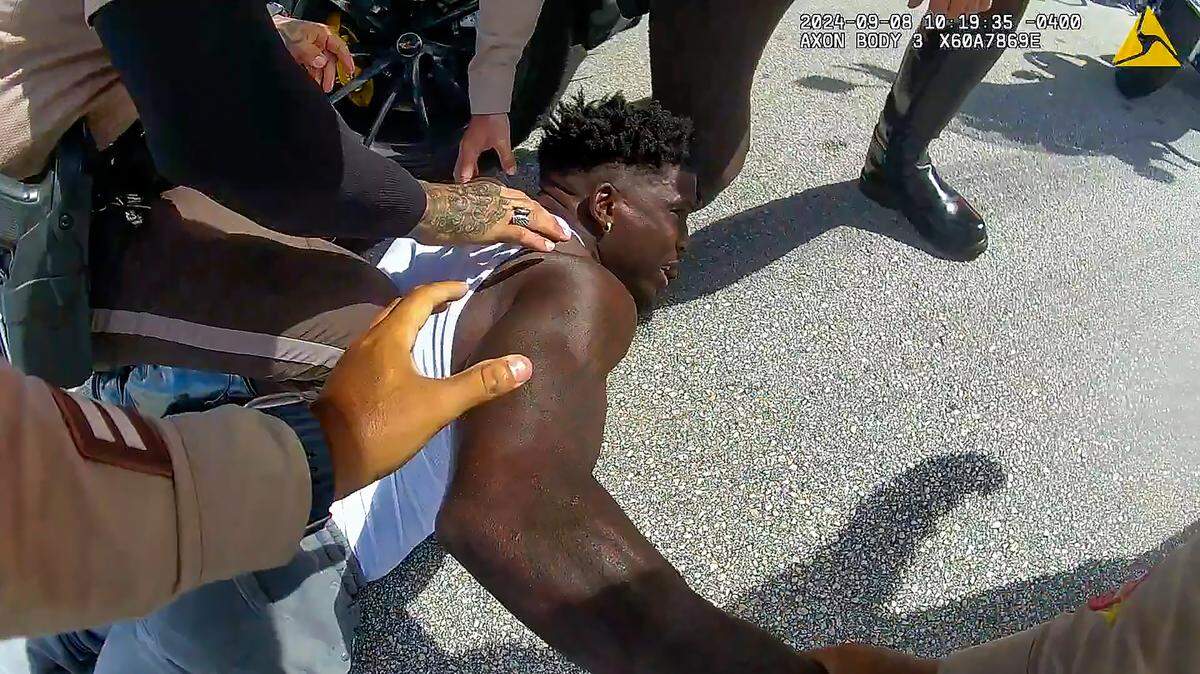
What happened to star receiver Tyreek Hill, who Miami-Dade police handcuffed, kicked to the ground and put a knee in his back right outside of Hard Rock Stadium before Sunday’s 20-17 win against the Jacksonville Jaguars, is all too familiar and frustrating in Black communities from Miami to Los Angles and all points in between.
That’s probably why David Long Jr. wasn’t necessarily surprised at the police’s treatment of his teammate.
“It’s something that I’m used to seeing,” the Dolphins linebacker said Monday morning. He added “it’s crazy that he, mentally, could look back and go out there and have the game that he had.”
Or why Stephen A. Smith cogently explained many Black Americans’ issues with police during Monday’s episode of “First Take.”
“This is what we’re talking about when we talk about the ease with which dehumanization kicks in when it comes to Black men,” he said. “Why are you doing that? Why was that necessary? He clearly was not a threat at that moment in time.”
The president of the Miami-Dade police union denied that race played a role in why Hill was stopped. Several studies, however, have shown that race has a disproportionate impact on encounters with police.
Black drivers are three times more likely to be ticketed than white drivers under a Florida law that makes it illegal to play loud music that can be heard more than 25 feet away or is louder than necessary to hear when a vehicle is near a church, school, hospital or home, according to a 2023 University of Florida study.
A 2016 ACLU of Florida report found law enforcement officers stopped and ticketed Black drivers for seat belt violations at a rate nearly double that of white motorists. To quell any notion that Black motorists received more citations because they failed to use their seat belts, the study cited the Florida Department of Transportation which showed that Black and white people wore their seat belts at a comparable rate – 85.8% and 91.5%, respectively.
The data gives credence to a popular phrase in communities of African descent: “driving while Black.”
“It’s not just Florida data that shows this over representation of stops,” said Alex Piquero, professor of sociology and criminology at the University of Miami. He pointed to places like New York City, which notoriously employed the “stop-and-frisk” policy. “The question we have to answer is, are those stops just disparity in numbers because of differential driving or whatever, or is there active discrimination going on by self selecting who to stop?”
Brother Lyle Muhammad, executive director of the Circle of Brotherhood, a South Florida nonprofit that equips Black men with the tools to solve their community’s problems, ultimately believes the issue comes down to fear. To help alleviate that, Muhammad and the Circle of Brotherhood hosts a class entitled “Community and Police Relations 101” that seeks to repair a relationship that has been rife with tension from the beginning.
“There’s never been a level of understanding race relations, cultural relations and also urban America to a degree that allow officers to work in our community with a deeper understanding of proper relations and also with the presence of fear not being there,” said Muhammad who has been recognized nationally for his community policing advocacy. The class, which he said both City of Miami and Miami-Dade police have attended, begins by stating the principle that “we’re all still operating under the paradigm white supremacy” with the hope to alleviate the mind-set “that they’re better than those they’re supposed to serve.”
Although Muhammad was unsure whether any of the officers involved in Hill’s incident have graduated from his class, he was clear about one thing.
“Even though we’re doing training,” he added, “there still needs to be a complete transformation of policing in America.”
Part of Muhammad’s point has to do with the origins of policing, which stemmed from the “slave patrols,” a position meant ”to establish a system of terror and squash slave uprisings with the capacity to pursue, apprehend, and return runaway slaves to their owners,” according to the NAACP.
In Miami specifically, the very first law enforcement officers were Southerners with racist sensibilities, historian Marvin Dunn wrote in his seminal text “Black Miami in the Twentieth Century.” The other part of Muhammad’s point has to do with the very real examples of police brutality. That’s how “the talk,” a discussion that parents have with their driving-aged children about how to conduct themselves around police, has become a mainstay in many Black households.
“I’ve seen this scene before with McDuffie,” Dunn said of Hill’s incident, referring to Arthur McDuffie, who Metro Dade police officers savagely beat to death during a traffic stop in 1979. An all-white jury found the officers not guilty and the McDuffie Riots commenced as a result. “Same scenario: Black man illegally stopped, handcuffed, on the ground, police officer standing over him – he could’ve died. If he would’ve shown any resistance, they could’ve beaten him.”
Added Dunn: “He did everything that we dads tell our boys to do in ‘the talk’ – don’t talk back, don’t resist – and this still happened to him,” Dunn continued.
Hill has faced a number of legal troubles through the years over alleged violent incidents but Julius B. Collins, Hill’s attorney, said the star receiver had said nothing disrespectful or threatening to the officers. Collins laid the blame for Sunday’s pregame traffic stop outside Hard Rock Stadium at “officers attempting to impose their authority” on Hill.
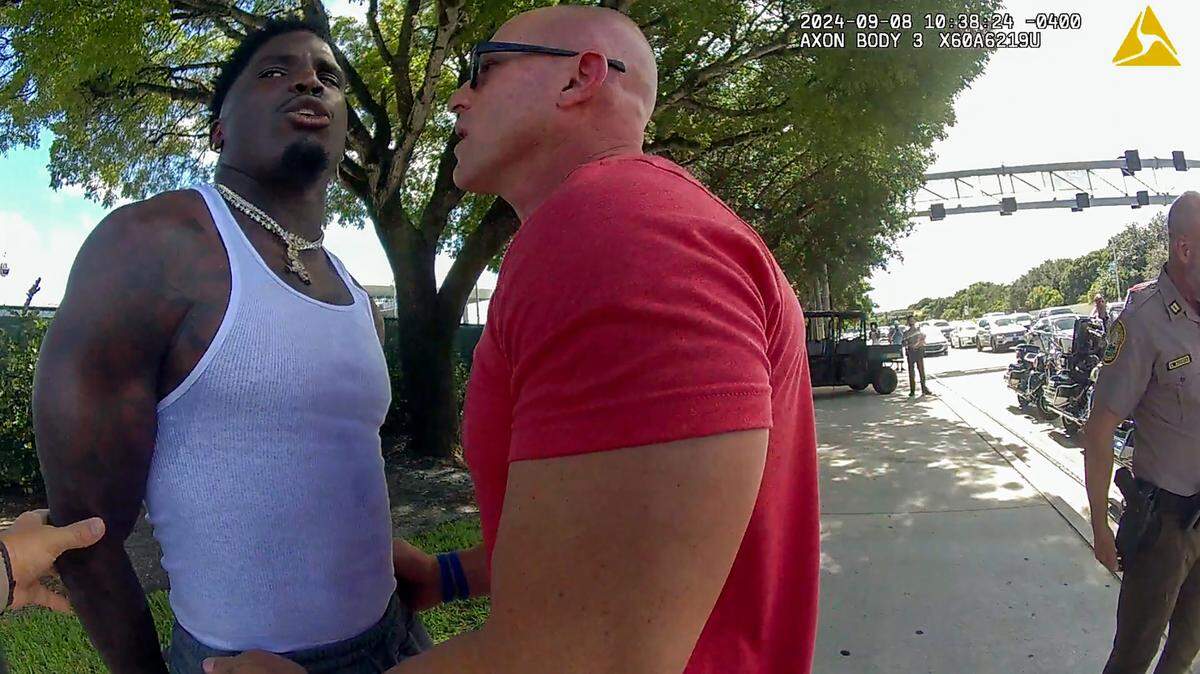
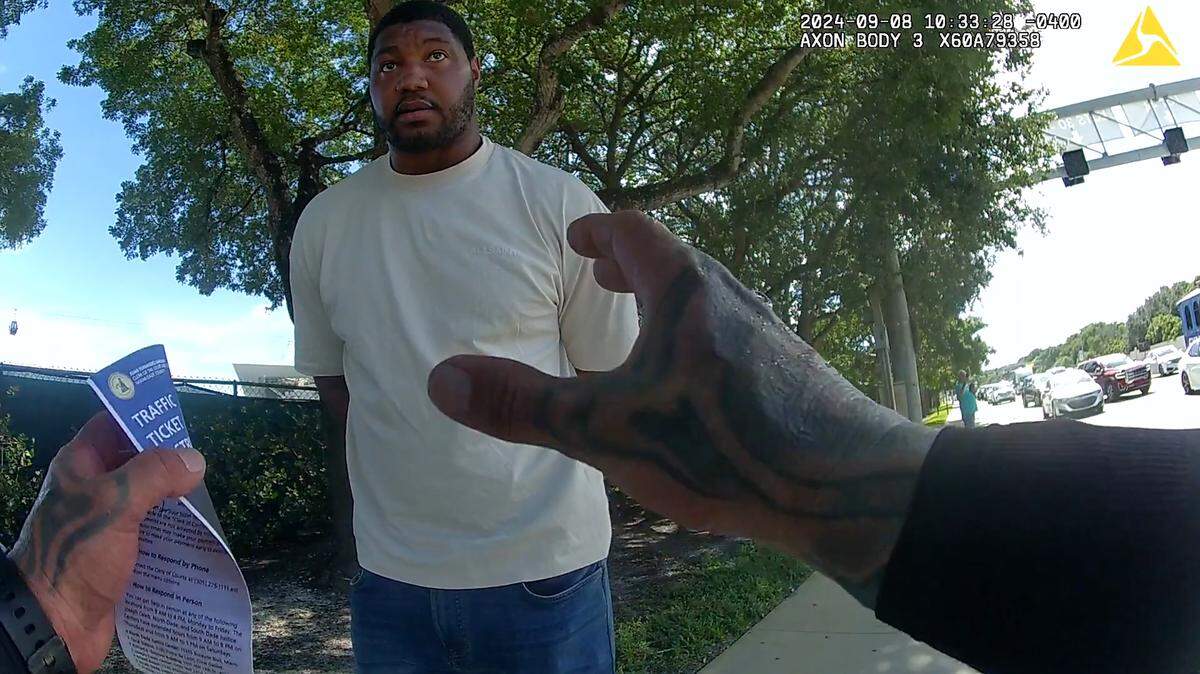
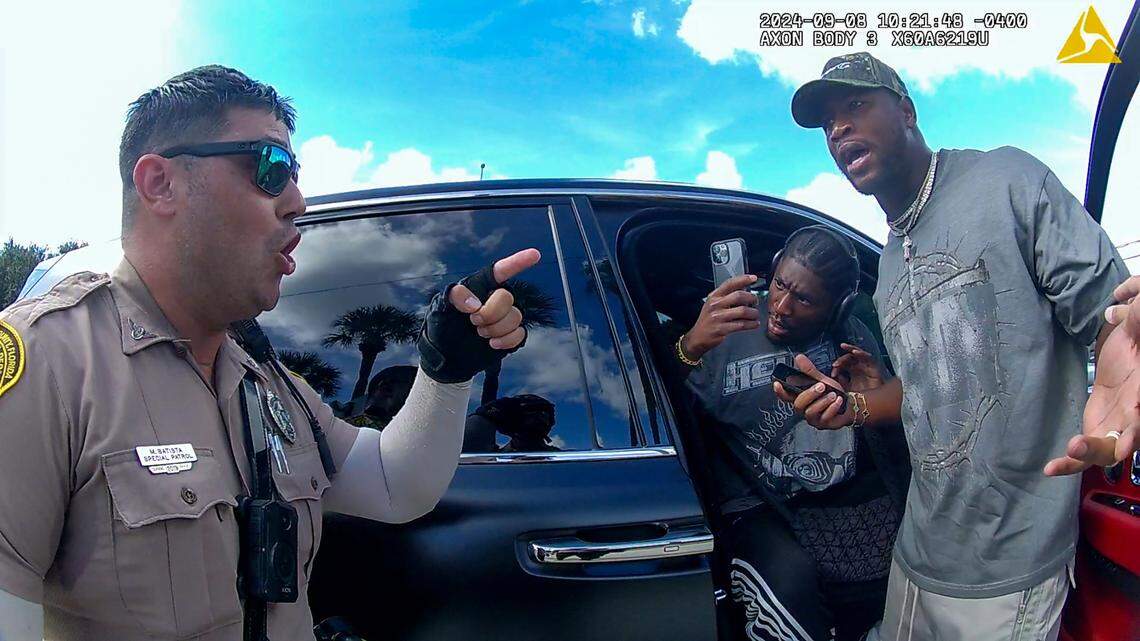
What specifically led to Hill being put in handcuffs remained murky on Monday. Miami-Dade Police Department director Stephanie Daniels reviewed body camera footage, which was released early Monday evening, and placed one of the officers on administrative leave within 12 hours of the incident.
In a statement, Police Benevolent Association president Steadman Stahl pointed to the star receiver’s initial response as the trigger, saying Hill “was not immediately cooperative with the officers on scene who, pursuant to policy and for their immediate safety, placed Mr. Hill in handcuff,”
“Mr. Hill, still uncooperative, refused to sit on the ground and was therefore redirected to the ground,” Stahl said in his statement.
Hill was given two citations, one for careless driving and the other for not wearing a seat belt, according to ESPN. His lawyers have yet to decide whether to pursue legal action. Race, however, was not a factor in the stop, according to Stahl.
“Due to his dark window tint, they had no idea who was in the car and that’s why they’re asking him to roll down the windows so they could see who was in the car,” Stahl told the Miami Herald. “I don’t think that had anything to do with it.”
After Sunday’s game, Hill said he was still unsure at the details that led to his detainment. He didn’t necessarily want to bring race into it but asked a thought-provoking question.
“What if I wasn’t Tyreek Hill?” he said. “Lord knows what those guys would have did.”
That question especially stuck with NAACP Miami-Dade chapter president Daniella Pierre who couldn’t help but think of Antwon Cooper, a Black man who Miami police shot and killed during a traffic stop in 2022. Nobody was charged and Cooper’s mother filed a federal lawsuit in 2023 that alleged the city and the officer played a role in her son’s death. Pierre and her cohort are still pushing for more transparency in that case.
“It’s not nothing new: we’ve been talking and advocating the need for police reform for decades,” Pierre said. She took issue with the verbiage used in these situations — “Antwon Cooper is dead over a traffic stop. So when Tyreek was saying ‘What if he wasn’t Tyreek Hill,’ well what if he was Antwon Cooper?”
This story was originally published September 9, 2024 at 7:36 PM.
.png)
.jpg)