Miami approves Beckham’s soccer stadium lease in a major victory for Inter Miami
READ MORE
Soccer stadium deal
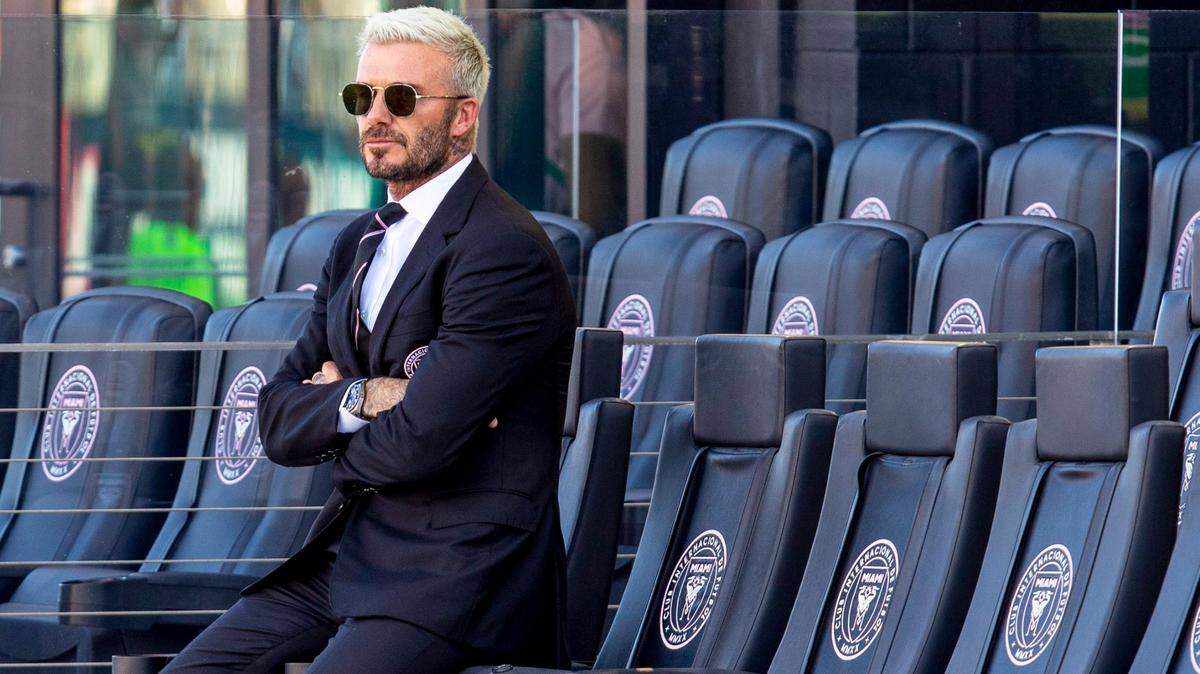
After a nine-year odyssey, retired footballer David Beckham scored a key victory Thursday when Miami commissioners voted 4-1 to lease 73 acres of city-owned land for a Major League Soccer stadium and commercial center, a massive complex that will host home games for Inter Miami.
Expand All
After a nine-year odyssey, retired footballer David Beckham scored a key victory Thursday when Miami commissioners voted 4-1 to lease 73 acres of city-owned land for a Major League Soccer stadium and commercial center, a massive complex that will host home games for Inter Miami.
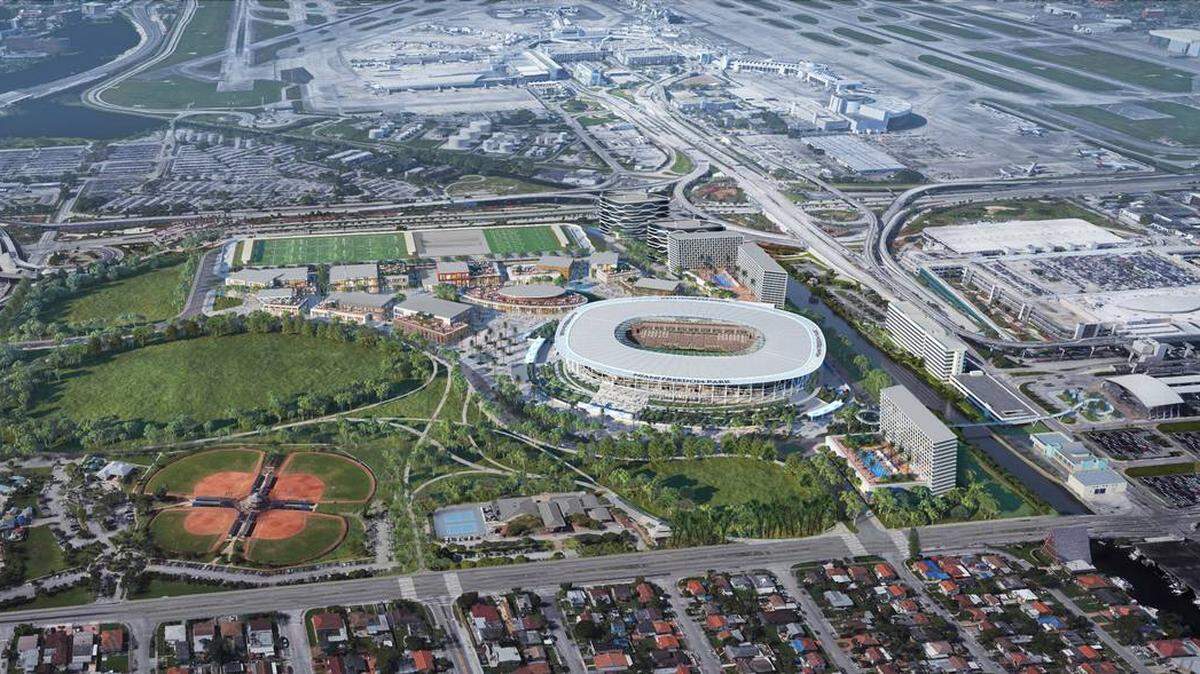
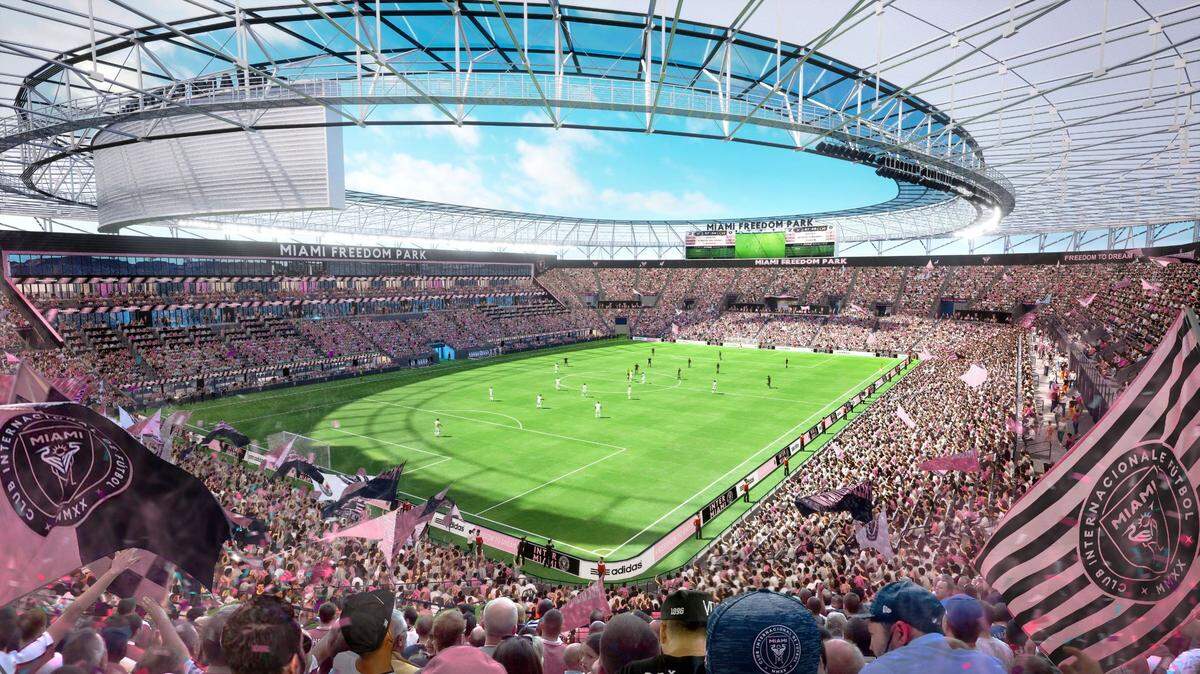
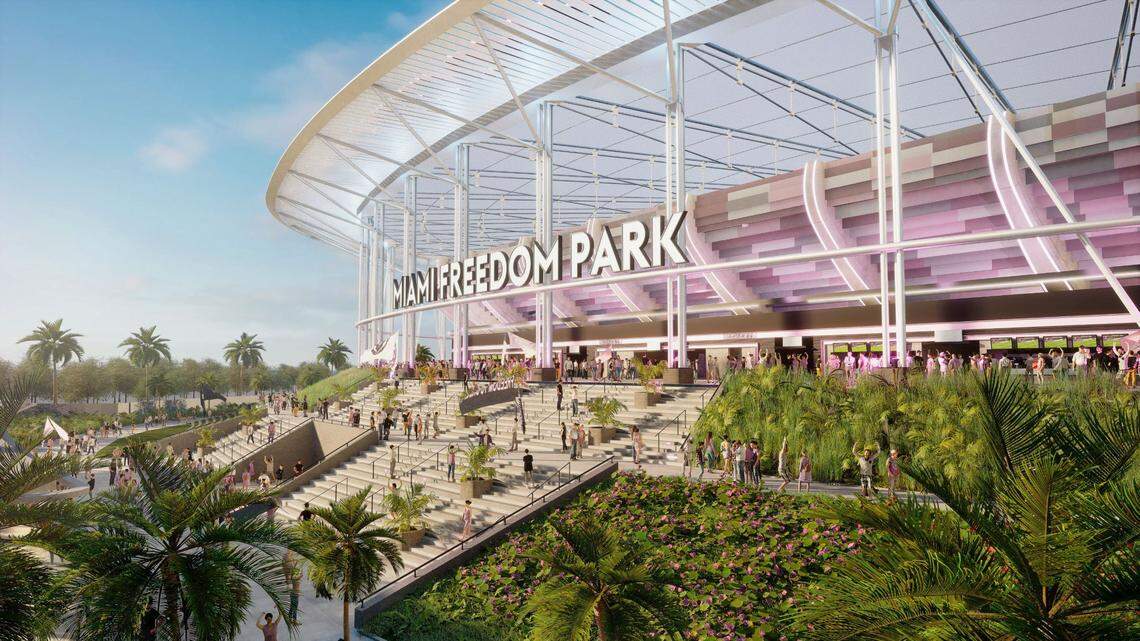
Nearly a decade after he retired and set his sights on launching an MLS team in Miami, Beckham and partners Jorge and Jose Mas have been awarded a 99-year lease to develop the Miami Freedom Park plan, which would transform Melreese golf course into a complex that would include a 40,000-seat stadium, hotel, retail shops, a parking structure with rooftop playing fields and a 58-acre park. The size of the stadium grew after Inter Miami agreed to discuss hosting University of Miami Hurricanes football games with the Coral Gables school.
This vote on the massive real estate deal had been delayed four times over several months. The approval of the lease agreements creates significant momentum for Inter Miami’s owners, who still need commissioners to approve zoning changes before the project can move forward. A zoning vote is expected to take place before the end of the year.
Amid a flood of criticism from skeptics and support from soccer fans, Thursday’s vote came after some compromises were made.
After hours of sometimes tense debate and negotiation with team owners, financial terms changed on the floor as city commissioners proposed amendments to a set of lease agreements between the city and Inter Miami’s owners. The changes include a bump in the overall annual rent floor to $4.3 million from $3.57 million, an increase in rent during the construction period, and a revenue-sharing provision that provides the city 6% of gross revenue instead of 5% if that figure is greater than the rent floor.
Additionally, the city will order two new appraisals and use them to calculate what fair market rent would be on the property. To boost the amount, possibly past $4.3 million, the city and team agreed to use a number that assumes the property is not contaminated — Melreese was built atop a layer of toxic ash from an old municipal incinerator.
Any development on the site would require extensive environmental cleanup, and the Mas brothers have committed to shouldering the cost of the remediation. They can still ask for federal and state aid under environmental programs, but the vast majority of the project is required to be privately financed without taxpayer dollars.
READ TIMELINE: Beckham’s long, winding path seeking to build a soccer stadium in Miami
In 2018, voters authorized city officials to negotiate a no-bid deal with Beckham and his partners, but the final lease agreements required approval from four of five commissioners. Commissioner Manolo Reyes had pledged to vote against Miami Freedom Park since it was conceived in 2018. He was the lone no vote on Thursday.
“I tried,” he quietly said to a reporter in the moments before the vote.
The meeting at Miami City Hall was attended by critics and supporters, including Inter Miami soccer players Victor Ulloa and Damion Lowe in their pink uniform shirts.
“This is a great moment for all of us, and I’m so happy that it’s a great deal for all the Miami citizens,” said Fernando Fiore, a Spanish-language sportscaster and soccer booster in South Florida, who celebrated after the vote by donning an Inter Miami scarf and hollering “Gooooaaaal!”
After the vote, Miami Mayor Francis Suarez thanked the commission, the team and supporters of the deal, which he had championed since its inception. The vote marks a significant legislative win for the mayor’s municipal agenda.
“I have never been prouder to be a Miamian than I am today,” he told reporters.
Jorge Mas beamed with pride outside City Hall during an impromptu press conference where he said he never lost faith that the deal could be sealed.
“No matter how difficult, how long, how frustrating, good days and bad days, I always knew that this would happen,” he said.
The commissioners, several of whom had previously kept their requests for changes close to the vest, spent much of the discussion listing the items they wanted to see in the agreement.
Commission Chairwoman Christine King wanted local preference in hiring to make sure Miamians got jobs at the complex, and she wanted to guarantee a percentage of minority-owned businesses will operate at Freedom Park.
Commissioner Alex Díaz de la Portilla, whose district includes Melreese, wanted to increase the percentage of gross revenue that would go to the city.
Commissioner Ken Russell wanted to ensure that $20 million for parks in the city was going to be distributed fairly across districts, and that a living wage deal for workers at Freedom Park would be bumped up to $18 an hour.
The chief architect of the final deal was Commissioner Joe Carollo who requested a boost in the dollars the city would receive in this deal. In addition to the changes to the minimum rent and negotiating a deal to have Inter Miami commit to funding maintenance of the roadways in Miami Freedom Park, Carollo pushed team owners to increase the rent for the period of time the stadium is under construction.
The construction rent was increased to $650,000 from $500,000 at 18 months after the lease is signed, after which there would be another increase of $100,000 a year for four years and a $1 million penalty in the fifth year if the stadium is not completed. Carollo also pushed for payments to the city to be moved sooner in the lease’s timeline, including two $12.5 million payments that are meant to fund the long-delayed Baywalk-Riverwalk projects and other parks initiatives across the city.
“We squeezed the orange until there was no juice left,” Carollo said.
There was a tense moment when three of the commissioners called for a vote, and Russell interrupted by saying he planned to vote no. He and Díaz de la Portilla started arguing after Russell complained he had not had a chance to outline his unmet demands.
When the conversation grew heated, King called for a 30-minute break. At one point, Suarez pulled Russell into a backroom. By the time commissioners took their seats again, the votes were there to approve the lease.
In the end, the Mas brothers agreed to the changes that made the commissioners comfortable with approving the project.
Suarez said the city is committed to preparing the final contract in time for the delivery of the two new appraisals so the rent figure can be quickly finalized and both parties can sign it quickly. City attorneys and team lawyers are expected to take the verbal assurances made at Thursday’s meeting and put them into legal documents. Any major disagreements could result in the matter returning to the commission.
This story was originally published April 28, 2022 at 8:48 PM with the headline "Miami approves Beckham’s soccer stadium lease in a major victory for Inter Miami."