Hungry for more knowledge? Check out these Black history resources
READ MORE
They choose to see no evil
The push to eliminate critical race theory is only the latest attempt to wipe the tortured and triumphant history of Blacks in America. Academics and historians push back.
Expand All
For anyone who would like to learn more about African-American history, are some resources to help you get started:
Books:
“Been In The Storm So Long,” by Leon F. Litwack, is an eye-opening, myth-busting and Pulitzer Prize-winning chronicle of what the enslaved saw, felt and endured immediately after the Civil War.
“Trouble In Mind,” by Leon F. Litwack, explores the lives of African Americans in the decades after the Civil War amid the rise of Jim Crow and violent pushback from the white South.
“They Came Before Columbus,” by Ivan Van Sertima, documents the presence of Africans in ancient America.
“From Slavery To Freedom,” by John Hope Franklin and Evelyn Higginbotham, is an authoritative text first published in 1947. It is now in its 10th edition.
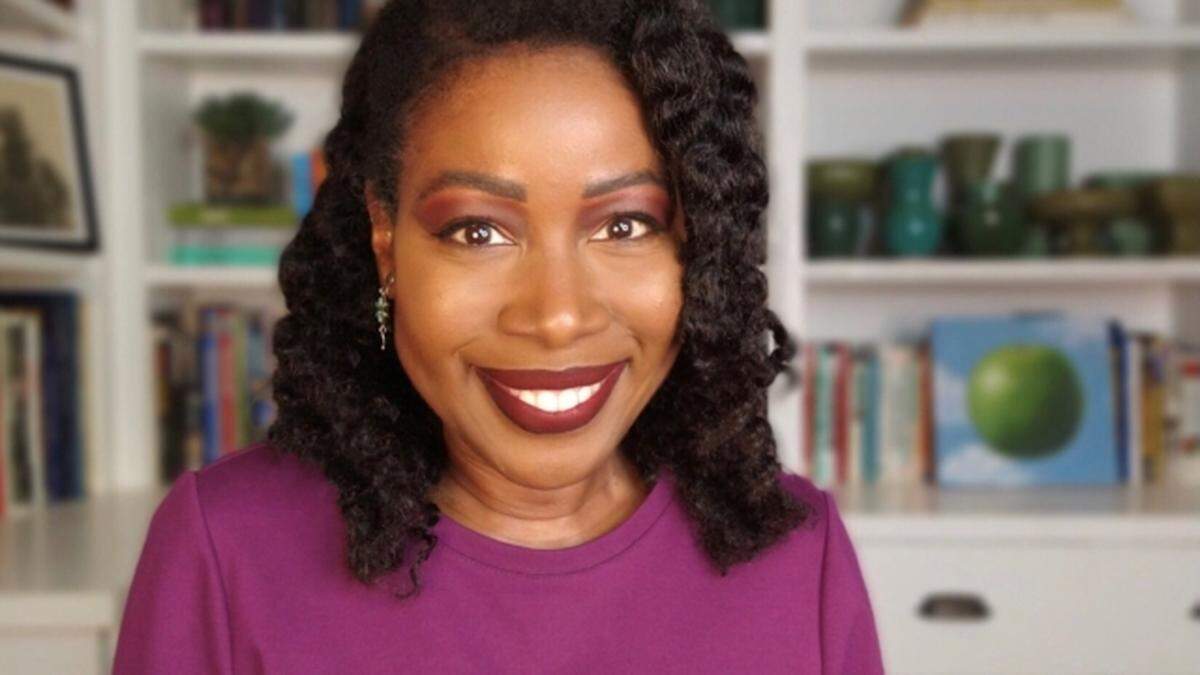
“The Warmth Of Other Suns,” by Isabel Wilkerson, recalls the Great Migration that reshaped America through the stories of individual African Americans who packed up and left the South looking for freedom.
“Going Down Jericho Road,” by Michael K. Honey recreates the fateful Memphis sanitation worker’s strike of 1968, which turned out to be Martin Luther King’s last campaign.
“Reconstruction,” by Eric Foner, is the definitive narrative of white and African-American life in the tangled years after the Civil War when the South tried — and violently rejected — democracy.
“Freedom Riders,” by Raymond Arsenault, tells the story of the 1961 campaign by college students, such as John Lewis and Diane Nash, that riveted the nation and broke the back of segregation in interstate travel.
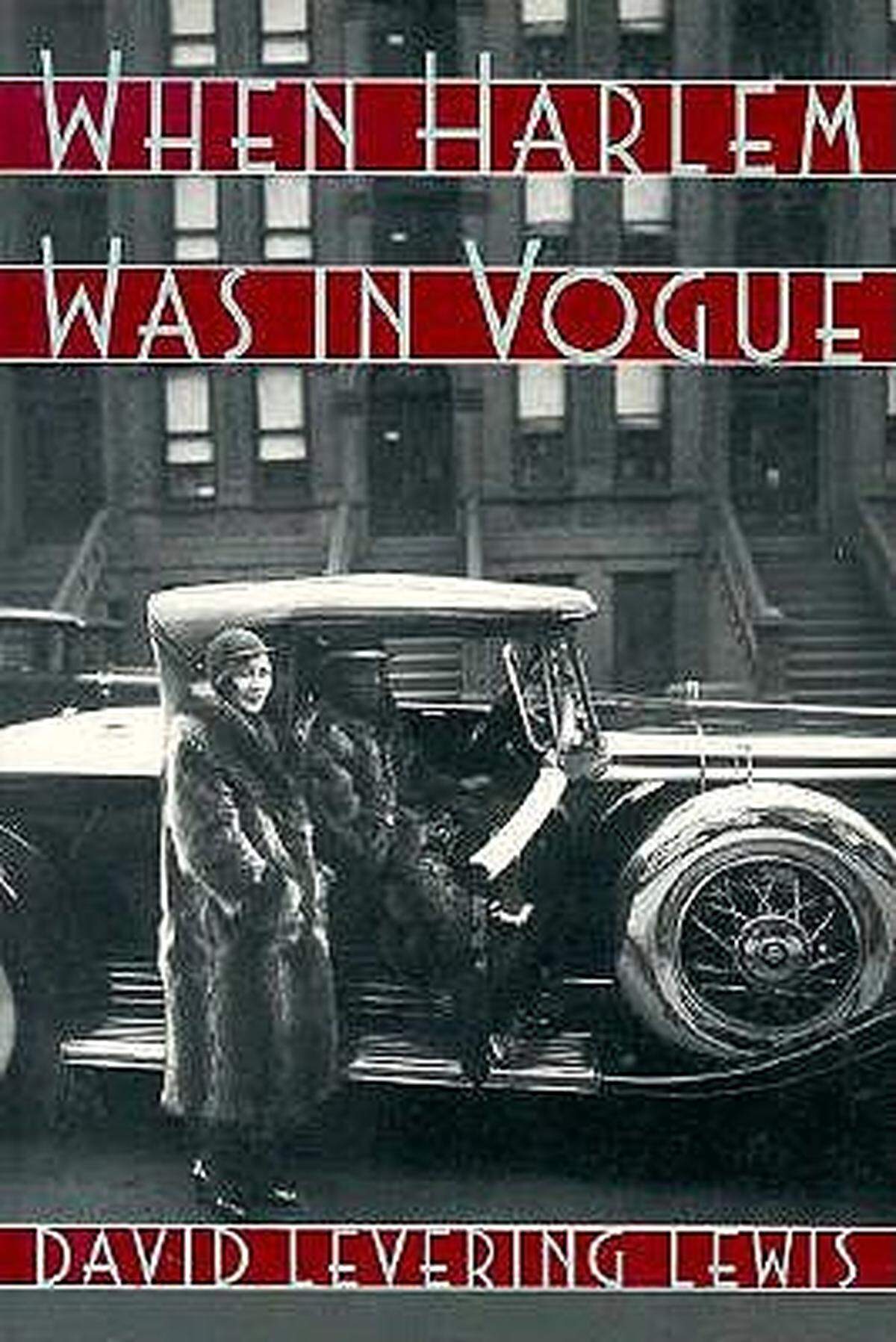
“When Harlem Was In Vogue,” by David Levering Lewis, guides us into the world of the Harlem Renaissance, an era of jazz and gin, poetry and politics, as a new generation of African Americans came of age and proceeded to make its mark.
“The Black Book,” edited by Middleton A. Harris, Ernest Smith and Morris Levitt, is designed less for reading than for browsing. It’s an endlessly fascinating scrapbook of artifacts from the African-American journey.
“The Bloody Shirt,” by Stephen Budiansky, takes a close look at the campaign of terror undertaken by the white South to keep formerly enslaved people “in their “place” after the Civil War.
“Parting The Waters,” “Pillar of Fire” and “At Canaan’s Edge” make up Taylor Branch’s exhaustive and evocative trilogy of Martin Luther King and America in the years when the Civil Rights Movement was on the march.
“From Juba To Jive,” by Clarence Major, is a book of African-American slang. No matter how seddity you you may be, it will teach you to cop the jive in no time flat and yes, we may be crackin’ but we are definitely fackin’.
“The 1619 Project,” by Nikole Hannah-Jones, et al., expands on the Pulitzer Prize-Winning New York Times project that sought nothing less than to write “a new origin story” for America by placing slavery at the center.
“A Time of Terror,” by James Cameron, recounts a 1930 lynching in Marion, Indiana, and the stunning story of how one man managed to survive.
“Without Sanctuary,” by James Allen et al., is a hard-to-see and harder-to-unsee collection of lynching photos of the type once made as souvenirs commemorating the spectacle murders of African Americans.
“Showtime at the Apollo” by Ted Fox is the engrossing biography of a building, the storied Apollo Theater on 125th Street in Harlem, where some of the greatest names in music began their legends.
“Slavery By Another Name” is Douglas A. Blackmon’s astonishing and Pulitzer Prize-winning history of the so-called “convict-leasing system” which essentially reinstituted slavery for African Americans until well into the 20th century.
“The Blood of Emmett Till,” by Timothy B. Tyson, recreates with an novelist’s eye for the telling detail, the 1955 murder of a 14- year-old black boy from Chicago who allegedly wolf-whistled at a white woman in small-town Mississippi.
“Devil In The Grove,” by Gilbert King, is the Pulitzer Prize-winning story of the Groveland Boys, four African-American men falsely accused of rape by a white woman in 1940s Florida.
“Remembering Slavery,” edited by Ira Berlin, et al., and “Remembering Jim Crow,” by William H. Chafe, et al., offer first-person testimony of two events that defined African-American existence. As a bonus, both books include recorded excerpts from the interviews. In the case of “Remembering Slavery,” this constitutes the only audio ever known to be recorded of formerly enslaved persons.
“Nowhere To Run,” by Gerri Hirshey, is less a history of soul music than a memoir, a chance to hang out backstage with icons like Aretha Franklin, who recalls her crush on Sam Cooke; Smokey Robinson, who talks about the time his son schooled the old man on record-release strategies; and James Brown, who tells the story of how he and Elvis ended up in a hotel room singing gospel together.
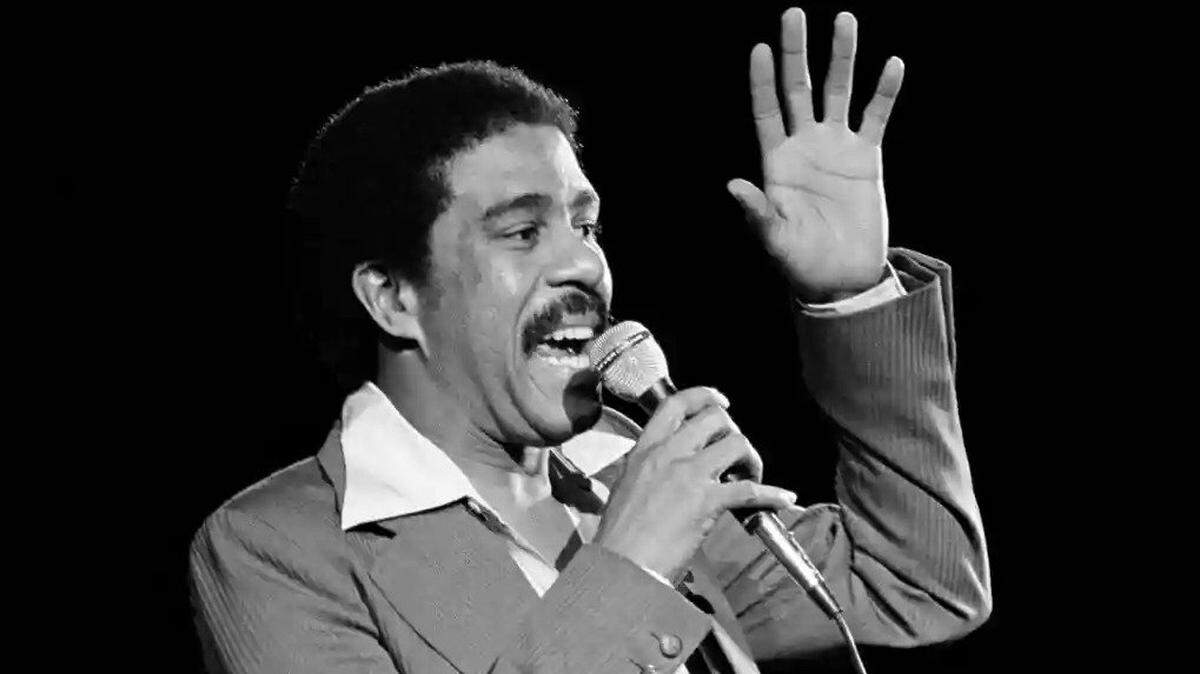
“On The Real Side,” by Mel Watkins, surveys the history of African-American comedy from the era of blackface minstrelsy to the ground-breaking humor of Richard Pryor.
Film and Television:
“Roots,” (1977); “Roots: The Next Generations” (1979); “Roots” (2016) make up the groundbreaking original miniseries, sequel and remake, all of them following the story of writer Alex Haley’s family from before slavery to beyond freedom.
“Women Of The Movement,” (2022), which streams on Hulu, revisits the brutal 1955 lynching of Emmett Till and how it forced his mother to become a reluctant activist.
“12 Years A Slave” (2013), the harrowing and heartbreaking story of a free black man from New York who was kidnapped into slavery, won the Oscar for Best Picture of the Year, while Lupita Nyong’o was honored as Best Supporting Actress.
“Eyes On The Prize” (1987) is a celebrated documentary that uses vintage video and eyewitness accounts to recall the tumultuous events of the Civil Rights era.
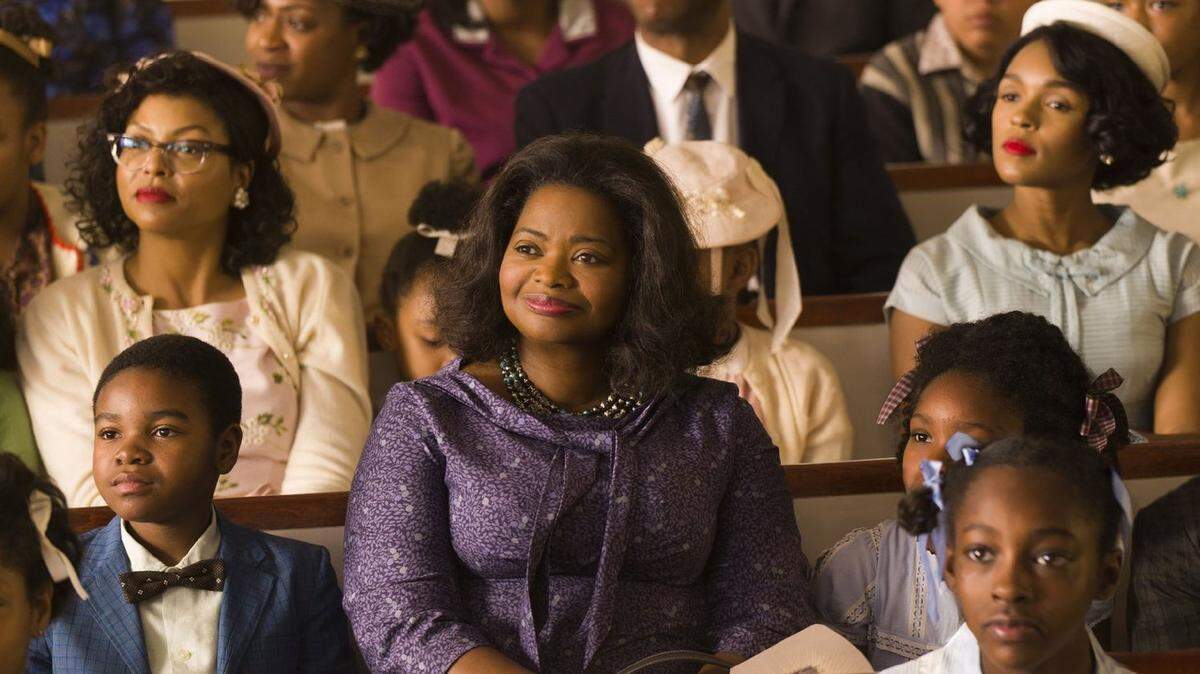
“Hidden Figures” (2016) tells the story of the African-American women whose engineering and mathematical prowess broke barriers and helped land Americans on the moon.
“Unforgivable Blackness” (2005) is filmmaker Ken Burns’ biography of the flamboyant Jack Johnson, the first African-American man to win the heavyweight crown — and the price he paid for the honor.
“Muhammad Ali” (2021) is Ken Burns’ study of the man who proclaimed himself the “Greatest of All Times” and then went out and proved it, becoming a towering figure whose heroism could not be confined to the boxing ring.
“Rosewood” (1997) tells the story of a white mob attack that wiped a thriving African-American town in Florida off the map in 1923.
“4 Little Girls”(1997) is Spike Lee’s haunting, elegiac documentary recounting of one of the grimmest moments of the Civil Rights struggle — the 1963 church bombing that took the lives of four children.
“13th,” (2016) a documentary streaming on Netflix, explores the legal loophole of the Thirteenth Amendment, that abolished slavery “except as a punishment for crime,” which director Ava DuVernay contends feeds into the mass incarceration crisis now hollowing out Black communities.
“When They See Us,” (2019) available on Netflix, takes us back to the 1989 case of the Central Park jogger, a white woman who was raped and assaulted, and five innocent young men — four black, one Hispanic — who were falsely accused and railroaded.
“When The Levees Broke” (2006) a documentary by Spike Lee, recalls the tragedy of Hurricane Katrina, when a monster storm swamped New Orleans and thousands of poor people, many of them Black, were left stranded and alone against an apocalypse.
“Glory” (1989) brings to life the heroism of the 54th Massachusetts, a black Civil War regiment that went down in history for a valiant charge against a Confederate fort at a time when many people didn’t think black men had the courage to fight.
“Selma” (2014) is Ava DuVernay’s retelling of the 1965 campaign in which John Lewis and Martin Luther King Jr. led the fight for voting rights in three historic marches across Alabama’s Edmund Pettus Bridge.
“Amistad” (1997) recalls how a group of captured Africans took over a slave ship and ended up before the Supreme Court arguing for their right to be free.
“Lincoln” (2012) is the mesmerizing tale, directed by Steven Spielberg, of Abraham Lincoln’s arm-twisting, deal-making push for a constitutional amendment to end slavery once and for all.
“Malcolm X” (1992) offers a tour de force performance by Denzel Washington, under the direction of Spike Lee as they chart the fiery black nationalist’s path to immortality.
“Jackie Robinson” (2016) is a documentary that tells the story of what it cost one proud and fiery-tempered young man to become the first African American to play in modern Major League Baseball.
“Judas and the Black Messiah” (2021) features an Academy Award-winning performance by Daniel Kaluuya as Fred Hampton, the chairman of the Illinois Black Panther Party who was betrayed from within and assassinated by Chicago police.
Other resources
BlackPast.org is an online encyclopedia of African-American history;
ZinnProject.org is a repository of self-described “People’s History,” which includes copious entries of interest to those studying the African-American story;
The Equal Justice Initiative maintains a daily calendar — available on Twitter or Facebook — of historic injustices against African Americans.
The Slave Narratives, transcripts of 2,300 interviews conducted with formerly enslaved persons in the 1930s and 500 associated photographs, are available online from the Library of Congress.
The History Makers is a trove of interviews with noteworthy African Americans from sports to media to the military and beyond.
This story was originally published February 2, 2022 at 6:00 AM.