
Florida’s controversial fix to sky-high housing costs might not be so bad — maybe | Opinion

We have for years criticized Florida lawmakers for stripping away authority from cities and counties to regulate what happens in their communities. As the Editorial Board has repeatedly written, these local preemptions infringe on the state’s long and important tradition of home rule.
But is the housing shortage that has helped make Miami-Dade County largely unaffordable a strong enough reason to justify stepping on home rule? Maybe.
We believe that preemptions may be justified if — and that’s still a big if — they make housing cheaper for those who need it the most and don’t simply become giveaways to developers seeking to circumvent local zoning to build higher and bigger.
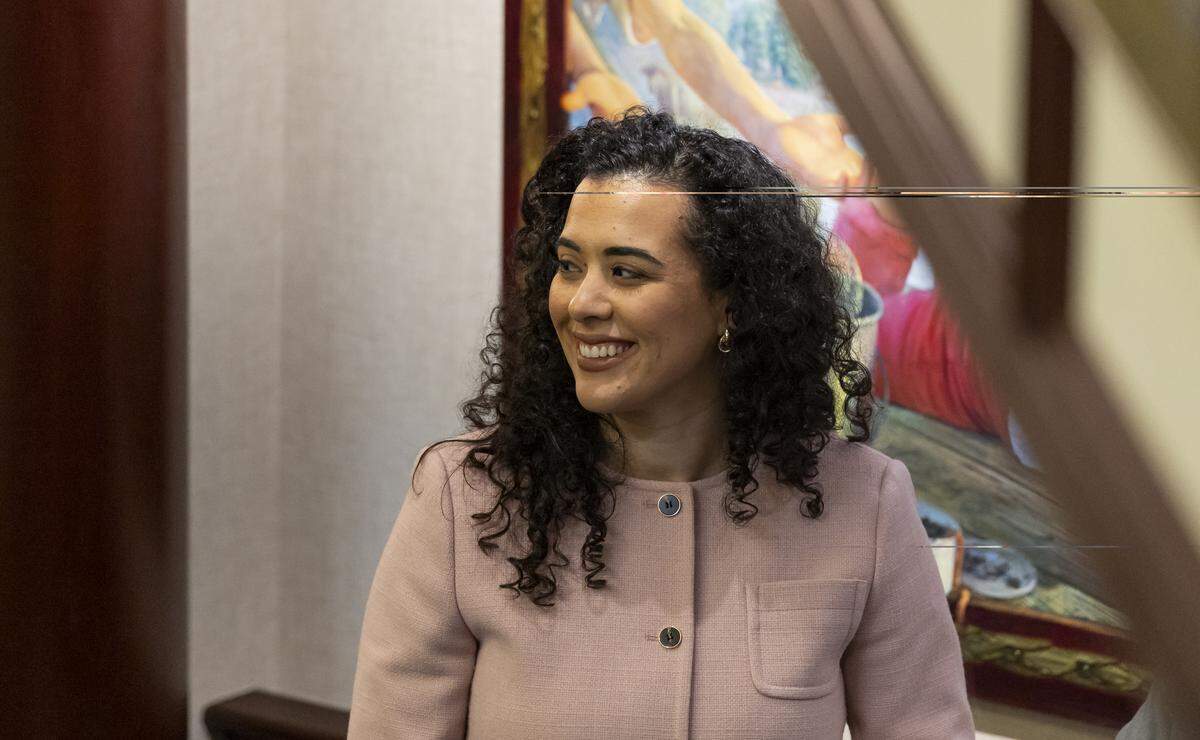
It’s unclear on which side Florida’s comprehensive housing law, the 2023 Live Local Act, will eventually fall. But the Legislature — and its main lawmaker on this topic, Republican Sen. Alexis Calatayud of Miami — deserve credit for trying to address this crisis so aggressively.
“I do think that starting somewhere is better than doing nothing,” Annie Lord, executive director of nonprofit Miami Homes for All, told the Herald Editorial Board. “So we have been supportive of Live Local because we feel that it took huge, huge leaps forward.”
Live Local allows developers to bypass rules on density and height— as well as a vote by local governing bodies — if they meet certain affordability requirements. This year, lawmakers are considering giving developers even more leeway. Opponents at the local level have called the latest legislation “catastrophic,” as the Sun Sentinel reported.
“Catastrophic” may be hyperbole, but lawmakers should remember why they are passing these laws: to make housing more affordable and not just to eliminate local regulations for the sake of construction companies.
On the affordability side, Live Local falls somewhat short. The law’s most important provisions focus on creating new “workforce housing,” defined as rentals for residents earning up to 120% of the Area Median Income — as much as $148,680 per year for a household of four in Miami-Dade. As the Herald Editorial Board previously reported, the most acute need for housing is among those making up to 80% of the AMI — about $99,000 for the same household size in the county.
Calatayud is sponsoring Senate Bill 1548, which would expand Live Local to require the approval of multifamily rentals or mixed-use developments on property owned by a county, municipality or school district if at least 40% of residential units being built qualify as workforce housing. The House version of the bill, HB 1389, also allows workforce housing, regardless of what the current local zoning says, on land larger than three acres owned by a religious institution. Rep. Mike Redondo, a Miami Republican, sponsored the bill.
Housing advocates have for years talked about unused or underused government land as the missing piece to address affordability (think about building apartments at school sites). And the idea of using church land for this purpose has also been floated before. But there are pitfalls.
Earlier this year, the Miami City Commission rejected an ordinance to allow affordable housing on church land because it would have been “disastrous for our churches, particularly our historic churches,” commission chairwoman Christine King said. “They do not have the expertise to negotiate deals such as this.”
Putting churches under pressure to sell to developers is just one of the risks when the state addresses issues with blanket solutions that exclude local considerations.
Beyond Live Local, there’s another bill, SB 948, that could be even more far-reaching. It would limit local restrictions on the types and size of homes built on residential land, allow construction on lots as small as 1,200 square feet with water and sewer connections and restrict density, parking, open space and setback regulations. The goal is to make way for more “starter homes,” such as townhouses and duplexes. The potential consequence is that these new homes could become vacation rentals controlled by corporations instead of housing for the middle and working class.
Bills like SB 948 prove that addressing the housing crisis will be painful. Cities and counties will have to make concessions to allow different types of construction. But too many preemptions on local power will end up with developers, not the people, dictating what our communities look like.
Local control should be the default. In the rare case of an exception, the litmus test should be: Is this helping regular Floridians afford to live in the state? When it comes to Live Local, the jury is still out.
BEHIND THE STORY
MOREWho decides the political endorsements?
In advance of local and state elections, Miami Herald Editorial Board members interview political candidates, as well as advocates and opponents of ballot measures. The Editorial Board is composed of experienced opinion journalists and is independent of the Herald’s newsroom. Members of the Miami Herald Editorial Board are: Amy Driscoll, editorial page editor; and editorial writers Isadora Rangel and Mary Anna Mancuso. Read more by clicking the arrow in the upper right.
What does the endorsement process look like?
The Miami Herald Editorial Board interviews political candidates to better understand their views on public policy and how their policies will affect their constituents. Board members do additional reporting and research to learn as much as possible about the candidates before making an endorsement. The Editorial Board then convenes to discuss the candidates in each race. Board members seek to reach a consensus on the endorsements, but not every decision is unanimous. Candidates who decline to be interviewed will not receive an endorsement.
Is the Editorial Board partisan?
No. In making endorsements, members of the Editorial Board consider which candidates are better prepared to represent their constituents — not whether they agree with our editorial stances or belong to a particular political party. We evaluate candidates’ relevant experience, readiness for office, depth of knowledge of key issues and understanding of public policy. We’re seeking candidates who are thoughtful and who offer more than just party-line talking points.