
Florida — gasp! — legalizes fentanyl test strips in rare bipartisan, common sense move | Opinion
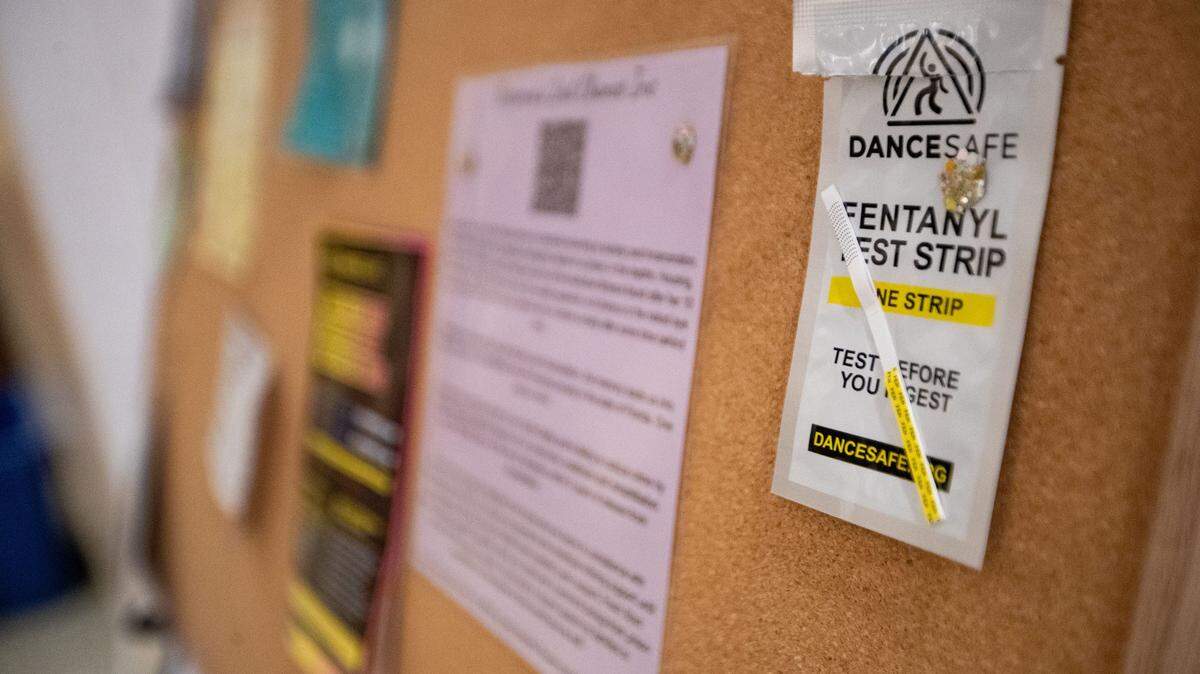
Florida, prepare to be stunned — and in a good way, for once: The state is legalizing fentanyl test strips.
That shouldn’t be shocking news. Common sense on this topic should have prevailed last year, when Florida considered decriminalizing the test strips that can detect the potentially lethal drug. But back then, legislators were too afraid of looking like they were somehow condoning drug use if they allowed people to test illicit drugs for the presence of fentanyl, even though it might have saved lives.
It was a silly argument, a puritanical reflex by some members of the Florida House to punish drug users. It lacked compassion. It was an outdated response going back to the war on drugs of the ‘70s. Thankfully, all of that seems to have evaporated this year. The measure, which was written to be slightly narrower in 2023, passed unanimously through both houses. Florida Gov. Ron DeSantis signed it into law Monday.
It was the right thing to do. For anyone who has lost a loved one to an opioid overdose, it is long overdue.
Florida isn’t exactly going out on a limb with this law. The state will join about three dozen others in legalizing the test strips, which can reduce fatal overdoses, especially when people unknowingly consume illicit or counterfeit drugs laced with the opioid. Fentanyl can be 50 to 100 times more powerful than morphine. Even Texas Gov. Greg Abbott dropped his opposition and supports legalizing the test strips, though his state has yet to do so.
Fentanyl is merciless; one overdose can kill. It can be lethal in tiny amounts and through accidental exposure. It continues to claim lives. We already had Narcan nasal spray, a drug that revives those who are overdosing, in our arsenal against opioid overdoses. Test strips are another tool that we have needed.
Fentanyl has long driven overdose deaths in this country. Florida is no exception. According to documents released last year by the governor’s office as part of a substance-abuse and recovery pilot program, Coordinated Opioid Recovery, there were 8,000 reported overdose deaths in Florida in 2021 and a 790% increase in fentanyl-related deaths since 2015.
The 2023 proposal in the Legislature had bipartisan backing, too. That’s such a rarity in Florida, and in other parts of the country, that it deserves note. Drug use and overdoses don’t fall along party lines. There are lots of other issues like that — property insurance, anyone? — in which lawmakers would be much more responsible if they could find common ground to work together. If only they could see beyond the rancor more often to do that.
The Legislature and the governor saw the light this time. Fentanyl test strips will be legal in Florida starting on Saturday. In this one small instance, compassion and common sense, so unusual in Florida today, have made a welcome, if momentary, return.
BEHIND THE STORY
MOREWhat's an editorial?
Editorials are opinion pieces that reflect the views of the Miami Herald Editorial Board, a group of opinion journalists that operates separately from the Miami Herald newsroom. Miami Herald Editorial Board members are: opinion editor Amy Driscoll and editorial writers Isadora Rangel and Mary Anna Mancuso. Read more by clicking the arrow in the upper right.
What's the difference between an op-ed and a column?
How does the Miami Herald Editorial Board decide what to write about?
The Editorial Board, made up of experienced opinion journalists, primarily addresses local and state issues that affect South Florida residents. Each board member has an area of focus, such as education, COVID or local government policy. Board members meet daily and bring up an array of topics for discussion. Once a topic is fully discussed, board members will further report the issue, interviewing stakeholders and others involved and affected, so that the board can present the most informed opinion possible. We strive to provide our community with thought leadership that advocates for policies and priorities that strengthen our communities. Our editorials promote social justice, fairness in economic, educational and social opportunities and an end to systemic racism and inequality. The Editorial Board is separate from the reporters and editors of the Miami Herald newsroom.
How can I contribute to the Miami Herald Opinion section?
The Editorial Board accepts op-ed submissions of 650-700 words from community members who want to argue a specific viewpoint or idea that is relevant to our area. You can email an op-ed submission to oped@miamiherald.com. We also accept 150-word letters to the editor from readers who want to offer their points of view on current issues. For more information on how to submit a letter, go here.