He’s in, but Florida, state of extremism, pays the price for DeSantis’ 2024 run | Opinion
READ MORE
Florida Gov. Ron DeSantis launches presidential campaign
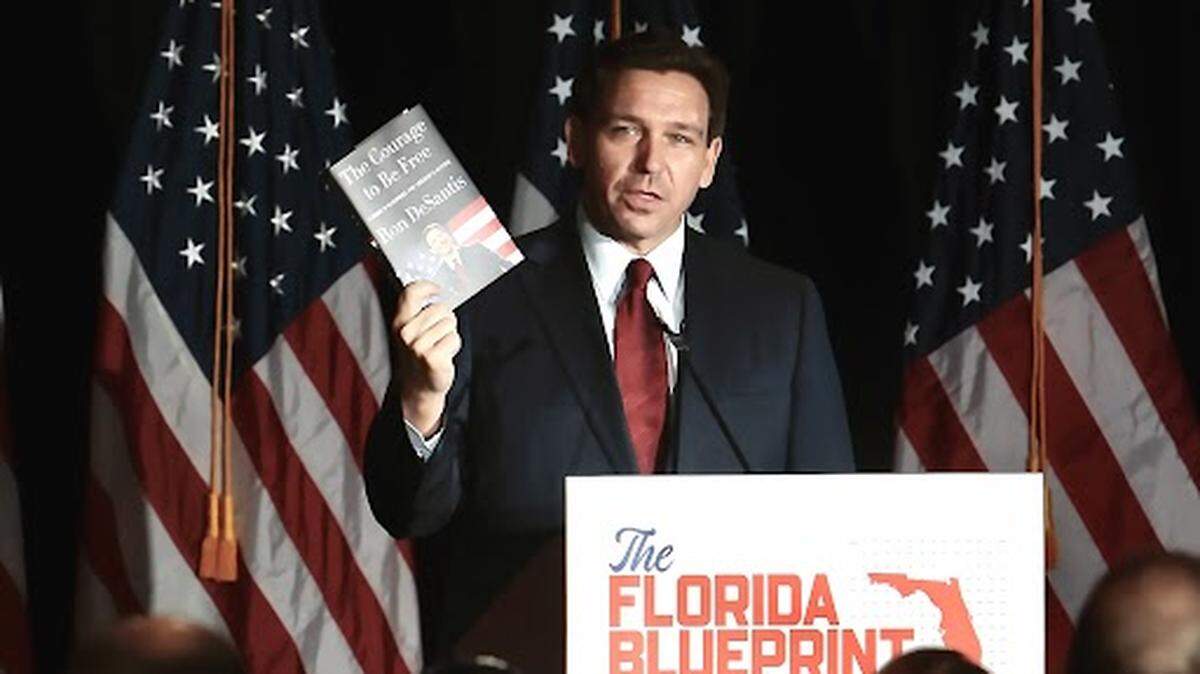
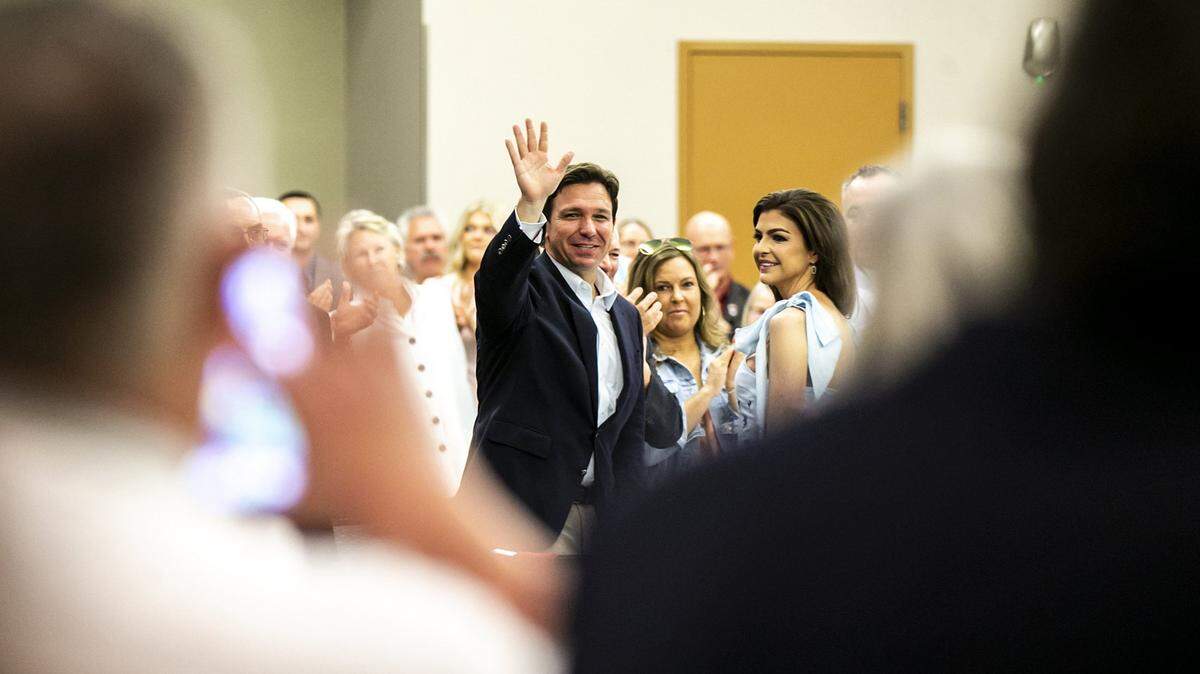
Ron DeSantis filed paperwork Wednesday to run for president in 2024, making a long-awaited entrance to the race.
Expand All
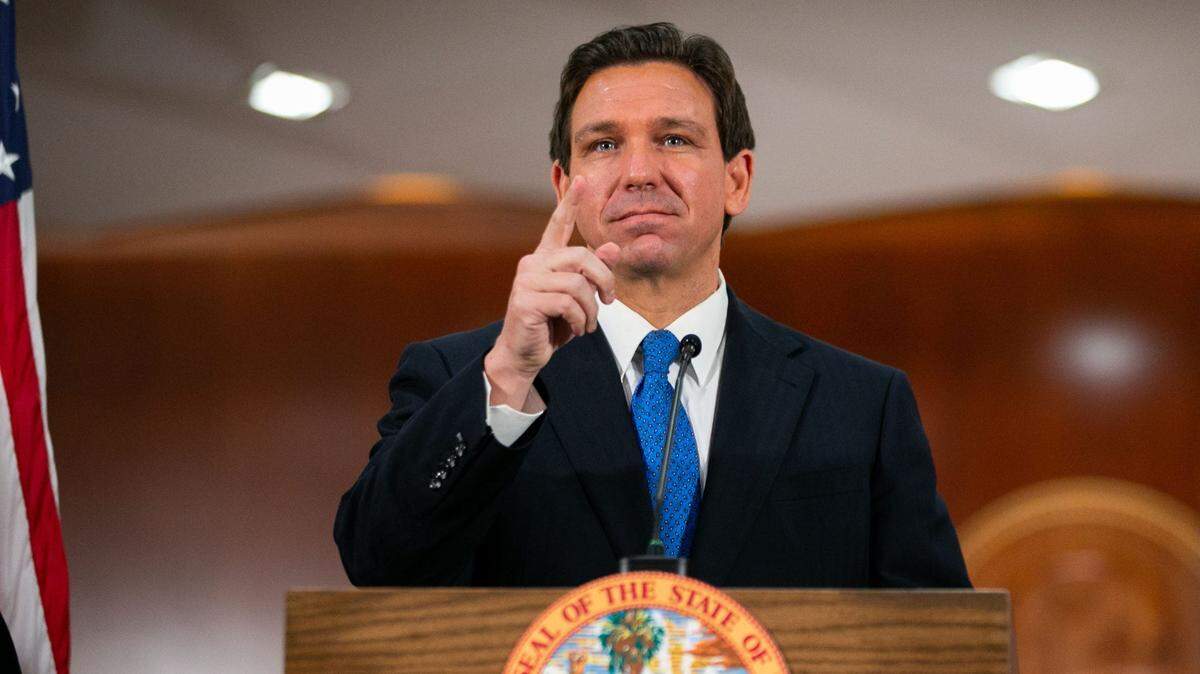
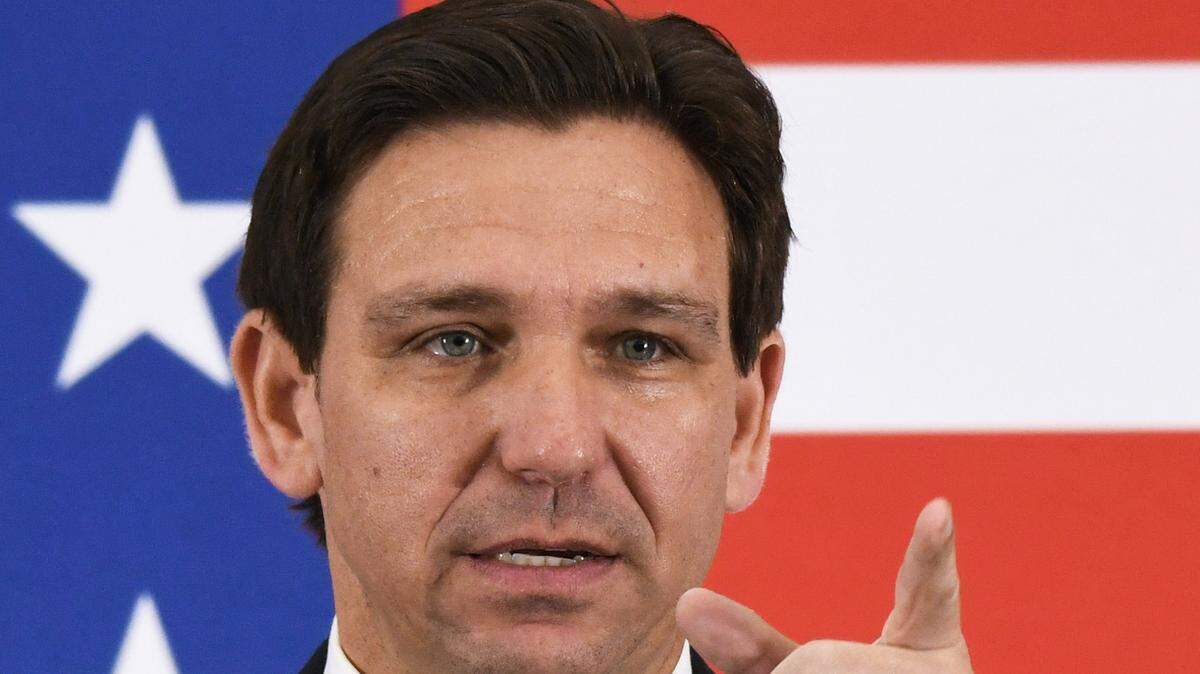
We’ve known Gov. Ron DeSantis has been running — hard — for the White House for months, campaigning in all but name from Ohio and Michigan to Israel and Japan.
But Wednesday, he made it official. Now the fight between Florida’s two political headliners, DeSantis and former President Donald Trump, gets real.
Expect a vicious brawl as DeSantis goes after the man who once was his benefactor, but who now insults him with juvenile names, like “DeSanctimonius.” In 2018, Trump put his imprimatur on a fairly anonymous Florida congressman, and DeSantis, the culture warrior, was born. Now, the governor will have to outpunch his mentor, a man who goes low with glee, while still trying to come across as presidential — MAGA without the mess.
DeSantis became a national political figure by burdening Florida with divisive culture wars, Christian nationalist fervor — and a defiant COVID stance that appealed to anyone who didn’t trust the government to tell them what to do. He emboldened Republican legislators to show how mean and vindictive they could get, and they didn’t disappoint — not the governor, at least — writing prejudice and divisiveness into law.
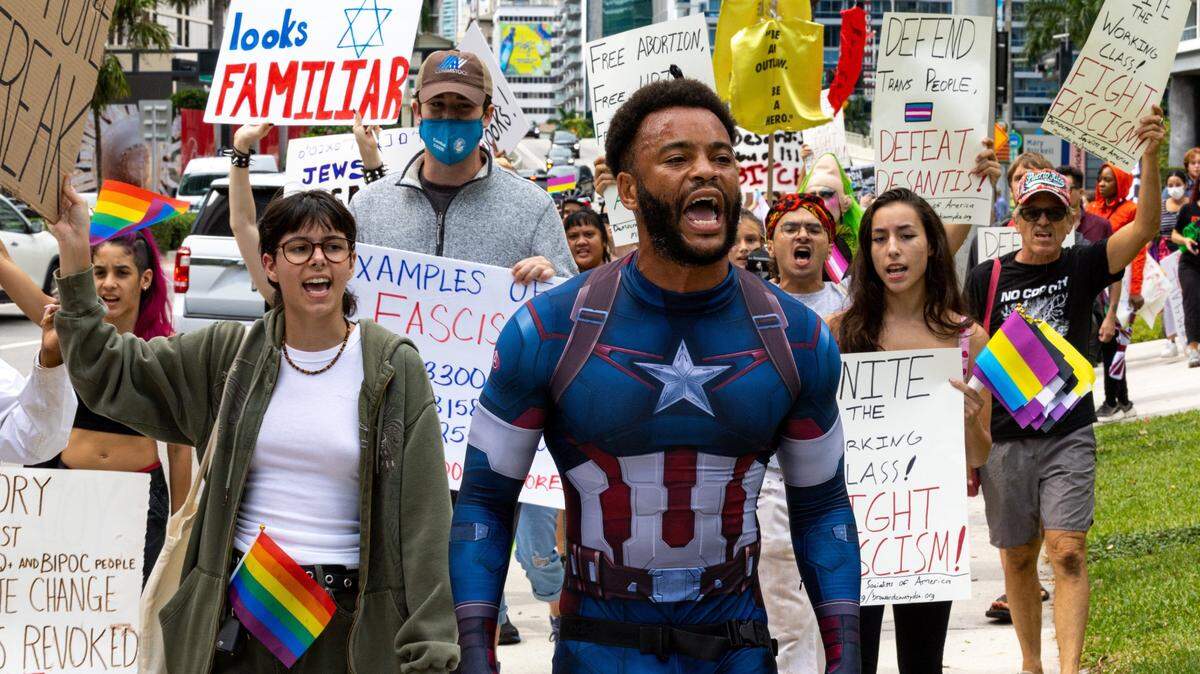
There’s no enemy too big or too small for DeSantis — giant Disney or vulnerable transgender kids, teachers, librarians or diversity programs. There’s no law too extreme for his liking, not even a six-week ban on abortion that is a de facto outright ban given most women don’t even know they are pregnant at that point. There are no targets he won’t go after: high school kids wearing masks at one of his events, drag queen shows, Bud Light’s ad campaign featuring a trans woman — all are fair game.
As DeSantis ascends, Florida is descending into a cycle of culture wars and anger politics. This is the price of our governor’s ambition. It’s tiring, and dangerous.
But will the tactics that have served DeSantis so well in Florida fall flat in the rest of the country, as some critics wonder?
It’s clear that DeSantis’ well-rehearsed line about “the war on woke” has resonated with many in this state and beyond. It’s how he turned Florida — where he single-handedly eliminated two Black-majority congressional districts — from a purple swing state to a red, GOP stronghold.
But it could land with a thud in other, more sensible places, where citizens might not even know what “woke” means or understand what all the fuss is about.
A diminished star?
Major media outlets have spun a narrative that DeSantis’ star is fading as his polling numbers drop. And other Republicans, perhaps sensing the governor’s perceived weakness, still are considering jumping into the race.
But don’t write him off — far from it. If Trump’s 2016 victory taught us anything, it’s that polls, especially those taken so early, are snapshots of the electorate, not prophecies. DeSantis has defied conventional wisdom before by refusing to appeal to the political middle. Instead, he moved hard to the right and won reelection as governor by a landslide.
He must still contend with his “likability” problem. A late April meeting in London with business leaders, as he attempted to shore up his lack of foreign-policy experience, was characterized in Politico as “horrendous,” with the governor looking bored. But whether he manages to pull off a personality transplant or not, politically, he’s likely to stick to his guns in the GOP primary and not shy away from the combative hard-right stances that got him national attention. If it works, America is about to embark on a frightening journey that Florida knows all too well.
The presidency would present challenges from which DeSantis has been spared in the Sunshine State. He wouldn’t have the same lock on the political process that he has enjoyed as governor in Florida, where the Republican-controlled Legislature handed him almost anything he asked for.
Reminder: Congress, depending on its makeup, has thwarted many a president’s plans.
DeSantis’ extremist policies
With DeSantis at the helm, Florida has become a laboratory for how far the far right can go, especially on abortion, and that has made some donors and fellow Republicans uncomfortable. The state has intruded into local governments’ business like never before. DeSantis has reached down into local school board elections, including Miami-Dade County’s, to push a partisan agenda of doing away with “woke.”
This year alone, DeSantis lowered the standard for juries to impose the death penalty, secured Florida taxpayers’ dollars to fly immigrants from one state to another — not necessarily his own — and needlessly got into a battle with Disney over free speech, a high-stakes fight that is headed to court.
Carry a gun without a permit or training? Sure. Allow a “universal” school-voucher scheme, in which parents, no matter how affluent, can use public money to give their children private or home schooling? Of course. Under DeSantis, there are new restrictions on some unions, a ban on children attending adult-themed drag shows and a just-for-Ron measure invalidating Florida’s resign-to-run law to let the governor run for president without having to step down from his current office.
With DeSantis leading the way, the state has championed the idea of parental rights in schools — but only for some parents, those offended by certain books on race or sex education or discussion of gender. The state Board of Education expanded to all grades the “Don’t say gay” law banning discussion of sexual orientation and gender identity. DeSantis has weaponized the use of pronouns in schools if they don’t “correspond” to the person’s gender at birth.
DeSantis won office in large part because to Trump’s endorsement. He quickly found his political feet with his fight to reopen Florida and schools and to stop masking children in the classroom during the COVID-19 pandemic. But that was 2020, eons ago in political terms.
Now DeSantis enters the battle with Trump for the Republican Party’s nomination.
A man who encouraged the overthrow of the U.S. government and was found liable for sexual assault and defamation in May? Or one who has pushed through an extreme and hateful agenda like no governor of Florida in recent history?
What a choice.
BEHIND THE STORY
MOREWhat's an editorial?
Editorials are opinion pieces that reflect the views of the Miami Herald Editorial Board, a group of opinion journalists that operates separately from the Miami Herald newsroom. Miami Herald Editorial Board members are: opinion editor Amy Driscoll and editorial writers Isadora Rangel and Mary Anna Mancuso. Read more by clicking the arrow in the upper right.
What's the difference between an op-ed and a column?
How does the Miami Herald Editorial Board decide what to write about?
The Editorial Board, made up of experienced opinion journalists, primarily addresses local and state issues that affect South Florida residents. Each board member has an area of focus, such as education, COVID or local government policy. Board members meet daily and bring up an array of topics for discussion. Once a topic is fully discussed, board members will further report the issue, interviewing stakeholders and others involved and affected, so that the board can present the most informed opinion possible. We strive to provide our community with thought leadership that advocates for policies and priorities that strengthen our communities. Our editorials promote social justice, fairness in economic, educational and social opportunities and an end to systemic racism and inequality. The Editorial Board is separate from the reporters and editors of the Miami Herald newsroom.
How can I contribute to the Miami Herald Opinion section?
The Editorial Board accepts op-ed submissions of 650-700 words from community members who want to argue a specific viewpoint or idea that is relevant to our area. You can email an op-ed submission to oped@miamiherald.com. We also accept 150-word letters to the editor from readers who want to offer their points of view on current issues. For more information on how to submit a letter, go here.
This story was originally published May 24, 2023 at 2:47 PM.