
As Americans are shot in routine encounters, Florida makes it easier for us to get guns | Opinion
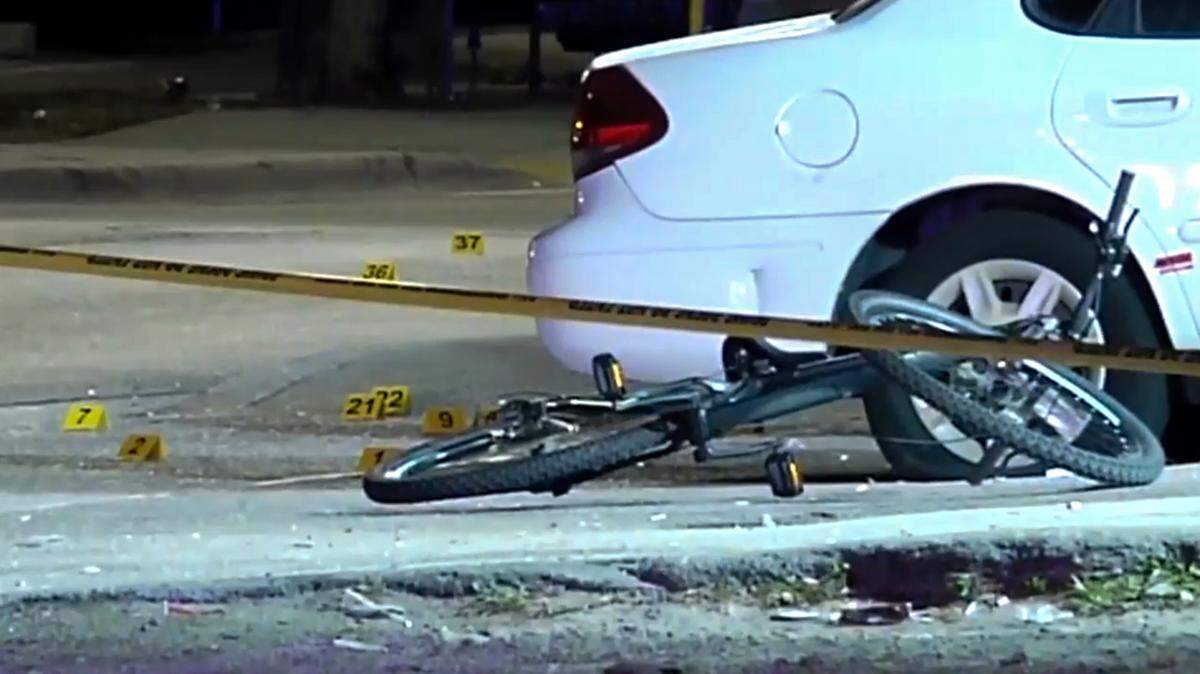
Americans have grown used — or, to be more precise, numb — to mass shootings at schools, grocery stores, concerts, nightclubs and places of worship. But a new form of insidious gun violence has come to the forefront in recent weeks after the shooting of a teenager in Missouri, shot twice after showing up at the wrong address to pick up his siblings.
In a country where guns are readily available and people have been emboldened to shoot first and ask questions later, a simple misstep can cost your life. Casual encounters between people or mundane disagreements can end with shots fired. The latest example happened in Cleveland, Texas, last week, when a man killed five people after being asked to stop shooting his rifle in his yard. An 8-year-old was among the victims.
Driving into the wrong driveway cost a 20-year-old woman in New York her life. Two Texas cheerleaders were shot after opening the wrong car door by accident. In North Carolina, a family came under fire after children tried to retrieve a basketball that had rolled into someone’s yard. In Broward County, a homeowner opened fire on an Instacart driver trying to deliver groceries to the wrong address. Davie Police did not file charges, and a state attorney’s office probe into the incident was still under way last week, the Herald reported.
Unfortunately, we have also grown numb to Republican lawmakers’ denial about the connection between access to guns and gun violence.
In Florida, they recently voted to allow people to carry a concealed weapon without a permit or training. That likely means more guns on the streets, more chances for people in the heat of the moment to solve confrontations through deadly force. In South Florida, we’re used to the occasional report of road rage, such as the one in Fort Lauderdale that killed a 23-year-old teacher in November. People here have been shot during altercations over dog poop and parking at a car wash. What could go wrong? A lot.
The Florida House on Friday approved a bill to lower the minimum age to buy a rifle or “long” weapon from 21 to 18 years. House Bill 1543 would undo a key gun-control measure lawmakers painstakingly passed after the Parkland school shooting in 2018. Back then, they increased the minimum age from 18 to 21. This was by no means a perfect solution to prevent mass killings, but it was palatable to the Republicans who controlled the Legislature at the time, addressing the fact the Parkland gunman was 19 at the time of the shooting, in which 17 people were killed and another 17 wounded.
If HB 1543 becomes law, Floridians under 21 will be able to purchase an AR-15-style rifle — the preferred weapon of many school shooters — but, ironically, not a hand gun in most cases. Federal law sets a minimum age of 21 for purchases of the latter from a licensed dealer, though not from private sellers.
Fortunately, the bill doesn’t appear to have support in the Florida Senate, where a companion bill was never filed. Senate President Kathleen Passidomo said in March she doesn’t support the proposal — though we’re in the last week of the legislative session and anything could happen. Regardless, HB 1543 shows the tone deafness of lawmakers who, faced with shooting after shooting, continue to press on, hiding under the cover of gun rights in spite of the majority of Florida voters who support some form of gun control, as seen in a poll last year by the University of South Florida and Florida International University.
As mass casualties increase in the United States, so does the Republican narrative that only a good guy with a gun can stop a bad guy with gun. Meanwhile, they — with the help of Fox News and others — amp up fear about urban crime, creating hysteria that America’s cities and suburbs are crime-ridden places, and that Democrats and Black Lives Matter are to blame.
How does their narrative of paranoia and more guns end?
BEHIND THE STORY
MOREWhat's an editorial?
Editorials are opinion pieces that reflect the views of the Miami Herald Editorial Board, a group of opinion journalists that operates separately from the Miami Herald newsroom. Miami Herald Editorial Board members are: opinion editor Amy Driscoll and editorial writers Isadora Rangel and Mary Anna Mancuso. Read more by clicking the arrow in the upper right.
What's the difference between an op-ed and a column?
How does the Miami Herald Editorial Board decide what to write about?
The Editorial Board, made up of experienced opinion journalists, primarily addresses local and state issues that affect South Florida residents. Each board member has an area of focus, such as education, COVID or local government policy. Board members meet daily and bring up an array of topics for discussion. Once a topic is fully discussed, board members will further report the issue, interviewing stakeholders and others involved and affected, so that the board can present the most informed opinion possible. We strive to provide our community with thought leadership that advocates for policies and priorities that strengthen our communities. Our editorials promote social justice, fairness in economic, educational and social opportunities and an end to systemic racism and inequality. The Editorial Board is separate from the reporters and editors of the Miami Herald newsroom.
How can I contribute to the Miami Herald Opinion section?
The Editorial Board accepts op-ed submissions of 650-700 words from community members who want to argue a specific viewpoint or idea that is relevant to our area. You can email an op-ed submission to oped@miamiherald.com. We also accept 150-word letters to the editor from readers who want to offer their points of view on current issues. For more information on how to submit a letter, go here.
This story was originally published May 2, 2023 at 4:00 AM.