Jurors showed Nikolas Cruz a compassion he didn’t have for his 17 Parkland victims | Editorial
READ MORE
Parkland verdict: No death penalty for Nikolas Cruz
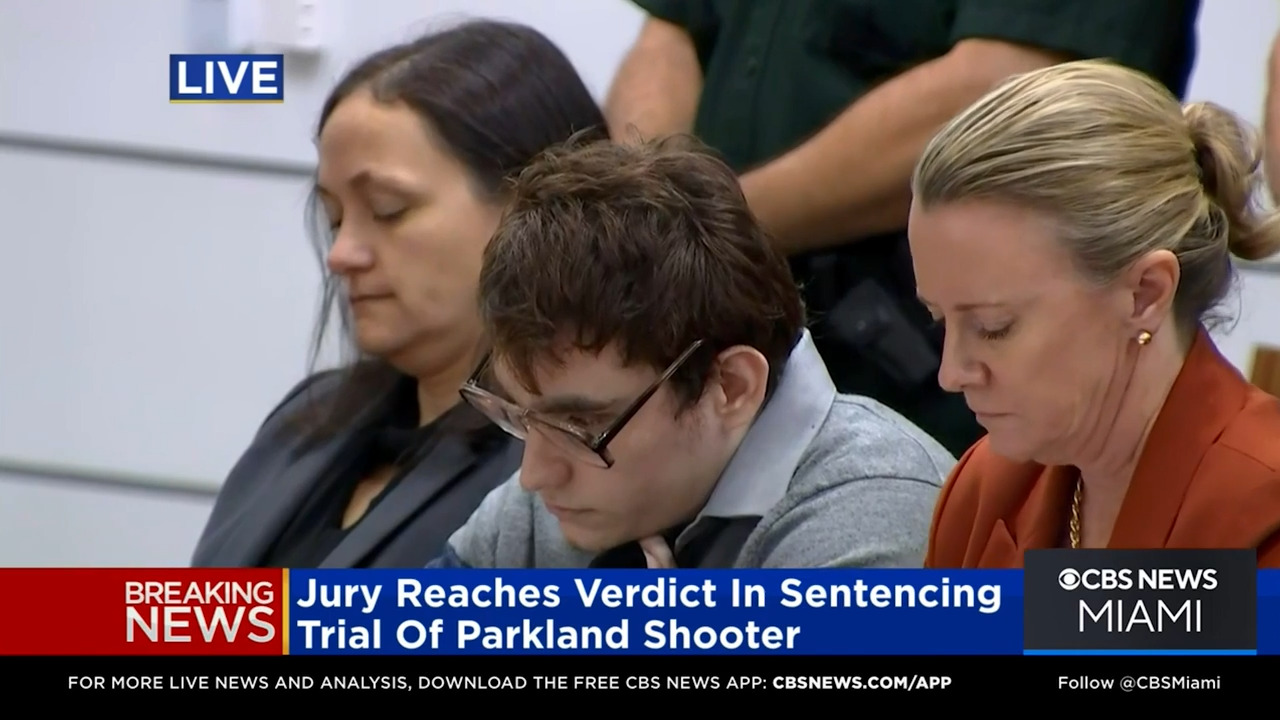
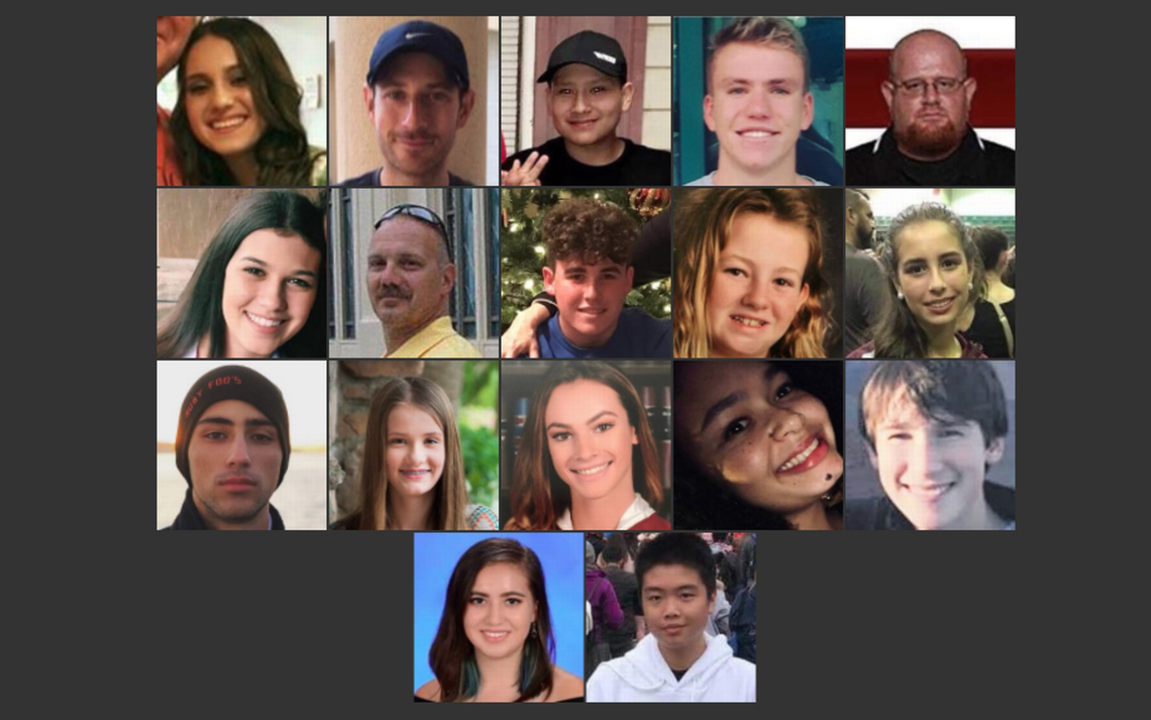
A Broward County jury rejected a death sentence for Parkland shooter Nikolas Cruz for the 2018 shooting that killed 17 people at Marjory Stoneman Douglas High.
Expand All
Thursday’s life-in-prison verdict in Nikolas Cruz’s sentencing trial was stunning, a gut punch to some of the families of the victims of the Parkland shooting. It blindsided a community forced to relive the horrors of Valentine’s Day 2018 in its minutiae during the trial.
The visceral reaction in the Broward County courtroom was palpable. Understandably, many parents have said justice was not served. That Cruz got the best outcome.
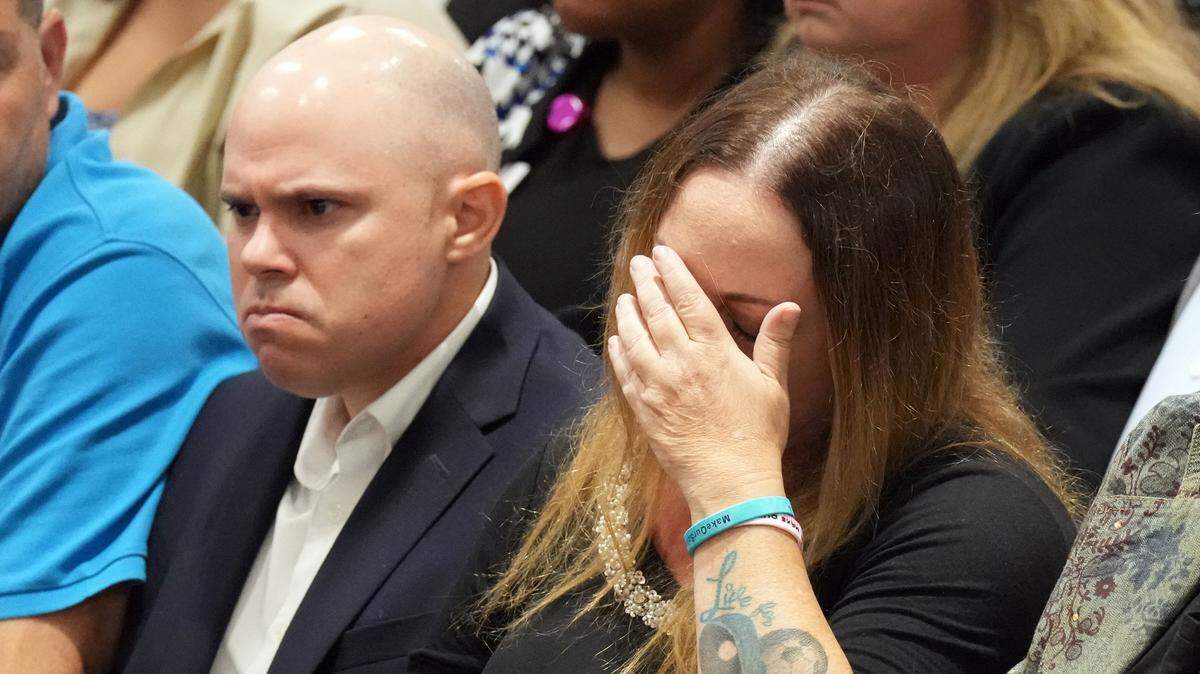
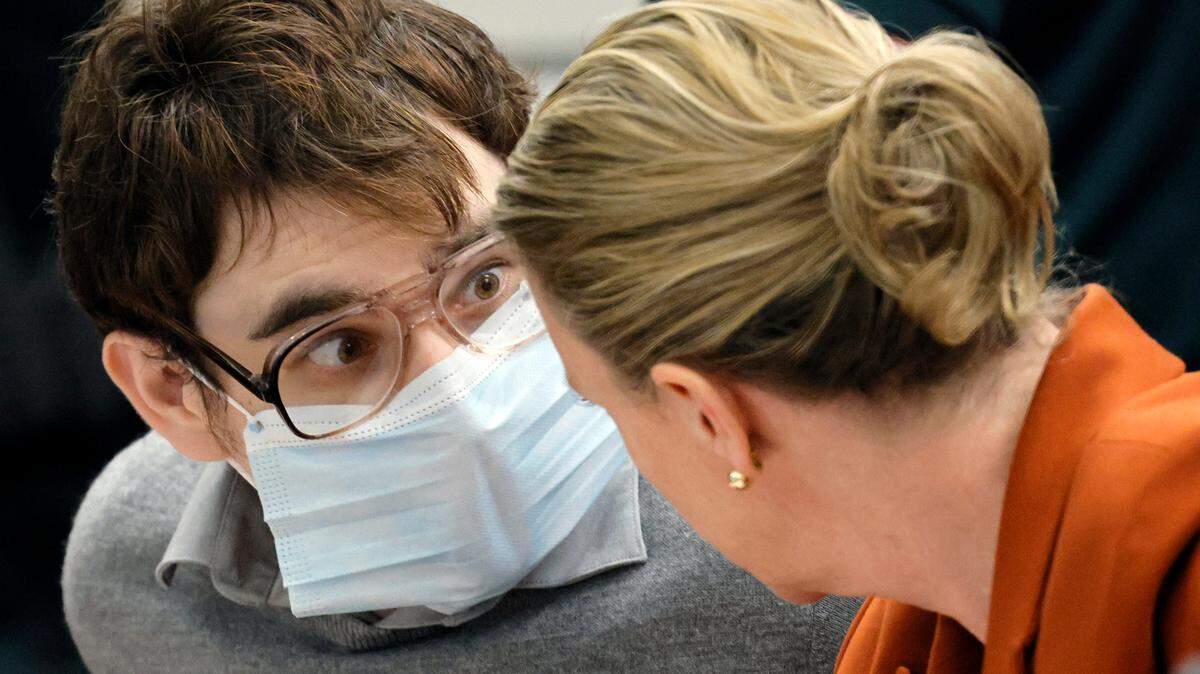
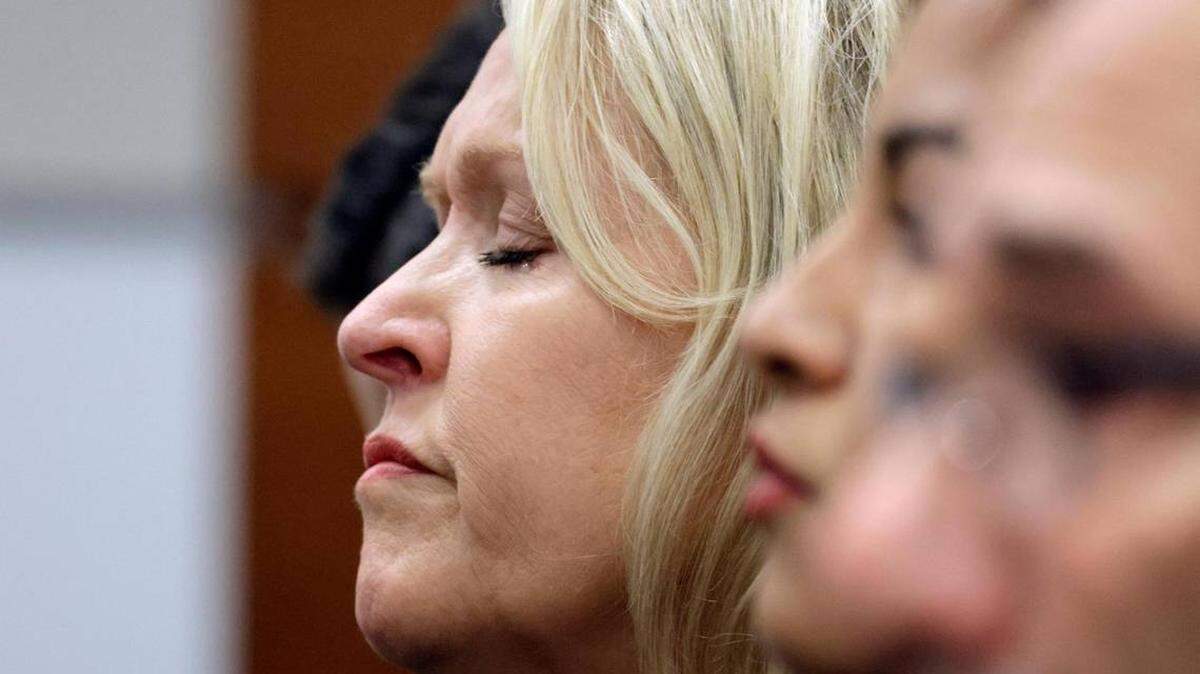
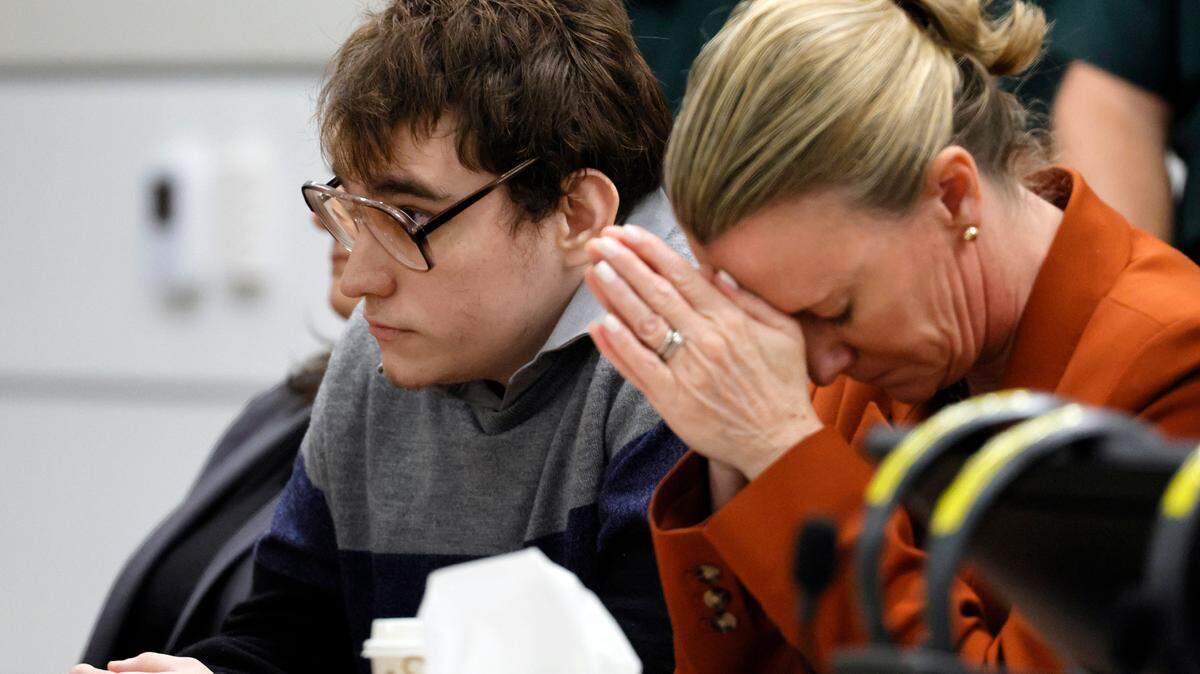
If there was ever the possibility that the families could ever “move on,” the jury’s conclusion that Cruz should be spared the most serious sentence for his crimes, the death penalty, likely sends them back to square one. As the verdict giving him life in prison without parole was read, parents shook their head in anger. A mother, in disbelief, buried her face in her hands. The son of another victim was escorted out of the courtroom.
“I am so beyond disappointed and frustrated by this outcome,” Lori Alhadeff, whose daughter Alyssa was killed that day, told reporters.
‘Closure’ never possible
No positive resolution was ever possible. Cruz’s death would not end the families’ grieving. “Closure” — the word that gets thrown around with little thought in the aftermath of unimaginable cruelty and tragedy — is probably not even within the realm of possibility. Parents will never see their children grow up; families will forever deal with the emptiness left by the violent death of a loved one.
Yet news that jurors opted to give Cruz life in prison left many in the public confused and confounded, especially on social media. There are plenty of reasons — moral and practical — to be against capital punishment. It’s virtually impossible to determine with certainty that every person sentenced to death is indeed guilty. But the death penalty is the law in Florida. Cruz did plead guilty to the mass killing at Marjory Stoneman Douglas High School.
It seemed clear that he was callous and showed little to no regret, though he did tell a courtroom last year that, “I am very sorry for what I did.” Chilling cellphone videos he made before the shooting, in which he discussed his desire to kill at least 20 people, showed his premeditation and disregard for human life.
‘Cold, calculated’
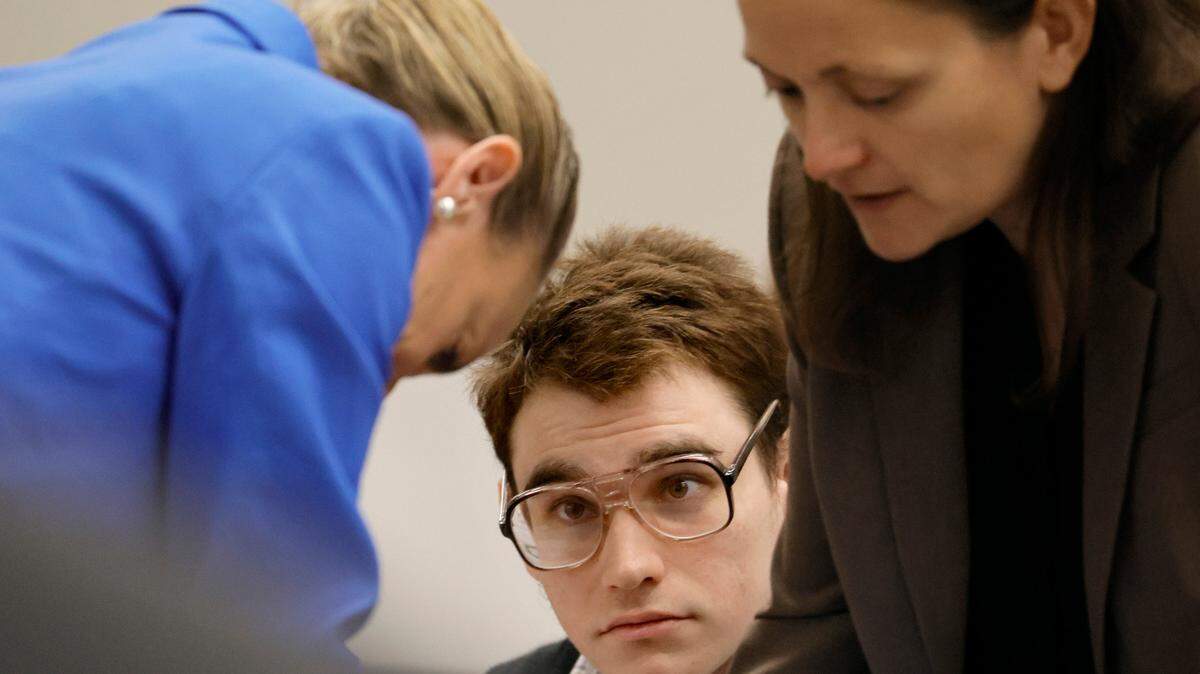
His sentencing trial was the only opportunity to hear the case against him and to seek some form of justice through the court system. Thursday was the first time Cruz faced judgment by a jury of his peers.
The jury agreed that Cruz acted in a “cold, calculated and premeditated matter without any pretense of moral or legal justification.” However, at least one juror showed compassion for Cruz. Florida requires a unanimous decision by a jury in death-penalty cases. Cruz’s defense argued his birth mother drank heavily during pregnancy and that he suffers from fetal alcohol spectrum disorder, causing him to act erratically and violently.
The judge is scheduled to deliver Cruz’s formal sentence on Nov. 1. The victims and families have the right to speak at that hearing, giving their input on what penalty they thought was appropriate. This might their last chance to speak in court before the world “moves on” from this trial, which it will.
They, however, will probably never have such fortune.
BEHIND THE STORY
MOREWhat's an editorial?
Editorials are opinion pieces that reflect the views of the Miami Herald Editorial Board, a group of opinion journalists that operates separately from the Miami Herald newsroom. Miami Herald Editorial Board members are: opinion editor Amy Driscoll and editorial writers Isadora Rangel and Mary Anna Mancuso. Read more by clicking the arrow in the upper right.
What's the difference between an op-ed and a column?
How does the Miami Herald Editorial Board decide what to write about?
The Editorial Board, made up of experienced opinion journalists, primarily addresses local and state issues that affect South Florida residents. Each board member has an area of focus, such as education, COVID or local government policy. Board members meet daily and bring up an array of topics for discussion. Once a topic is fully discussed, board members will further report the issue, interviewing stakeholders and others involved and affected, so that the board can present the most informed opinion possible. We strive to provide our community with thought leadership that advocates for policies and priorities that strengthen our communities. Our editorials promote social justice, fairness in economic, educational and social opportunities and an end to systemic racism and inequality. The Editorial Board is separate from the reporters and editors of the Miami Herald newsroom.
How can I contribute to the Miami Herald Opinion section?
The Editorial Board accepts op-ed submissions of 650-700 words from community members who want to argue a specific viewpoint or idea that is relevant to our area. You can email an op-ed submission to oped@miamiherald.com. We also accept 150-word letters to the editor from readers who want to offer their points of view on current issues. For more information on how to submit a letter, go here.
This story was originally published October 13, 2022 at 2:30 PM.
.JPG)