
Miami right to reject a 20-foot flood wall. But we still have to combat climate change | Editorial
Miami-Dade County’s hard “No” on the federal government’s proposal to build a 20-foot-tall coastal wall to combat flooding has paid off. The feds have agreed to re-examine that part of the Back Bay Coastal Storm Risk Management Study, and without any cost to the county.
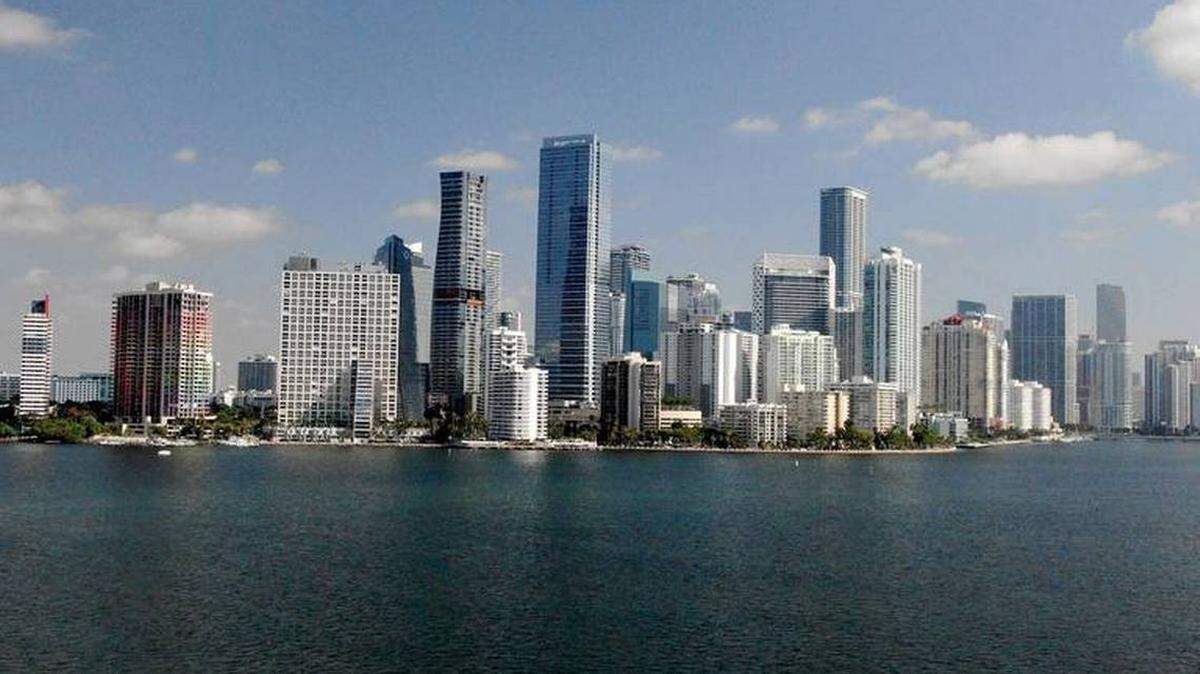
It was difficult to take the idea seriously from the start. Installing hulking, flood-protection walls up to 20 feet tall along the coast of Biscayne Bay would mean, in essence, exchanging the scenic water views that draw people to this area for the unappealing sight of concrete barriers.
Sparkling blue water or hard, gray walls that look a lot like the ones lining Interstate 95 and, as a bonus, also would have harmed Biscayne Bay? It would be Miami without the view — and what politician would ever want to put their name on that?
It just wasn’t going to happen.
Now we may get a more “nature based” approach to coastal protection, something county Mayor Daniella Levine Cava’s administration has been pushing for. That’s a relief. Sea rise is an existential threat to this community; we can’t afford to waste time fighting about it. But we also need to manage the crisis in a way that makes sense for Miami.
The U.S. Army Corps of Engineers has shown a real openness to listening to the community on this critical issue, which is what’s needed. To get on top of this complicated issue will take the combined efforts of local, state and federal governments, and that’s exactly what Assistant Secretary of the Army Michael Connor told Levine Cava in an Aug. 3 letter that outlined the path forward, saying it “requires a large collaborative effort.” We couldn’t agree more.
It’s all part of a critically important $6 billion proposal to protect our vulnerable coastal community from storm surge strengthened by climate change. The initial plan included the view-wrecking wall but also required elevating homes and flood-proofing businesses, planting mangroves and installing flood gates at the mouths of rivers and canals. It was the wall that caused the uproar, with Miami’s Downtown Development Agency even commissioning renderings of it covered in graffiti and trash.
The Corps will now hold more meetings with the public and accept more comments on the proposed strategy for the “structural” element of the plan — the part that the wall and flood gates played in the original proposal. (Home elevations and flood-proofing will remain the same.)
As we head into the next round of planning, we have to consider Everglades restoration and our aging system of canals and pumps. We have to preserve what makes Miami great while still protecting ourselves from flooding. It’ll be a monumental task, and it has to happen fast — Levine Cava said work could start by 2025 — but we have no choice. Our future depends on how we handle this.
BEHIND THE STORY
MOREWhat's an editorial?
Editorials are opinion pieces that reflect the views of the Miami Herald Editorial Board, a group of opinion journalists that operates separately from the Miami Herald newsroom. Miami Herald Editorial Board members are: opinion editor Amy Driscoll and editorial writers Isadora Rangel and Mary Anna Mancuso. Read more by clicking the arrow in the upper right.
What's the difference between an op-ed and a column?
How does the Miami Herald Editorial Board decide what to write about?
The Editorial Board, made up of experienced opinion journalists, primarily addresses local and state issues that affect South Florida residents. Each board member has an area of focus, such as education, COVID or local government policy. Board members meet daily and bring up an array of topics for discussion. Once a topic is fully discussed, board members will further report the issue, interviewing stakeholders and others involved and affected, so that the board can present the most informed opinion possible. We strive to provide our community with thought leadership that advocates for policies and priorities that strengthen our communities. Our editorials promote social justice, fairness in economic, educational and social opportunities and an end to systemic racism and inequality. The Editorial Board is separate from the reporters and editors of the Miami Herald newsroom.
How can I contribute to the Miami Herald Opinion section?
The Editorial Board accepts op-ed submissions of 650-700 words from community members who want to argue a specific viewpoint or idea that is relevant to our area. You can email an op-ed submission to oped@miamiherald.com. We also accept 150-word letters to the editor from readers who want to offer their points of view on current issues. For more information on how to submit a letter, go here.
This story was originally published September 7, 2022 at 6:00 PM.