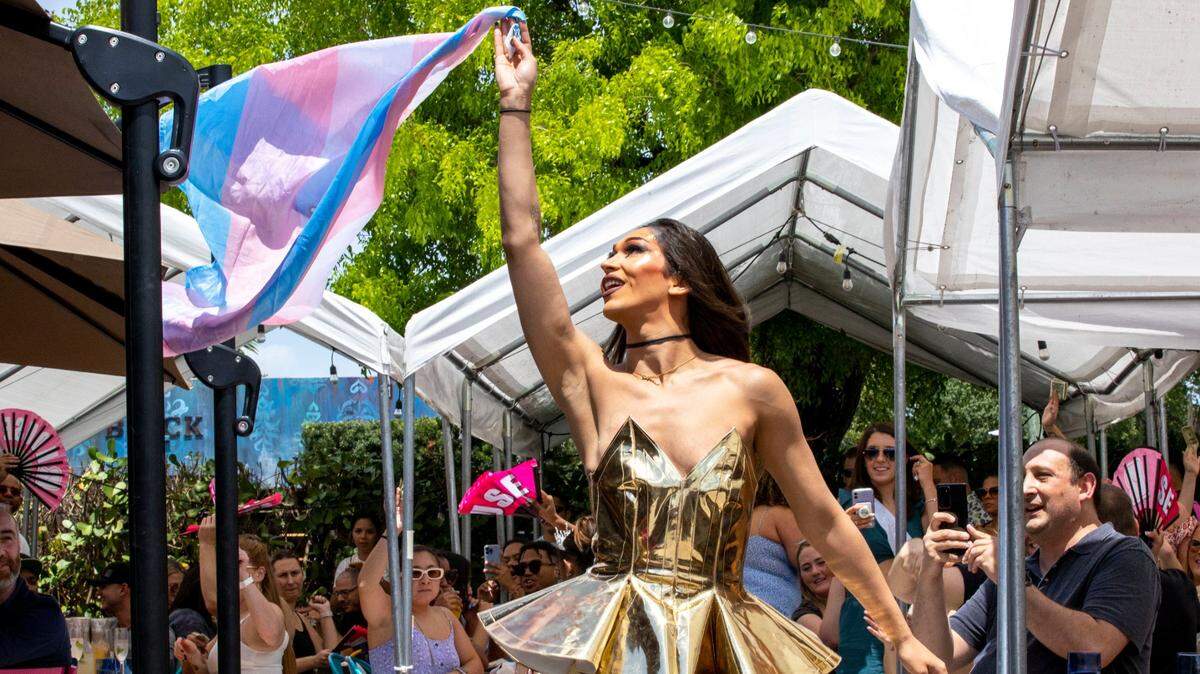
Drag queens and sex-ed take center stage in Florida’s summer of culture wars| Editorial
READ MORE
Florida vs. Miami drag bar
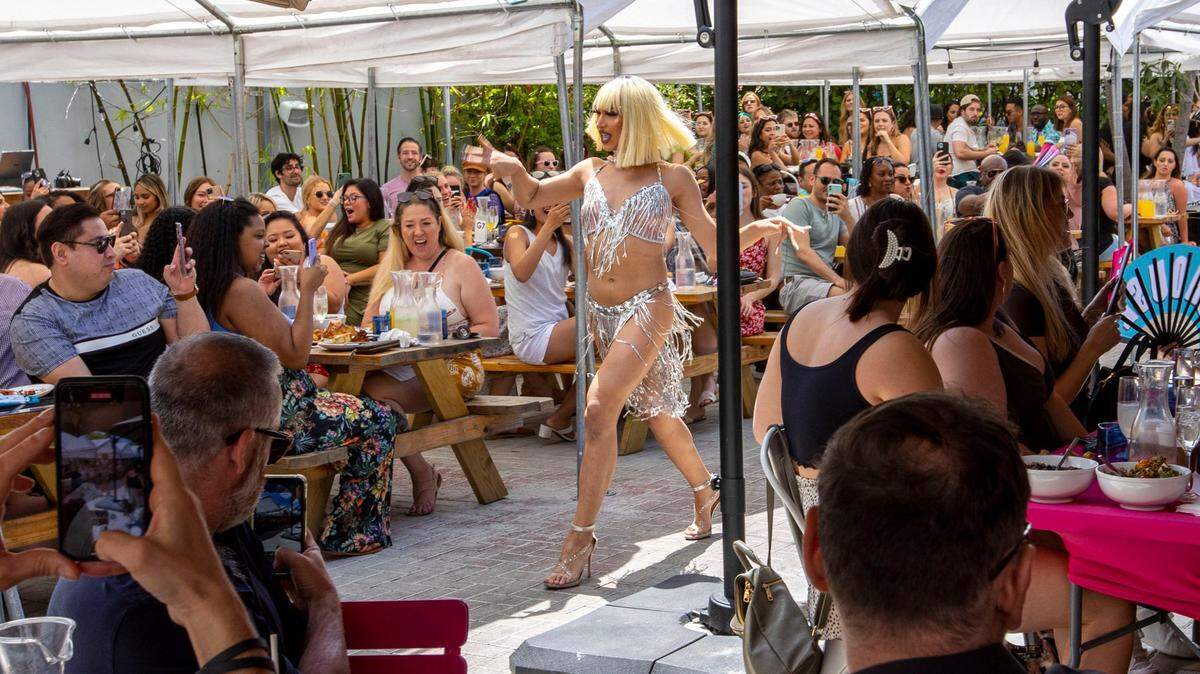
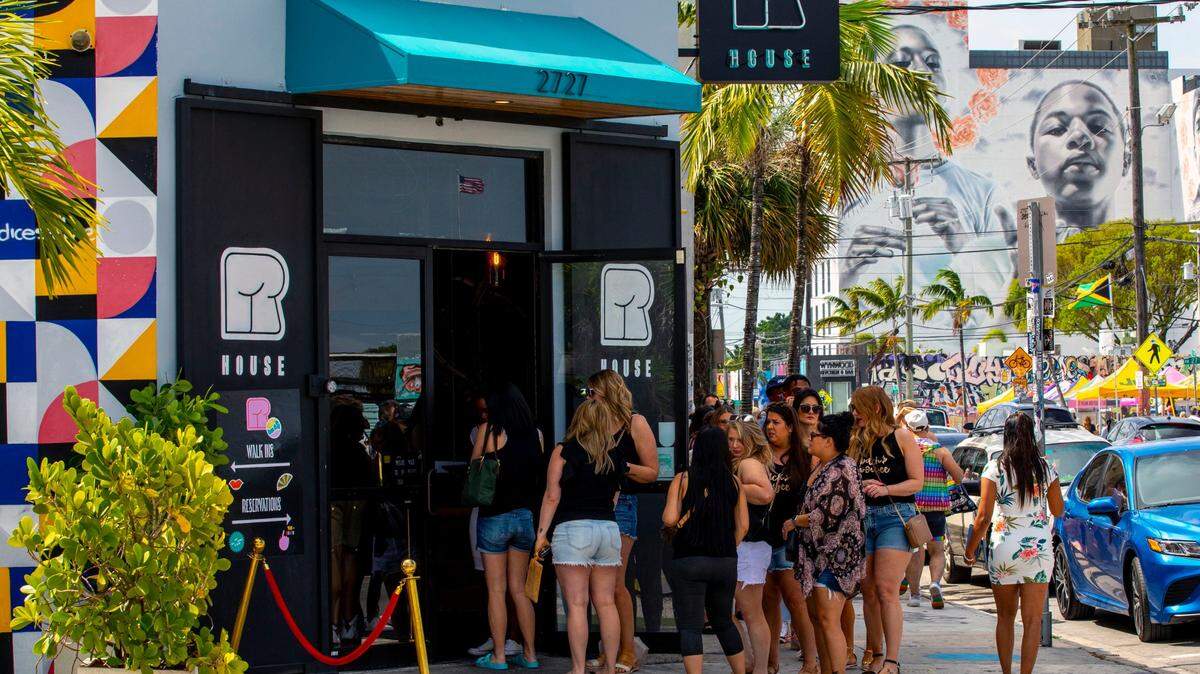
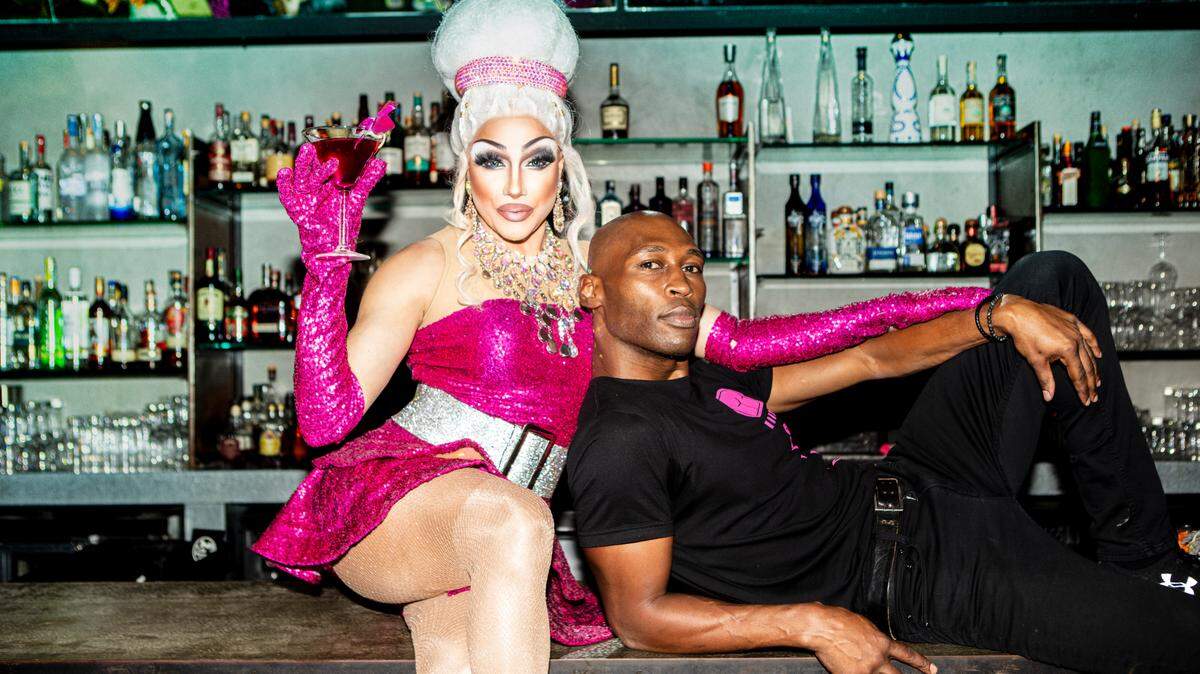
Florida Gov. Ron DeSantis’ administration filed a state complaint against Miami’s R House on Tuesday that says the Wynwood bar’s weekend Drag Show Brunches expose minors to “sexually explicit drag shows.” R House has 21 days to respond. It could lose its liquor license if judged to be in violation of local laws and codes.
Expand All
Our summer of culture wars heats up today with two controversies - drag queens and sex education in schools — both making national headlines. Both deal with parental choice and are favorite battlegrounds for Gov. Ron DeSantis, on the warpath to ensure re-election.
DeSantis is making a very public effort to take away the liquor license of a popular Miami drag venue, R House in Wynwood, for allowing children inside its popular performance brunches. The state’s Department of Business and Regulation says in a complaint the shows are “sexualized drag events.”
“Having kids involved in this is wrong,” DeSantis said. “That is not consistent with our law and policy in the state of Florida. And it is a disturbing trend in our society to try to sexualize these young people.”
He forgets, however, that if parents taking their children to a drag show is the flip side of the parental choice he champions.
Drag queens performing in front of children was a non-issue until DeSantis, U.S. Sen. Marco Rubio, Georgia Rep. Marjorie Taylor Green and other turned it into a ridiculous red-meat issue, which the Miami Herald Editorial Board decried.
Meanwhile, Thursday, the Miami-Dade School Board will revisit its banning of textbooks used to teach sex education in our district. Last week, board members voted 5-4 to ban a specific book, but a group of 278 parents signed a petition asking them to reconsider. The Board is taking up the heated issue again.
Welcome to DeSantis’ “free” state of Florida.
BEHIND THE STORY
MOREWhat's an editorial?
Editorials are opinion pieces that reflect the views of the Miami Herald Editorial Board, a group of opinion journalists that operates separately from the Miami Herald newsroom. Miami Herald Editorial Board members are: opinion editor Amy Driscoll and editorial writers Isadora Rangel and Mary Anna Mancuso. Read more by clicking the arrow in the upper right.
What's the difference between an op-ed and a column?
How does the Miami Herald Editorial Board decide what to write about?
The Editorial Board, made up of experienced opinion journalists, primarily addresses local and state issues that affect South Florida residents. Each board member has an area of focus, such as education, COVID or local government policy. Board members meet daily and bring up an array of topics for discussion. Once a topic is fully discussed, board members will further report the issue, interviewing stakeholders and others involved and affected, so that the board can present the most informed opinion possible. We strive to provide our community with thought leadership that advocates for policies and priorities that strengthen our communities. Our editorials promote social justice, fairness in economic, educational and social opportunities and an end to systemic racism and inequality. The Editorial Board is separate from the reporters and editors of the Miami Herald newsroom.
How can I contribute to the Miami Herald Opinion section?
The Editorial Board accepts op-ed submissions of 650-700 words from community members who want to argue a specific viewpoint or idea that is relevant to our area. You can email an op-ed submission to oped@miamiherald.com. We also accept 150-word letters to the editor from readers who want to offer their points of view on current issues. For more information on how to submit a letter, go here.
This story was originally published July 28, 2022 at 1:52 PM.