COVID showed us that women need a new way to work. Let’s start with more flexibility | Editorial
READ MORE
We’re not going back
Women were hit the hardest by the pandemic. Now things have to change. Here’s what the Miami Herald Editorial Board says needs to happen next in South Florida.
.
Expand All
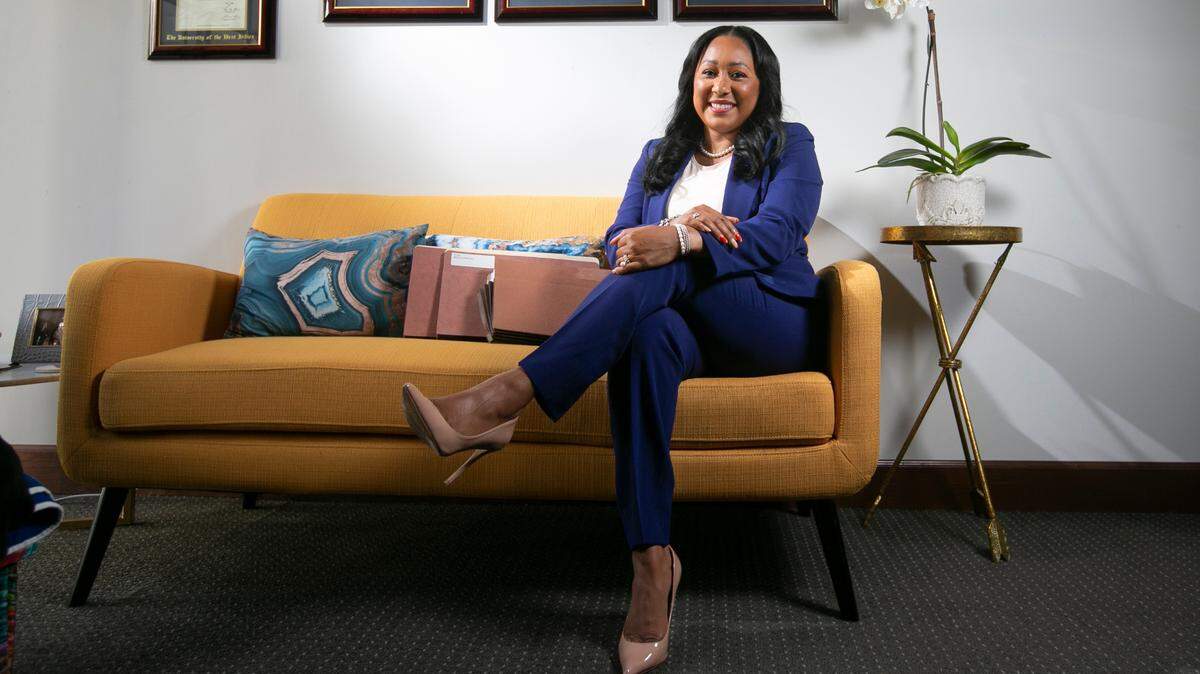
When the Miami-Dade Circuit Courts finally returned to in-person trials and hearings last spring after months of Zoom court, Deirdre Dunham, director of human resources, already was thinking about how to keep workplace flexibility for courthouse employees beyond the pandemic.
The deeply traditional court system isn’t the most likely place to look for workplace innovation. But COVID had forced the courts into remote operations and, to a lot of people’s astonishment, proved it could work. As head of HR for the 11th judicial circuit, Dunham knew that working from home and a flexible schedule had been the only way many employees had been able to manage the competing demands of life during the COVID-19 shutdown, and they didn’t want to give it up.
But it was also personal.
“I don’t see how I could have gotten through it if my employer hadn’t implemented those flexible policies,” the lawyer and mother of three said. “I might have been among the 20% to 30% of women making that hard decision of whether I can stay in the workplace.”
She added: “My concerns for women — and men — were, are we going to go back to the way things were before?”
Women have been disproportionately affected by the pandemic. They dropped out of the workforce in greater numbers than men. They bore the brunt of the impact at home, handling more of the childcare, schooling, eldercare and housework. They were already being paid less than men, and returning to the workforce will likely be harder for them and be a bigger drag on their upward mobility. Women also are more likely to be front-line workers, especially in healthcare, so they have shouldered that risk as well.
The impact on work has continued, too. As of July, U.S. Bureau of Labor numbers indicate that roughly 300,000 more women than men remained out of the workforce, compared to figures before the pandemic, according to Maria Ilcheva, assistant director of planning and operations at Florida International University’s Metropolitan Center.
And that was before the delta variant of COVID hit Florida full force and school started up again.
Women are reevaluating work
The pandemic’s toll on women has been discussed a lot in the last 18 months, of course. The harder question is how to change that unfair equation. We believe that starts with listening to women. The Miami Herald Editorial Board reached out to women to ask them about their experiences in this extraordinary time, and the responses poured out. They told us how the pandemic forced them to reconsider how they allocate their time. They said “essential workers” weren’t valued enough, despite the label. They talked about juggling responsibilities and seeking a work-life “blend” rather than balance.
One point in particular resonated: Women are reevaluating their relationship with employers and with work itself. Some were laid off or left jobs to handle their personal responsibilities. Others felt their employers had needlessly put them in danger of a COVID infection during in-person work. Many appreciated being home with their families more, especially during remote schooling for children.
The pandemic, which has forced so many changes in workplace technology and redefined where some workers can live, is also accelerating the conversation about what we expect from work. As we reassess, women — most affected by the pandemic — should lead the way.
Flexible work is key
That’s what Dunham did. With the support of her boss, she made the argument to court leaders that a flexible work arrangement — though not a solution for everyone — has become critical for some employees. Working at home saves hours of commuting time. It can cut costs for gas or dry-cleaning. It can allow parents to pick up children from daycare or reduce childcare costs. It gives workers time back in their lives to make dinner or help with homework or take elderly parents to the doctor or just to exercise.
The vast majority of applicants for jobs at the Miami-Dade courts are women, she noted. She needed to be able to offer remote work to stay competitive for recruiting, too.
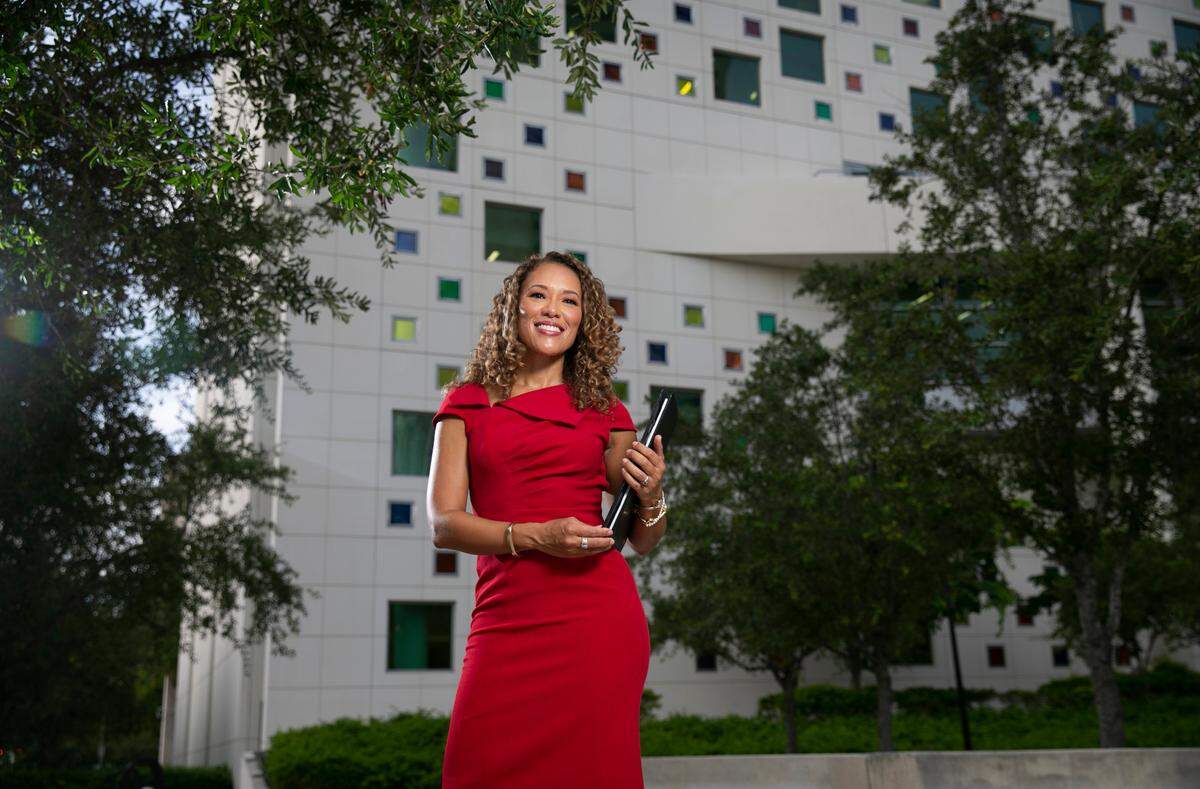
So Dunham, along with others, persisted. And in August, the Miami-Dade court system announced a new policy. It will allow between 400 and 500 employees in certain courthouse jobs to apply to work from home two days a week with flexible hours.
There will be hitches. The courts weren’t running at full speed during the pandemic shutdown. The new job flexibility cannot be allowed to adversely affect the important work of the judicial system as it starts to operate at capacity again. Many jobs in the court system obviously cannot be performed remotely. And, recently, another COVID surge shut down in-person jury trials and hearings in the Miami-Dade courts for at least two weeks.
But Dunham said employees are “really, really excited about it. ... I’m thrilled to be able to offer this way for people to improve their lives.”
A flexible schedule is not exactly a radical idea. Many companies have been allowing it for years, but the pandemic pushed it into the mainstream. And if the hidebound courts can do it, so can other workplaces. As Dunham said half-jokingly, “It wasn’t that long ago we stopped wearing pantyhose.”
We applaud the change. It turns out that helping women manage work better can help everyone.
How about childcare?
Certainly, the pandemic highlighted other changes women need in the workplace. Subsidized or on-site childcare, better health insurance and paid sick leave spring to mind. Pay equity, too.
Flexible work is a good start, though. And while it’s too soon to say whether the changes we’ve started to see in the culture of work are permanent, the delta variant, now raging through Florida, may make it even harder to go back to the way things were. Some companies are pushing their returns to the office into 2022, which means working from home will continue to be the norm for a lot of people.
For sure, COVID sparked a rethinking of the physical dimension of work. That may result in as much as 25% of the workforce in an advanced economy making the switch, according to an April report, The Future of Work After COVID-19, by management consulting organization McKinsey Global Institute.
As Terri Ellen Gerstein, director of the State and Local Enforcement Project at Harvard Law School’s Labor and Worklife Program, told the Editorial Board, the default belief that work must be done in person is being challenged.
“For so long, there was such a strong bias against allowing people to work from home. The body had to be physically at the work space in order for the work to be performed. But given the technological advances and nature of many peoples’ jobs, it’s really not the case,” she said. “We just had this massive proof-of-concept, nationally, that people can get work done from home.”
In-person work
But Gerstein, a former Miamian, pointed out that work-from-home policies will mostly leave in-person work untouched, including in restaurants, grocery stores and hospitals. Many of those jobs are being done by women, and they need help, too.
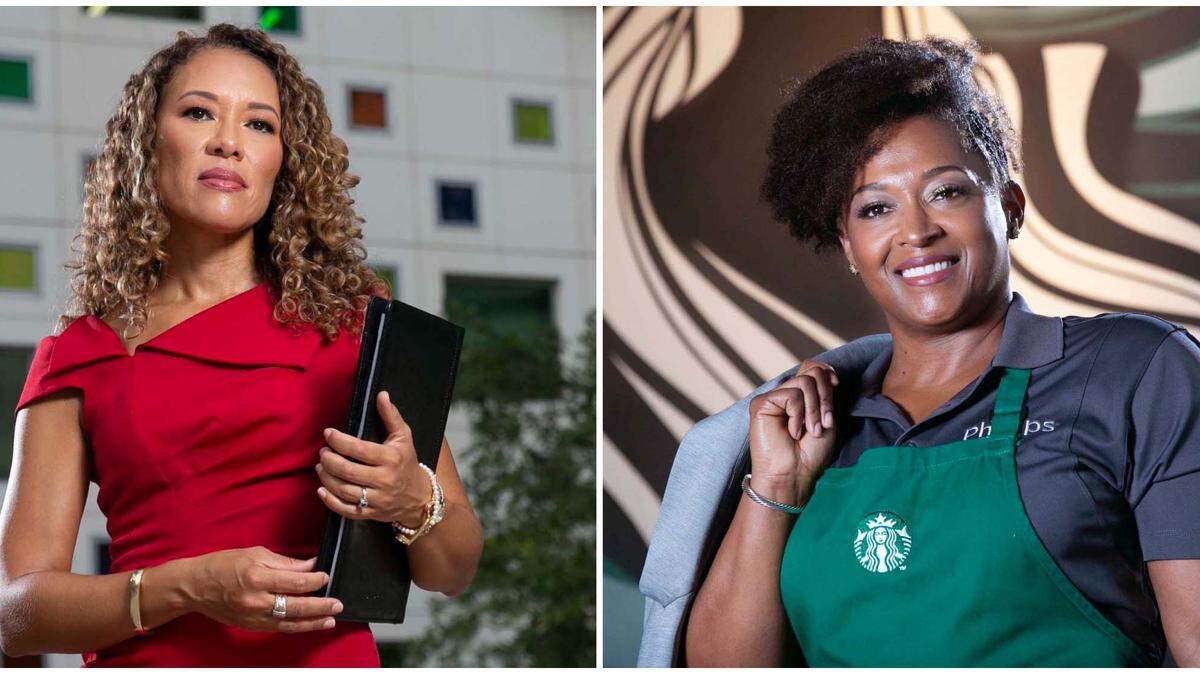
Ramona Hall, who is a licensed owner and operator of Miami-Dade franchises of Starbucks, Einstein Bros. Bagels and Chick-fil-A, has had to manage an in-person workforce throughout the pandemic, when workers have been in short supply. She’s committed to hiring locally — she wants to invest in the community — and finding ways to tailor jobs to fit workers’ needs has been a challenge.
One employee, a 10th-grader, has to care for her mother, so Hall made sure her schedule is built around that. An employee at Starbucks had a school-age son at home with no one to watch him. So for eight months in 2020, he sat at a back table in Starbucks and went to school online as his mother opened the store.
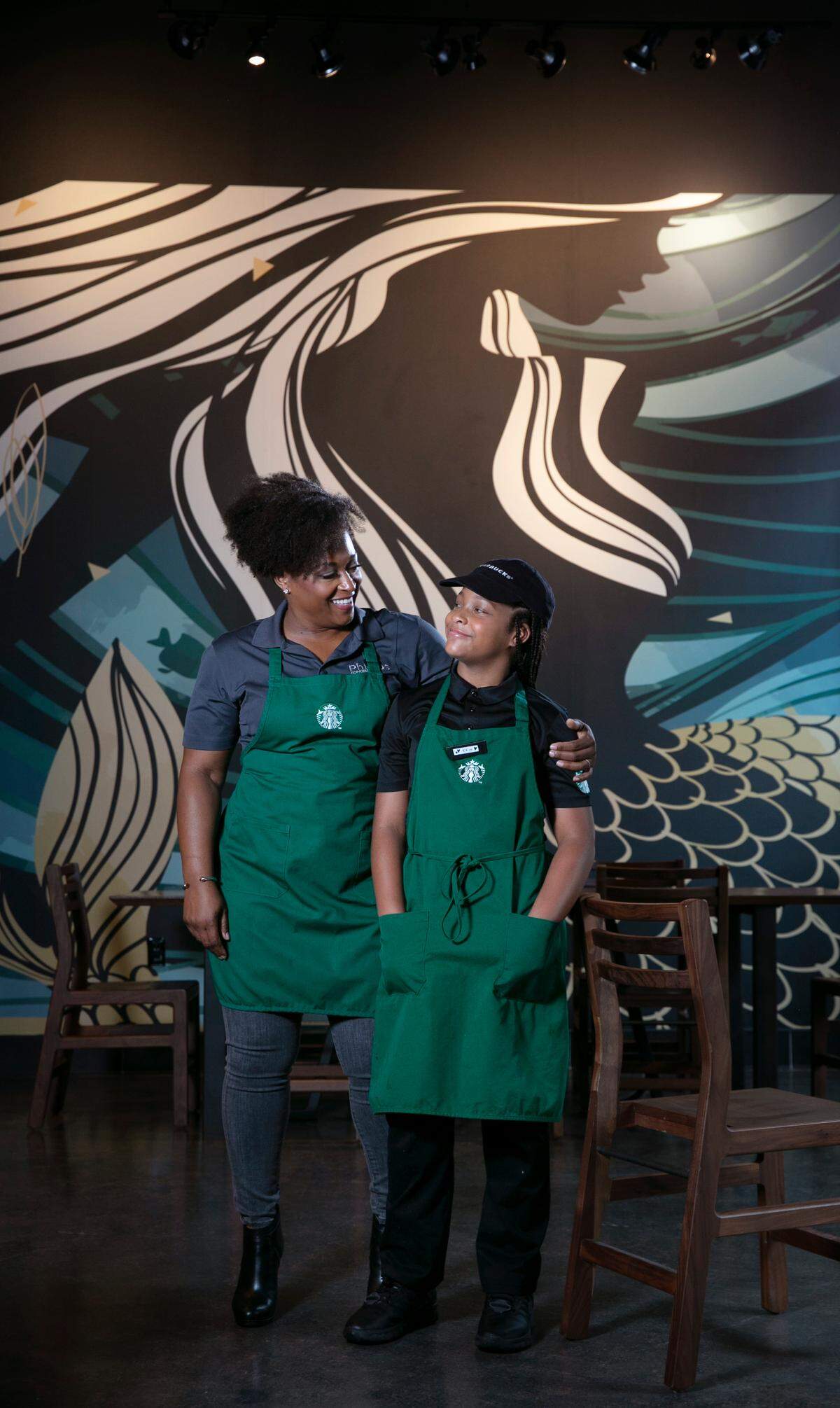
At times, Hall has drawn on her own past experience working for a Miami-Dade County commissioner to help find services for employees, such as directing parents of young children to the Head Start program. She is a proud Head Start baby herself, she said. She also brings her 11-year-old daughter, Khloe, to work with her when she can, to show her what it takes to run a business, the value of hard work and how to build relationships with people.
“This pandemic has really shifted the mind-set of the employer,” she told the Editorial Board. “We need to keep our employees. We meet them at their needs, when it’s reasonable and when it’s safe. It just makes sense.”
None of these are perfect solutions, of course, for courthouses or restaurants or any other workplace. They don’t tackle broader issues like pay equity for women or how to more equitably distribute work in the home, whether it’s caring for elderly parents or making dinner.
But they’re ideas for what a more human-centered version of work could look like, as envisioned by women. A flexible schedule, working from home, being allowed to bring your child to work when needed — these are places to start. And they can happen right now.
The pandemic has induced widespread misery like we’ve never before seen. The tragedy of COVID has sped up changes in behavior and forced innovations long overdue. And it has amplified necessary conversations about women’s place in the work world.
Guided by the lessons of the pandemic and led by women right here in Greater Miami, it’s time to rewrite the rules for employment, starting with more flexible workplaces. When we listen to women about what they need, we help everyone.
This story was originally published September 5, 2021 at 7:00 AM.