Shakedown City: Investigations, lawsuits and the anatomy of Miami’s political scandals
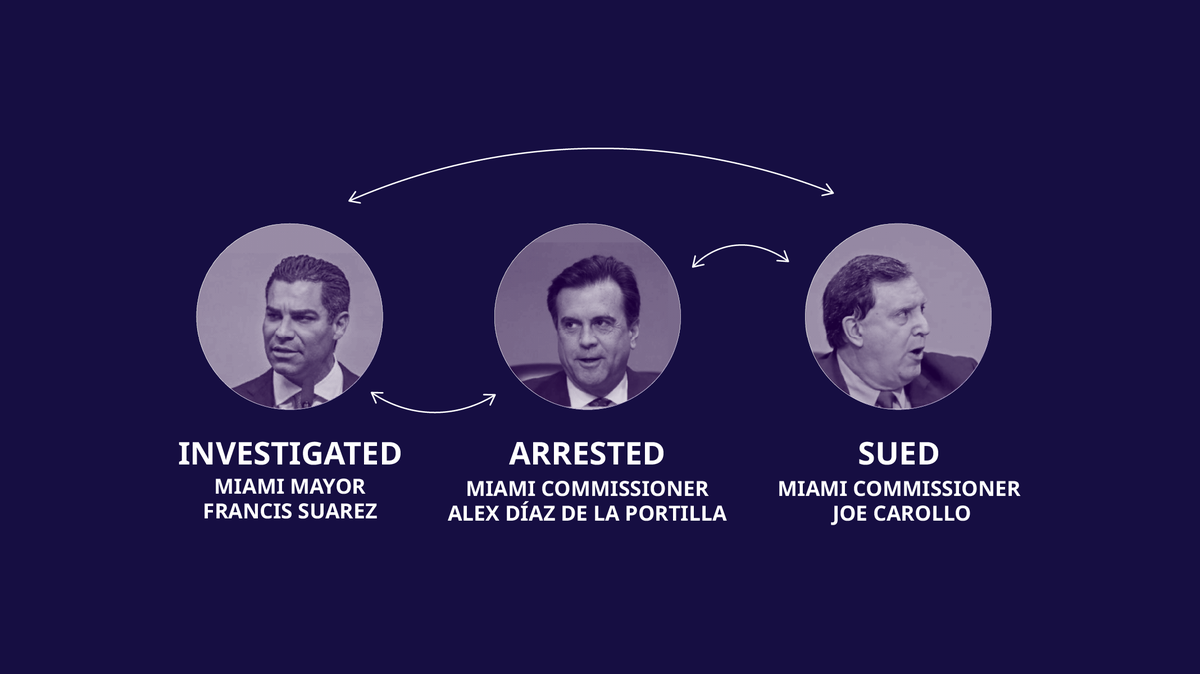
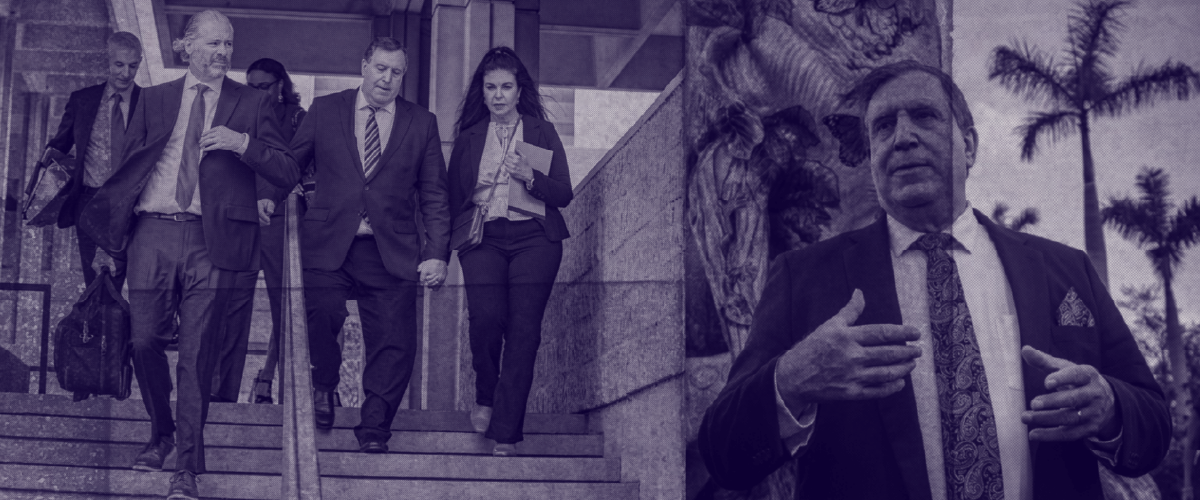
The recent scandals rocking Miami government have engulfed two scions of local political dynasties and a third politician who has been a proud chaos agent for 40-plus years.
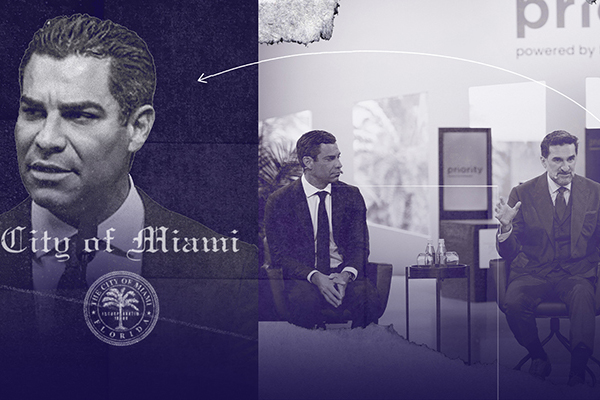
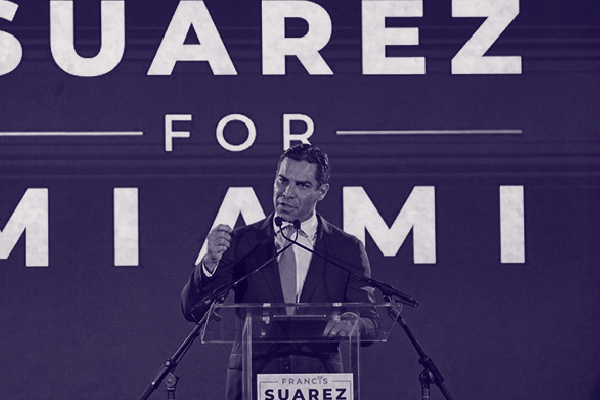
After a series of Miami Herald exposés — probing his secrecy involving travel itineraries, law clients, side jobs, expensive gifts and advocacy on behalf of the Saudi regime — Mayor Francis Suarez, son of a former mayor, is facing calls to resign. The Justice Department had already opened an investigation after the Herald revealed he’d been paid $170,000 by a developer angling for zoning relief.
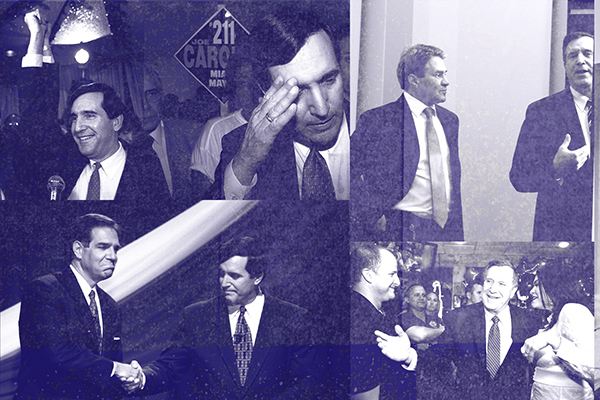
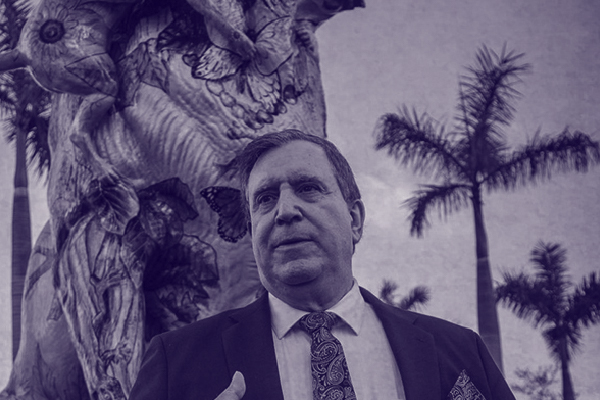
Meanwhile, Commissioner Joe Carollo, famously combative since his first election in 1979, is smarting over a lawsuit accusing him of pursuing a vicious political vendetta against a nightclub owner. Carollo lost a $63 million verdict, but it’s also costing the city millions in legal fees.
And Commissioner Alex Díaz de la Portilla, middle of three politician brothers, awaits a criminal trial on allegations that, in a city crying out for open space, he schemed to cede public parkland to a private school, in return for bribes.
Below is the anatomy of a scandal — actually several scandals. Keep scrolling to reveal diagrams of each major investigation, charge or lawsuit these three Miami politicians face, along with the greatest hits of the Herald’s year-long investigation into Miami City Hall.
Mayor Francis Suarez
FBI investigation
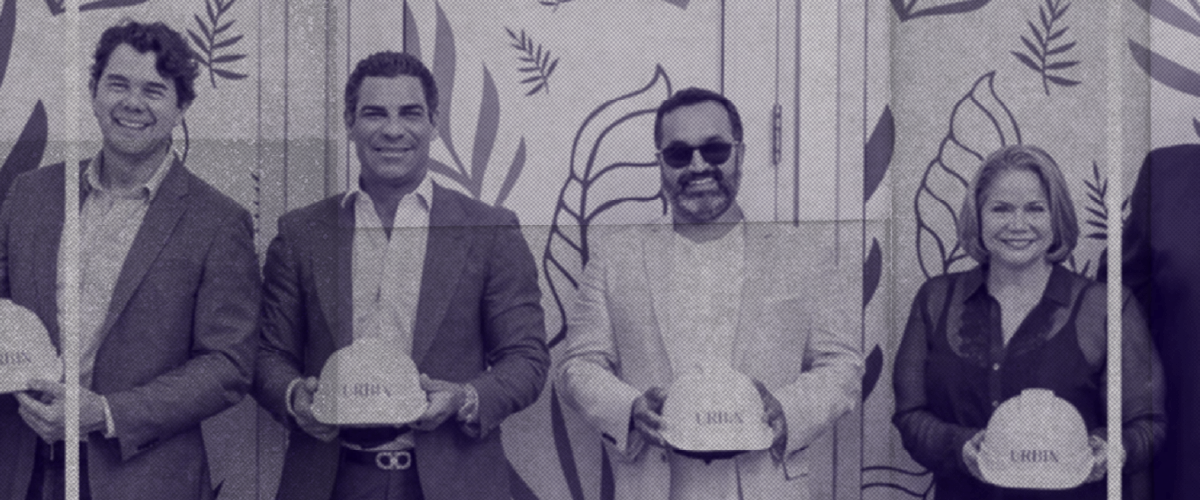
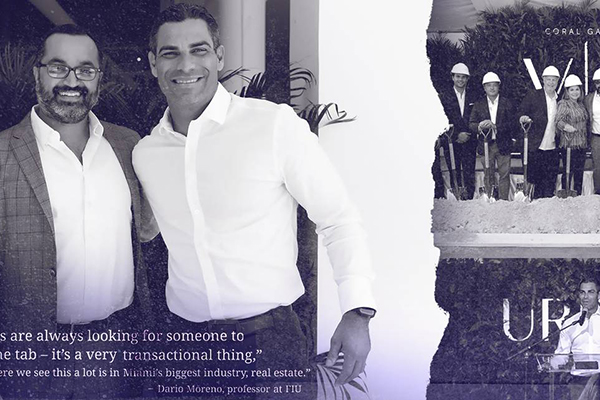
Suarez is under federal and state investigation following Herald reporting revealed Suarez was paid $10,000 a month by Rishi Kapoor as the developer sought help from the mayor’s office to overcome zoning restrictions causing expensive delays to his multimillion-dollar Coconut Grove redevelopment project.
Staff with Location Ventures, Kapoor’s company, worked with the mayor’s office behind the scenes starting in 2019 to help draft a code amendment regarding co-living developments that would benefit Kapoor’s Coconut Grove project. A company attorney said Suarez was not yet on the payroll.
His efforts to amend the code stalled. Still, Kapoor was determined to push his project forward and applied for a city building permit in December 2021. By then, company records show Kapoor was making monthly payments to Suarez.
Suarez denied knowledge of his staff’s involvement in the permitting process. He maintains he was paid to introduce the developer to potential investors. Both Goldberg and Art Noriega, the city manager, said they were unaware Kapoor was paying Suarez at the time the developer was seeking their help with permits.
Goldberg said his change of heart was not influenced by the mayor’s office, but rather by a letter Quintero pointed him to regarding a neighboring structure that had previously received similar zoning relief. Noriega told the Herald he did not recall meeting with Kapoor in the summer of 2022 and Suarez’s mayoral calendar did not mention a meeting then.
Mired in controversy, financial problems and federal investigations, Location Ventures’s board of directors ousted Kapoor and hired a former judge to sell off assets and pay creditors. Lawsuits against Kapoor and his company are pending.
Past Reporting
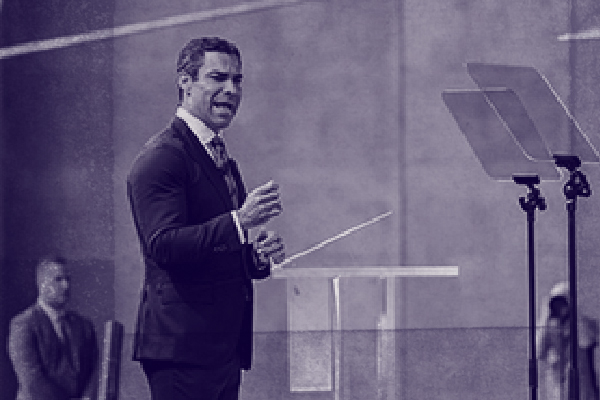
06/30/2023 | Mayor Francis Suarez worked to draft new law with developer who later paid him $170K

06/10/2023 | FBI investigates developer’s payments to Miami’s mayor as SEC digs into company’s finances
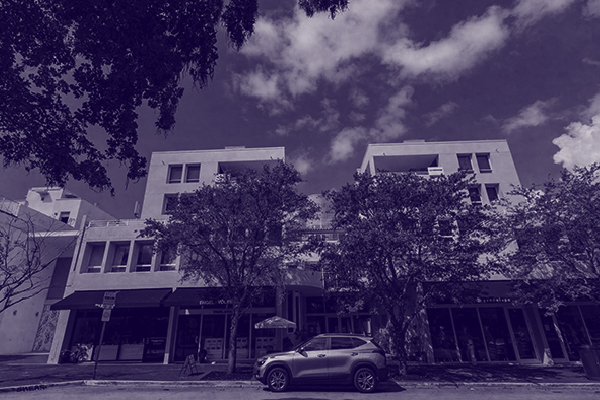
06/05/2023 | Miami official rejected plans by a developer paying Suarez. Then the mayor’s aide called
Ethics investigation
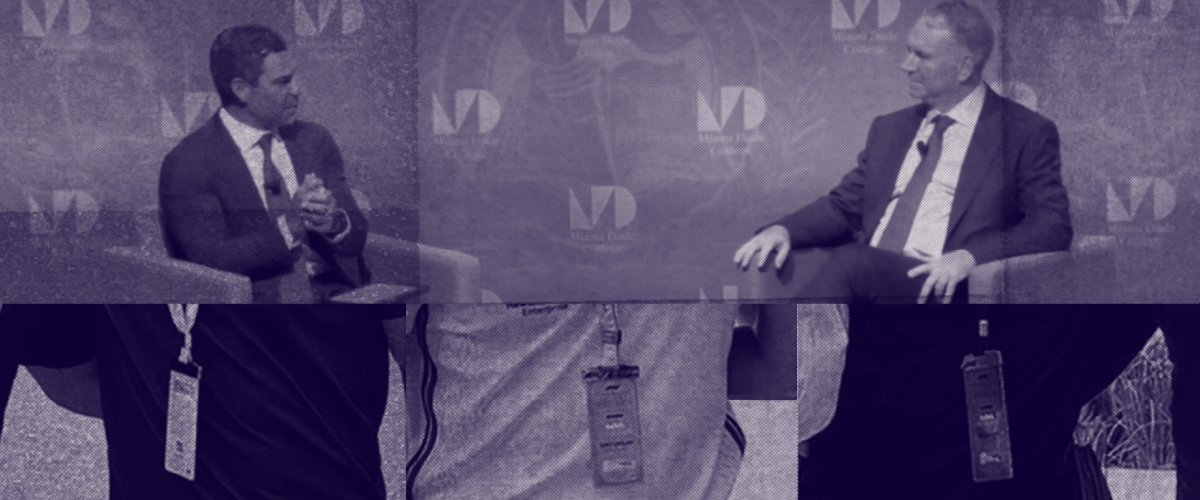
Photos of Suarez glad-handing with developers and celebrities at VIP sporting events and exclusive parties are plastered across social media. A Herald investigative reporter cataloged his attendance at events where tickets go for thousands of dollars and asked the mayor: Who paid?
Suarez didn’t volunteer an answer. He often didn’t file gift disclosures either, as would be required under Florida ethics law if his activities were funded by anyone other than the city, his private employer, himself or a member of his immediate family.
Following a complaint from a local activist that was based on Herald reporting, the Florida ethics commission opened an investigation into whether Suarez violated laws requiring disclosures and prohibiting Miami’s elected officials from accepting expensive gifts over $100 from anyone with business before the city.
Suarez denied any unethical behavior and said he files gift disclosures when legally required to do so. He has long refused to volunteer a list of his private legal clients, citing confidentiality concerns, but insists he has no conflicts of interest. A spokesperson for Quinn Emanuel said the firm follows strict internal rules developed to avoid conflicts of interest.
The scope of the ethics investigation is unclear. Ethics investigations remain confidential until the commission takes official action. At the time of publication, no hearing had been scheduled.
Past Reporting
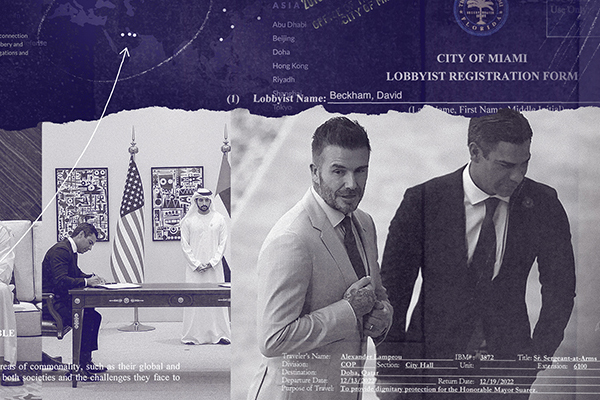
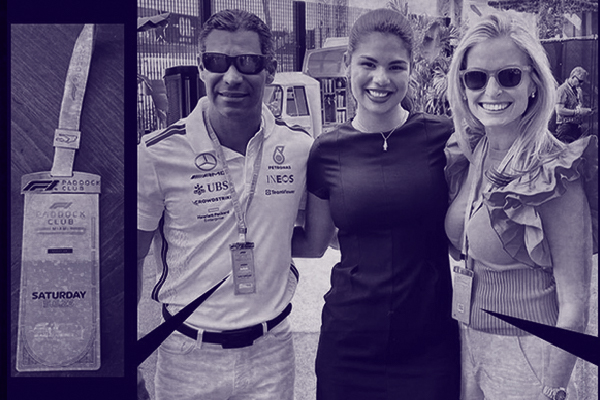
10/13/2023 | Plot twist: Miami Dolphins subsidiary helped pay for Mayor Suarez’s $30k F1 weekend
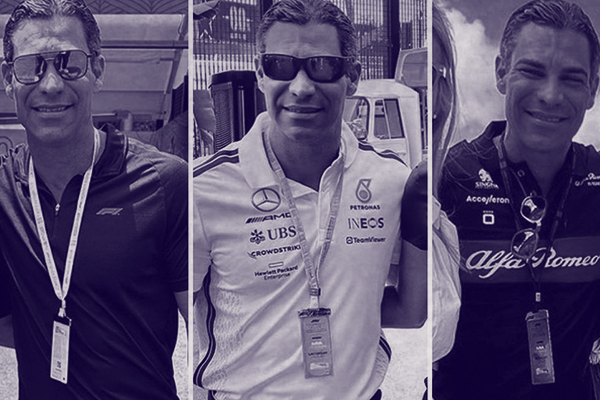
09/28/2023 | Miami Mayor Suarez officially under state ethics investigation for World Cup, F1 tickets
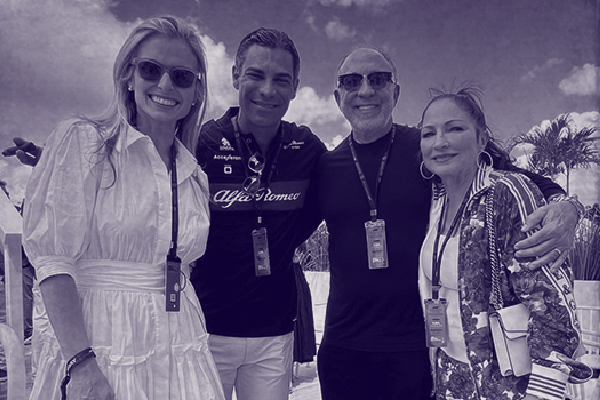
09/15/2023 | Francis Suarez, Ken Griffin say Miami mayor repaid $14K for Miami Grand Prix events
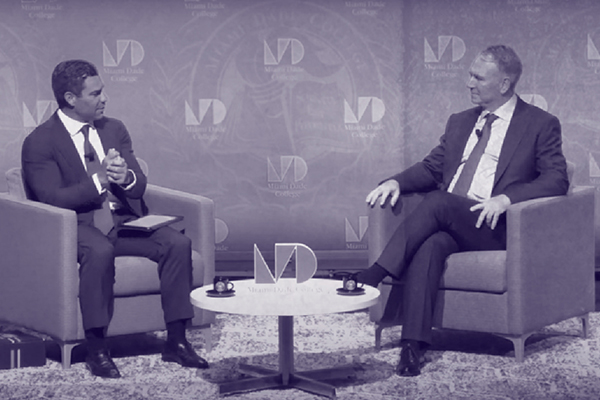
07/13/2023 | Billionaire treated Mayor Suarez to $30K Grand Prix weekend. Miami says he’s paying it back
Senate investigation

As he expanded his network of private business contacts while traveling as an attorney for an international law firm, Suarez has developed an increasingly cozy relationship with Saudi Arabia. There, he participated in state-run conferences central to the regime’s program to rehabilitate its human rights record and expand its influence around the world.
Suarez also used his public office to bring one of the Saudi conferences to South Florida, directly benefiting a major client of the international law firm where he works. The event, which Suarez officially endorsed using the city of Miami seal, is now caught up in an ongoing congressional investigation into Saudi Arabia’s alleged influence peddling efforts in the United States.
In September, the U.S. Senate Permanent Subcommittee on Investigations issued a sweeping subpoena for information regarding PIF activities in the United States – including those of the Future Investment Initiative. Suarez was not named nor has he been contacted by Senate investigators.
Legal experts say Suarez and his associates might have crossed a line when they helped plan and promote a summit primarily benefiting Saudi Arabia’s sovereign wealth fund without registering as foreign agents. Both Suarez and Goldmeier, his consultant, denied doing anything that would require foreign agent registration.
A spokesperson from Quinn Emanuel said Suarez’s use of his mayoral office to partner on a conference promoting Saudi Arabia’s wealth fund, their client, is not a conflict of interest under Florida law because the firm was not involved in the effort and the fund is not Suarez’s direct client through the firm.

(Former) Commissioner Alex Díaz de la Portilla
Arrested and charged with bribery
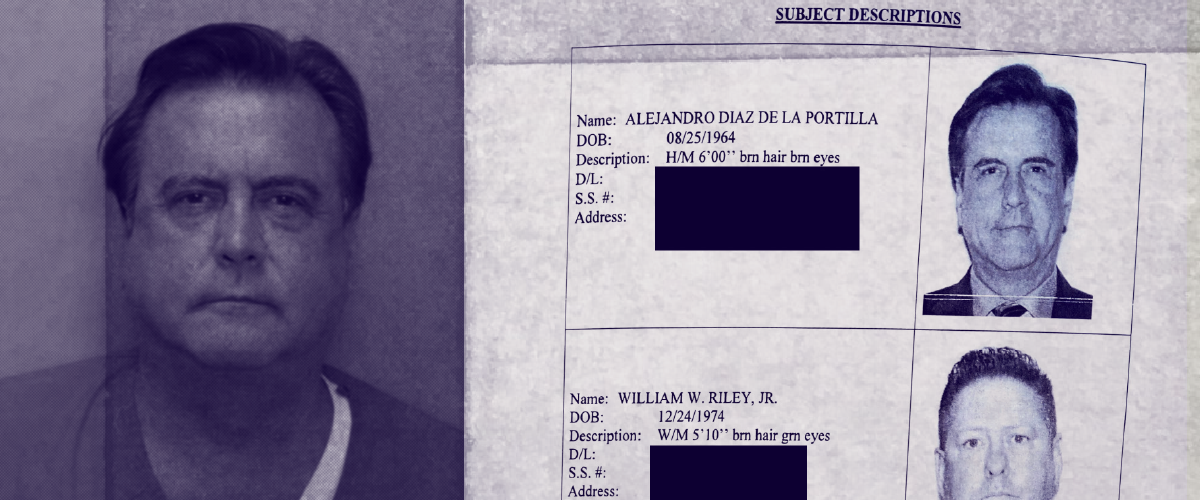
In September, prosecutors charged then-Miami City Commissioner Alex Díaz de la Portilla with money laundering, bribery, and conspiracy, among other charges.
The 26-page arrest warrant spelled out how Díaz de la Portilla allegedly sold his vote to a couple hoping to build a sports complex at Biscayne Park, “one of the largest remaining undeveloped tracts of land in Miami’s urban core” valued at $100 million and located within the boundaries of the quasi-public Omni Community Redevelopment Agency (CRA), prosecutors wrote.
Díaz de la Portilla and Riley have both pleaded not guilty to charges including bribery, criminal conspiracy and money laundering. They denied the accusations in the arrest warrant. Díaz de la Portilla called the case a “work of fiction.” The Centners were not charged. Nor was Renier Díaz de la Portilla.
There is a preliminary trial date set for Feb. 26, 2024, but attorneys say it is likely to be pushed back.
In November, Díaz de la Portilla lost his reelection bid to challenger Miguel Gabela, who ran on an anti-corruption platform. Gabela had previously lost to Díaz de la Portilla in the 2019 runoff.
Past Reporting
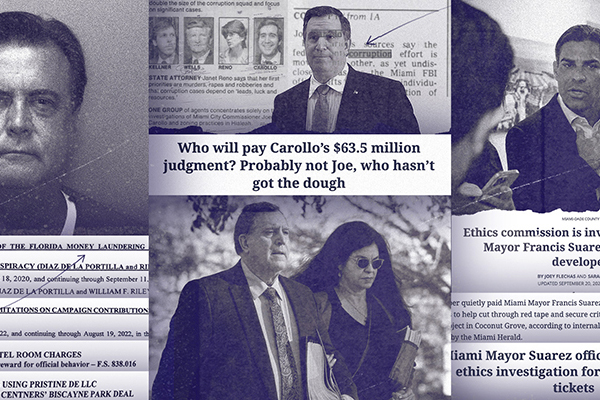

09/21/2023 | Commissioner spent 57 days in Miami’s ‘ultimate business playground.’ Then he was arrested

09/15/2023 | Leila and David Centner caught up in Miami commissioner’s corruption scandal
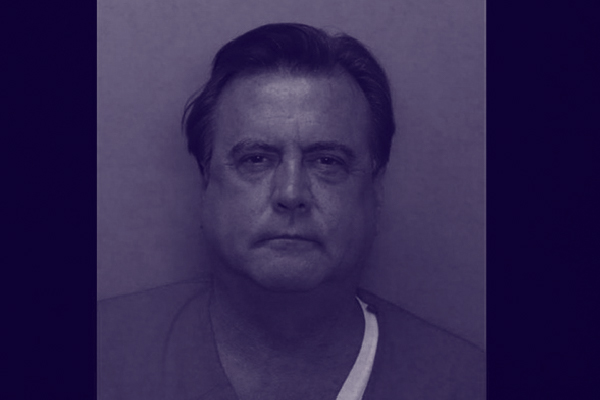
09/14/2023 | Miami Commissioner Díaz de la Portilla arrested on bribery, money laundering charges
Sued over alleged shakedown
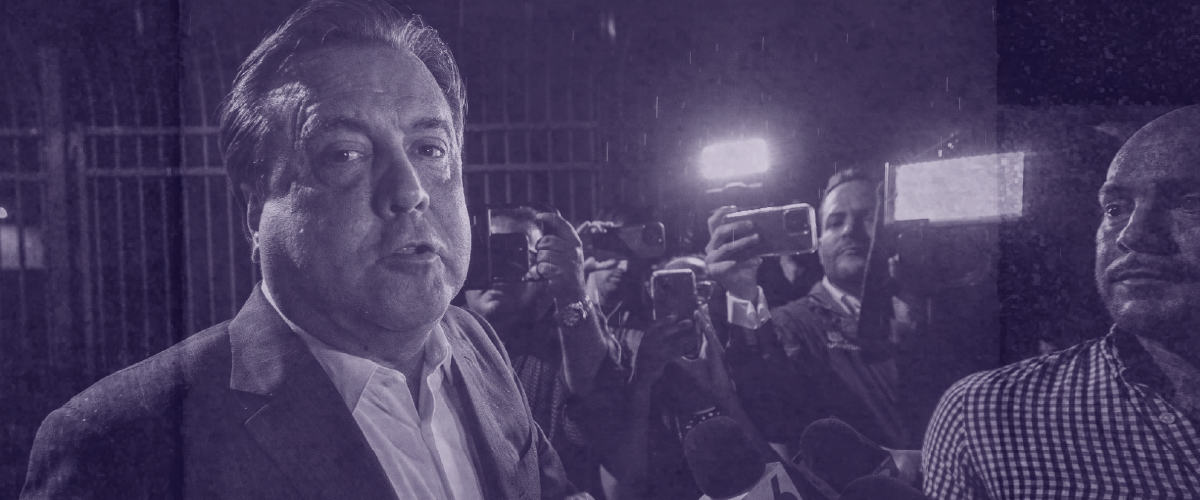
Days before his arrest on criminal corruption charges in September, Díaz de la Portilla was sued in Miami-Dade Circuit Court over an alleged “shakedown” scheme to extract a favor from the longtime operator of the Rickenbacker marina.
The lawsuit, filed by lobbyist Manuel Prieguez – a longtime friend of Díaz de la Portilla who helped with his 2019 campaign – accuses Díaz de la Portilla of orchestrating a shakedown scheme over the future of the the marina, some of the city’s most valuable waterfront property.
The civil suit is pending, with a hearing scheduled for February 2024.
Díaz de la Portilla called the allegations false, and said the lawsuit is politically motivated and frivolous. At the time he filed, Prieguez was openly supporting Gabela, the rival candidate for Commission District 1 who ultimately defeated Díaz de la Portilla in the November runoff.
Rudolph and Hernandez also denied the allegations in the suit. Duarte-Viera declined comment. Hernandez and Duarte-Viera were named defendants. Rudolph was not.
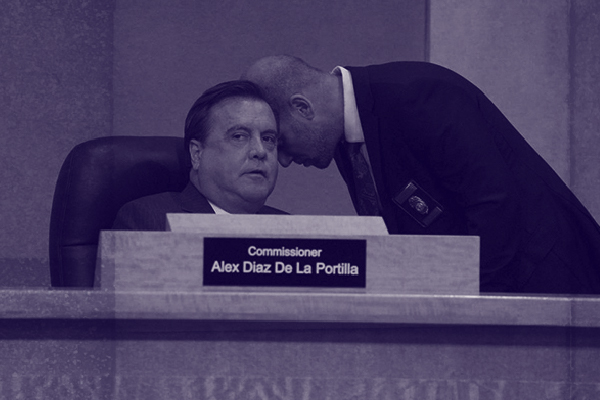
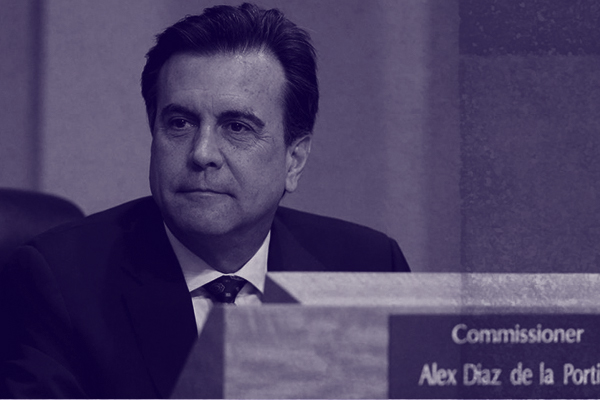
Commissioner Joe Carollo
Sued for misuse of public office
In June, a jury ordered Commissioner Joe Carollo to pay $63.5 million to two Little Havana businessmen for weaponizing city resources – from police to code enforcement – to carry out a personal vendetta.
It was the first verdict in a series of similar lawsuits aimed at Carollo, a famously combative and controversial former Miami mayor with decades of colorful history at City Hall.
Carollo has vehemently denied all wrongdoing. He is appealing the massive judgment against him.
The city is now a named defendant in another, similar suit filed in federal court by an entity linked to Fuller and Pinilla — putting public money in the crosshairs of businessmen seeking retribution who have already convinced one jury they were wronged. As of publication, no trial date has been set.
Past Reporting
11/09/2023 | Little Havana businessmen who won $63.5 million in Carollo suit, target city in new suit
06/03/2023 | After civil-court spanking, could Joe Carollo face a criminal case? There’s an open probe
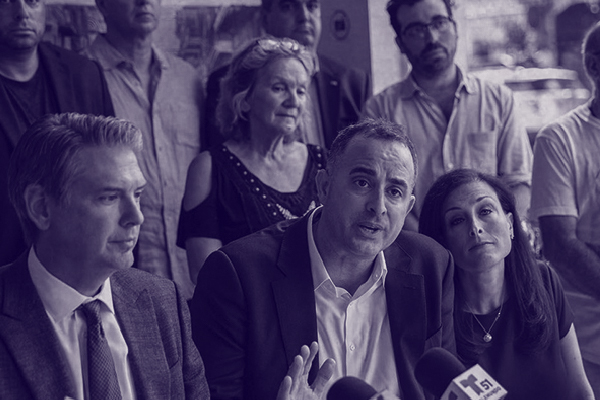
05/10/2023 | Disdain, anger from Little Havana businessmen suing Carollo: ‘The plan was to break us’
Support local investigative journalism
To support this work and more like it, subscribe to the Miami Herald.
This story was originally published December 21, 2023 at 11:15 AM.