
Miami official rejected plans by a developer paying Suarez. Then the mayor’s aide called

READ MORE
Mayor for Hire
Follow the latest news and updates on Miami Mayor Francis Suarez and his dealings with a local real estate developer, which is under investigation.
Expand All
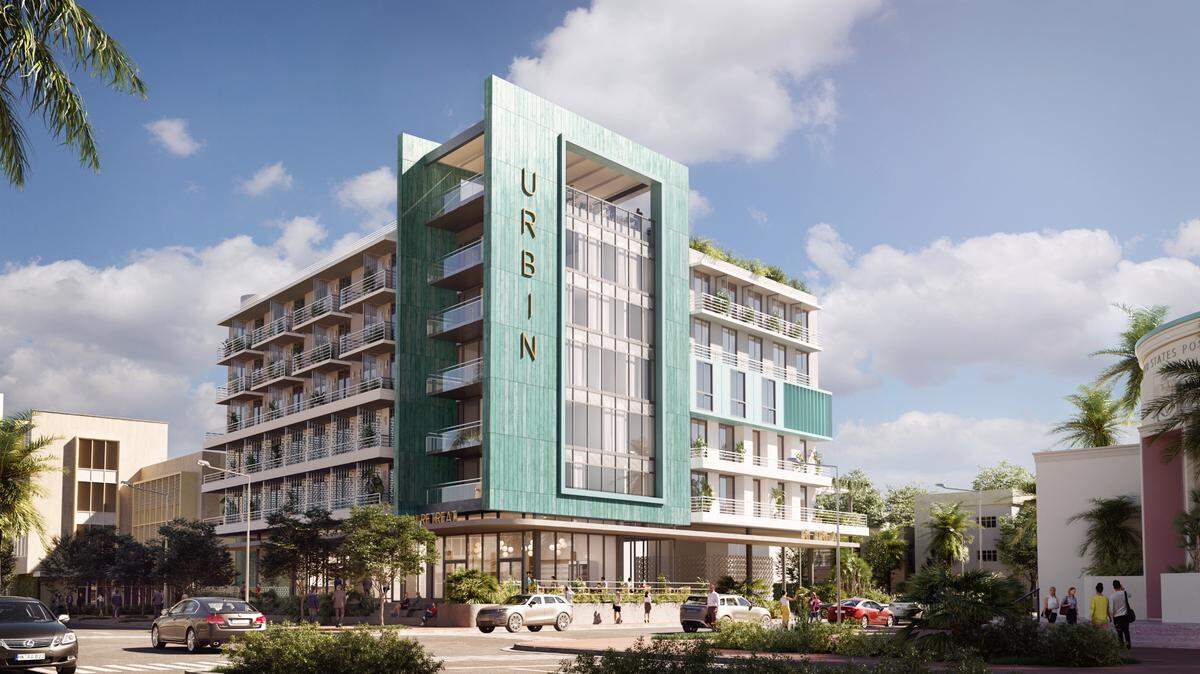
Miami Zoning Director Daniel Goldberg remembers the exact moment the mayor’s office reached out about a proposed $70 million Coconut Grove real estate development that he had repeatedly rejected — an intervention that ultimately helped break a permitting logjam for a developer privately paying Mayor Francis Suarez as a high-priced consultant.
In an exclusive interview with the Miami Herald, Goldberg said he was walking into a Flanigan’s restaurant in early October last year when he got the call from Lazaro Quintero, director of constituent affairs for the mayor.
“Can you try to work with them?” Goldberg remembers Quintero asking over the phone.
Goldberg had heard from Quintero before on behalf of developers. But what he said he didn’t know when the mayor’s staffer asked him to reconsider a zoning restriction threatening developer Rishi Kapoor’s Miami project with a costly redesign was that Kapoor was paying the mayor $10,000 a month.
“Please thank the Mayor for his support and assistance,” Kapoor wrote in an Oct. 11 email to Quintero after the aide interceded in the zoning process. Goldberg was copied on the email thread.
Within weeks of being nudged by the mayor’s office, city records show Goldberg single-handedly overrode the zoning hurdle that had delayed construction on Kapoor’s URBIN development for months. Goldberg called it a “unique situation,” but told the Herald it was new information, not preferential treatment, that changed his mind.
Goldberg’s account, along with city emails obtained by the Herald, provides the strongest indication yet that Suarez’s public office was used to benefit his private client who, internal company records show, quietly paid the mayor at least $170,000 over two years.
As he teases presidential aspirations, the mayor, who also works as a real estate attorney, refuses to disclose the identities of his private clients, despite concerns over potential conflicts of interest.
Following reporting by the Herald, the Miami-Dade State Attorney’s Office and the Miami-Dade County Commission on Ethics and Public Trust opened a joint investigation into Suarez’s work for Kapoor.
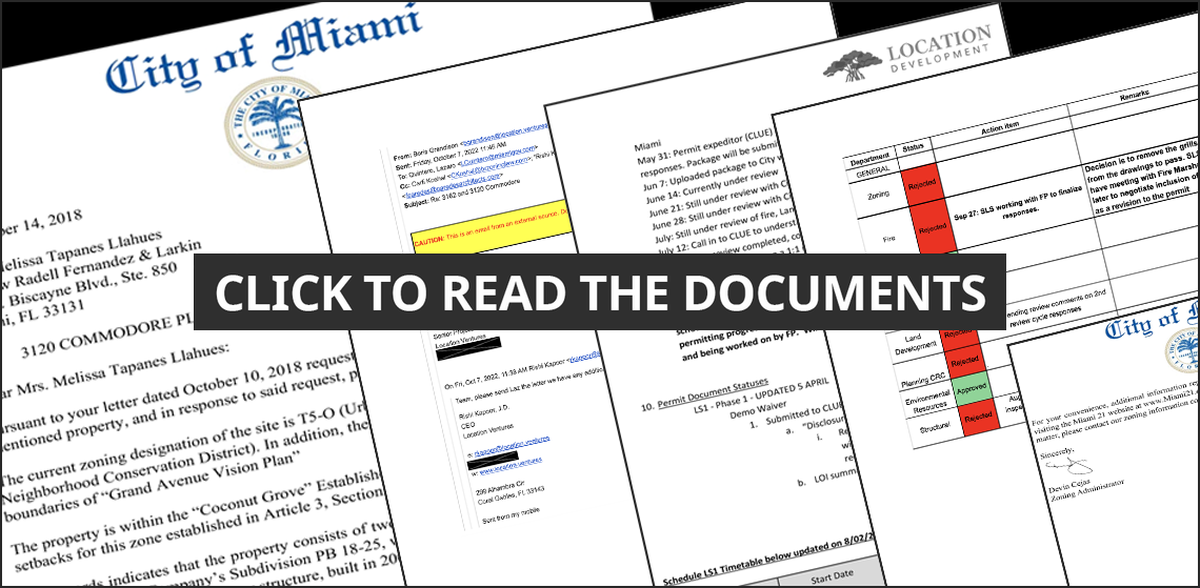
Goldberg said the mayor never approached him personally, and that his decision was not influenced by the mayor’s office. Rather, he said, he changed his position after seeing what the mayor’s aide mentioned on the call: a letter from a previous zoning director approving a similar redevelopment plan for an adjacent structure that was also envisioned as part of the developer’s project.
“So the default setting was what the code says,” Goldberg said. “And then later I got some new information. And I felt my hands were tied.”
Goldberg said he did not know why Kapoor’s team opted to send the letter through the mayor’s office rather than present it directly to him at one of several meetings he had with them throughout the second half of 2022. But, he said, it’s part of Quintero’s job to call him on behalf of those interested in doing business in the city.
Quintero did not respond directly to the Herald’s requests for comment. A spokesperson with the mayor’s office said Quintero was not aware that the developer was a client of the mayor’s when he made the call to Goldberg.
Internal company records from Kapoor’s real estate firm, Location Ventures, indicate Kapoor also tapped Suarez directly to intervene in the permitting process — resulting in at least one meeting with the city’s top administrator amid growing concerns from investors over delays.
Suarez has repeatedly denied involvement in the Coconut Grove project’s permitting, despite internal Location Ventures records provided to investors that said he would help push the zoning process along. Suarez’s spokeswoman said he was instead paid to recruit potential investors for Kapoor’s projects and did not lobby for the developer.
In a statement to the Herald, Suarez said he had no knowledge of the interactions between Quintero and Goldberg and said Kapoor’s team had reached out to his staff independently.
“The Mayor’s staff processed Location Ventures’ inquiry by referring it to the Office of Zoning as it has done routinely for hundreds (if not thousands) of constituents in the past,” said Suarez’s spokeswoman Soledad Cedro.
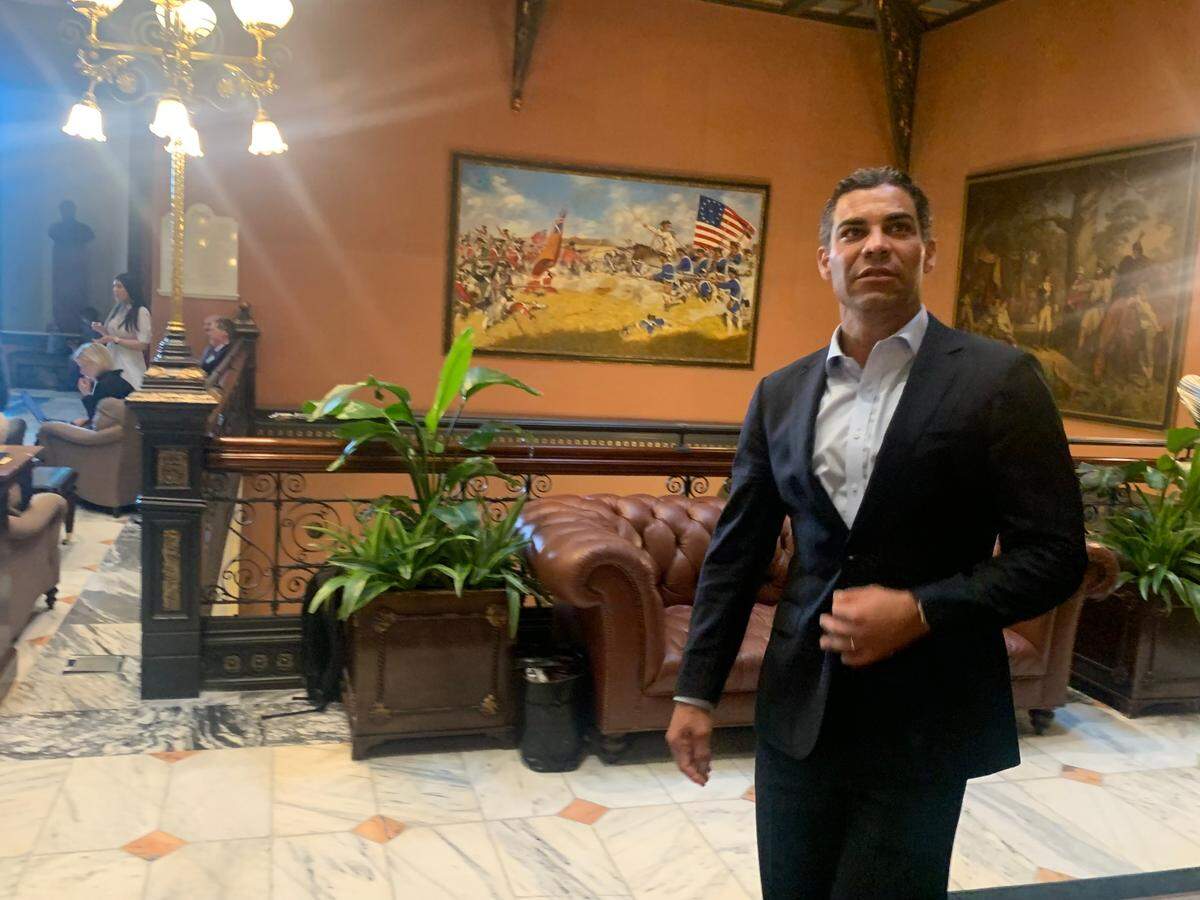
Neither Suarez nor Kapoor responded to the Herald’s request for comment about the developer’s email thanking the mayor for his assistance on the zoning issue.
In a previous statement through a spokesperson, the developer said Suarez consulted on a wide range of initiatives, none of which required him to lobby his own government.
“We have appreciated his innovative and progressive mindset and approach to affordability, sustainability, and resiliency,” the statement said. “The agreement specifically makes mention that Mayor Suarez may recuse himself or resign from his advisory role should there be any conflicts of interest.”
Waiving the Waiver Process
In 2018, Kapoor gathered investors to back his vision of redeveloping several properties along Commodore Plaza, a well-positioned but underutilized piece of land in the heart of Coconut Grove.
The project kicked off in 2021 with a plan to convert the top three levels of a condominium building located in the middle of the developer’s five adjacent properties into a co-living space marketed to workers priced out of other parts of the city. But the permitting application for 3162 Commodore Plaza stalled in early 2022 after city staffers said the zoning code required the upper stories to be set further back into the property to prevent the building from looming too large and crowding the quaint street.
Goldberg and his team told Kapoor the developers would need special permission, known as a dominant setback waiver, to build the top floors out to the property line as shown in the building plans submitted to the city.
“I told him I’m sorry, I don’t think he’s justified, which is my default response on dominant setback waivers,” Goldberg said.
Kapoor was faced with a choice: redesign the building and lose more time and valuable square footage, or go through a lengthy appeal process for the waiver, which Goldberg said would have been unlikely to succeed.
“It’s a very high bar to justify that particular approval, because it kind of runs contrary to zoning,” Goldberg said. The purpose of the code, he said, is to maintain continuity of design in a particular area over long periods of time.
Company reports provided to investors increasingly frustrated by the delays show Kapoor’s team set up multiple meetings last fall to “sell” Goldberg and his staff on approving the project, as designed, without going through the official waiver process.
Location Ventures’ records show that by October 2022, Kapoor had already missed some critical development benchmarks. And he had forked over hundreds of thousands of dollars for loan extensions to avoid foreclosures on the properties, according to a lawsuit filed by minority investors in December.
So Kapoor reached out to the mayor’s office.
“We’re ready to go on construction,” Kapoor wrote in an October email to Quintero, the mayor’s aide. Then he told Quintero to thank the mayor directly for his assistance with the process. Suarez’s then-Chief of Staff Nikolas Pascual was also copied on the exchange. (Pascual said Friday he did not remember Kapoor’s project and Quintero routinely copied him on all emails.)
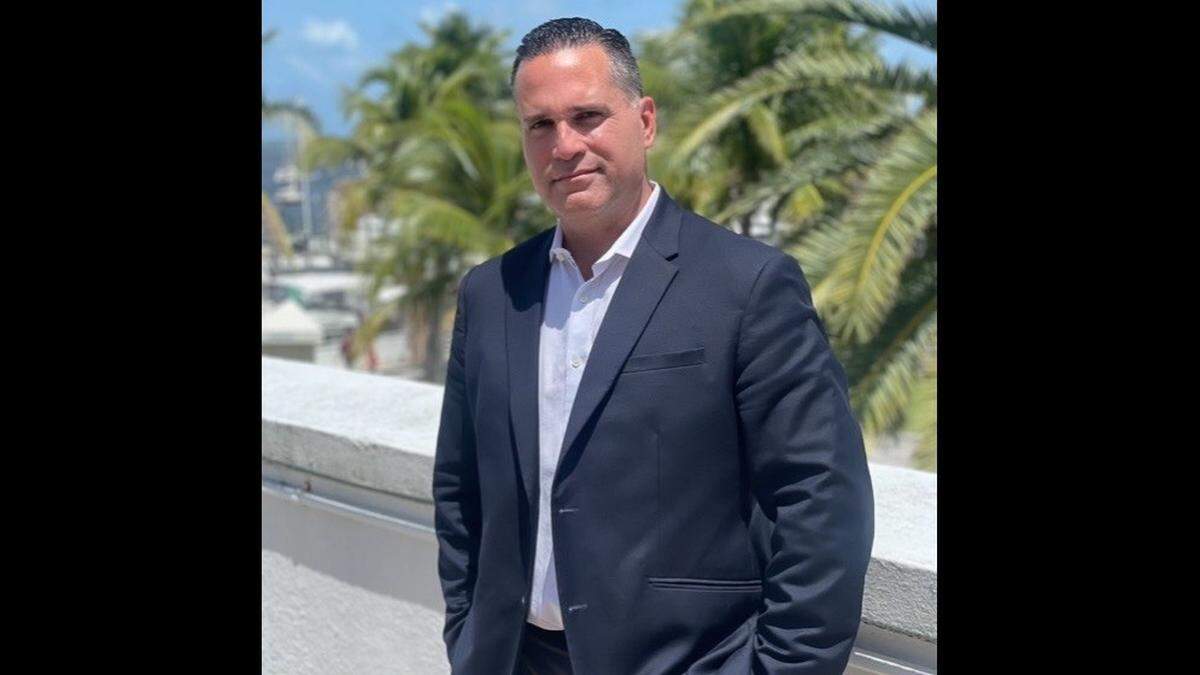
City Manager Art Noriega, who oversees the zoning director and all of the city administration’s day-to-day business, described developers going to the mayor’s staff as “almost like an appeal.”
“They’re trying to see if they can find a better way to come at a solution,” Noriega said.
Location Ventures’ internal records also indicate Noriega met with Suarez and the developer during the permitting process, although all three deny such a meeting took place.
Company meeting minutes from Oct. 4 show Goldberg continued to oppose the original design, despite multiple meetings with the development team. Three days later, Goldberg received a phone call from Quintero, according to city records.
Goldberg said that when Quintero asked him to reconsider his initial zoning determination, the mayor’s aide mentioned a 2018 letter written by then-Zoning Director Devin Cejas about a similar, adjacent structure. In the letter, Cejas determined the zoning code allowed for a hypothetical renovation that would add three more floors to 3120 Commodore Plaza, the property next door.
Quintero sent the zoning director a copy of the letter and worked with Kapoor’s team to push Goldberg to meet again to “discuss a path forward,” city emails show.
Goldberg said attorneys for the developer then told him that Kapoor and his investors had assumed the 2018 zoning determination letter applied to all Coconut Grove properties they bought at that time, not just the one expressly written about.
Goldberg said he waived the zoning restriction delaying Kapoor’s project after seeing the letter, in order to be consistent with his predecessor’s interpretation of the code — even though he disagreed with it.
“I changed my decision because I had a written representation from my predecessor, that, again, I don’t think is correct, but [that] I honored,” Goldberg said. While he acknowledged he could have interpreted the letter more narrowly, the former assistant city attorney said he worried the developer would sue.
Goldberg said that interest from the mayor’s office had nothing to do with his final determination that paved the way for groundbreaking in January 2023.
Miami Herald staff writers Jay Weaver, Douglas Hanks and Rebecca San Juan contributed to this report.
This story was originally published June 5, 2023 at 5:30 AM.




.jpg)
