Cave creature — with ‘shimmering’ cheeks — discovered as new species in China
Over time, animals become specifically adapted for their environment, fitting perfectly into the puzzle of their habitat.
Hummingbirds have long beaks for sucking nectar from flowers, polar bears have thick skin and fur to keep them warm from the Arctic tundra and beavers have big, wide tails to propel them through the water.
Another group, a family of fish known as loaches, have developed whisker-like fleshy organs to feel the water around them called barbels.
Now, a new species of loach has been discovered in a river system in China, and it has a few extra protrusions.
Yunnanilus is a genus, or “group of small freshwater fishes that inhabit slow-flowing aquatic ecosystems such as plateau streams, marshes and lakes” primarily in central China, according to a study published Sept. 26 in the peer-reviewed journal Zoosystematics and Evolution.
During a 2024 field survey, researchers collected 12 specimens from the genus, and noticed the females had unique morphology, or physical traits, according to the study.
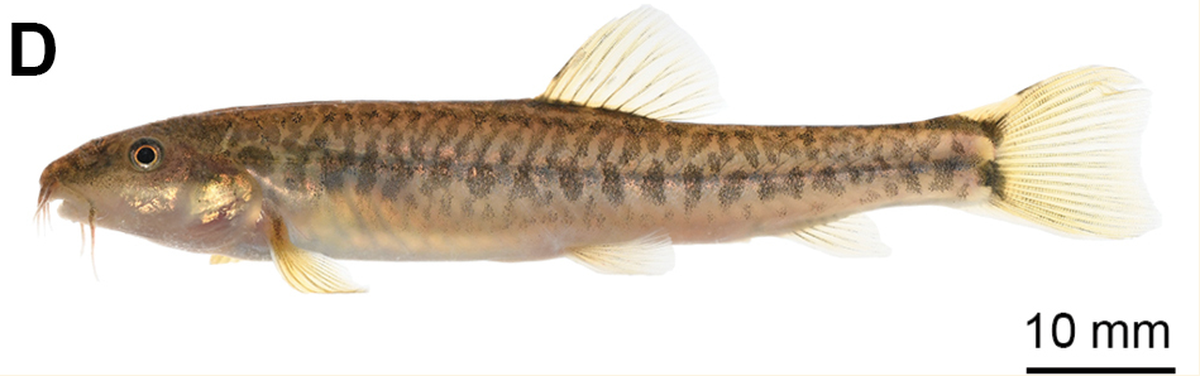
The holotype, or primary specimen, has the tell-tale loach barbels protruding from the front of its head, researchers said.
But the fish also had an additional “unique short barbel” on their chin, according to the study
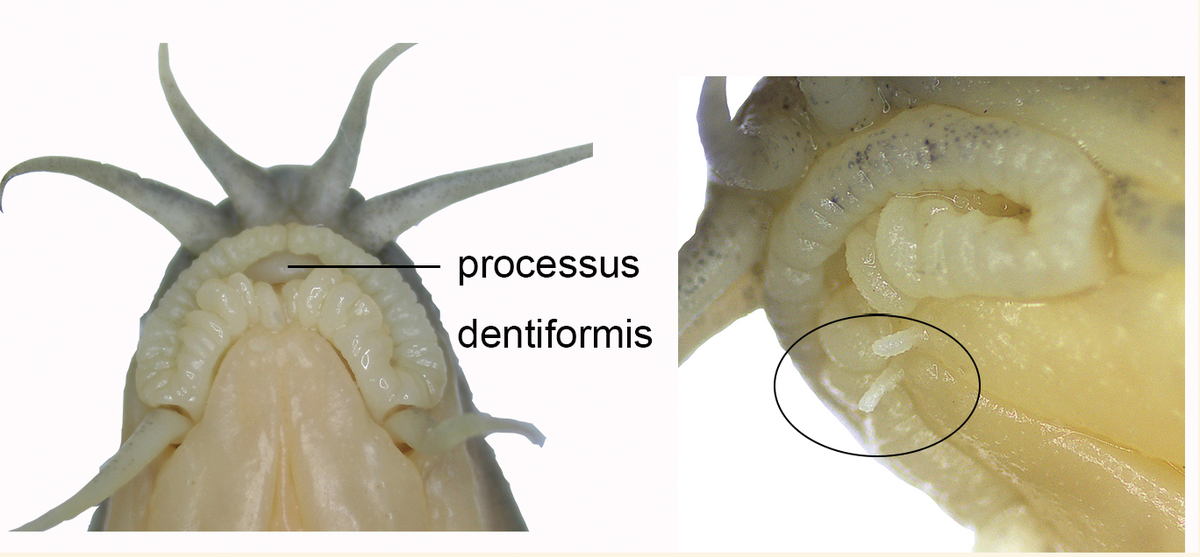
The new species was named Yunnanilus mentibarbatus, or the mentum (chin) barbel Yunnan loach.
Barbels are believed to act as another sensory organ for fish, providing feedback that allows the fish to help track down prey or food and “feel” their surroundings.
The fish is 2.6 inches long and covered in “dense” scales, according to the study.
Females of the species are “light golden yellow” on their heads and bodies, with irregular brown blotches on their backs, researchers said.
There are also “irregular spots” below the “margin of (the) eyes,” where the fish’s cheek would be covered in a “shimmering gold color,” according to the study.
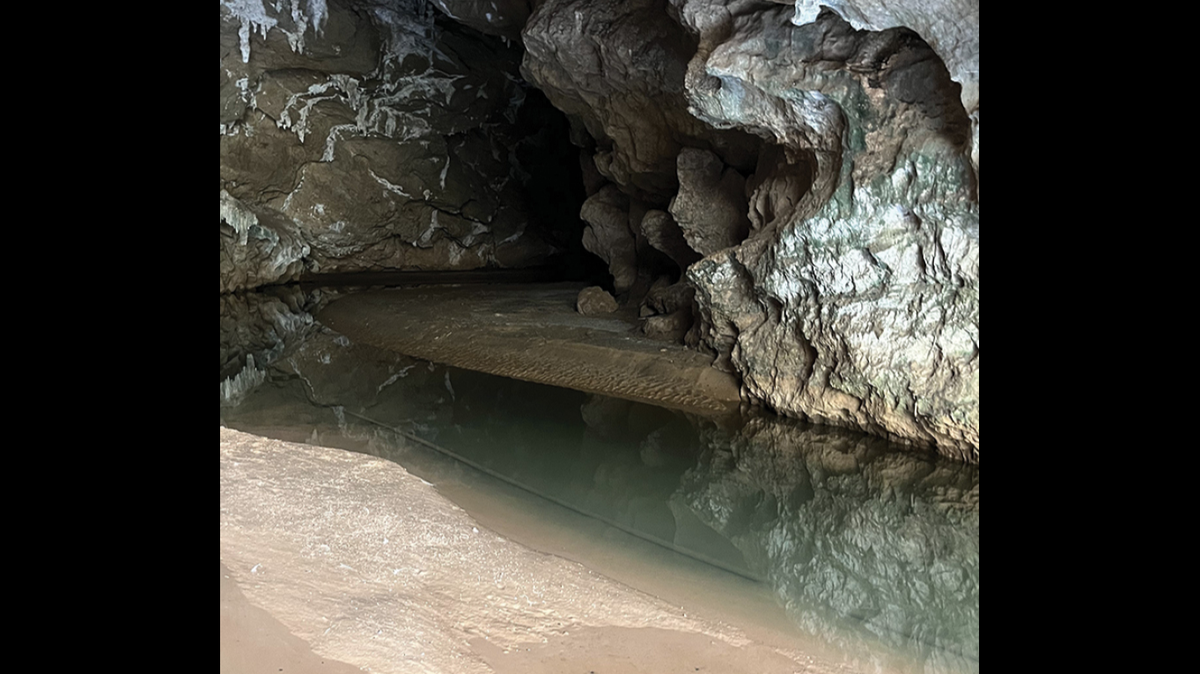
“The species inhabits deep pools in caves and streams outside caves at depths ranging from (1.6 to 9.8 feet),” researchers said. “New species distribution spans both within the cave and the adjacent surface streams outside the cave.”
The stream itself flows very slowly and is filled with water plants, according to the study.
The females collected during the survey were in “reproductive season,” researchers said, with “small spawns in the abdominal cavity.”
The fact that there were no “fleshy projections” around the genitalia of the fish and “the fact that only females are harvested” suggests a “decrease in the number of males during the reproductive season,” researchers said.
The new species was found in Yunnan Province, in south-central China.
The research team includes Zhuo-Ni Chen, Li-Na Du and Yan Liang.