Creatures found clinging to walls of 16th-century forts in Nepal are new species
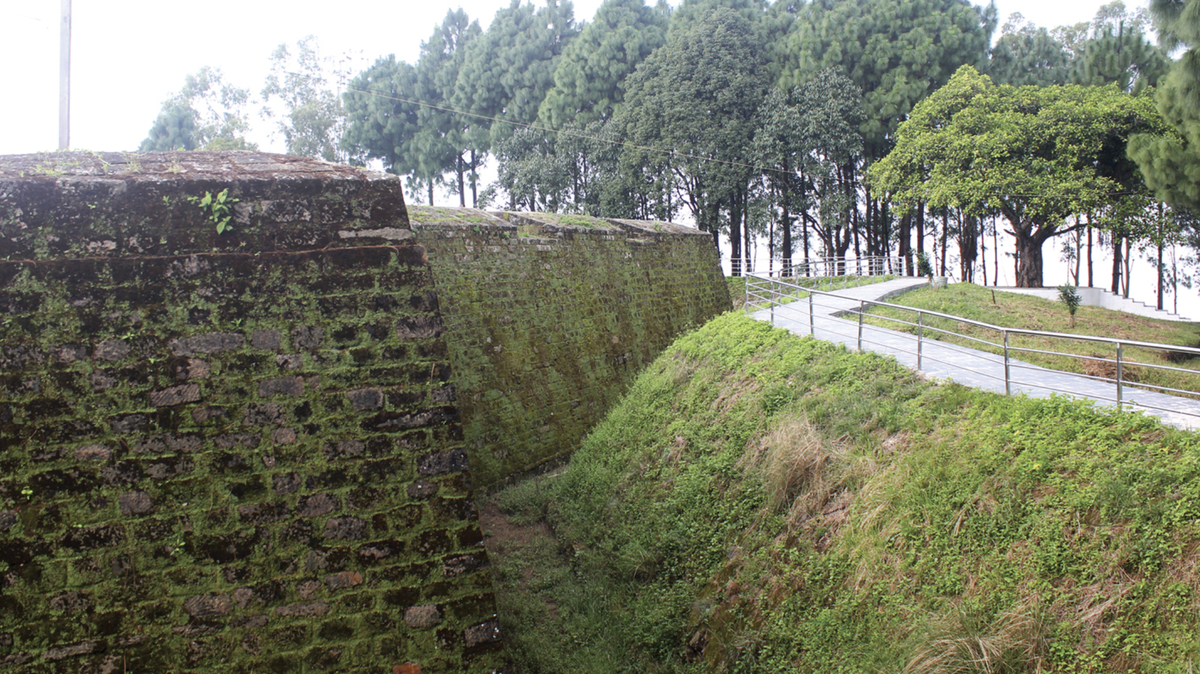
Centuries ago in the Siwalik Mountains, a range in the outer Himalayas, ancient people built stone forts.
The fortified walls of Makwanpurgadhi and Hariharpurgadhi have since become overgrown and covered with moss, transforming from sources of military power to tourist destination stops.
They are also the home of two new species of gecko.
Researchers conducting nighttime field surveys in central Nepal were on the hunt for potential habitats for Cyrtodactylus, a genus of bent-toed geckos, when they found two that looked unique, according to a study published Sept. 23 in the peer-reviewed journal ZooKeys.
They searched along “roadside walls, boulders, vegetation, and stone walls of the ancient forts,” according to the study.
At the Makwanpurgadhi fort researchers found a “medium-sized” bent-toed gecko with “enlarged, feebly keeled, weakly pointed” bumps on its body.
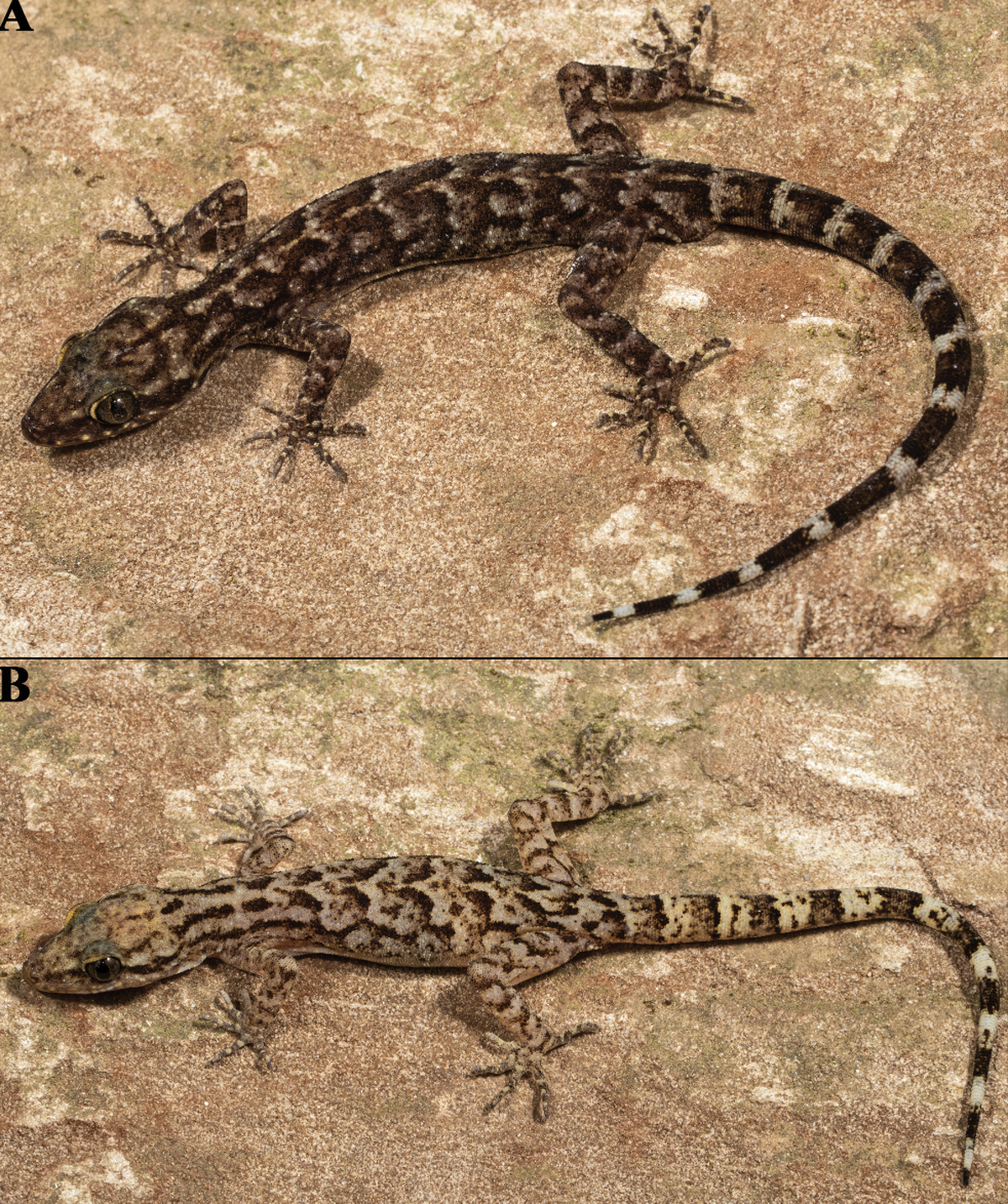
The gecko is about 5.7 inches long, with its tail slightly longer than the rest of its body, according to the study.
The gecko’s body is “pale brown” with “thick dark brown or black reticulations and pale brown blotches” down the body, researchers said.
The species was named Cyrtodactylus makwanpurgadhiensis, or the Makwanpurgadhi bent-toed gecko.
“Gadhi” means fort, according to the study, and the Makwanpurgadhi “is the largest fort in Nepal and was established in the 16th century during the Sen Dynasty.”
Between 20 and 25 geckos were spotted on the fort walls at varying heights, and on the walls that ran along the road, researchers said.
“The walls of the fort were partially covered with algae and had numerous crevices,” according to the study. “Broadly within the sub-tropical Sal mixed forest belt, there is little natural vegetation around the fort as it is a popular tourist destination with manicured lawns by day, but relatively quiet and calm at night.”
The second new species was found in a similar environment.
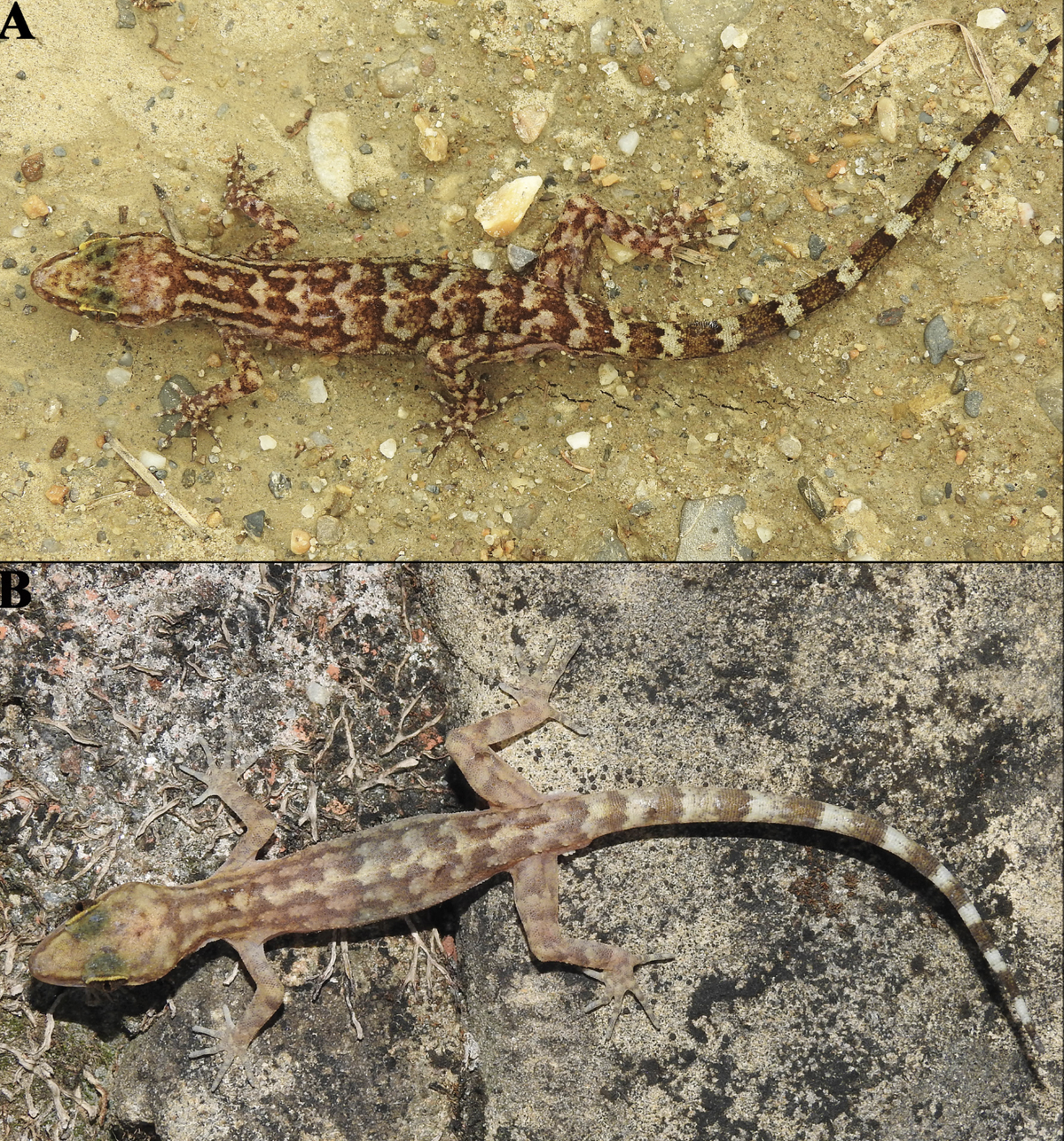
Cyrtodactylus chure was found on the walls of the Hariharpurgadhi Fort, and is a “medium-sized gecko,” according to the study.
The species name “chure,” pronounced “ch-oo-ray,” is Nepali for the Siwalik Mountains where the gecko was found.
“In Nepal, Chure is widely used among policy makers, conservationists, and local communities to refer to the Siwaliks. These are the youngest, driest, least geologically stable, and southernmost of the Himalayan ranges, delineating the boundary with the lowland (Terai) plains,” researchers said.
The Chure bent-toed gecko is smaller than the other new species, measuring about 5 inches long with a “slender” body and tail.
The body is brown with “broken up dark brown transverse markings from neck to tail-base” and bands around the tail, according to the study. It has “bronze” eyes bordered by a “pale orange” color.
The Hariharpurgadhi Fort is another mid-16th-century construction from the Sen dynasty, though this fort is not a tourist stop, according to the study.
Instead, it is “relatively remote” and more than 20 miles from the closest town.
“However, road construction projects across the Siwalik mountains, including a road development between Sindhuli and Makwanpur, will increase the volume of traffic in the near future,” researchers said. “Currently, the fort area during the night is calm and the animals appeared sensitive to flashlights.”
The new species were found in central Nepal, south of Kathmandu.
The research team includes Santosh Bhattarai, Bivek Gautam, Bishal Prasad Neupane, Akshay Khandekar, Tejas Thackeray, Ishan Agarwal, Ashley R. Olson, Fiona Hogan and Wendy Wright.