Medieval castle’s age was a mystery. Then fire led to a surprising answer in UK
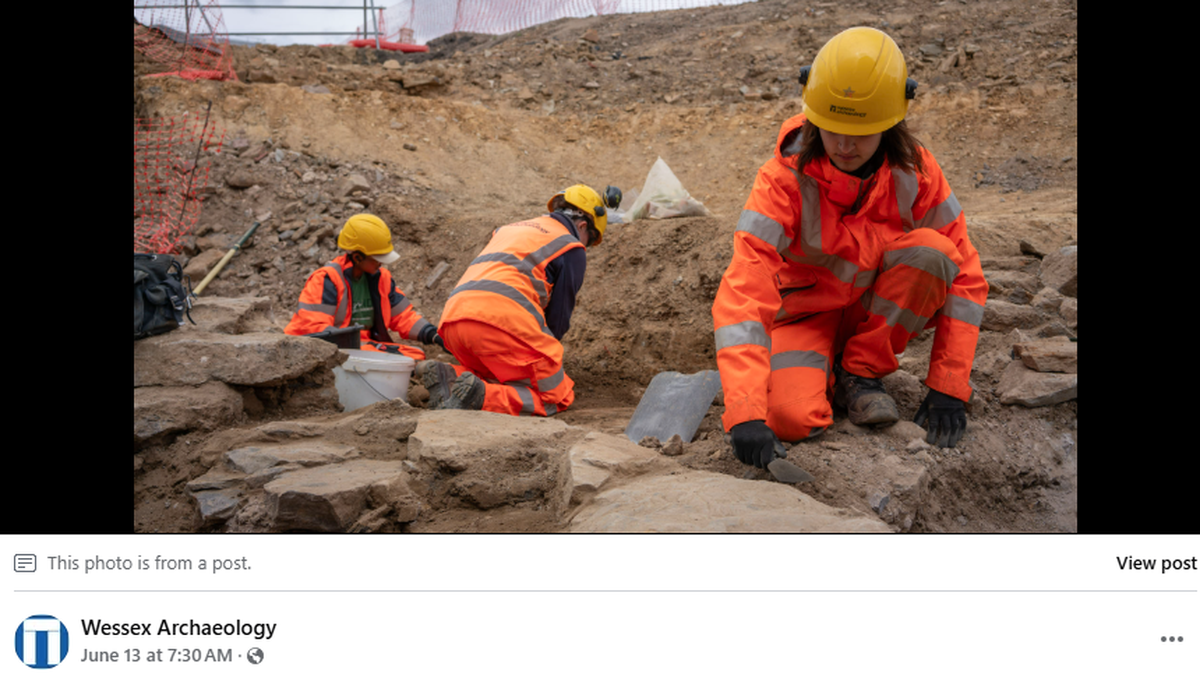
Years into excavations at a medieval castle site in the United Kingdom, archaeologists have discovered evidence that could help date the castle’s construction for the first time.
Sheffield Castle once stood at the confluence of two rivers in the north England city, surviving for centuries until it was repurposed in the 17th and 18th centuries as part of the Industrial Revolution, according to the University of Sheffield.
The remains of the castle were underground for more than 400 years until experts with Wessex Archaeology started working at the site as part of a city redevelopment project in 2018, according to the company.
There have been multiple exciting finds throughout the years, from a 19th-century steelworkers’ personal “hidey-hole” to a 16th-century coin or 17th-century civil war defenses, McClatchy News previously reported.
What remained a mystery, however, was exactly when the castle was constructed.
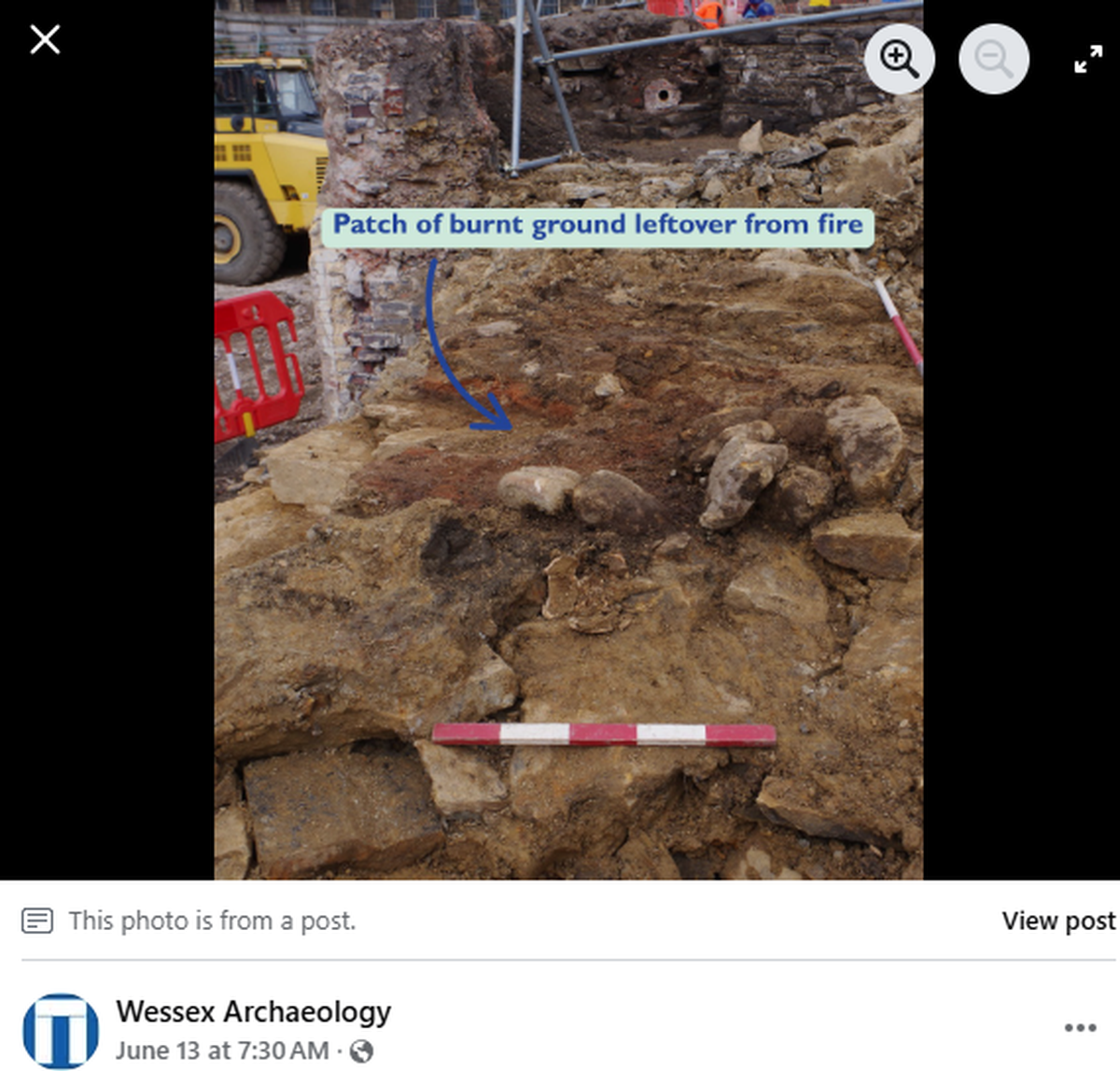
Now, a “small patch of burnt ground” found on the side of the motte, or hill where the castle stood, could narrow the timeline for the castle’s origin, Wessex Archaeology said in a June 13 Facebook post.
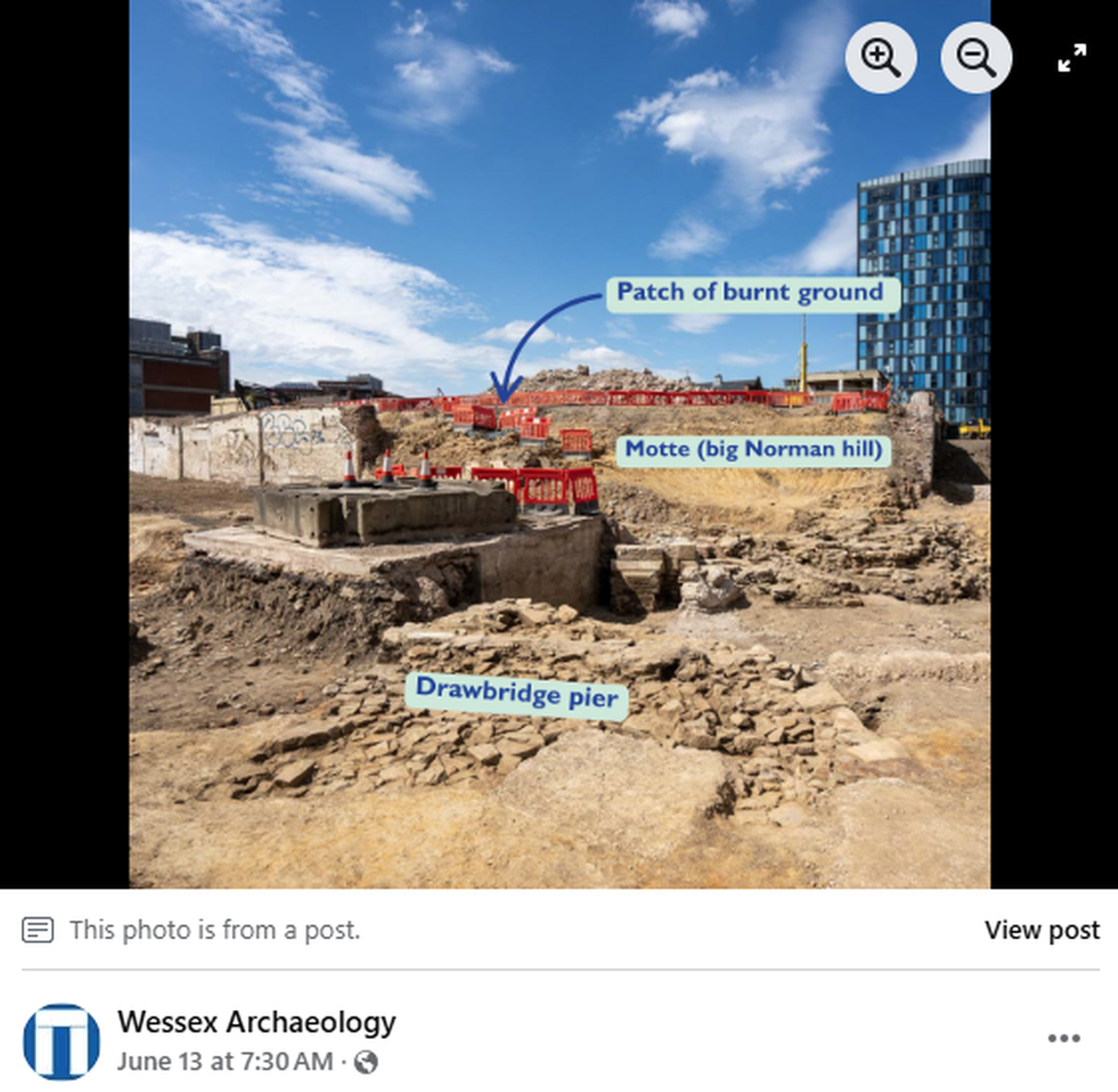
Historians previously believed builders of the castle, possibly led by a man named Roger de Busli, broke ground at the end of the 11th century or beginning of the 12th century, according to the University of Sheffield.
When archaeologists analyzed the burnt ground, however, the dates didn’t totally match, Wessex Archaeology said.
“A fire had been lit during its construction, potentially by the castle builders themselves,” the company said. “With help from Museum of London Archaeology and the University of Bradford, we were able to pursue a method of analysis called ‘archaeomagnetic dating’ which uses shifts in the Earth’s magnetic field, locked into materials when they were last heated, to estimate the age of archaeological features.”
The magnetic field of the Earth changes over time as the flow of liquid iron in the planet’s core shifts, according to the Crow Canyon Archaeological Center.
When it does, materials with high iron content — like clay and other sediments found in ancient hearths — can align their magnetisms with the Earth when they are superheated, the organization said.
The magnetism is then locked in, even when the sediment cools, allowing archaeologists to measure exactly where the magnetism was when the fire was set, and when, according to the archaeological center.
When archaeologists tested the burnt sediment at the castle site, they dated the start of construction on the castle to between 896 and 1173 A.D., possibly more than a century earlier than previously thought.
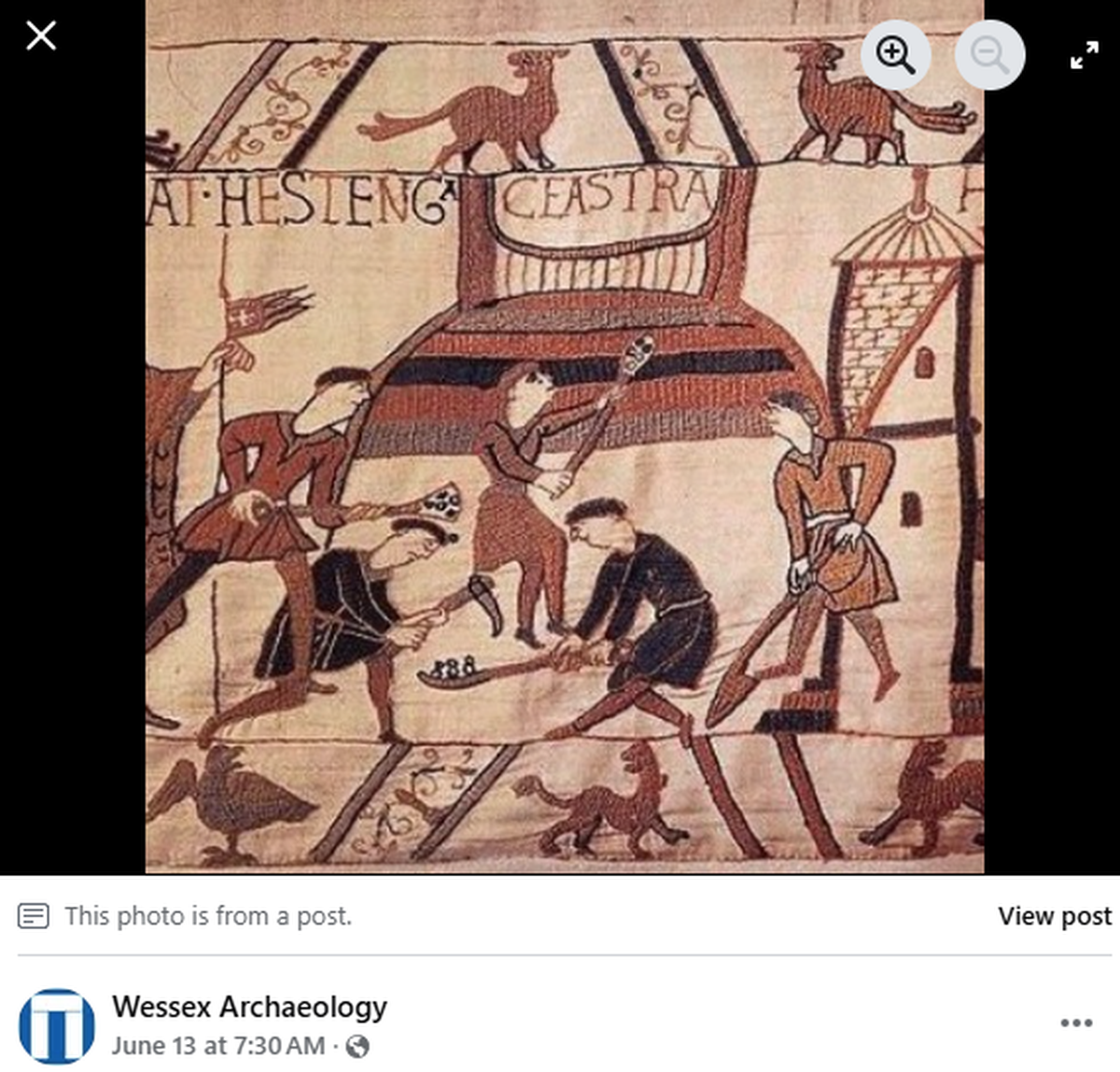
“So far, this is the only example of archaeological remains from Sheffield that can be securely tied to this period of the construction of the first castle, and therefore to the founding of Sheffield as a significant settlement,” Wessex Archaeology said.
After its construction, the castle became a pillar of the city, and was later rebuilt and developed by two families in the 12th and 13th centuries, according to the University of Sheffield. The castle was under the control of the Dukes of Norfolk during the English Civil War, then sold for redevelopment in the 17th and 18th centuries, later to be turned into slaughterhouses, metalwork sites and a place for the trades.
A 12-week excavation season in 2024 revealed much of the extensive castle remains still on site, but the archaeological project is ongoing.
Sheffield is in northern England, about a 170-mile drive north from London.