Medieval castle ‘keeps revealing its secrets’ in the UK. See the newest discoveries
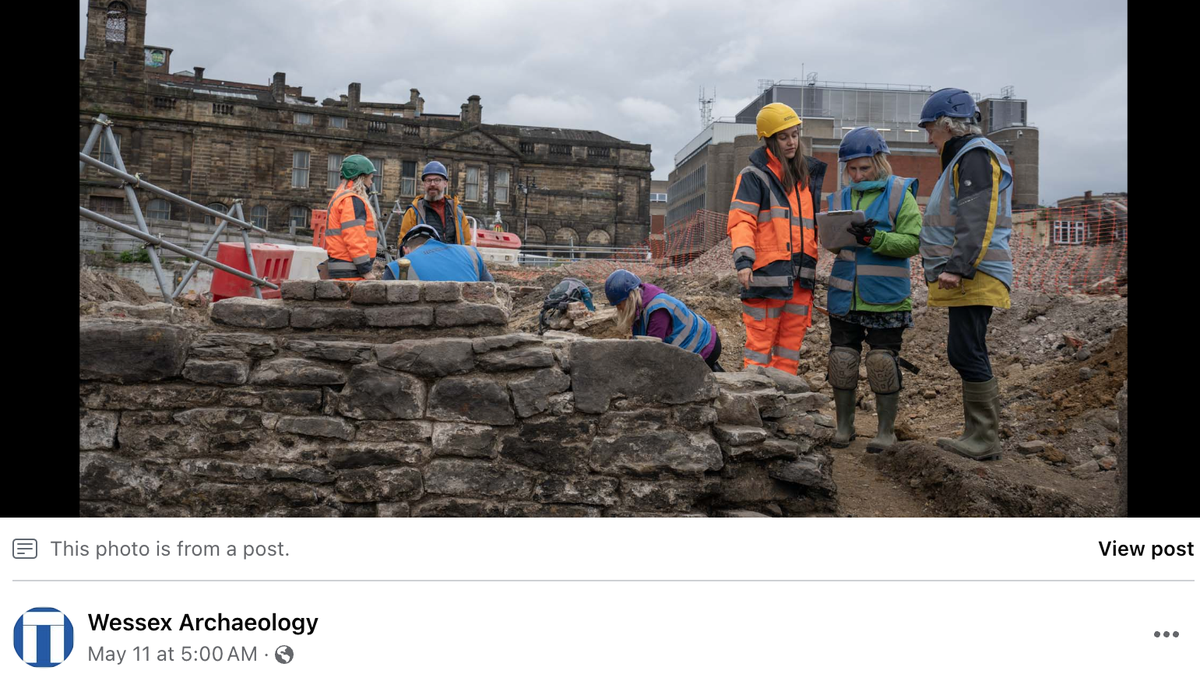
From the times of Queen Elizabeth I to 19th-century steelworkers, Sheffield Castle has been the cornerstone of an English community for centuries.
First built as a royal fortress, the construction aged with the country and evolved well into the Industrial Revolution, according to the University of Sheffield.
Now, a large-scale excavation project is peeling back each layer of time, making shocking discoveries along the way.
“Sheffield Castle keeps revealing its secrets!” Wessex Archaeology, the private archaeology group working on the project, said in a May 22 Facebook post. “From medieval tokens to undocumented castle walls, we’re revealing new evidence that tells the story of Sheffield’s birthplace.”
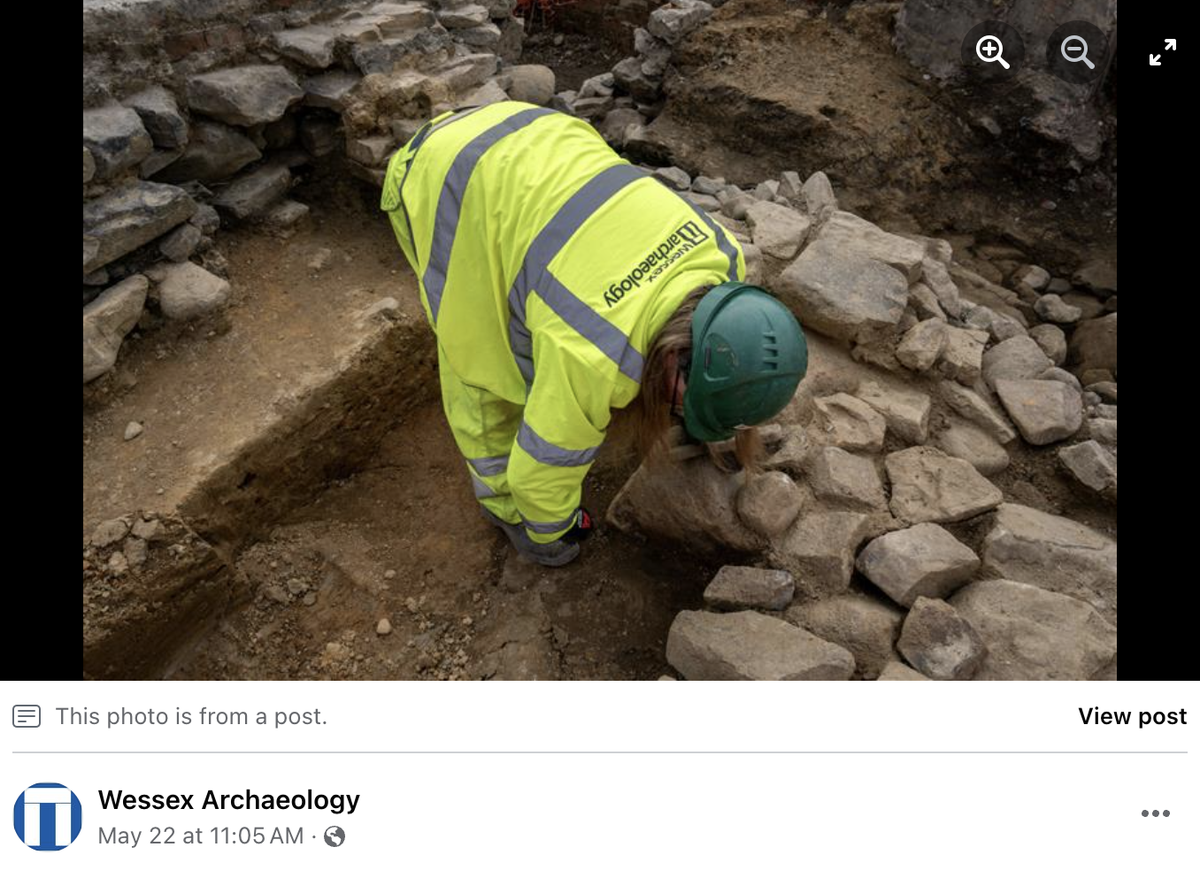
As the archaeology team was digging through the motte – a constructed hill that the castle sits on top of for strategic defense — they discovered internal walls of the castle, according to a May 22 news release from Wessex Archaeology.
About 5 feet wide, the walls are not included in any of the surviving architectural plans or documents, meaning the discovery is the first look at the layout of the castle’s interior, archaeologists said.
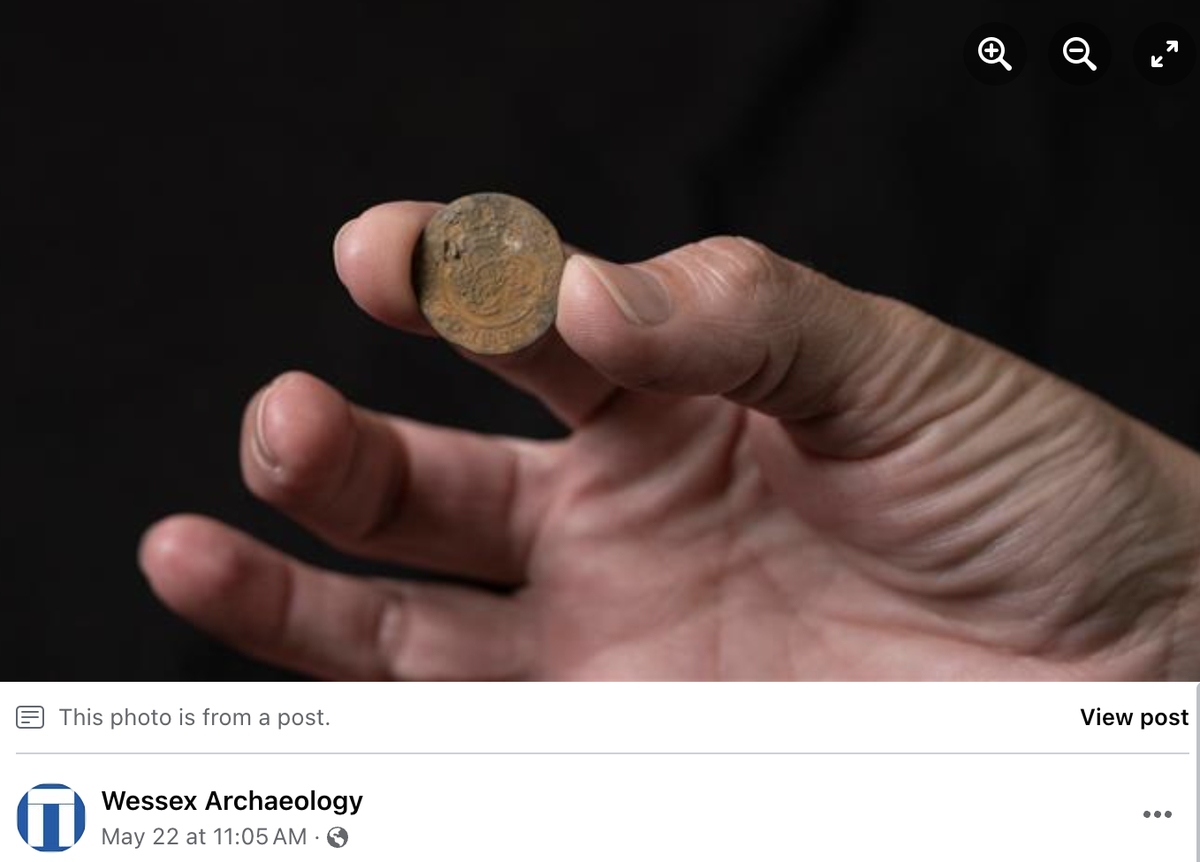
Researchers also began excavating the nearly 20-foot deep moat that surrounded the castle and discovered a Jetton, or coin, from the mid-16th century.
“Contemporary with Mary Queen of Scots’ imprisonment at the castle by her cousin Queen Elizabeth I, the Nuremberg copper-alloy Jetton is a counter that would have been used a bit like money,” researchers said.
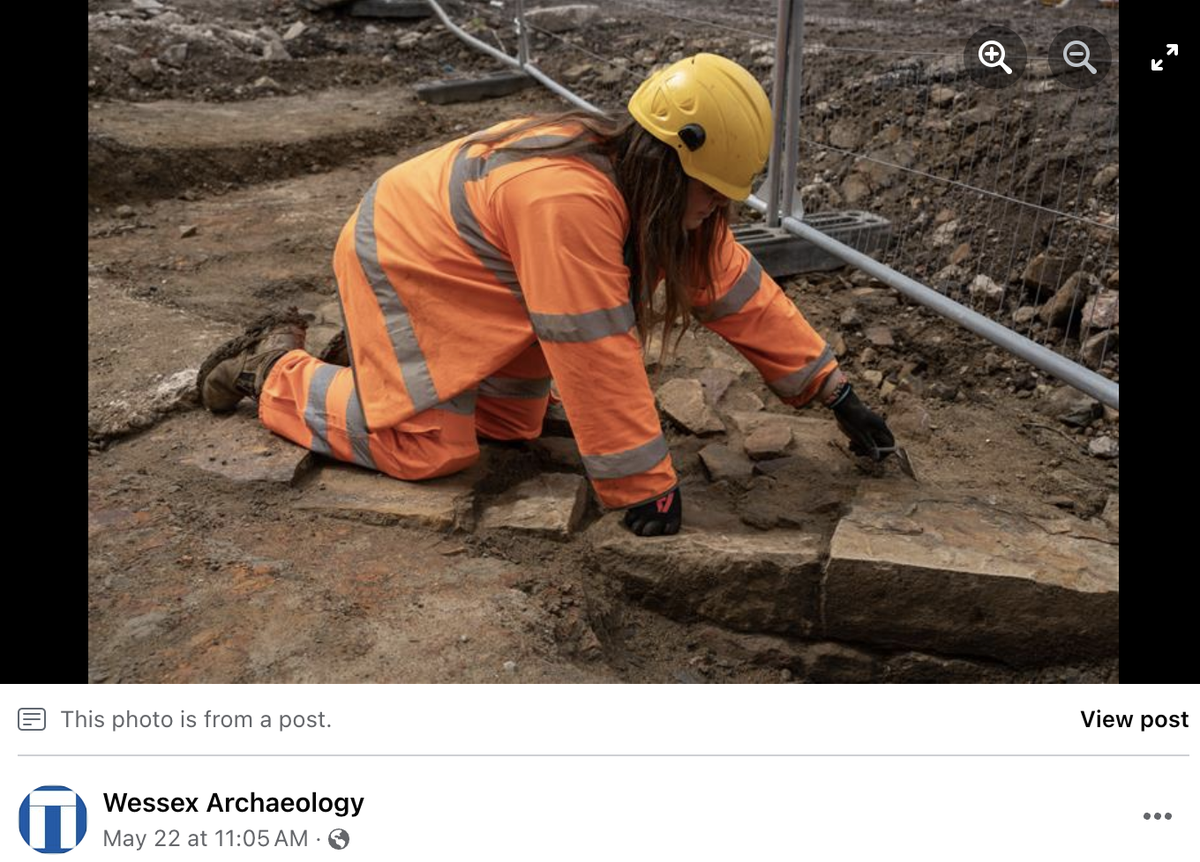
The people who used the castle would have needed a way to cross the moat, and now the base for a drawbridge has been discovered, according to the release.
“Among the remains unearthed is the castle’s drawbridge pier — a dressed sandstone platform on which the drawbridge to the castle would have set down,” researchers said. “This is the first time this part of the pier, a prominent feature of the castle’s gatehouse, has been uncovered.”
In April, the group shared the discovery of a medieval “hidey-hole” where a steelworker would have kept a personal item, like a pipe, hidden from other workers on the job site.
“As we uncover more features associated with Castle Hill steelworks we begin to tell more of Sheffield’s industrial history,” archaeologist Isabelle Sheriff said in a video at the time.
Sheffield is in central England, about a 165-mile drive north from London.