Ship sent to fetch king exploded in 1665. Now, massive bronze cannon discovered
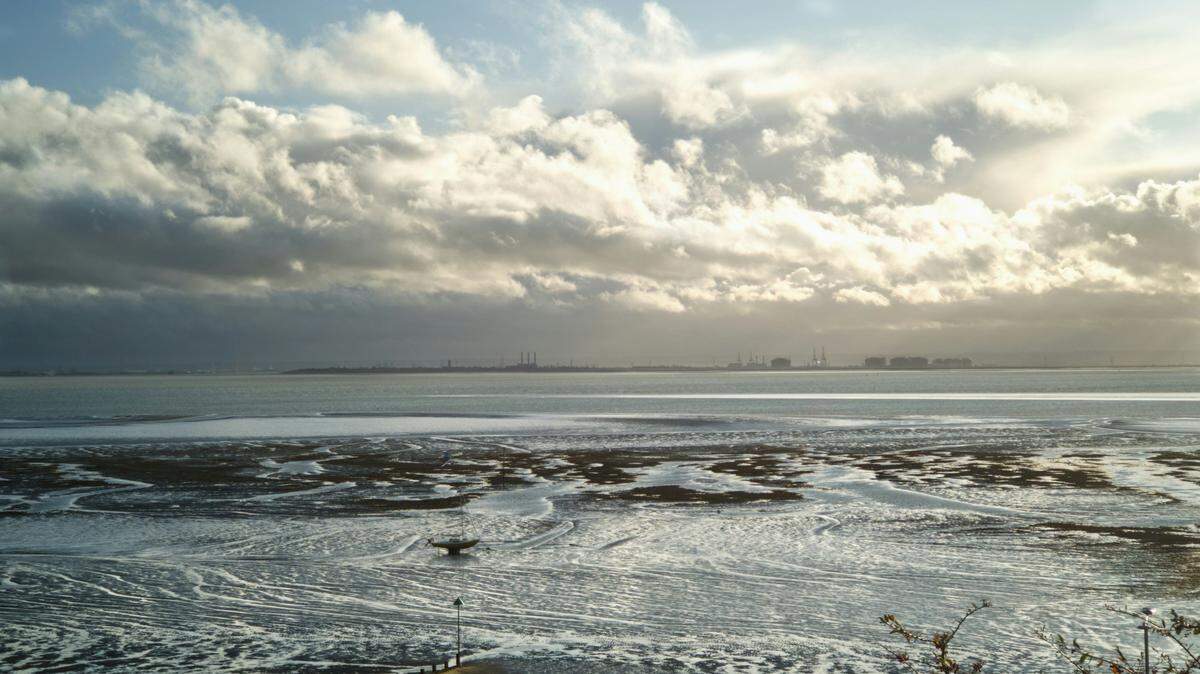
Where the Thames River meets the North Sea off the southeastern coast of England, currents swirl over the muddy bottom and bring the sediment up into the water.
It becomes murky as ships pass through the busy shipping lane, offering only a few feet of visibility to someone under the surface.
It is here that the London made its final voyage.
The 17th-century warship was built during an era of political turmoil in the country as the English Civil War came to an end and the first Anglo-Dutch War began, according to a July 24 news release from Historic England.
In 1660, the ship was part of a convoy tasked with bringing Charles II from the Netherlands back to the United Kingdom to take back the throne.
Then, disaster struck in 1665. Off the Southend Pier in Essex, gunpowder caught fire and split the ship in two, condemning it to the bottom of the sea, according to the release.
Now, a 360-year-old artifact that helped the ship in battle has been discovered for the first time.
A video describing the discovery was shared July 24 by Historic England on Facebook.
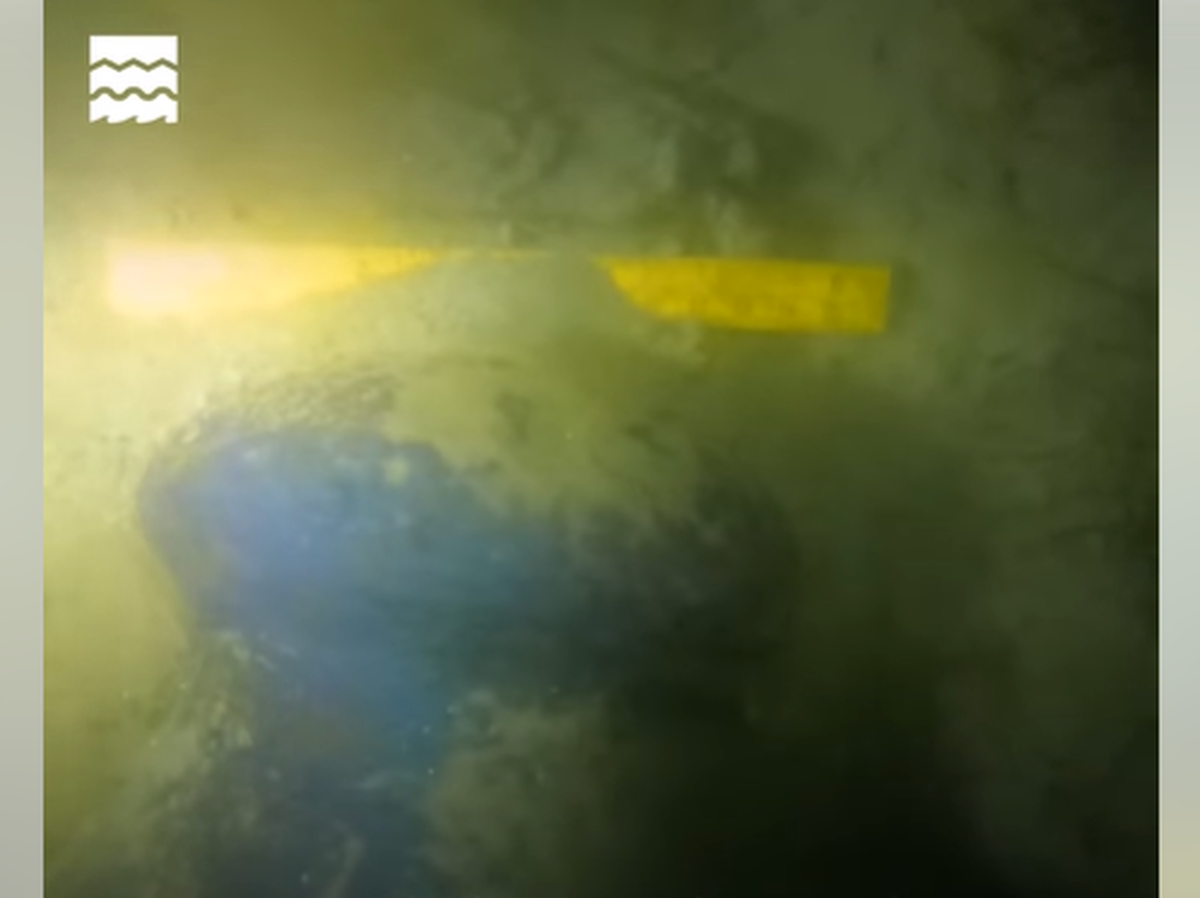
Steve Ellis, a licensed historical diver, was visiting the wreck as he has done for more than a decade when the conditions under the water became just clear enough to see something sticking out of the muddy bottom, according to the release.
An exceptionally preserved cannon was sitting on the seafloor, a piece left behind by the London.
The cannon is made of bronze and medium-sized, the release said, 8 feet, 6 inches long and part of a set that would have been put on the lower gun deck of the ship.
Before it sank, the London was one of four English ships armed with 76 bronze cannons, some of which came from enemy vessels that had been captured and others from decommissioned ships, according to the release.
Historical records show around 40 cannons have been recovered, but the rest remain lost at sea.
“For over a decade we have suspected that some of the cannons on board the London were still on the seabed, and now Steve and his team have proved it. The discovery demonstrates just how culturally rich the wreck is, and with the site actively eroding the potential for further similar finds remains ever present,” Mark Beattie-Edwards, chief executive of the Nautical Archaeology Society, said.
“This amazing discovery will help us to better understand the type of cannons on board the London when it blew up in 1665,” Historic England chief executive Duncan Wilson said. “There weren’t all the same as some were captured from enemy ships, so there is a complex story to unravel here. Our licensee divers play a huge part in investigating and monitoring our Protected Wrecks at sea, ensuring they are there for future generations to learn from and enjoy.”
The London is one of dozens of shipwrecks around the coast of England that are studied and protected, and is considered at risk of damage.
To help protect the cannon, it was given a protective marking that can be tracked if the cannon is taken from the site unlawfully, Historic England said.
“Protective marking of this cannon will act as a clear deterrent to those looking to unlawfully lift and remove historic material from Protected Wreck Sites,” Mark Harrison of Historic England said.
The London is located in the Thames Estuary, just east of London.