
Sunken ship sparks ‘largest search’ for survivors in Australia in 1969. Now, it’s found
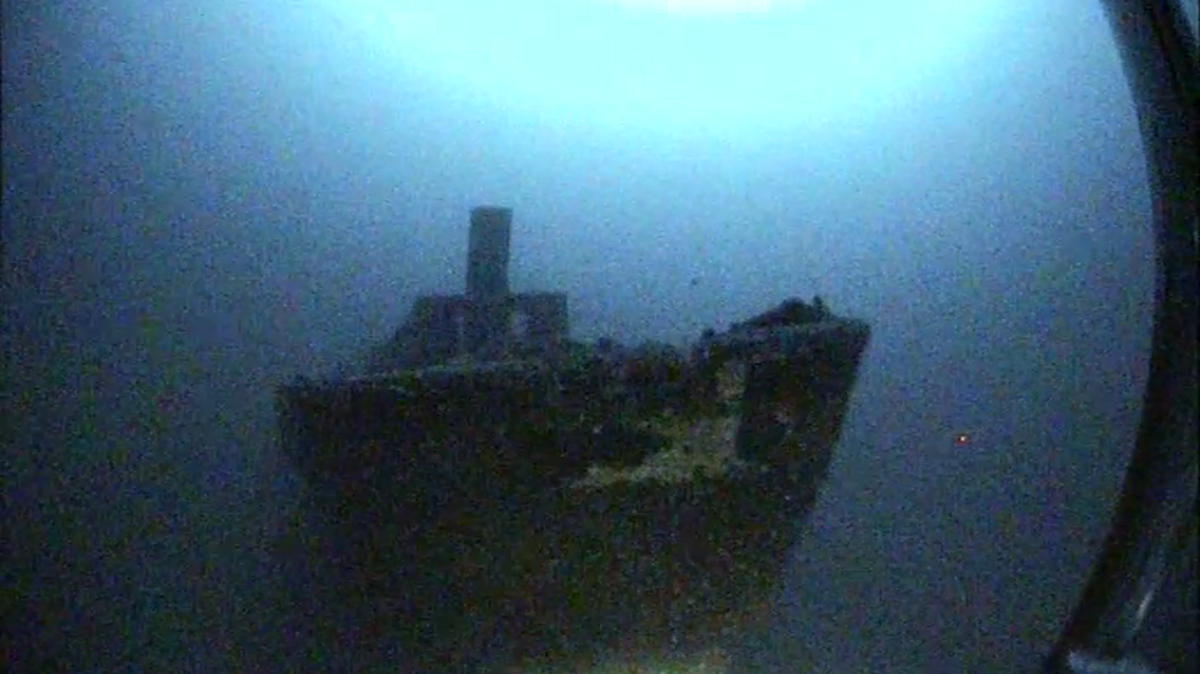
As the crew of the MV Noongah loaded their ship to head up the Australian coast, they had no idea it would be their last voyage.
The 230-foot freighter was hauling steel in August 1969 from Newcastle, down by Sydney, to Townsville, a town on Australia’s northeastern coast.
Then disaster struck. A storm filled the sky, the waves grew higher and higher, and the MV Noongah took on water until it sank to the bottom of the Pacific, according to two July 25 news releases from the Commonwealth Scientific and Industrial Research Organization.
_Supplied%20Australian%20National%20Maritime%20Museum.jpg "Australian National Line freighter MV Noongah arriving in Hobart (after 1956)_Supplied Australian National Maritime Museum.jpg")
“The loss of the MV Noongah led to one of the largest searches for survivors in Australian maritime history, involving navy and merchant vessels, aircraft, helicopters and shore-based searches of beaches along the coast,” the organization said. “Tragically, 21 of the 26 crew on board lost their lives in the incident. Only one body was ever recovered and the wreck of the MV Noongah had never been found.”
For 55 years, the location of the freighter and the final resting place of its crew remained a mystery — until now.
A few members of the public began reporting an unidentified shipwreck off the coast of New South Wales, so scientists and researchers decided to investigate during a research voyage of submarine canyons.
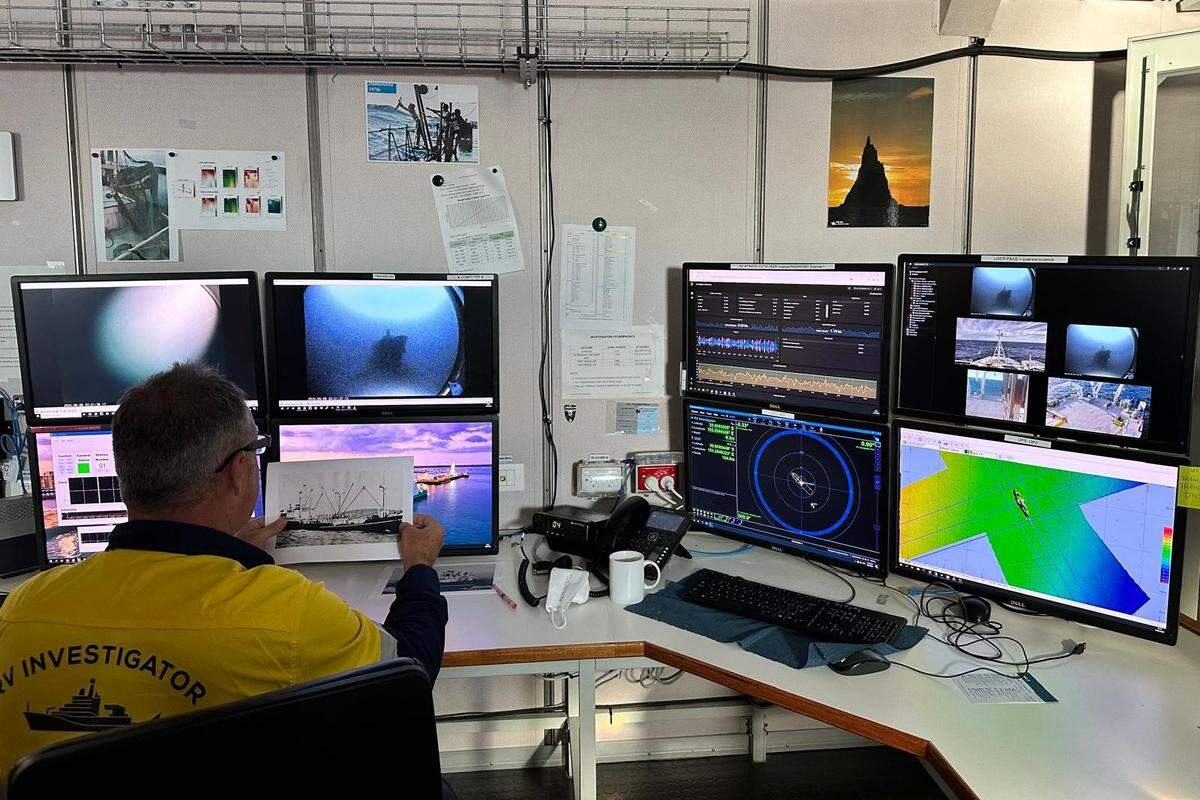
In June, a remote-controlled research vessel hit the waves and began collecting video and photos of the wreck and “high resolution bathymetry,” or seafloor mapping, according to the release.
The wreck, considered “one of the nation’s worst post-war maritime disasters,” sits upright on the seafloor and remains “largely intact,” the organization said.
“The bathymetry data shows the wreck is sitting at a depth of (about 550 feet) and is approximately (233 feet) long, with vessel dimensions, profile and configuration matching the MV Noongah,” voyage manager Margot Hind said.
Samir Alhafith, from collaborating group The Sydney Project, said “the discovery of the MV Noongah has been 20 years in the making but it was only recently that the technology and diving knowledge allowed wrecks at such depths to be more easily identified,” according to the release.
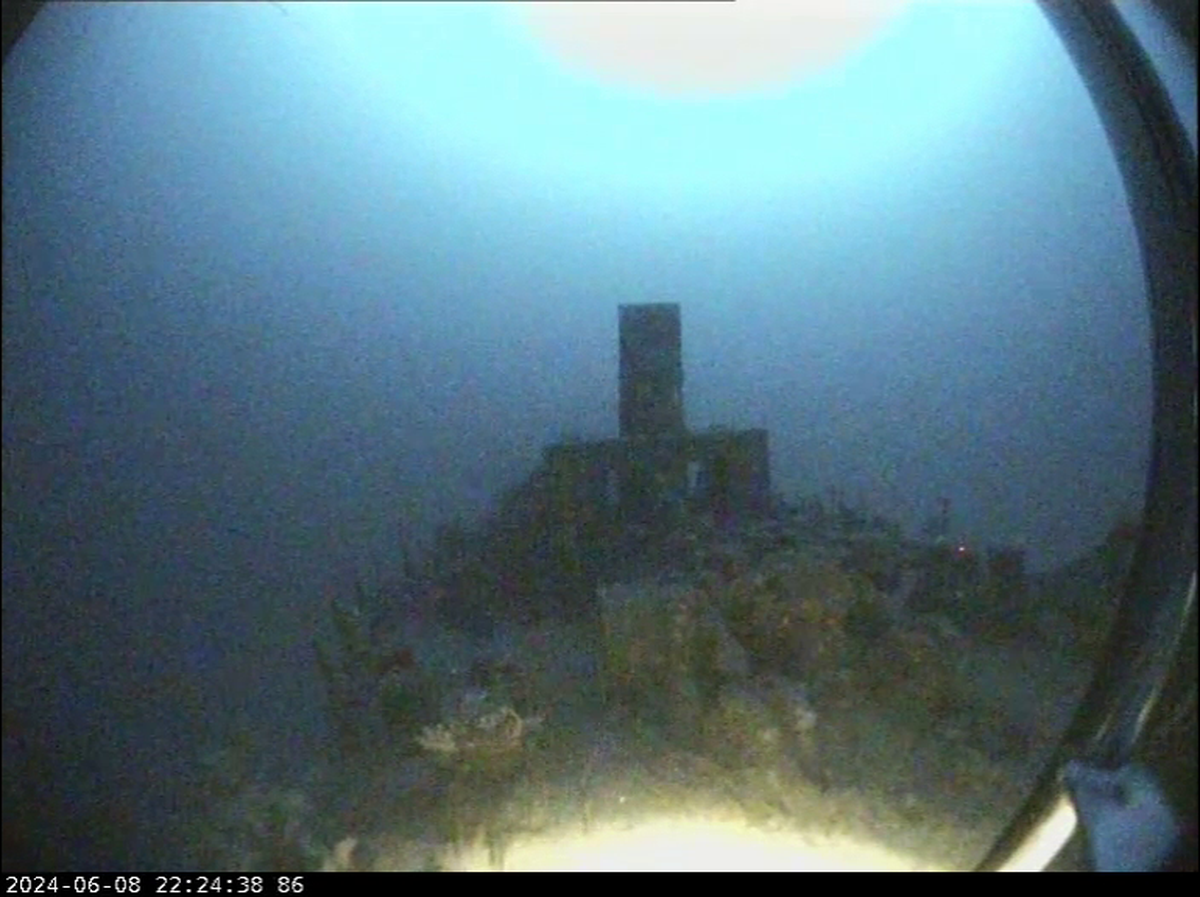
The MV Noongah had been a regular sighting along the eastern coast of Australia for the better part of a decade before it was lost to the sea, the organization said, so learning more about the wreck could help officials learn how the ocean titan was sunk.
The research team said the remote-controlled investigator can drop cameras to a depth of 16,000 feet, according to the release, and has already helped identify wrecks in 2017 and 2023.
“With 8,000 shipwrecks scattered around Australia’s coastline, and more than half of those undiscovered, there are many more maritime mysteries to solve,” the organization said.
