Key events in U.S.-Cuba relations under Fidel Castro
READ MORE
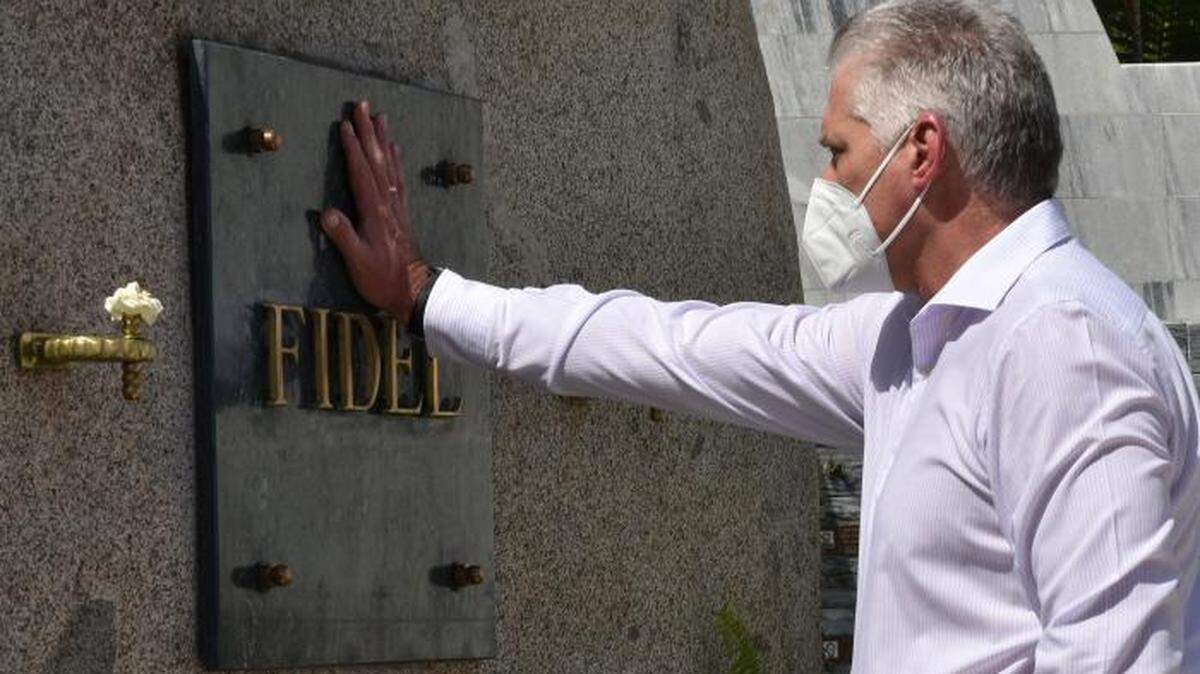
Fidel Castro’s aura has faded
Five years after Fidel Castro’s death, there are power struggles at the top, but a growing opposition movement has changed the island of Cuba
Expand All
January 1959: Fidel Castro leads victorious rebel troops into Havana.
April: Castro visits the United States, denies he’s a communist and says Cuba won’t confiscate foreigners’ properties. He promises free elections and good U.S. relations.
May: Government expropriates all private land holdings over 3,200 acres.
1960: Soviet Deputy Prime Minister Anastas Mikoyan visits Cuba. Government starts to seize control of news media; establishes diplomatic relations with Moscow; nationalizes U.S. and British oil companies; expropriates American-owned sugar refineries; gets its first military aid from Moscow; establishes the Committees for the Defense of the Revolution; nationalizes commercial real estate.
April 1961: Cuban exiles land at the Bay of Pigs and are defeated. Castro declares the revolution socialist, later says there will be no elections.
December 1961: Castro declares he is a Marxist-Leninist and has been since the beginning.
February 1962: Total U.S. trade embargo against Cuba goes into effect.
October 1962: Soviet missiles are discovered in Cuba, leading to the Cuban Missile Crisis. Soviet Premier Nikita Khrushchev agrees to withdraw them after a tense face-off with the United States.
October 1965: President Lyndon B. Johnson establishes “Freedom Flights” from Varadero to Miami. Some 260,560 Cubans reach U.S. soil by the time the program ends in April 1973.
1974: U.S. Secretary of State Henry Kissinger starts secret talks with Cuban officials.
1975: Castro sends about 18,000 soldiers to Angola. Washington suspends the talks.
1980: More than 10,000 Cubans crowd into the Peruvian Embassy in Havana. Castro says anyone can leave through port of Mariel. About 125,000 reach Florida by late September.
July 1992: Castro announces that U.S. dollars will be permitted to circulate freely in Cuba; restrictions lifted on exile visits.
August 1994: Hundreds of Havana residents stage the first street protest against the government in 35 years. Castro says anyone can leave, sparking the balsero crisis. At least 30,000 leave the island.
September 1994: Cuba agrees to curb the exodus of rafters, and the United States agrees to grant legal entry to at least 20,000 Cubans a year.
February 1996: Cuban air force fighters shoot down two Miami-based Brothers to the Rescue planes, killing four. U.S. Congress quickly passes the Helms-Burton Act tightening the embargo.
November 1999: Five-year-old Elián González is found clinging to an inner tube off the coast of Fort Lauderdale in a rafter tragedy, sparking an international custody dispute. After a seven-month battle, the Clinton administration returns Elián to Cuba with his father.
May 2002: Former President Jimmy Carter visits Cuba and in an uncensored TV appearance calls for an end to the U.S. embargo and appeals to Castro to allow democratic changes.
May 2004: George W. Bush administration imposes tighter measures on travel and cash remittances to the island. Castro responds by announcing that U.S. dollars can no longer be used in Cuba.
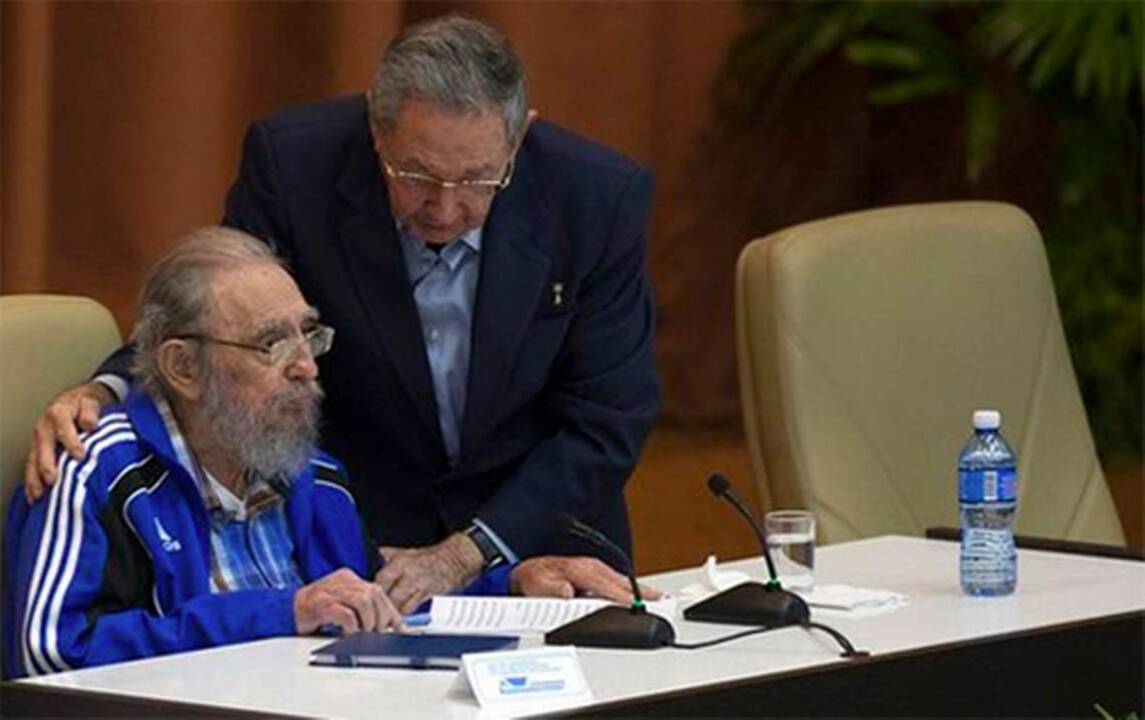
July 2006: For health reasons Fidel Castro, 79, cedes most of his titles to his brother Raúl.
February 2008: Fidel Castro announces he is permanently stepping aside. Raúl Castro assumes permanent leadership.
Dec. 17, 2014: President Barack Obama and Cuban leader Raúl Castro announce a thawing of relations between the two countries.
July 20, 2015: United States and Cuba reestablish diplomatic relations.
Feb. 18, 2016: President Obama announces he will travel to Cuba, the first president to visit the island since 1928, in March.
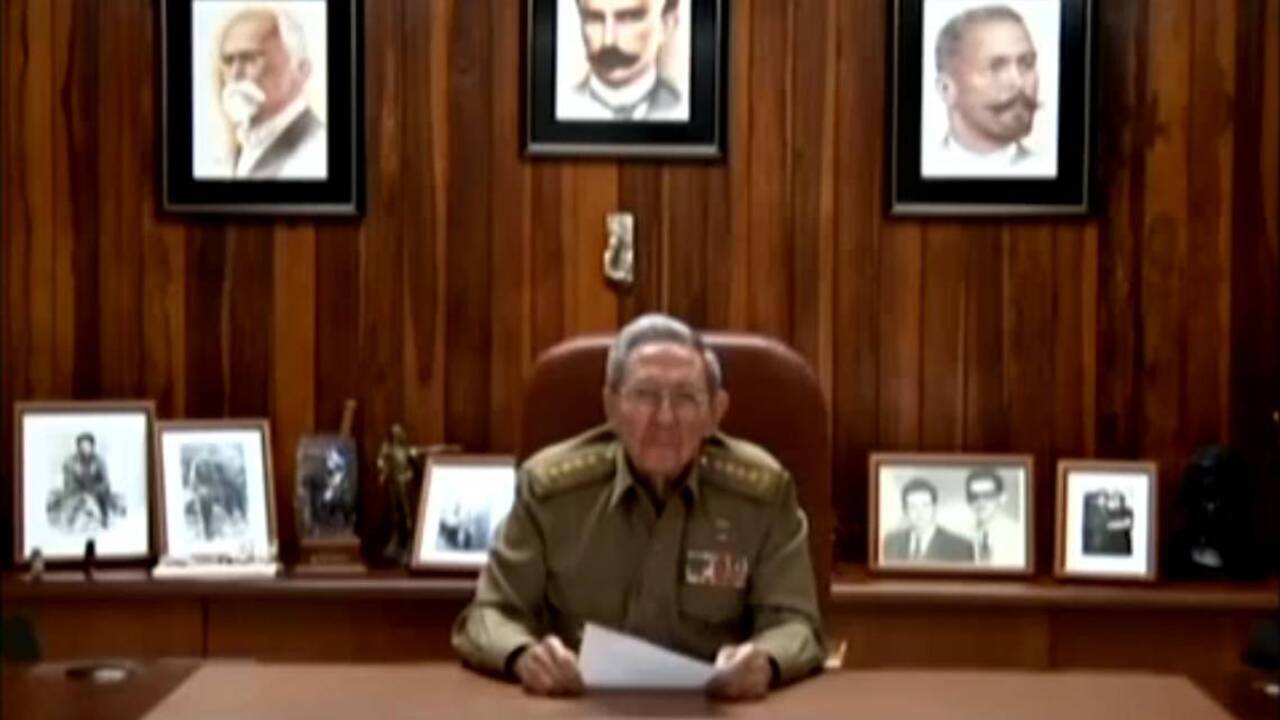
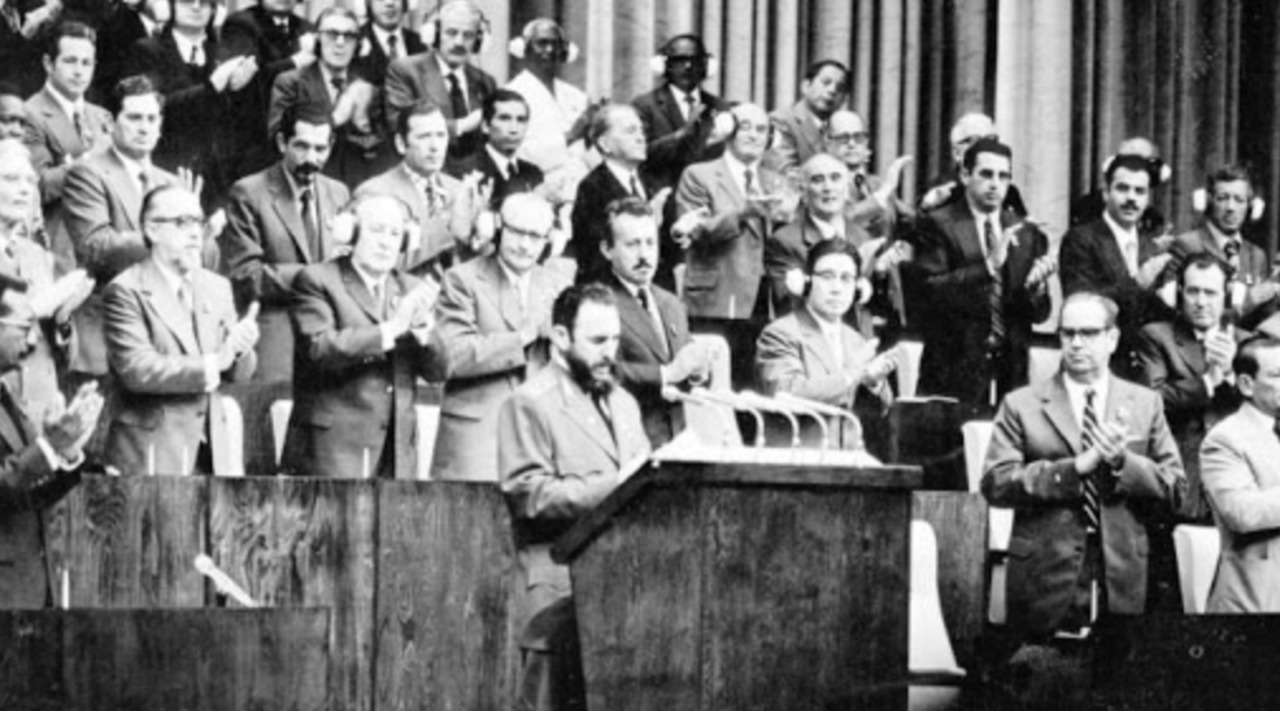
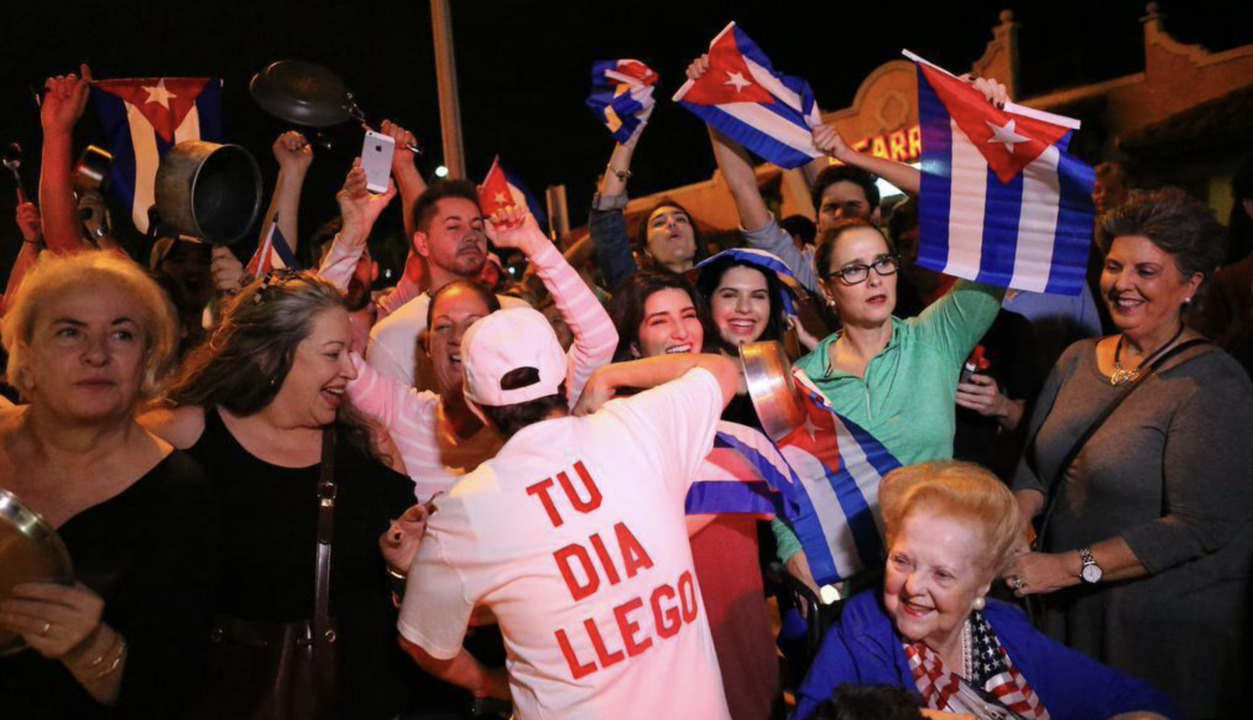
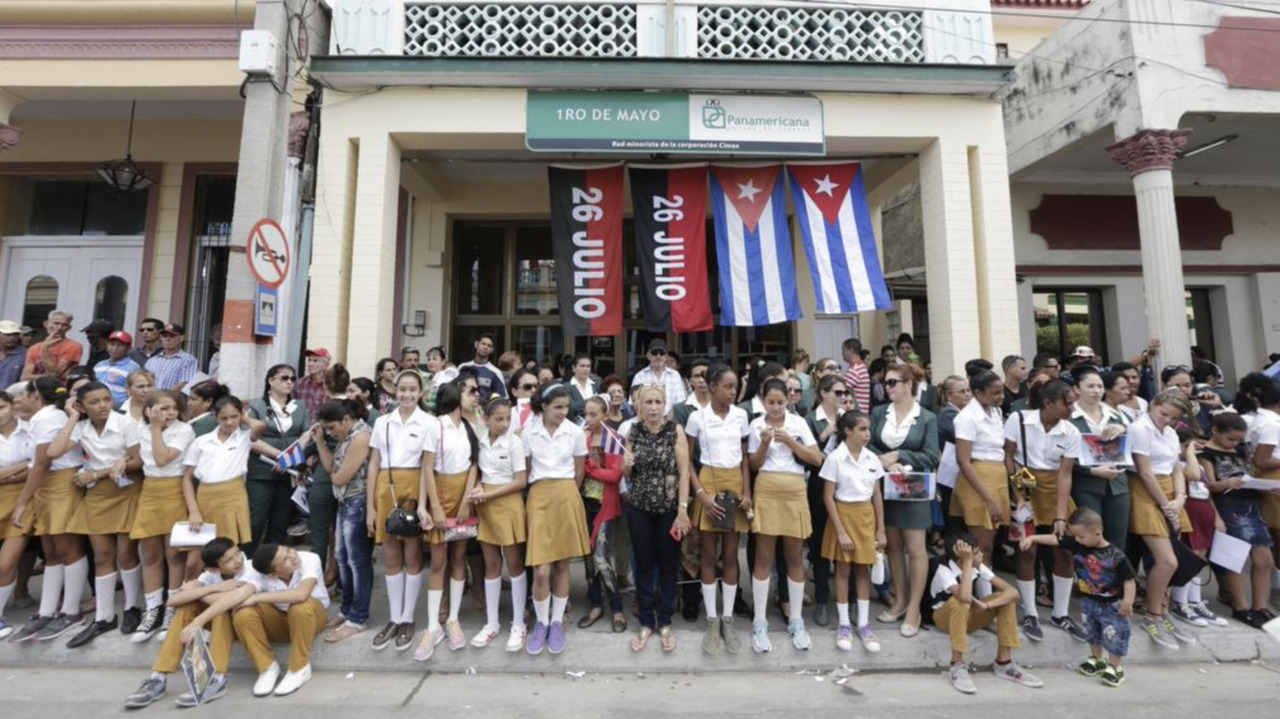
Nov. 25, 2016: Fidel Castro dies at age 90.