
‘Castrismo’ rejected: Long shadow of Fidel doesn’t loom as large anymore | Editorial
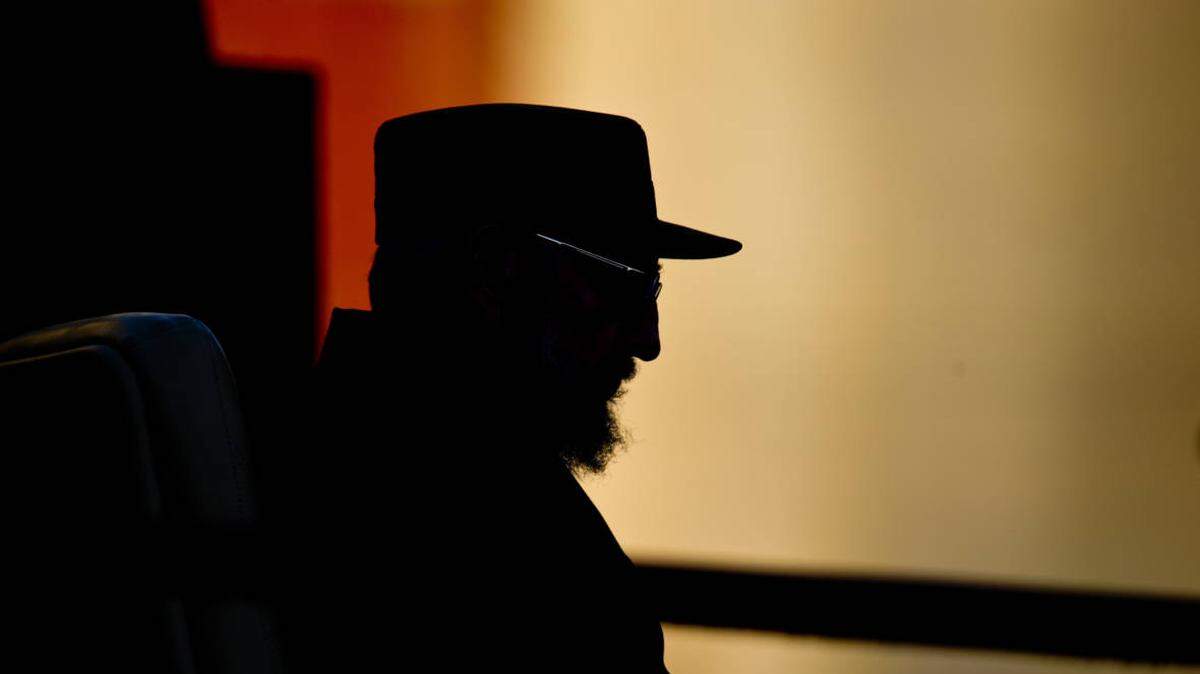
Fidel Castro died five years ago this week, but his looming shadow and legacy of oppressing the Cuban people are alive and well.
A week ago, Cuban state police fanned out and squelched plans for massive demonstrations across the island, all in the name of preserving the spirit of Castro’s 1959 Revolution. The regime did the same with the summer demonstrations in July, but only after hundreds of Cubans had poured out into the streets in defiance. For the regime, the protests were a bad look. On Nov, 15, it strangled planned protests before they could take flight.
But as the five-year anniversary of Castro’s death — on Nov. 25, 2016 — there is hope: The fact that such acts of civil disobedience were even hatched and announced to the world is proof of Castro’s waning influence, even in death, on Cubans. They no longer fear him. They no longer care about preserving his revolution. Since Castro’s death, Cuba experts in exile point to five significant changes on the island. They are rooted in a generational shift. And there has been a significant one in Cuba since Castro died.
Millennials: Younger Cubans are less and less impressed with Castro’s great, 50-year battle against imperialist America. They just want better lives — as their new inspirational mantra explains: Patria y Vida, (Homeland and Life), as opposed to Castro’s fatalistic Patria o Muerte (Homeland or Death). Castro would have hated people messing with his PR. And those same young Cubans worship the internet and social media, not Castro, and are using it to their advantage. Castro believed himself to be Cuba’s social media and would have despised this turn of events. “People are expressing their frustration and anger in ways that would have kept Fidel Castro up at night wondering how to extinguish those flames,” former U.S. Rep. Ileana Ros-Lehtinen, who spent her 40-year political career in South Florida denouncing Castro, told the Editorial Board. Without Castro, she added, “The people look fierce and strong while the regime looks cowardly and afraid.” Castro would have hated that, too.
Aging leaders: Though Castro has been dead for five years, the Marxist-based machine he created — a form of castrismo — is still mostly run behind the scenes by a cohort of old, white, military officers, veterans of the revolution with not an ounce of charisma among them. When Castro retired from public life in 2008, his brother Raúl replaced him, but not really. He was always the second banana. And current President Miguel Díaz-Canel is even more lackluster. A third banana. While the leadership is octogenarian, the makeup of the population is decidedly younger. “There’s a new generation of Cubans on the island who grew up enduring the promises of Castro’s failed revolution. They are now speaking out and standing up to those unfulfilled promises by the corrupt communist regime,” Florida Republican Sen. Marco Rubio told the Editorial Board in a written statement. Castro’s same old rallying cries, issued by those with far less appeal, have worn thin. A new wave of opposition leaders, like Yunior Garcia, of the Archipelago project and other Cuban civil-society groups, are emerging on the island and abroad. Last week, Garcia fled to Spain, but vows to return to continue his activism.
Wanting more: One of Castro’s rallying cries — to do without, endure, scrimp and wait in long lines for rationed food for the good of the people — isn’t holding water anymore. Cubans, facing daily misery, repression and hunger, have had enough. “They see five-star hotels for tourists under construction, while Cubans live in collapsing buildings,” Frank Calzon, executive director of the Washington, D.C.-based Center for a Free Cuba, told the Editorial Board.
And COVID-19, plus President Donald Trump’s, then President Joe Biden’s travel and money-deposit restrictions have made it harder for Miami exiles to prop up the island’s economy. If alive, the old Castro would have roared at the White House.
World is watching: Cubans may see themselves differently, but so does the world. “Just as important is how the world sees Cuba,” Calzon says. Through the internet and social media, younger Cubans are letting the world know, with their video of state police beatings, of unjust arrests and crackdowns on anyone who dares congregate.
For change to happen, Calzon says, people outside the island must be willing to help. We have seen the mobilization around the world of Cuban communities and others in support of those repressed on the island. Throughout Latin America, Cuba’s regime is not as romantic without Castro. Just another poor country struggling financially.
The faithful: Religion is back on the island. The late Cardinal Jaime Ortega, who for decades was unwilling to denounce Castro’s government, died in 2019. The new Archbishop of Havana, Juan de la Caridad García Rodríguez, has called on the faithful to publicly proclaim their faith. Dozens of priests are no longer silent, and some participate in the peaceful marches. Opposition leaders are often seen wearing rosaries around their neck.
Five years after his death, Castro’s imprint in Cuba and Miami are undeniable. After all, Castro managed to disrupt the lives of more than 1 million Cubans sent into exile, mostly to Miami. He gleefully dubbed them “the Cuban Mafia.”
For this we can be grateful: Castro inadvertently played a critical role in making Miami the vibrant, multicultural metropolis that it is today. But we need not thank him. When he died five years ago, there were street parties from Little Havana to Hialeah.
This week, expect silence in Miami on the fifth anniversary of this tyrant’s death.
This story was originally published November 24, 2021 at 7:00 AM.