Protein editing food could alleviate gluten sensitivity, study finds. Here’s how

About 1% of the world’s population is affected by celiac disease, an immune condition that causes inflammation of the small intestine after consuming gluten.
It may seem like a small number, but that’s 80 million people.
The condition is on the rise worldwide, along with other gluten sensitivities, but gluten-free breads, wraps and cereals leave some room for improvement.
Now, research led by the University of California, Davis, has found some of these sensitivities could be alleviated — or eventually prevented — by genetically modifying gluten at the source: wheat.
“(Celiac disease) is triggered in genetically predisposed individuals by consumption of wheat gluten and gluten-like peptides. Currently, the only effective treatment for (celiac) is a completely gluten-free diet,” researchers said in a study published April 8 in the peer-reviewed journal Theoretical and Applied Genetics. “However, even those who strictly adhere to a gluten-free diet may suffer from compromised health due to nutritional imbalance and a less robust gut microbiome, social isolation and an increased cost of living.”
Gluten is a protein polymer, or long chain, that includes two classes of protein that help give things like bread and pasta dough their elastic and moldable structure, according to the study.
The researchers channeled their scientific focus on two proteins in the gluten chain called glutenins and gliadins. These two proteins can bind with T-cells in the human body, triggering an immune response in people with celiac disease, according to the study.
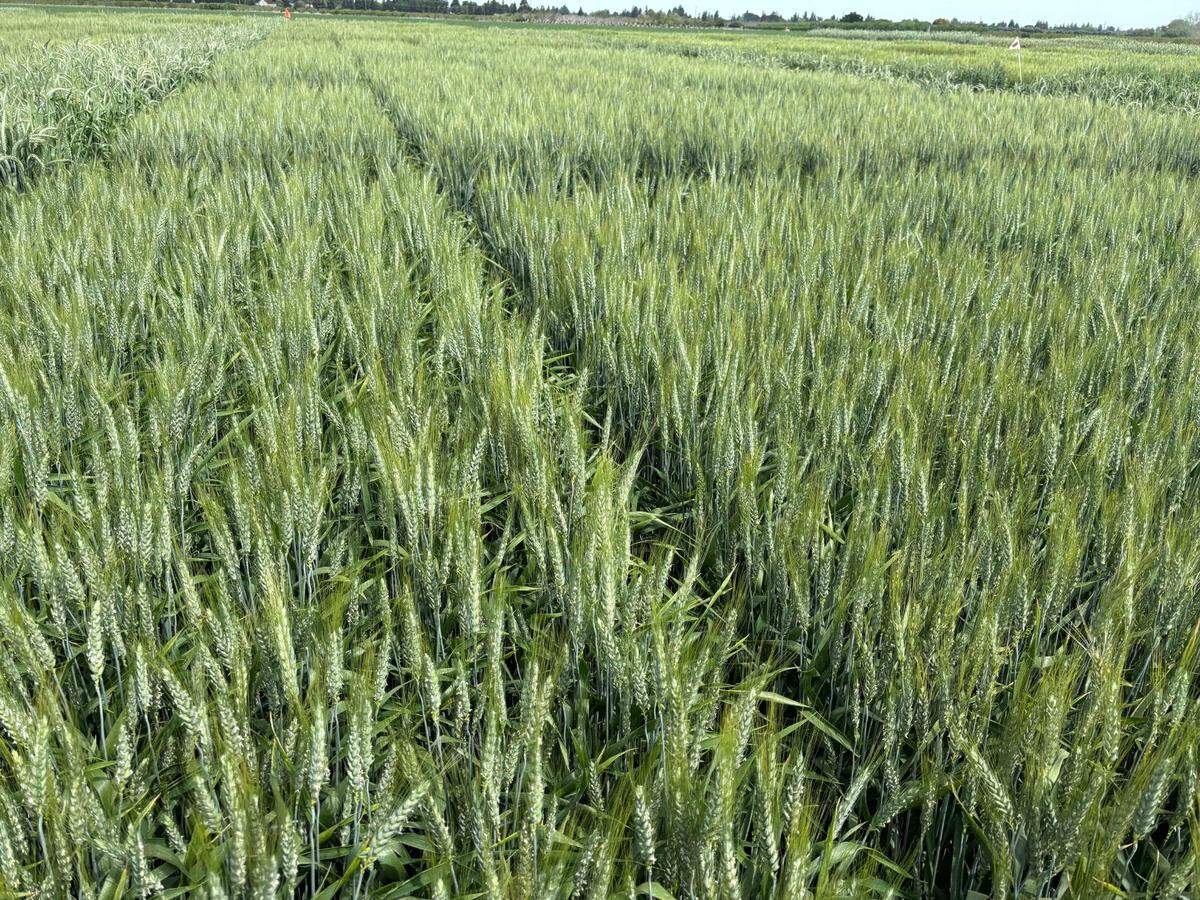
Researchers used targeted gamma radiation to “delete” the gliadins in normal wheat plants and then produced seeds of the altered plants, according to a May 5 news release from UC Davis.
Those seeds were grown and tested at the California Wheat Commission quality lab, where they found that the quality of bread produced from the modified wheat was exactly the same as the original plant, or in some cases, better, according to the release.
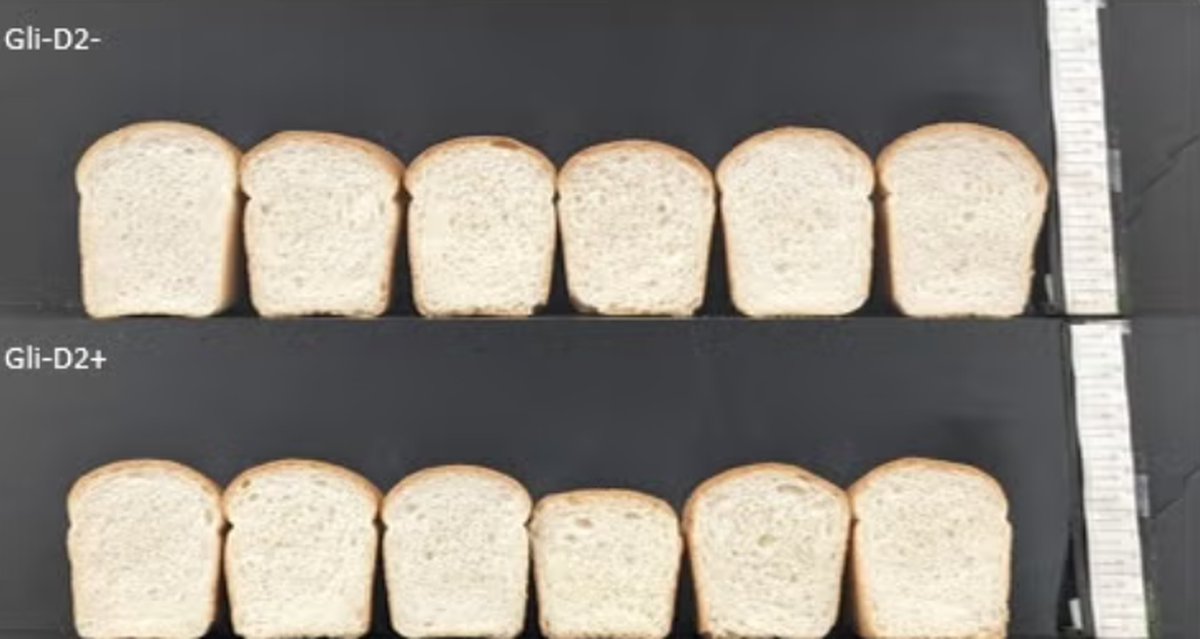
“It was previously assumed that the elimination of gliadins would have a negative effect on breadmaking quality,” wheat geneticist and co-author on the study, Jorge Dubcovsky, said in the release. “Our study shows that this is not always the case and that we can reduce wheat allergenicity and improve quality at the same time.”
Researchers note, however, that the variant as it stands now is not a completely celiac-safe form of wheat, but marks an important step in the right direction and may be better for those with less severe gluten intolerances.
“Growers can not only grow it but can expect to have a higher quality product, which I think is a huge incentive for folks to widely adopt this variety,” researcher and lead author Maria Rottersman said in the release. “They can be planted in the same way that normal wheat is planted.”
The new variety doesn’t need any special handling for the California environment, researchers said, and artisanal bakers, millers and those with farm-to-fork businesses have expressed interest in it.
“Wheat is a staple crop, and many people are reliant on it for calories,” Rottersman said. “It becomes a barrier when people are not able to safely eat wheat. Alpha-gliadins are definitely candidates for removal in terms of trying to create a less allergenic wheat.”
The research team includes Dubcovsky, Rottersman, Wenjun Zhang, Junli Zhang, Gabriela Grigorean, German Burguener, Claudia Carter, Teng Vang, Joshua Hegarty, Xiaoqin Zhang and Sean Finnie.
This story was originally published May 9, 2025 at 12:14 PM with the headline "Protein editing food could alleviate gluten sensitivity, study finds. Here’s how."