Fall at construction site left man with 3-foot iron rod in his head. He survived
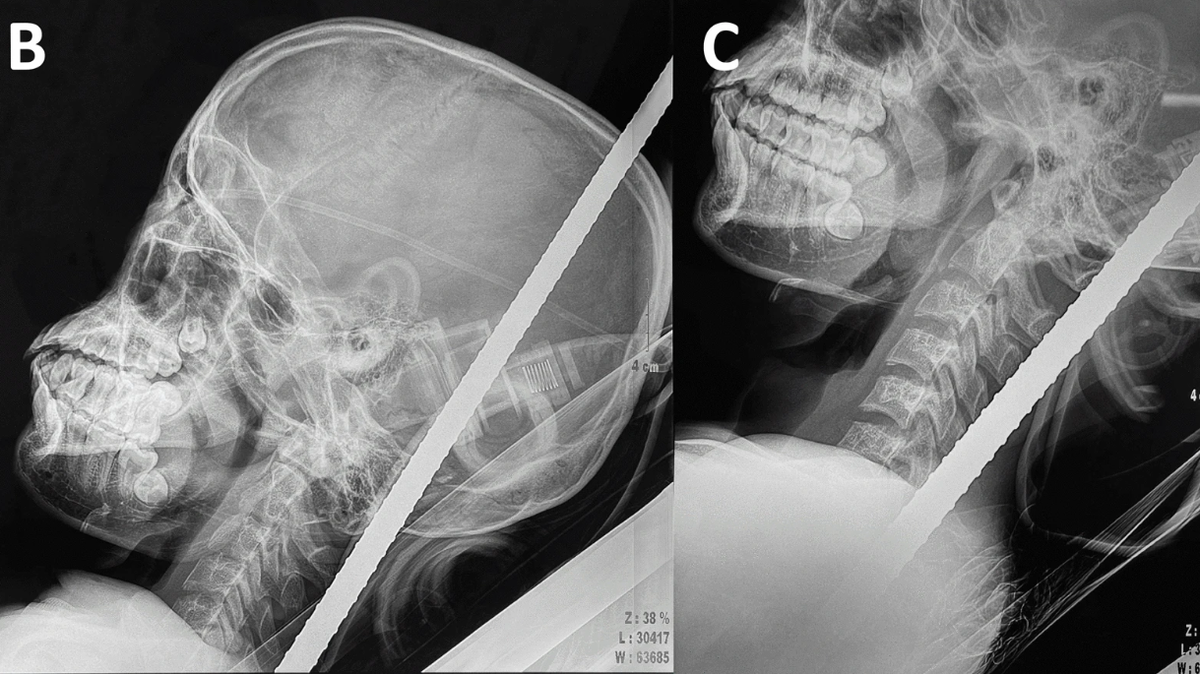
An 18-year-old man is recovering after a 10-foot fall at a construction site in Vietnam caused a long iron rod to pierce through his neck and into his skull, doctors said.
The young construction worker was on scaffolding when he fell over on his left side and off the elevated surface, doctors said in an April 15 case report published in the Journal of Medical Case Reports. (Warning: Graphic images are included in the open access case report.)
He landed about 10 feet below him and “on landing, an iron pole at the starter bar of the building column pierced through his head,” doctors said.
His coworkers quickly used metal cutters to separate the iron bar from the building and an ambulance brought the man to a nearby hospital, according to the report.
An hour after the rod penetrated his skull, the 18-year-old was still conscious with active pupils and no change to his motor function or his ability to feel sensations like touch, doctors said.
He had stable vital signs and no significant relevant medical history, according to the report.
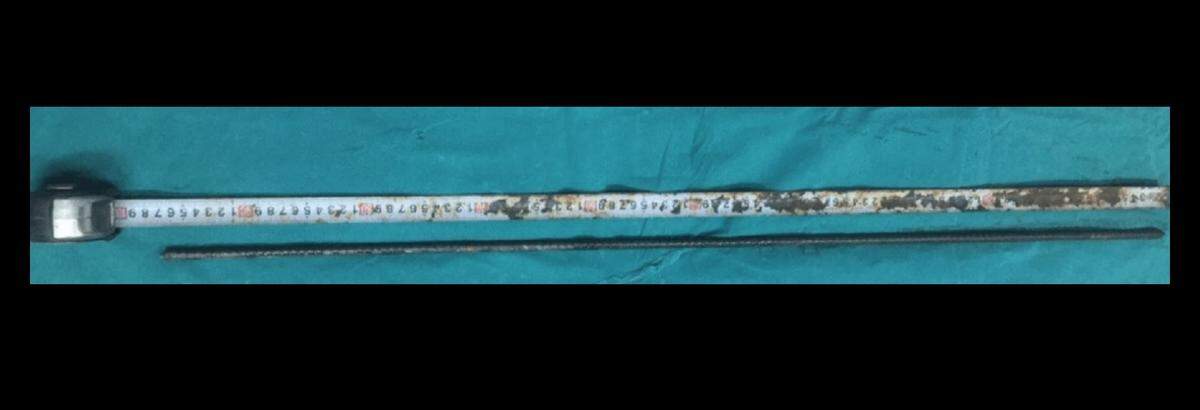
“On closer examination the foreign object measured approximately (0.27-0.31 inches) in diameter, (3.28 feet) in length, and punctured through the head and neck region through two holes,” doctors said. “The entrance hole was on the left lateral neck, whereas the exit hole was in the right occipital region (of the skull).”
After taking X-ray images of the brain and laboratory tests, the construction worker was rushed into emergency surgery.
The man was sedated and placed on his stomach, and the back of his head was shaved in order to access the rod, according to the report.
Doctors opened the back of his skull and saw part of the cerebellum, the bottom-most portion of the brain, had been damaged by the rod, but the spinal cord and spinal artery remained intact.
They also saw “many small iron pieces” surrounding the rod, which were removed after the iron pole was removed, according to the report.
A portion of the brain was also removed, and a section of muscle connective tissue taken from the man’s neck was used to seal the dura, or membrane protecting the brain, doctors said.
The 18-year-old spent some time in the intensive care unit before being transferred to the surgical ward, where he spent six days before he was discharged, according to the report.
“At the 3-year follow-up, (a diagnostic test) performance status was 100, with no neurological deficits recorded, and the patient claimed to have resumed normal daily activities,” doctors said.
Penetrating injuries from this portion of the skull are rare, doctors said, with only five cases reported between 2011 and 2015.
This can be partially explained by the skull’s construction, as the occipital bone at the back of the skull is the thickest of the bones. On the other hand, injuries to this region are then typically more severe, as it takes more force to fracture the thick occipital bone, according to the report.
“In our case, despite the damage to the occipital bone, the patient remained stable because of the diameter of the penetrating object,” doctors said. “The small diameter (less than a centimeter) of the iron rod focused the force on a localized point, creating a drilling effect rather than causing a fracture that would have been fatal.”
Iron rod brain injuries have long been a part of understanding the human brain, dating back to Phineas Gage, who is credited as the “man who began neuroscience,” Verywellmind reported.
In 1848, the then-25-year-old Gage was in a work accident in which an iron rod shot through the front of his skull and all the way through and he survived, according to the outlet. However, he experienced behavioral changes that helped neurologists of the time learn more about which regions of the brain were responsible for which functions.
The cerebellum, the part of the brain damaged in the 18-year-old’s accident, is small but responsible for multiple functions.
The cerebellum was originally thought to control muscle movements, but centuries of research has shown that it also controls balance, depth perception, timing, developing new words and skills, and even keeping a beat, according to the Cleveland Clinic.
Doctors working on the case are based in Hanoi, in central Vietnam.
The medical team includes Cuong Xuan Bui, Anh Huy Hoang, Bac Nhi Nguyen, Xuan Thanh Nguyen, Dung Tuan Pham and He Van Dong.