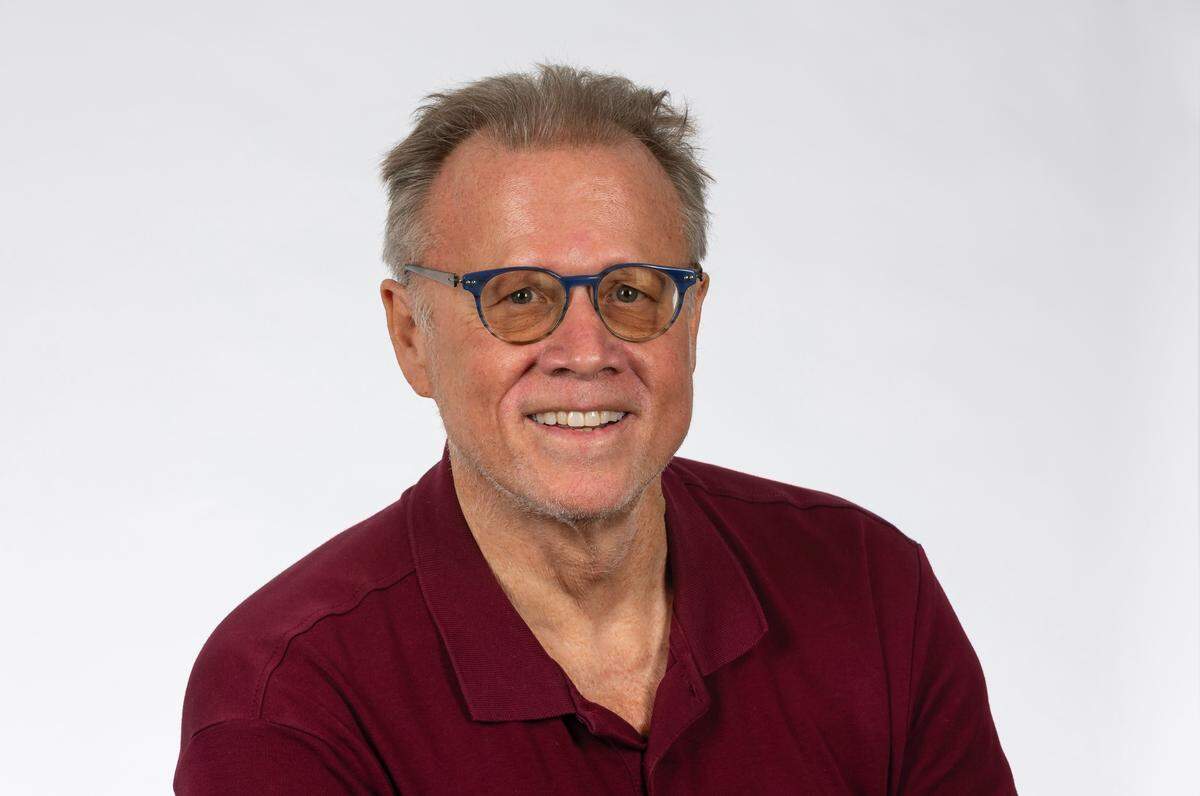
This singer and producer helped make the Miami sound — and was a force behind big hits

Songwriter, singer and producer Steve Alaimo seemed like the Forrest Gump of the early Miami music scene. He was a part of so many pivotal events that sent the Sunshine Sound all over the world.
Alaimo was there when Miami exploded on the national stage via rhythm-oriented ‘60s and ‘70s artists including Sam & Dave, KC & the Sunshine Band, Betty Wright, George McRae, Timmy Thomas and Clarence Reid.
But he wasn’t merely inserted into the stars’ histories as an observer like the fictional movie character, Gump.
Alaimo was a prime architect of their sound who helped bring the likes of Sam & Dave and Harry Wayne Casey to the world’s collective soundtrack.
Alaimo died on Nov. 30 at 84, a week shy of his 85th birthday, his family said.
Alaimo meets Sam & Dave
“He was involved in so many people’s careers he never got credit for. He was definitely a giving soul to anyone who needed it,” said Casey, 73, — namesake of the still touring KC and the Sunshine Band.
“Steve actually discovered Sam and Dave in 1961 at the King of Hearts,” said Joyce Moore, wife and manager of Sam Moore, one-half of the Sam & Dave R&B/soul music partnership.
Moore, the most renowned Miami-born artist to make it into the national Rock and Roll Hall of Fame, met Dave Prater at the King of Hearts club at 6000 NW Seventh Ave. in Liberty City in 1961. Moore was hosting a talent show. Prater was a bundle of nerves, Joyce and Sam Moore recalled.
They became the Sam & Dave duo that would release enduring hits “Soul Man” and “Hold On, I’m Comin’” a few years later for Atlantic Records. North Miami’s Criteria Studios was Atlantic’s Southern hub. Sam & Dave tunes still pop up in movies and TV shows.
From UM to Miami stages
A Nebraska-born, New York transplant to Miami was at the King of Hearts that night, too.
Steve Alaimo was a white guy in his 20s, studying pre-med at the University of Miami in Coral Gables. He discovered that he, too, had the vocal chops to perform at Miami clubs like King of Hearts.
By that point, Alaimo had a fling with teen pop stardom. He had a minor hit with 1959’s “I Want You to Love Me.” He played guitar and sang on the tune with the Redcoats band that included his cousin Jim on rhythm guitar.
At the time, Alaimo played a sock hop in Miami put together by disc jockey Bob Green and Marlin Records’ owner Henry Stone. That performance led to his first record deal. Nine of Alaimo’s solo singles dented the Billboard Hot 100 between 1962 and 1966. The biggest, his rendition of composer Arthur Alexander’s “Every Day I Have to Cry,” climbed to No. 46 in 1962.
Stone would become even more important in Alaimo’s life a decade later.
Forming TK Records
In 1972, Alaimo and Stone, who were recording local artists at Miami studios like TK and who had a label imprint with Atlantic Records that conjoined their names, Alston Records, co-founded the Miami-based music label TK Records. Alaimo engineered a pre-Allman Brothers demo recording for Duane and Gregg Allman that included early versions of “Nobody Knows You When You’re Down and Out” and “Melissa” at TK’s studio in Hialeah in 1968.
TK released five No. 1 singles for its biggest act, KC and the Sunshine Band, between 1975 and 1980: “Get Down Tonight,” “That’s the Way (I Like It),” “(Shake, Shake, Shake) Shake Your Booty,” I’m Your Boogie Man” and “Please Don’t Go.”
KNOW MORE: Co-founder of the ‘Miami Sound,’ TK Records’ Henry Stone dies at 93
TK’s other hits, until its demise in 1981, included Beginning of the End’s “Funky Nassau,” Betty Wright’s “Clean Up Woman,” Timmy Thomas’ “Why Can’t We Live Together,” Anita Ward’s disco anthem, “Ring My Bell,” Peter Brown’s “Do You Want to Get Funky With Me” and Bobby Caldwell’s velveteen Yacht Rock classic, “What You Won’t Do for Love.”
TK was fertile territory for Miami-grown songwriting talent, too.
Clarence Reid, aka rapper Blowfly, wrote Wright’s signature hit and Gwen McRae’s “Rockin’ Chair.”
Before co-writing all those KC and the Sunshine Band smashes, that Hialeah kid, Harry Wayne Casey, co-wrote one of the earliest disco blueprints, “Rock Your Baby,” for TK’s George McRae in 1974. And you’re still hearing its sound. Swedish superstars ABBA paid homage to that song’s percussion track on the 1976 pop staple, “Dancing Queen.”
Alaimo, Dick Clark and KC
.JPG "MED_KC09-PhotoCredit-A.Streiber (1).JPG")
Perhaps none of that material would have had a platform for success were it not for Alaimo’s ears and drive.
When Dick Clark needed a band in Miami in the early-’60s to back his artists for his touring Caravan of Stars production, he hired Alaimo’s Redcoats.
That performance was enough to entice Clark to tap the photogenic Alaimo to host and co-produce his “American Bandstand” spin-off, “Where the Action Is,” for ABC. The musical variety series ran from 1965 to 1967.
That’s where Casey first spotted Alaimo.
“I had heard of Steve Alaimo not only from local radio but from the Dick Clark-produced TV show ‘Where the Action Is’’ that came on everyday at 4:30 p.m. I had no idea of his South Florida connection until my arrival at TK studios in the late ‘60’s at which time I was very excited,” said Casey, who grew up in Hialeah.
“I was told that the person I needed to see was Clarence Reid. Of course, in the meantime I got to know Steve Alaimo, which to me was so amazing being he was a celebrity in my eyes. During that time I got to know this guy who was so humble, kind, and caring. I already knew of his singing talent. But the real Steve was a smile and a laugh and a good joke and a nurturing manner that you usually feel from a family member,” Casey said.
The two remained friends. “Steve became my mentor and from time to time would assist me in the control room with my projects,” Casey said.
They still chatted by phone about projects they had done in the past and had going on currently, he said.
“I have the fondest memories to hold close to my heart.”
Alaimo’s legacy
After TK, Alaimo, who learned recording engineering at the famed Criteria Studios in North Miami, later co-owned Audio-Vision Studios nearby and Vision Records alongside producers and Criteria fixtures, Howard and Ron Albert.
Alaimo was a producer on Stephen Stills’ 1991 solo album, “Stills Alone,” that was recorded at Audio-Vision.
KNOW MORE: This studio is the birthplace of the Miami sound. Here’s how the music started
But so much of what defined Alaimo — and what some of his friends and colleagues decry as a damning lack of credit — can be traced back to that former King of Hearts stage in Liberty City and the earliest performance of Sam & Dave.
Alaimo, who never cracked the elusive Top 40 alone, was smitten by what he saw that Miami night more than 63 years ago. He was determined to bring Sam & Dave’s music out onto radios nationwide.
Others got the credit.
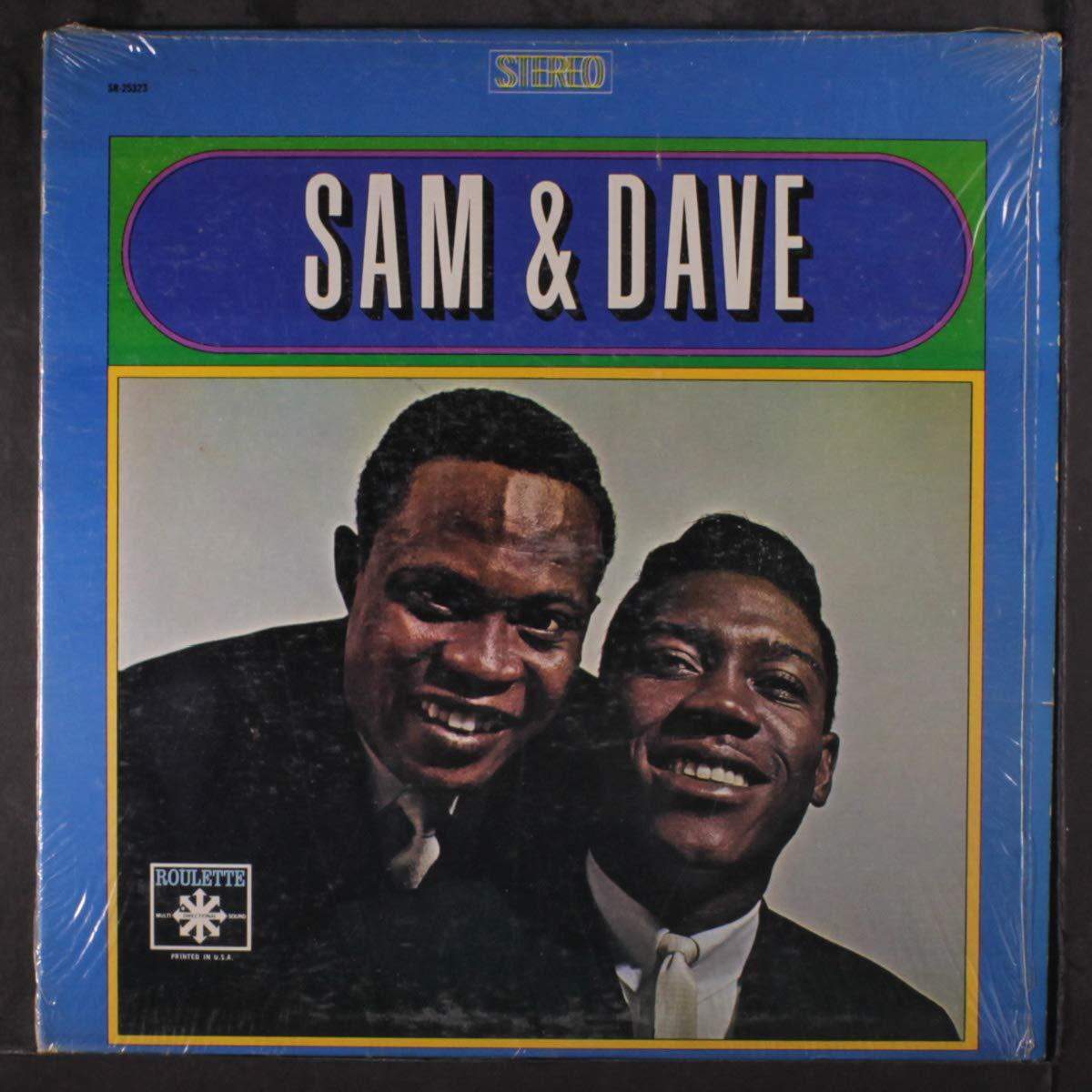
Alaimo wrote and produced a handful of Sam & Dave’s earliest singles including “I Found Out,” “No More Pain” and “Keep a’ Walkin’.” These songs were gathered on an eponymous album for Roulette Records in the early-1960s. This was before major players from Atlantic like Jerry Wexler and Tom Dowd led Sam & Dave to the major label and paired the duo with Stax Records’ musical maestro Isaac Hayes for the run of hits we know today that also included “When Something Is Wrong With My Baby.”
READ MORE: Remember these Miami music venues? Some big names came out of small places
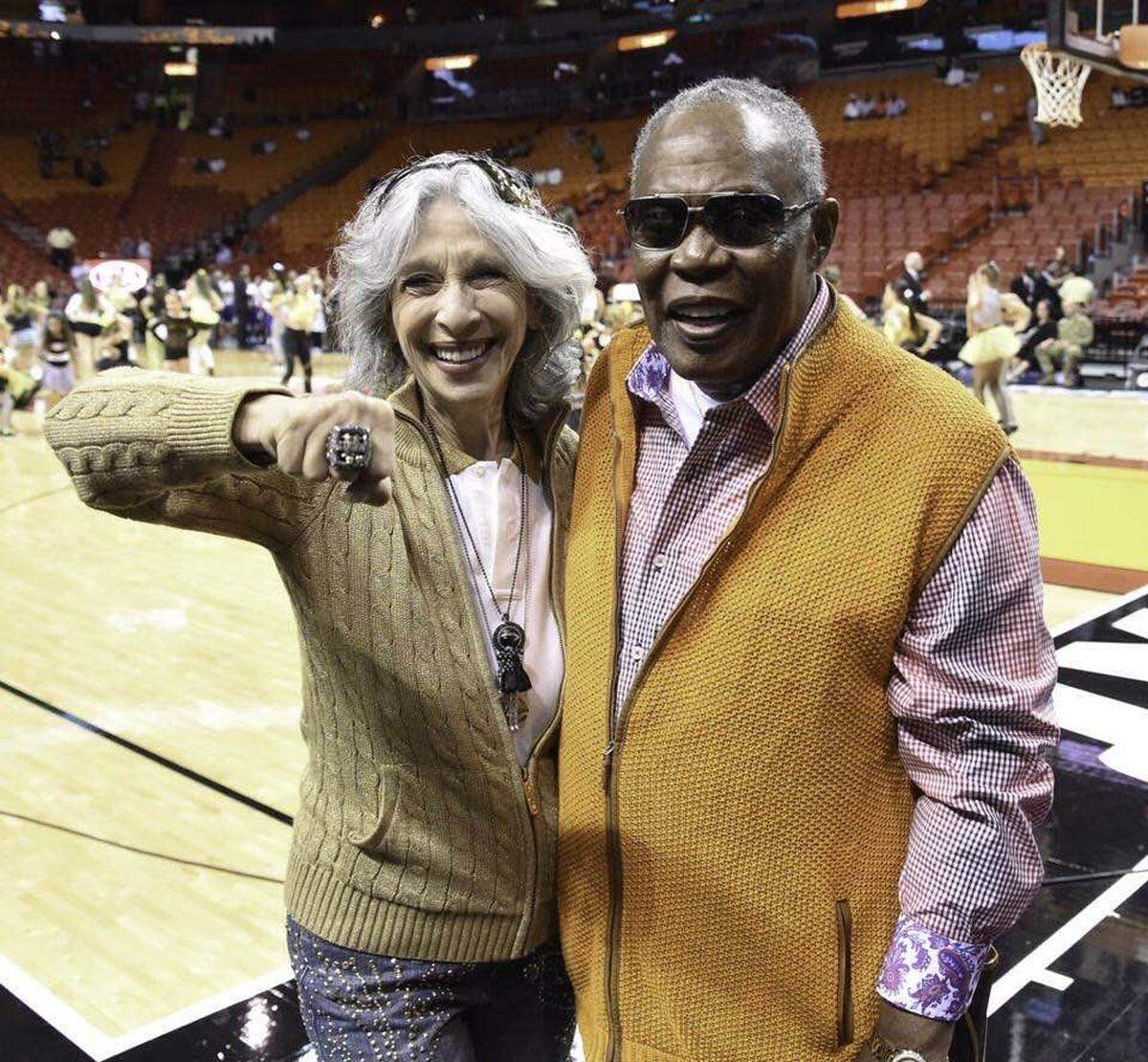
“Steve Alaimo was the first person and first record producer of Sam & Dave. But Steve has never gotten the credit for discovering Sam & Dave and being the first producer of them while he was still dabbling at med school at UM. He and his band were doing gigs at night and he was doing them mostly in the Black clubs,” Joyce Moore said from the Coral Gables home she shares with Sam.
She first met Alaimo when she was studying at UM in 1963. Alaimo sang her favorite song, a cover of Chuck Jackson’s “I Don’t Want to Cry,” during a party there while watching a televised football playoff game between the Giants and the Bears. Joyce won a bundle betting on the Chicago team, her hometown, she chuckles. But hearing Alaimo nail Jackson’s tune bested the financial windfall.
“I can still remember standing on a chair screaming like a wild woman. ‘I Don’t Want to Cry’ while Steve was singing,” Joyce said. “And he looked over and he saw me. And he’s going, ‘How would she know that?’ So afterwards, he came over to me. I explained everything to him. That’s how long I’ve known Steve and we stayed close. And being with Sam, we loved him to pieces.”
This is why Sam and Joyce feel it’s so important to give credit where it’s due.
“The Stevie I knew, he was wonderful, a nice man,” Sam Moore said. “He really was talented, he really was. He didn’t think he was. But the main thing about it, he was Steve Alaimo, my buddy, my pal. And I’m so happy to know that he has suffered and now he’s gonna be OK.”
At 89, the surviving half of Sam & Dave has endured the stunning highs and staggering lows of pop music stardom since Alaimo tapped his talents.
The Overtown-born Moore and wife, Joyce, who serves as his manager, are still active. They provide master classes and educational sessions for Florida International University, which honored Moore as its first recipient of The CARTA Medallion for his contributions to culture both locally and globally. The couple have partnered with Little Kids Rock to cover the cost of music education at his alma mater school, Phillis Wheatley.
In 2023, the Moores helped endow the coming “Sam Moore: The Legendary Soul Man Theatre” at FIU.
READ MORE: FIU unveils theater honoring ‘Soul Man’
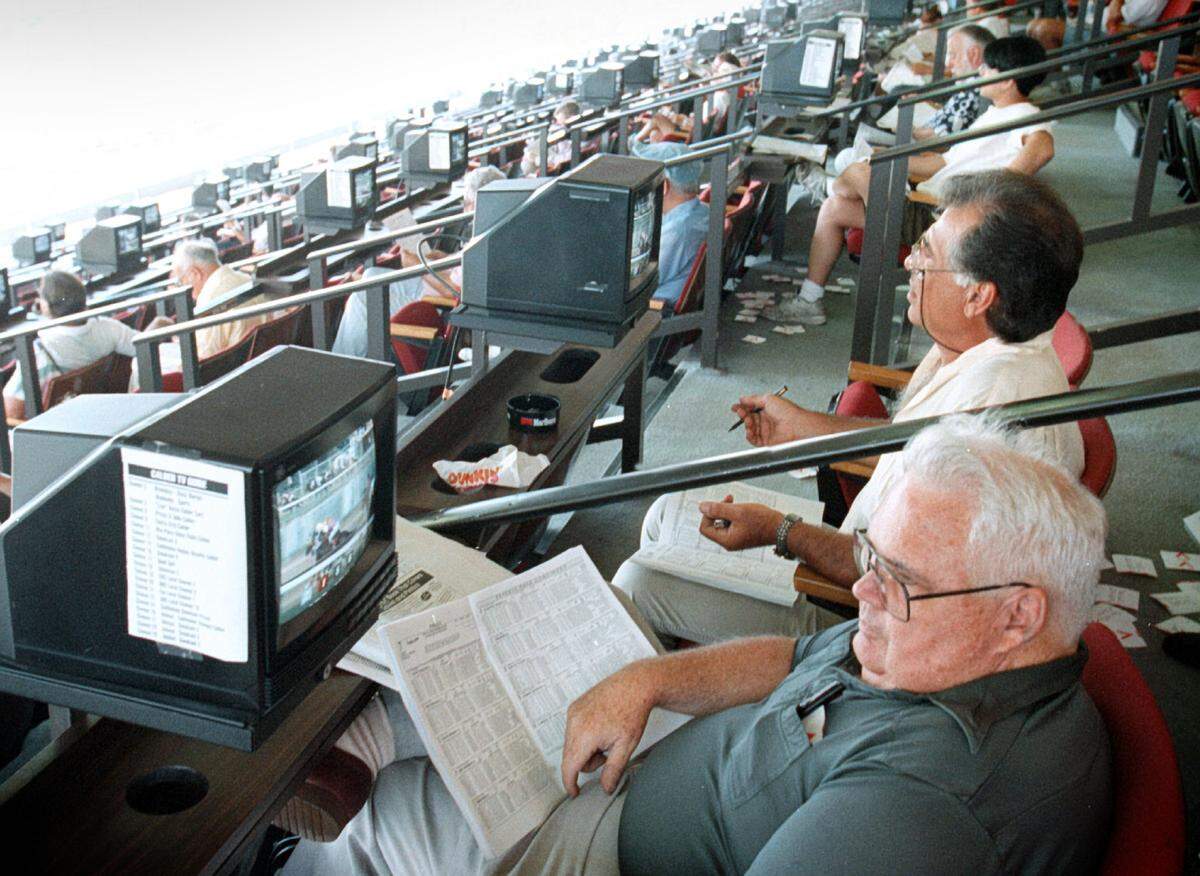
“A man who could make even a boring industry meeting feel like a party, Alaimo approached life with a wisecrack ready and a twinkle in his eye,” his family said in a statement. “He split his time between making music magic and handicapping horses, often suggesting that the latter was the more reliable way to make a buck in the entertainment business.”
Survivors and services
Alaimo’s survivors include his daughter Lindsey; grandchildren Nicholas and Maximo — “who were the real platinum records of his life,” his family said; wife, Candy; and his sister Diane Alaimo Hendler.
A private celebration of life is in the planning stages.
This story was originally published December 4, 2024 at 8:23 AM.