Remember these Miami music venues? Some big names came out of small places
READ MORE
The Beat Goes On
South Florida’s live-music club scene isn’t what it was in the ‘90s, but there are still places to hear the next big thing perform.
Expand All
The DJ has been king for so many years in Miami clubs that it might be easy for a generation to forget, or not know, that live music once played it big here.
Music filled hot spots and drifted into the streets, luring listeners in South Beach, downtown Miami, Overtown, Little Haiti, Coral Gables, Coconut Grove. Some of the performers weren’t well-known. Miami is where they got their start. Soon their names would be in lights.
In the early 1960s, Miami native Sam Moore met his musical partner Dave Prater inside a Liberty City club, and the world came to celebrate the music they made as Sam & Dave. Moore’s pal, another Sam — Sam Cooke — recorded the album “Live at the Harlem Square, 1963,” from a landmark Overtown club.
Here is where two young fledgling female songwriters and performers talked about the art of songwriting in a back room of a Gables coffeehouse. One of them would go on to become the famous Joni Mitchell. The other would be immortalized by name in one of her most famous songs.
And here is where local acts like jazz musicians Ira Sullivan and Nicole Henry, country’s The Mavericks, shock rocker Marilyn Manson, blues/New Orleans-style musicians Iko-Iko, Latin guitarist Nil Lara, singer-songwriter Mary Karlzen and rockers Nuclear Valdez honed their craft and caught national attention.
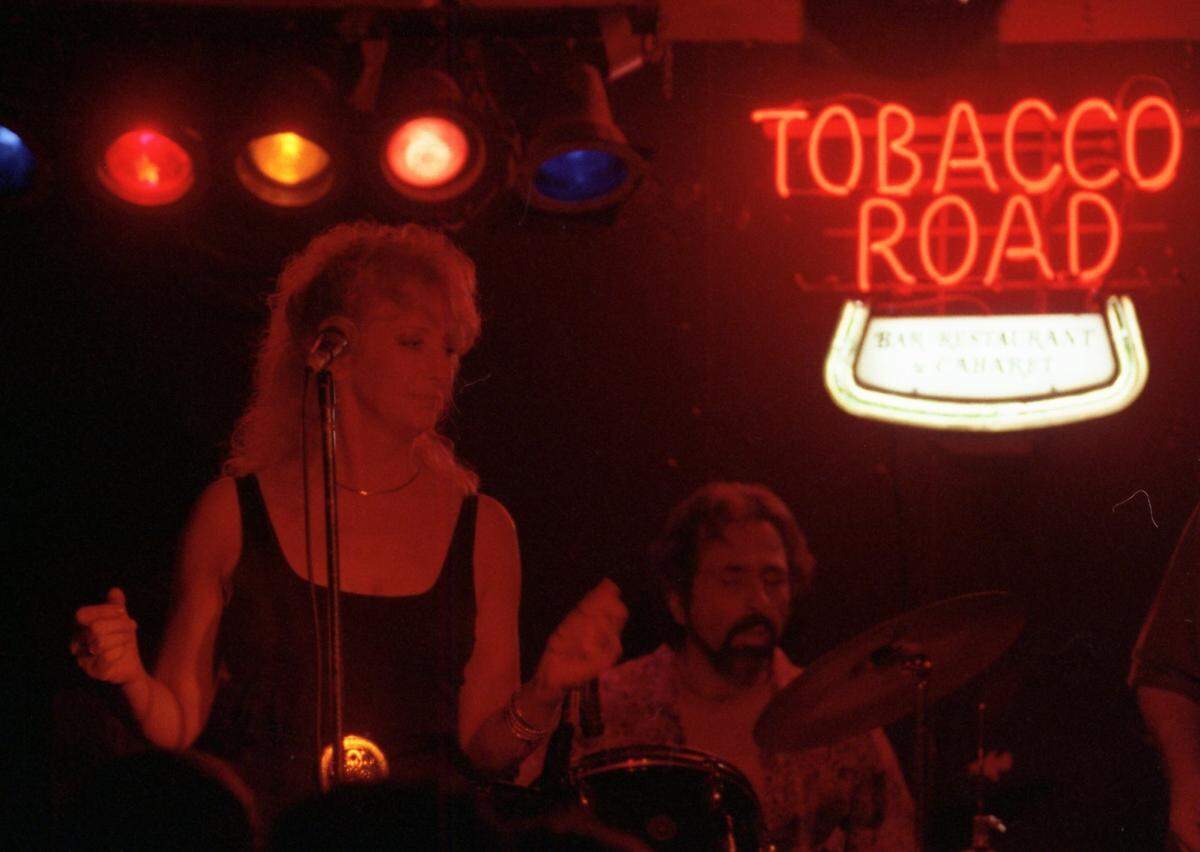
The performers did so from stages at venues including Woody’s on the Beach, Churchill’s Pub, the Van Dyke, Washington Square, Rose’s Bar, The Stephen Talkhouse, Tobacco Road.
.JPG "9551130087 (1).JPG")
We’re not talking major music venues like the big arenas and theaters. We’re talking small Miami club stages that are a part of our storied past.
POLL: What was your favorite live music club in Miami?
In the 1950s and early ’60s, before the construction of Interstate 95 cut apart neighborhoods, Overtown and Liberty City were home to clubs King of Hearts, Knightbeat, Mary Elizabeth Lounge and the Harlem Square.
In the days of segregation, major Black talents including Lena Horne, Ella Fitzgerald, Duke Ellington, Ray Charles, Flip Wilson and Aretha Franklin could perform at, but not stay at, Miami Beach hotels like the Fontainebleau and Eden Roc. So after headlining, they’d cross the causeways to play the Overtown clubs late into the night.
Also in the 1960s, David Crosby, Jimmy Buffett, Joni Mitchell and then-husband Chuck, John Sebastian and John Denver called Coconut Grove and Gables coffeehouses like The Gaslight and The Flick training grounds for what was to come on the international stage.
Crosby discovered Mitchell playing folk music at The Gaslight and then whisked her off to Los Angeles in 1968 to become the Joni Mitchell. Joan Baez, Taj Mahal, Dave Mason, Jefferson Starship and Melissa Etheridge played here. And local singer-songwriters Amy Carol Webb, Jim Wurster and Karlzen made up the last golden era for live music.
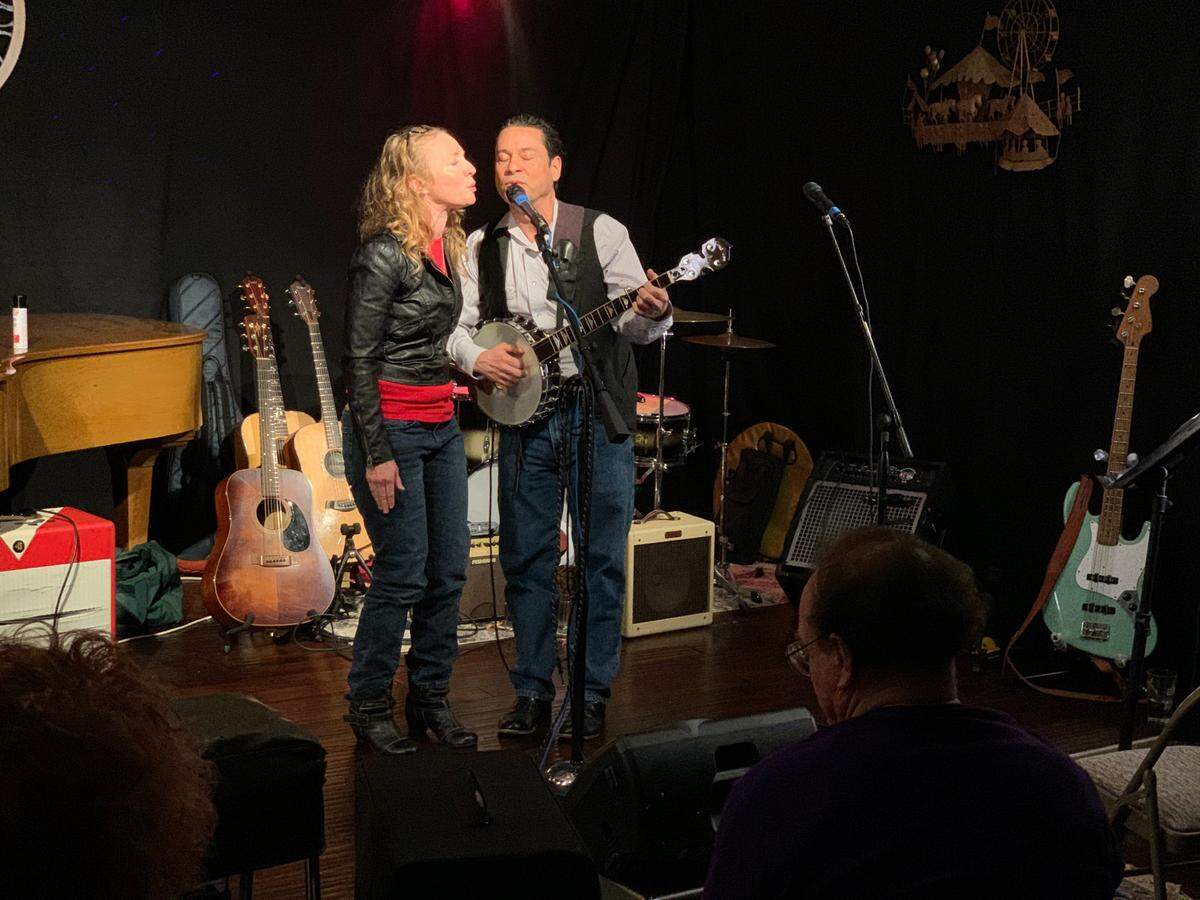
“There’s a lot of talent in Miami,” said music champion Rich Ulloa, the Y&T Music founder whose store, label and artist management helped make Miami a funnel of talent in the 1990s.
“You still have a lot of people that are involved in promoting. And there’s a lot more bands than there have ever been,” he said. “Unfortunately, you don’t have the full support that you had before. It’s very hard to build an audience in Miami like it used to be because you had a lot more places to play in the ’90s. My God, you had like six venues within walking distance in Miami Beach between Fifth and Seventh or Eighth streets.”
Those venues weren’t lacking for talent to fill the stages, either.
“The late 1980s and early ’90s was like the golden age for live music in South Florida,” said veteran publicist Woody Graber. He was so much a part of the music scene it seems impossible that Woody’s on the Beach wasn’t named for him since he helped bring in the talent there, as well as at the venues Woody’s quickly spawned. Woody’s was named for Ron Wood of The Faces and Stones fame.
Wood had the big bucks. He was co-owner and namesake of Woody’s on the Beach, a short-lived but hugely influential live music venue at 455 Ocean Dr. on South Beach whose run lasted from December 1987 to May 1989.
“Tobacco Road had been doing it for a while, but they were like the only ones out there and some other small clubs, but it was mostly garage bands doing cover songs,” Graber said. “When Woody’s came along we told these local bands, ‘Hey, play whatever you want. You want to do your music? That’s fine.’ We encouraged them to do their music. Prior to that, maybe you could have counted the original music bands on your hand.”
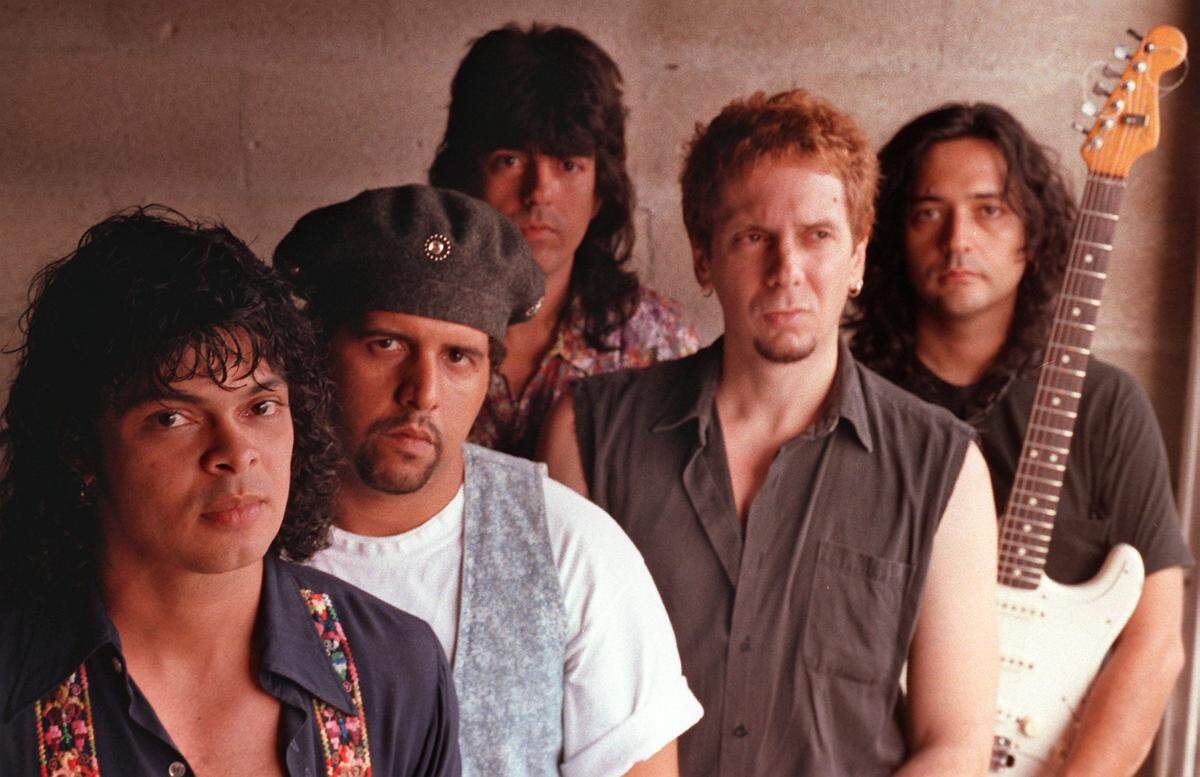
Nuclear Valdez was one of these made-in-Miami locals that used Woody’s stage to play an all-originals show at the venue’s inception. That gig and others that followed led to an Epic Records label deal with the release of the “I Am I” album in 1989.
“From there everything thrived,” Graber said.
Today, Graber still promotes live music acts, most prominently at Fort Lauderdale’s Revolution Live, which has been driving the rock and pop beat in South Florida since 2004. In May, for instance, Glasgow synth-pop band Chvrches, with Canadian indie rockers Fanclubwallet opening, performed at a Live Nation-presented Revolution show that Graber helped promote.
Trumpet player Stuart King landed in Miami from Memphis earlier than that revival, in 1978. When the jazz musician arrived, many of the live music venues that thrived in the late 1960s were fading or gone. But he found a niche.
“I just kind of stepped into the Latin clubs and all the Latin bands had trumpets. So I was always working with that and I got in with Willy Chirino,” King said.
“Word of mouth started working, people started calling, that’s kind of how it goes,” King said. “I just started meeting a lot of the musicians here and started working more and more. Never, never stopped.”
King, 69, also played bugle for years to herald the horse races, at Hallandale Beach’s Gulfsteam Park and Hialeah Park, and began a 40-plus year career and friendship with jazz luminary Ira Sullivan.
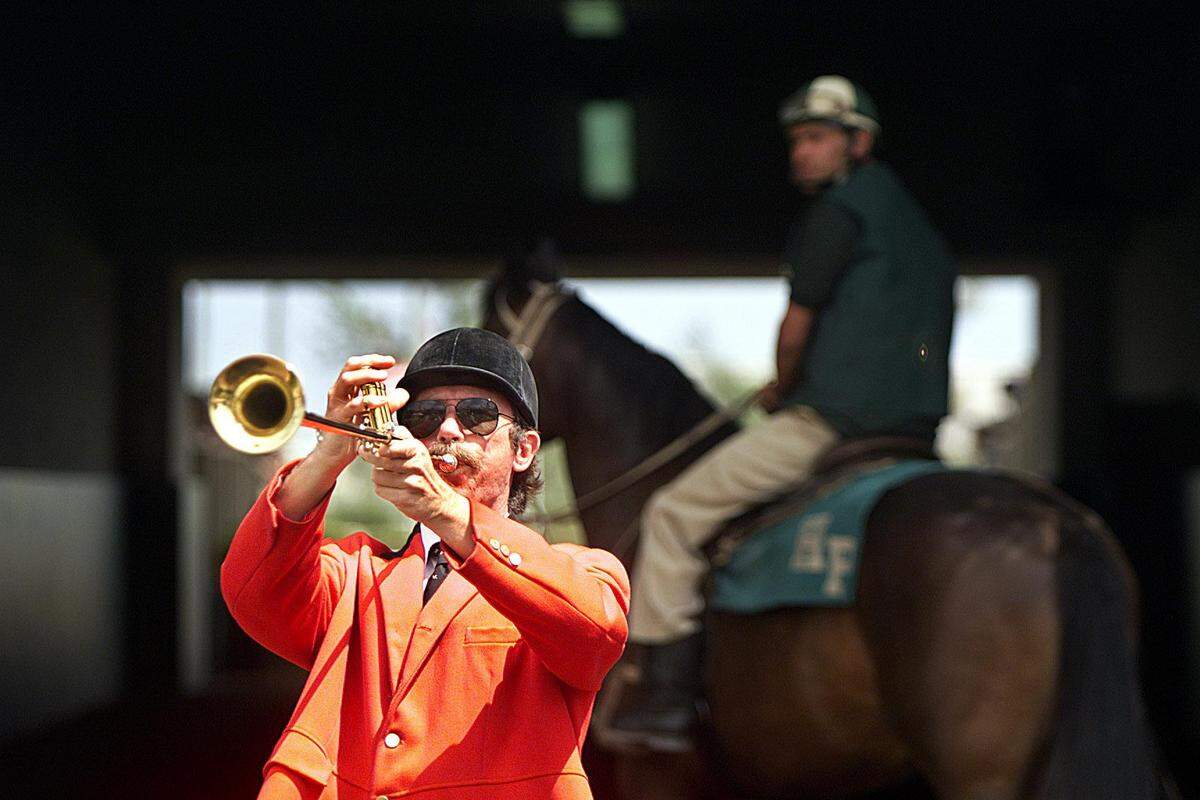
Sullivan, who died at 89 in September 2020, played all around town, at venues like MoJazz in Miami Beach and the Van Dyke Cafe on Lincoln Road. For more than 40 years, Sullivan, with accompanist King, played Monday nights at the Unitarian Universalist Miami church. University of Miami music students, some of whom Sullivan taught during his time as an instructor at the music school, honed their skills by watching the gigs.
Last year, Miami-Dade commissioners designated the stretch of Southwest 76th Avenue on Sunset Drive to Southwest 78th Street, near the Unitarian church, “Ira Sullivan Way.”
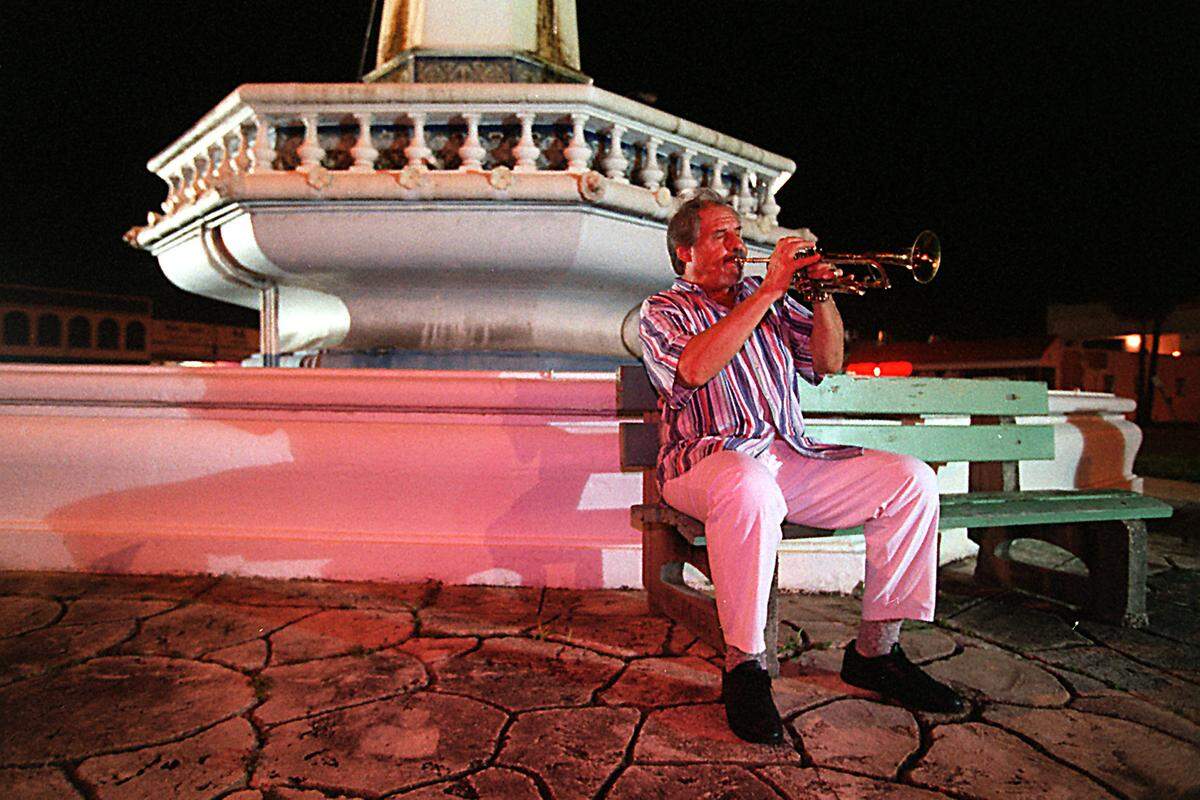
“I’ve been lucky as a trumpet player to work as much as I have and make my living at it,” King said. He had been playing Tuesday jazz nights at Mickey Burkes on Washington Avenue until the club opted to cut back on live music, he said.
King also plays piano at the private Riviera Country Club in Coral Gables — weddings, and such. He’ll play on cruises and at Little Palm Island in the Keys.
For a working musician with the skills and the perseverance, there’s a way.
“It’s kind of month to month, or week to week, in the music business,” King said. “I would say that it’s just not as busy. It’s not the same, you know? People listen to music on their phones more than they go out.”
Graber agrees.
“The DJ became the king. It was much less expensive, I guess, for places to do that than to put on live shows,” he said. ”South Florida mentality was not really live music. We had a golden age for a while, and then toward the end of the ’90s it started to shift towards just the DJ.”
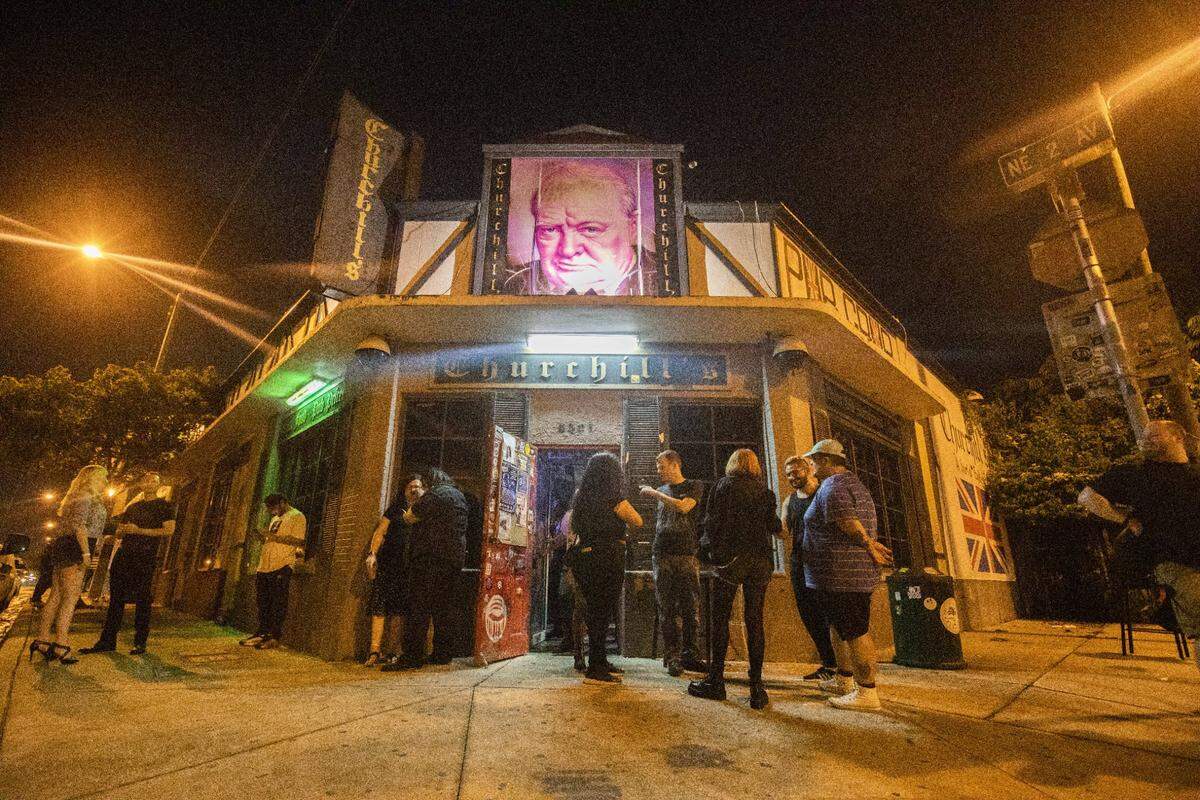
One of the leading places to listen to live music was Churchill’s Pub in Miami’s Little Haiti neighborhood.
For 42 years, Churchill’s Pub was the grungiest and most authentic home for punk and hardcore rock in Miami — maybe anywhere. But the end may have come amid a bitter eviction battle, tensions between an owner and a manager, and a fight for its very name.
Since April 2021, Churchill’s has been closed as the courts try to figure it out.
READ MORE: The battle over an iconic Miami bar is playing out in court, online, and in the street
Here’s a look back at some of the live music clubs that we loved. They may be long gone, but they all left a song in our hearts.
King of Hearts
Sam Moore met Dave Prater at the King of Hearts club in Liberty City at 6000 NW Seventh Ave. in 1961. Moore was hosting a talent show and Prater was a bundle of nerves. Moore recognized talent, though. So did regional producer Henry Stone of Miami’s TK Records fame, who initially got them a record deal.
By 1964, as Sam & Dave, the two were signed to Atlantic Records, which had North Miami’s Criteria Studios as its Southern hub. The duo’s biggest hits became legend.
The hit “Soul Man” in 1967 helped cement Sam & Dave’s induction into the Rock & Roll Hall of Fame, giving Moore the distinction of being the most renowned Miami-born artist to make it into the Hall. Prater died in 1988.
“Flip Wilson also got his start at the same club that Dave and I did, the King of Hearts, around the same time,” Moore told the Miami Herald in June. “There was a locally famous female impersonator by the name of Chickie Horne who cross-dressed as Madame Effie Throckbottom, an impersonation of the 1950s Atlantic Records star Ruth Brown.”
The late Clarence Reid, later known by his bawdy alter ago Blowfly, and a seminal figure in the early “Miami Sound,” got his start at the King of Hearts, too. Reid would go on to write 1970s hits for Miami singers Betty Wright, including “Clean Up Woman,” and Gwen McRae, who scored with Reid’s “Rockin’ Chair.”
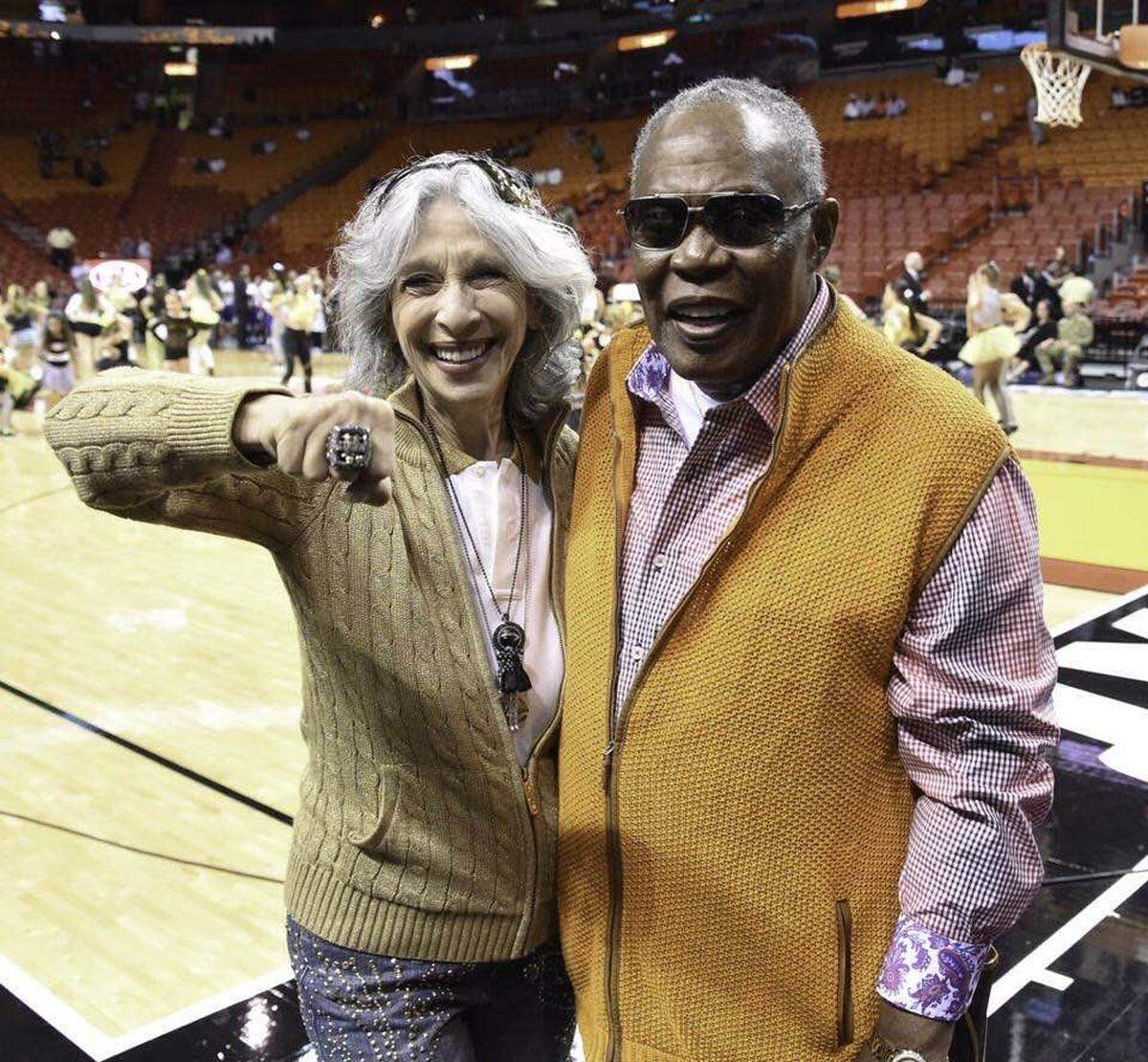
Today, Moore, 86, an artist in residence with Florida International University, who went to Overtown’s Phillis Wheatley and Paul Laurence Dunbar elementary schools, makes his home in Coral Gables with his wife, Joyce.
The couple provide master classes and educational sessions for FIU and partnered with Little Kids Rock to cover the cost of music education at Phillis Wheatley.
“Joyce and I have been concerned for years that when music and the arts were removed from school curriculum around the country we’ve watched generations of children that lack a true connection to our great American culture and history. Being able to put a music program back into the two schools that I attended growing up in Overtown through Little Kids Rock is something we’d like to hope has made a difference for those kids,” Moore told the Miami Herald in 2019.
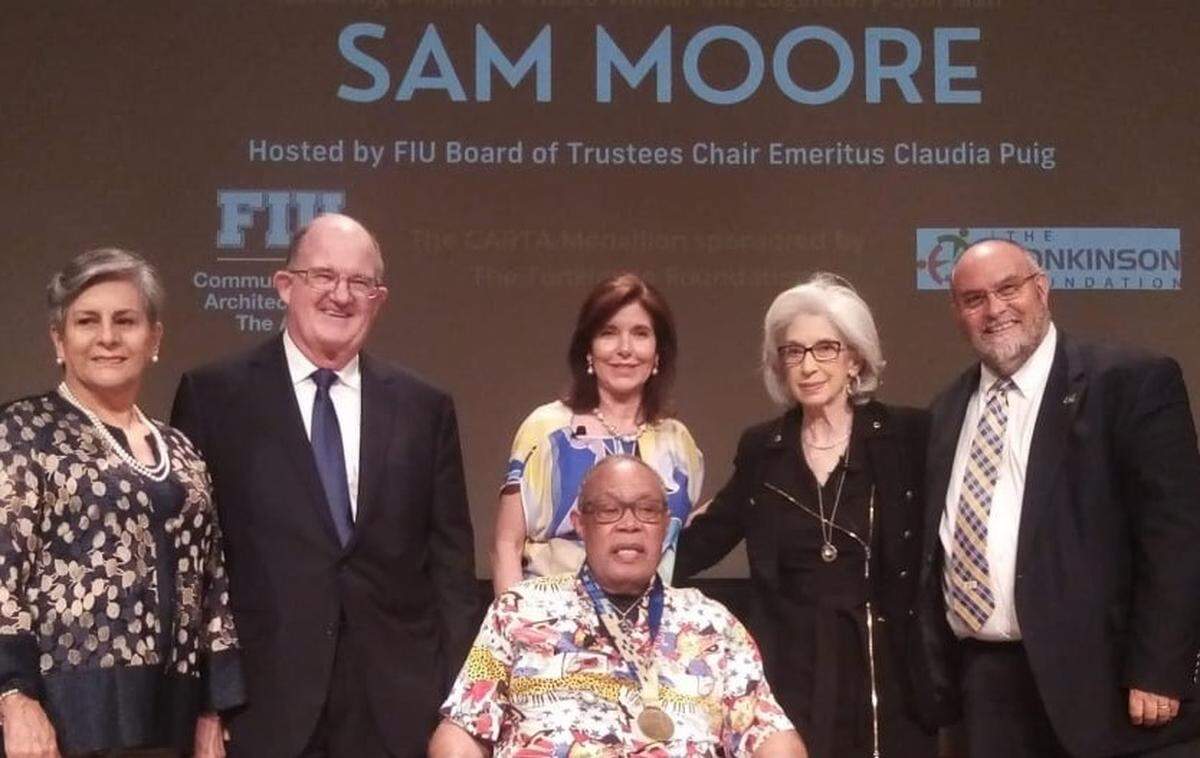
On May 19, Moore was the first recipient of The CARTA Medallion, created by FIU’s College of Communication, Architecture + The Arts (CARTA) and the Tonkinson Foundation, for his contributions to culture both locally and globally. The award was presented at a ceremony at FIU’s Herbert and Nicole Wertheim School of Music & Performing Arts.
“His achievements, work ethic and advocacy for our community make him an exemplary model for our college,” CARTA Dean Brian Schriner said.
READ MORE: If these walls could talk — landmarks tell story of Miami’s rich Black cultural history
Woody’s on the Beach
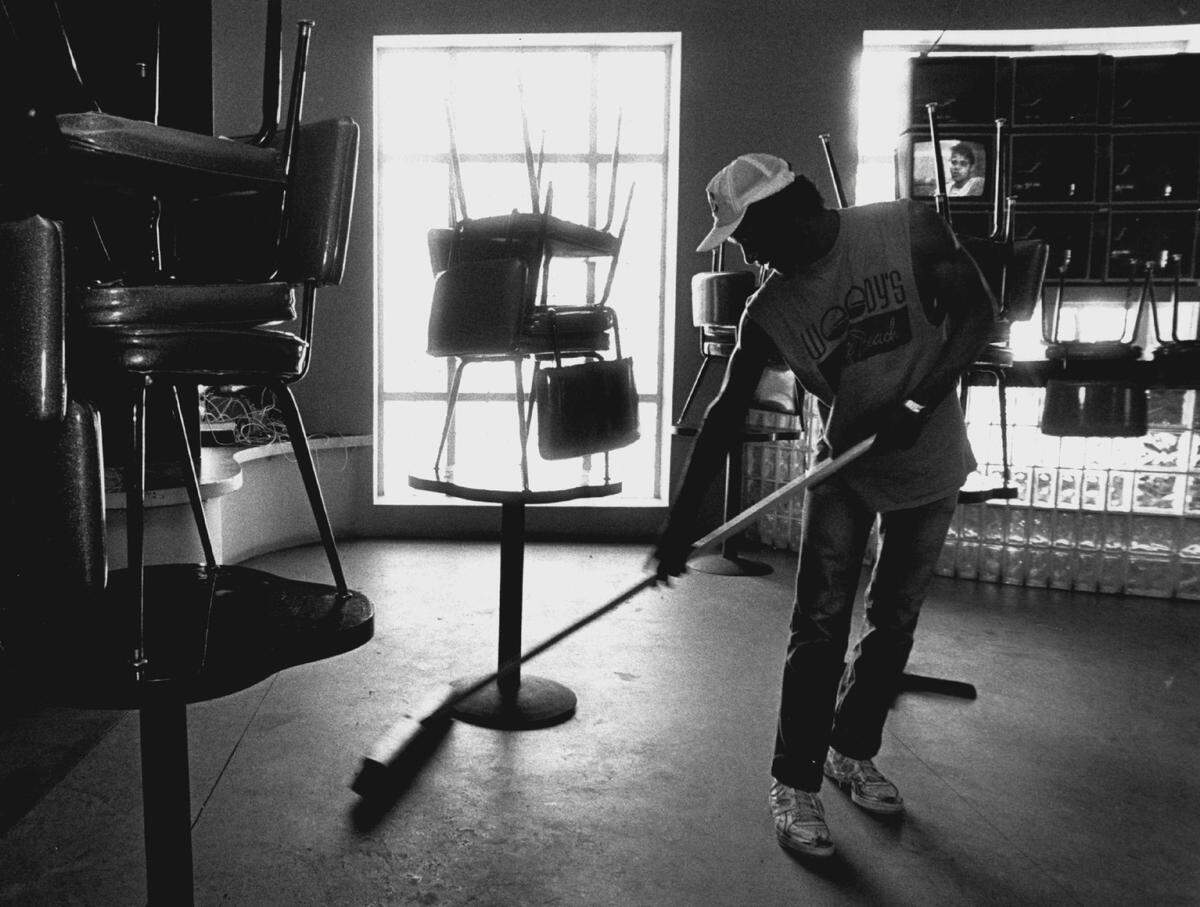
Guitarist Ron Wood of The Faces and the Rolling Stones joined with a European investment group to become the namesake of a new music venue for Miami Beach.
The nightclub complex featured a 222-seat restaurant in the three-story Arlington Hotel at 455 Ocean Dr. and opened in December 1987. The surrounding apartments became its rapid downfall as residents complained about the rock ‘n’ roll club’s noise. Woody’s folded by May 1989.
But the impact of the short-lived Woody’s was oversized after its pre-opening blowout, with Wood and Bo Diddley rocking the stage, and a New Year’s Eve official opening soon after, with Wood and his former Faces bandmate Ian McLagan and saxophonist Bobby Keys.
Locals Nuclear Valdez and the all-female Vesper Sparrow, Mary Karlzen’s first band, learned how to command a stage here, too.
“Woody’s brought in a lot of major acts that hadn’t come this far south before — Jane’s Addiction and Fishbone and Melissa Etheridge and the Neville Brothers and different acts like that,” said Graber, the music publicist. “It created a golden age of live music in the Miami area and so, for those few years, we had so much live music.”
Sure enough, after Woody’s, The Stephen Talkhouse, Washington Square and Rose’s Bar opened on South Beach by the early 1990s.
At Woody’s opening night party, Stephen Stills, of Buffalo Springfield and a namesake of Crosby, Stills, Nash & Young, wanted to come on stage and jam with Wood, McLagan and Keys and Bo Diddley. Stills wasn’t invited but, hey, cool new club. Have guitar and a name, will play. Graber enticed a national film crew from NBC to capture the moment.
“Ronnie wouldn’t let Steve get on stage. He says Steve doesn’t know how to jam and he takes control. And so Steve was sort of, you know, left off,” Graber said with a chuckle all these years later. “Afterwards, Stills comes over and puts his arm around me and goes, ‘You know, that wasn’t too cool.’ ”
Graber was left to tell the sulking rocker it was Ronnie’s decision and he’d have to take it up with the rocking and rolling Stone.
As for that NBC film crew? They wound up not filming or broadcasting the blowout.

Tobacco Road
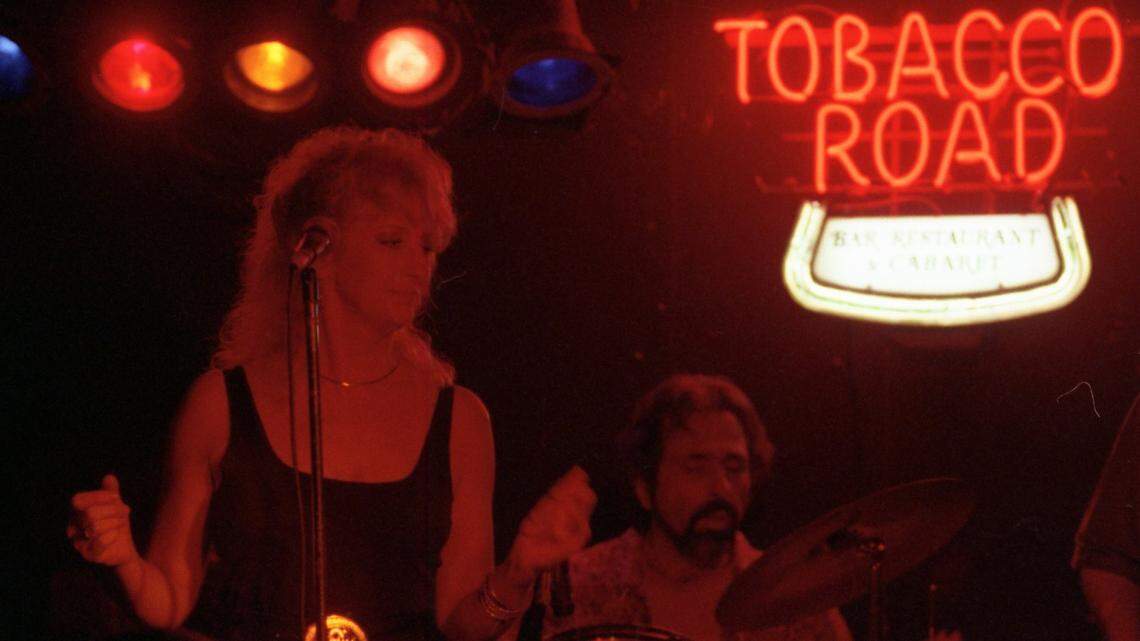
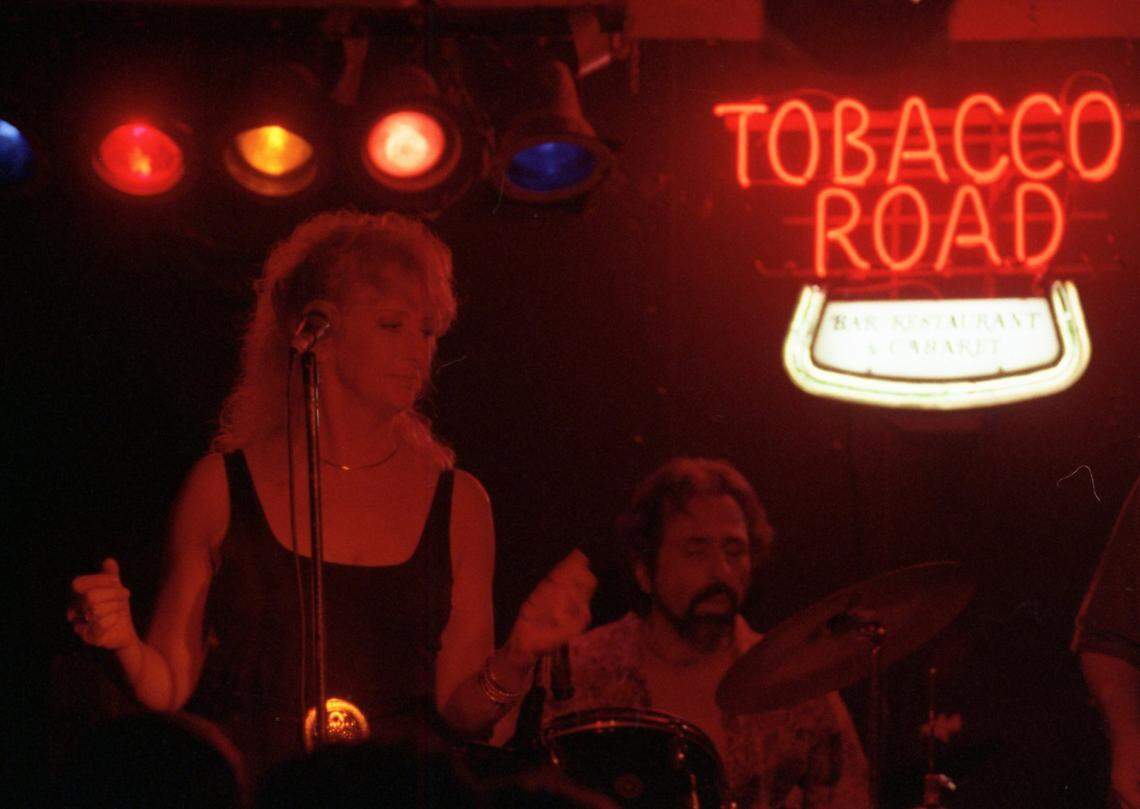
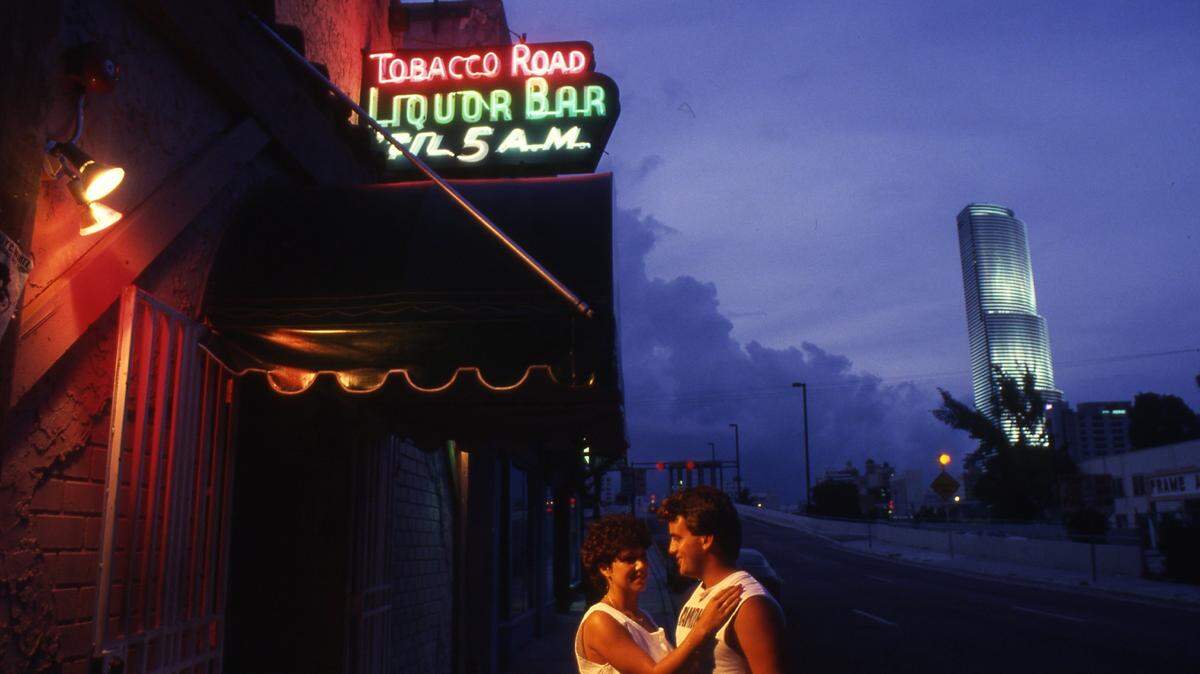
Tobacco Road was host to so many myths that we should dispel one from the start: Historians say the beloved music haunt wasn’t really the oldest bar in Miami as many believed.
The building, which has since been demolished after Tobacco Road closed for good in 2014, was dated to 1915. But the original site at 636 S. Miami Ave. wore many incarnations and names — including as a home and a bakery and various bars — before its golden age as a music venue in the 1980s and ’90s and into the millennium. That period saw Tobacco Road earn its reputation “as one of the country’s premier blues and roots-rock venues,” as the Miami Herald described it in its “obituary.”
With that focus, for 30 years until last call in 2014, almost every working blues or rock musician in South Florida and from elsewhere played one of its upstairs or downstairs stages: B.B. King. The Mavericks. Mary Karlzen and Jolynn Daniel. Lynne Noble. Albert King. The Legendary Blues Band. Buddy Guy and Junior Wells. Mitch Ryder. Dr. John. Derek Trucks.
And for those 30 years, the small downstairs stage belonged to Tobacco Road’s house band, Iko-Iko, whose amalgam of blues and New Orleans swamp made for a heady brew.
“It’s like someone’s died,’’ Iko-Iko’s leader, Graham Wood Drout, told the Herald at the time of Tobacco Road’s closing. “I’ve gone through all the stages — grief, anger, resignation, all of it.’’
In 2021, restaurateur Matt Kuscher opened a two-year pop-up tribute bar on the same block. Tobacco Road by Kush is in the former River Oyster Bar two doors down from the original Tobacco Road at 650 S. Miami Ave. The battered last sign that hung at the old Tobacco Road is hung in the new space.
The Stephen Talkhouse
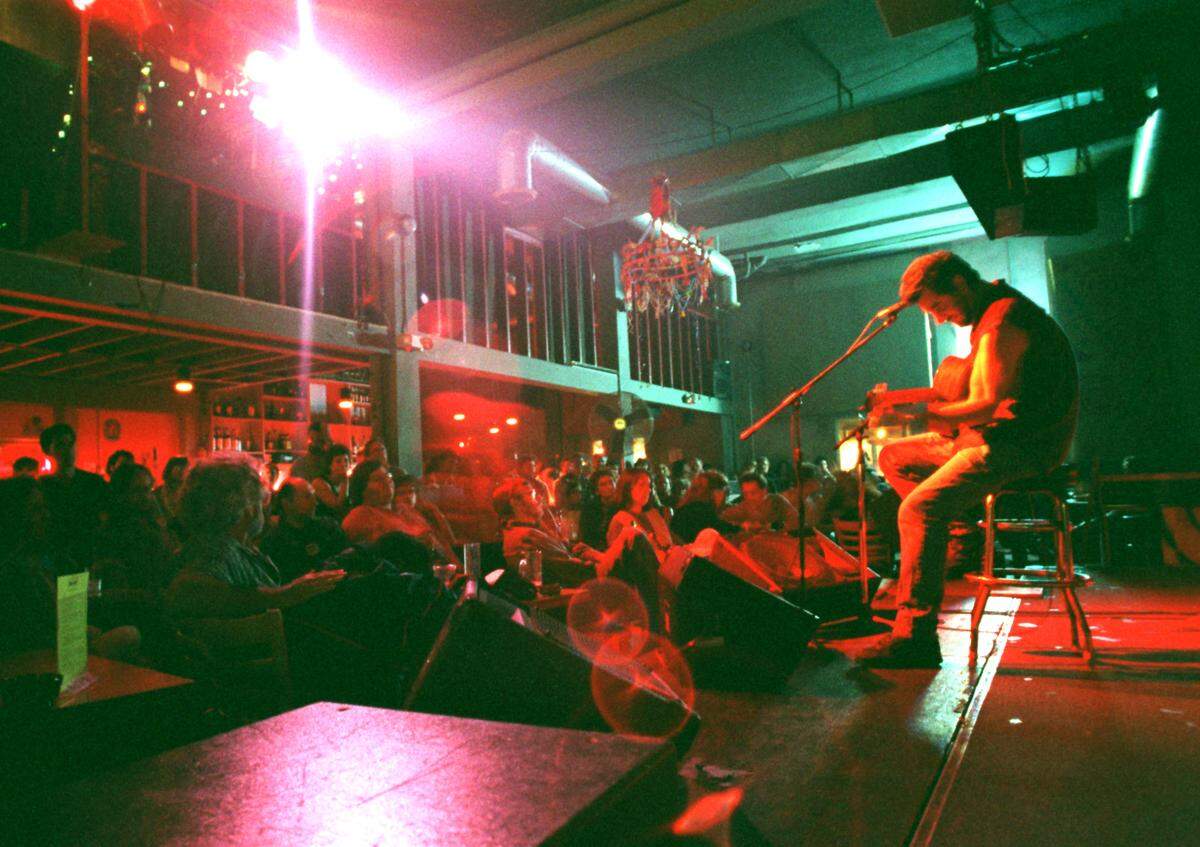
The Stephen Talkhouse opened in July 1992, a month before Hurricane Andrew, at 616 Collins Ave. as a sister site to the original Talkhouse in Amagansett, New York. One of the owners, Loren Gallo, told the Miami Herald at its closing less than three years later that the Talkhouse partners wanted a place in a warm climate to complement the New York summer season.
“There wasn’t really a major music club in Miami,” Gallo told the Herald in 1995, “and most of the [music] agents we dealt with said there was a big void here. This was a growing, very diverse city and an open market, a very interesting place to start a music business.”
That New York cachet made the Talkhouse the place to be for live music in Miami-Dade in the early 1990s. Those of us lucky to have been through the Talkhouse doors might argue it was even better than the major players like the old Sunrise Musical Theater and Miami Arena.
The sight lines were certainly better. At the Talkhouse you could see national acts like Joan Baez, Warren Zevon, the Kingston Trio’s John Stewart, Debbie Gibson, Joan Osborne and a next generation Jefferson Starship — which still featured original Jefferson Airplane members Marty Balin, who had moved to Florida, and Paul Kantner, as well as fiddler Papa John Creach.
And the guest seated next to you could be someone famous.
Graber, who also manned the doors here, tells of the time comedian Jim Carrey, who was in Miami filming one of his breakout roles in “Ace Ventura: Pet Detective” in 1993, came by for a concert by ’60s singer Donovan.
“We gave him a seat right by the door so he could see everything right on the stage and wouldn’t be bothered by a lot of people,” Graber said.
Sometimes the guests would get up on the Talkhouse stage when the spirit moved them.
“We had Taj Mahal perform and Bob Marley’s mom, Mother Booker, got up on stage and sang with him,” Graber said. “Incredible stuff.”
Bands thrived in that environment and got national attention, Graber said.
For example, The Mavericks performed a New Year’s Eve gig at Stephen Talkhouse and country stars Trisha Yearwood and Martina McBride got up on stage to sing backup for lead singer Raul Malo.
Groups that formed in Miami or Gainesville found welcome audiences at the Talkhouse, too. Among them: Natural Causes, Forget the Name and For Squirrels.
But then came the end.
“With the Talkhouse it was sometimes a struggle to get people there,” Graber said. “We could get people there on the weekend. But for a great Dick Dale show on a Wednesday night or a Tuesday night it was hard to fill the place.”
The Stephen Talkhouse closed its 2 1/2-year run in April 1995 with a three-night, packed-house stand featuring The Radiators from New Orleans and a finale with Cuban-American singer-songwriter Nil Lara.
Stella Blue
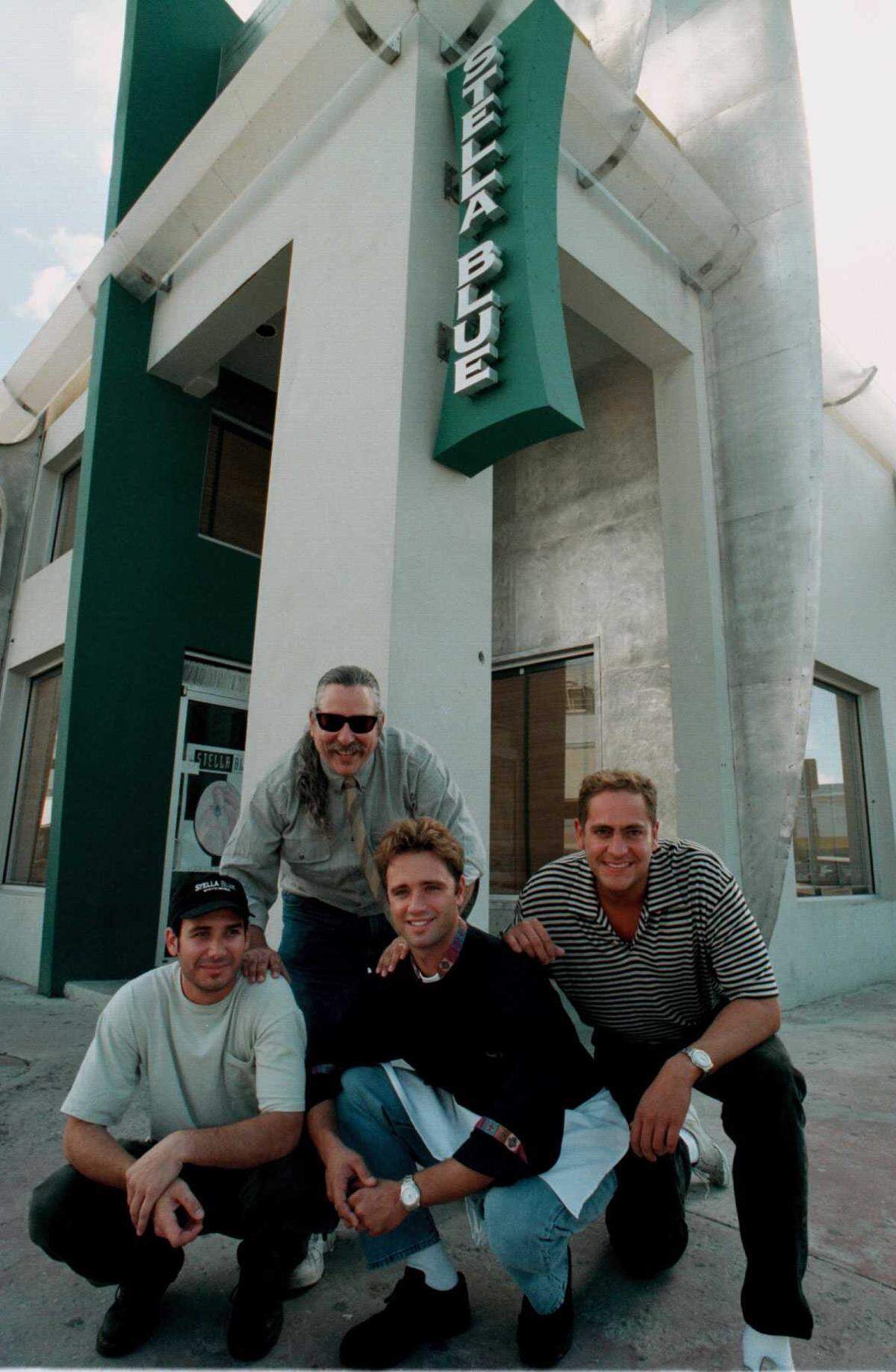
From the ashes of the Talkhouse, Graber and another group of Grateful Dead fans and investors opened Stella Blue a couple of miles away, on Meridian Avenue just north of Lincoln Road, in December 1996. It was named for the Grateful Dead song. Dead associate Merl Saunders, a pal of the late Jerry Garcia, played a Halloween 1997 concert on its stage which, of course, proved fitting.
Stella Blue was an ambitious concept — American bistro restaurant by day, music venue inspired by the Island Club, Rose’s and the Talkhouse from midnight on. By April 1998, not enough customers fell in love with the ol’ gal. Stella faded to blue.
But good memories remain of some signature Stella Blue events.
Among them: The club hosted a listening party in which Pink Floyd’s 1973 album, “The Dark Side of the Moon,” was synced to a playback of the 1939 movie “The Wizard of Oz.” An urban legend circulating in 1997 surmised that Floyd songwriter Roger Waters had purposely scored the rock band’s music to sync up to key events in the fantasy film. He almost certainly didn’t but it did work. Or maybe it was the brew at the bar. In any case, the place was packed for two shows.
Gainesville’s then-popular college rock act Big Sky made monthly 350-mile road trips to Miami to play Stella Blue. “We love the place,” former Big Sky manager Mo Rodriguez told the Herald at the time as he paced outside while his band performed to crowds that sometimes swelled to more than 400. Stella Blue could comfortably hold only a couple of hundred.
Bluesman R.L. Burnside performed in February 1997. “That was like Muddy Waters and Howling Wolf playing in your living room,” Graber told the Herald at the time.
Van Dyke Cafe
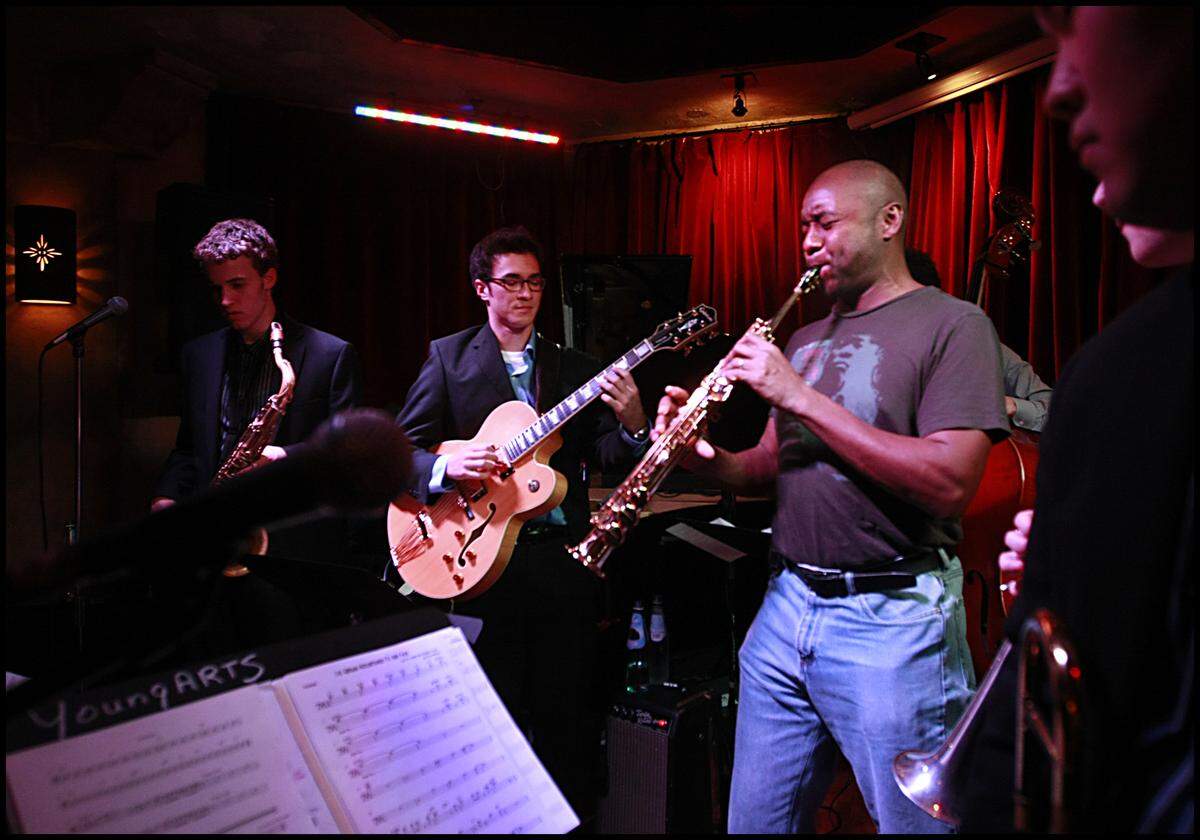
Jazz could never draw the numbers that might come out for a rock or pop show, but for jazz fans who knew the music and enjoyed hearing it in proper, sophisticated settings, the Van Dyke Cafe could make you feel you were at New York’s Village Vanguard or Birdland.
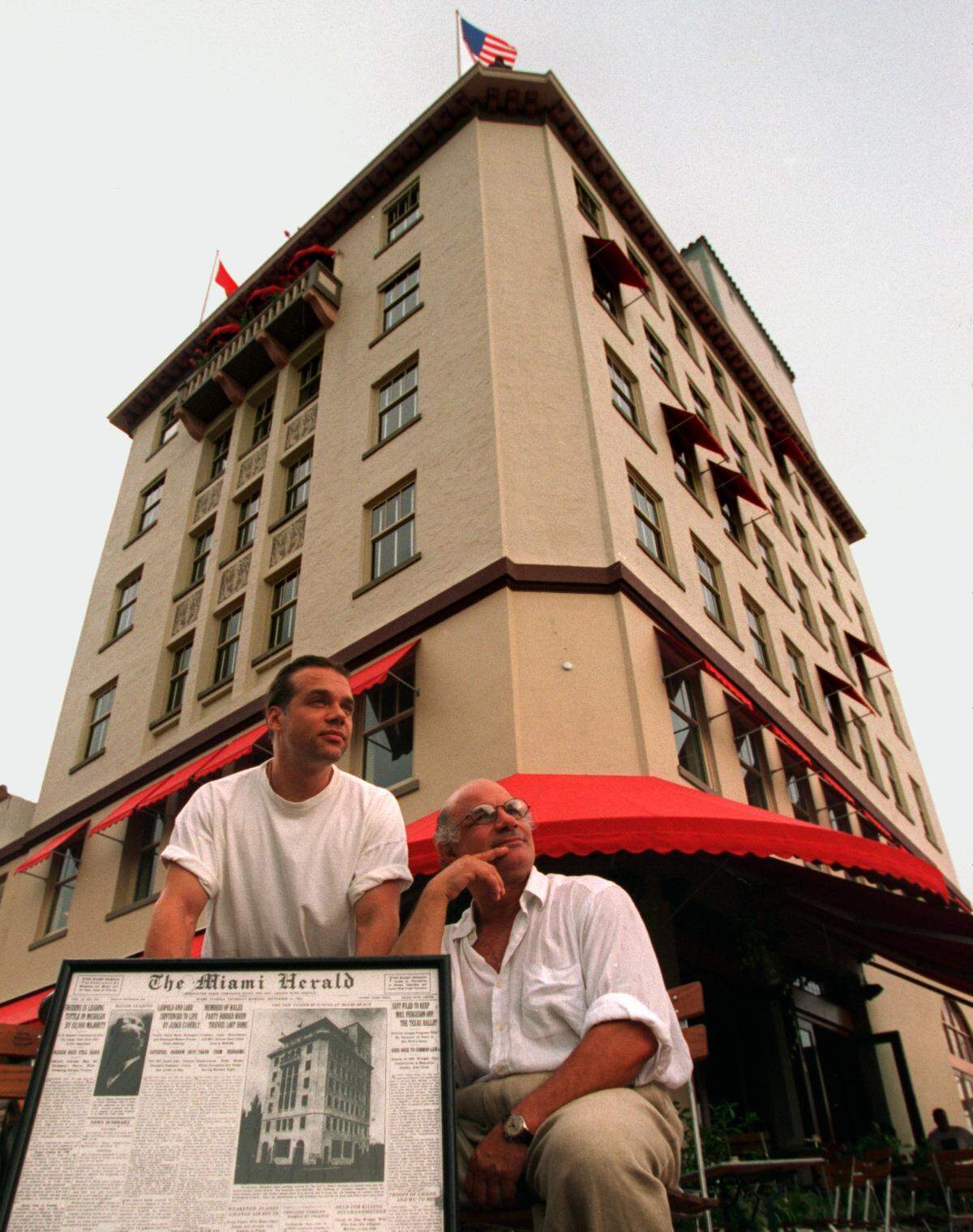
The jazz room was on the second floor of a seven-story, 350-seat indoor and outdoor restaurant/hotel housed in the Van Dyke building at 846 Lincoln Rd. on the corner of Jefferson. The Miami Beach landmark was built by developer Carl Fisher in 1924 and was a Lums hamburger joint in the 1970s.
Re-imagined by the folks from the News Cafe (Mark Soyka and Jeffrey Davis) and managed by people who respected jazz like musical director and resident bassist Don Wilner (woe to the patron who chit-chatted during anyone’s set upstairs), the Van Dyke opened on the building’s 70th anniversary in 1994 and lasted for about 20 years.
Upstairs at the Van Dyke, as it was known, drew jazz luminaries like Freddy Cole (Nat’s brother and Natalie’s uncle), Toots Thielemans, Randy Brecker and Branford Marsalis.
Marsalis led a group of music students who were in Miami as part of a YoungArts Week celebration in 2011.
The late George Wein, founder of the prestigious Newport Jazz Festival, was one of the producers who used the Van Dyke to open his inaugural JVC Jazz Festival here in 2001, which had performances by Gato Barbieri, Hilton Ruiz’s quartet and the Latin Jazz Crew.
Locals like Raul Midón, Nicole Henry, Tony Fernandez and Wendy Pedersen grew as musicians here under Wilner’s steady guidance.
The Flick

The Flick Coffeehouse is long gone, shuttered in 1974, a decade after its opening. Today, the space is the Titanic Restaurant & Brewery, across from the University of Miami’s baseball stadium in Coral Gables on Ponce de Leon Boulevard.
But the building, and its distinctive bay window, remain intact. And so do memories of the music made inside its walls. Today, you may hear renditions of it on karaoke night. Back then, it was music made original by songwriters that defined a generation.
The Flick was a breeding ground for nascent folk singers that included Joni Mitchell, David Crosby, Jimmy Buffett, Tom Rush, Michael Martin Murphey, Jerry Jeff Walker and John Denver.
Fledgling comedian Gabe Kaplan developed the characters he wove into his 1975-’79 ABC sitcom, “Welcome Back, Kotter,” at his Flick shows in the mid-’60s.
One favorite story to spring from The Flick centers around Joni Mitchell and Estrella Berosini.
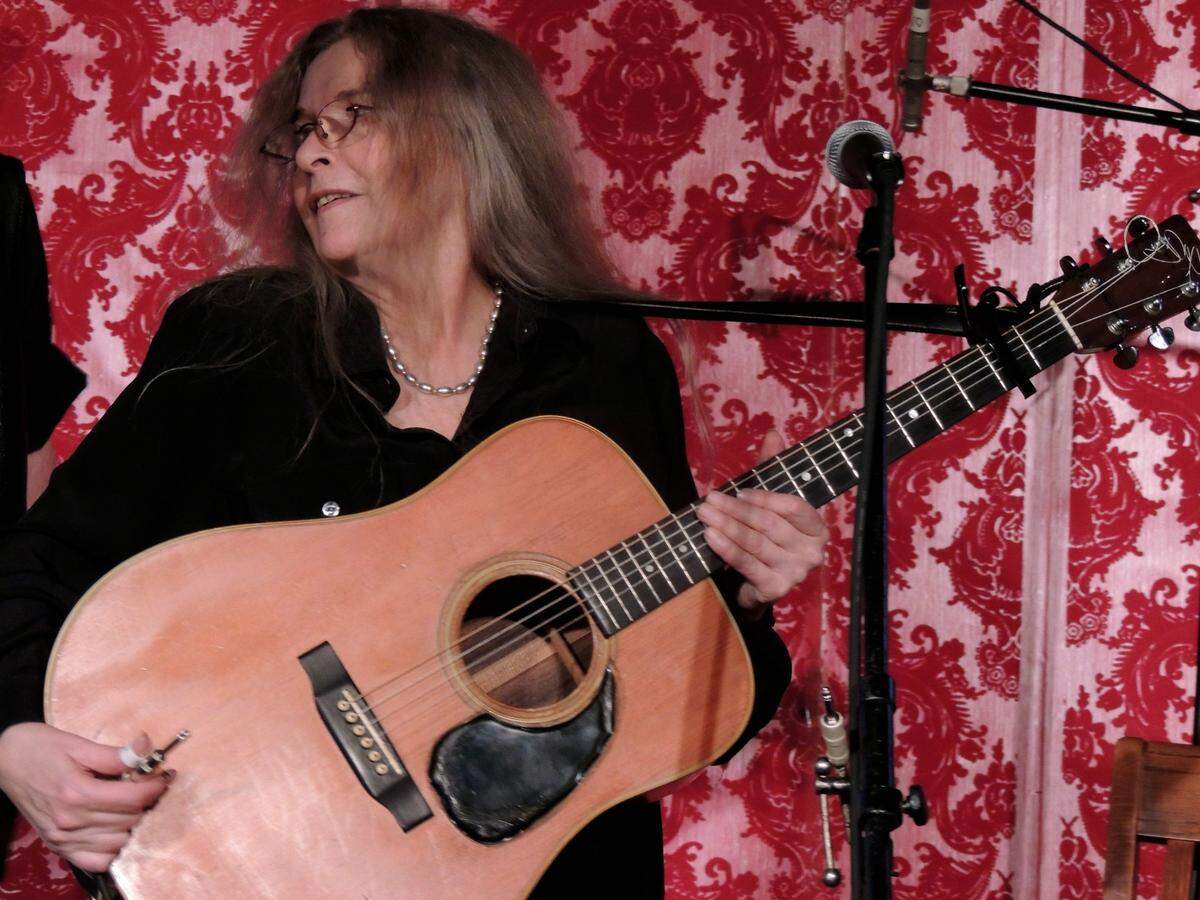
“The Flick was isolated so there was nothing better to do than sit at the back of the room and see each other’s set,” Berosini told the Herald when organizers staged a 50th anniversary three-day festival at Titanic.
That’s where Berosini and Mitchell talked shop between sets.
“It was kind of a peer thing where we, as two women, we were taking notes and sharing notes about what it was to be a female singer-songwriter and we continued that friendship when I moved to California,” Berosini said.
Mitchell immortalized her friend from The Flick in the lyrics of the title track to her album “Ladies of the Canyon” in 1970.
Estrella circus girl/Comes wrapped in songs and gypsy shawls/
Songs like tiny hammers hurled/At beveled mirrors in empty halls.
“In the back closet of The Flick she taught me her songs. She thought I would record soon, and she wanted me recording some of her songs,” Berosini said. “We also started to spend hours and hours exchanging information about how to write songs and we became creative allies or creative associates.”
Rose’s Bar
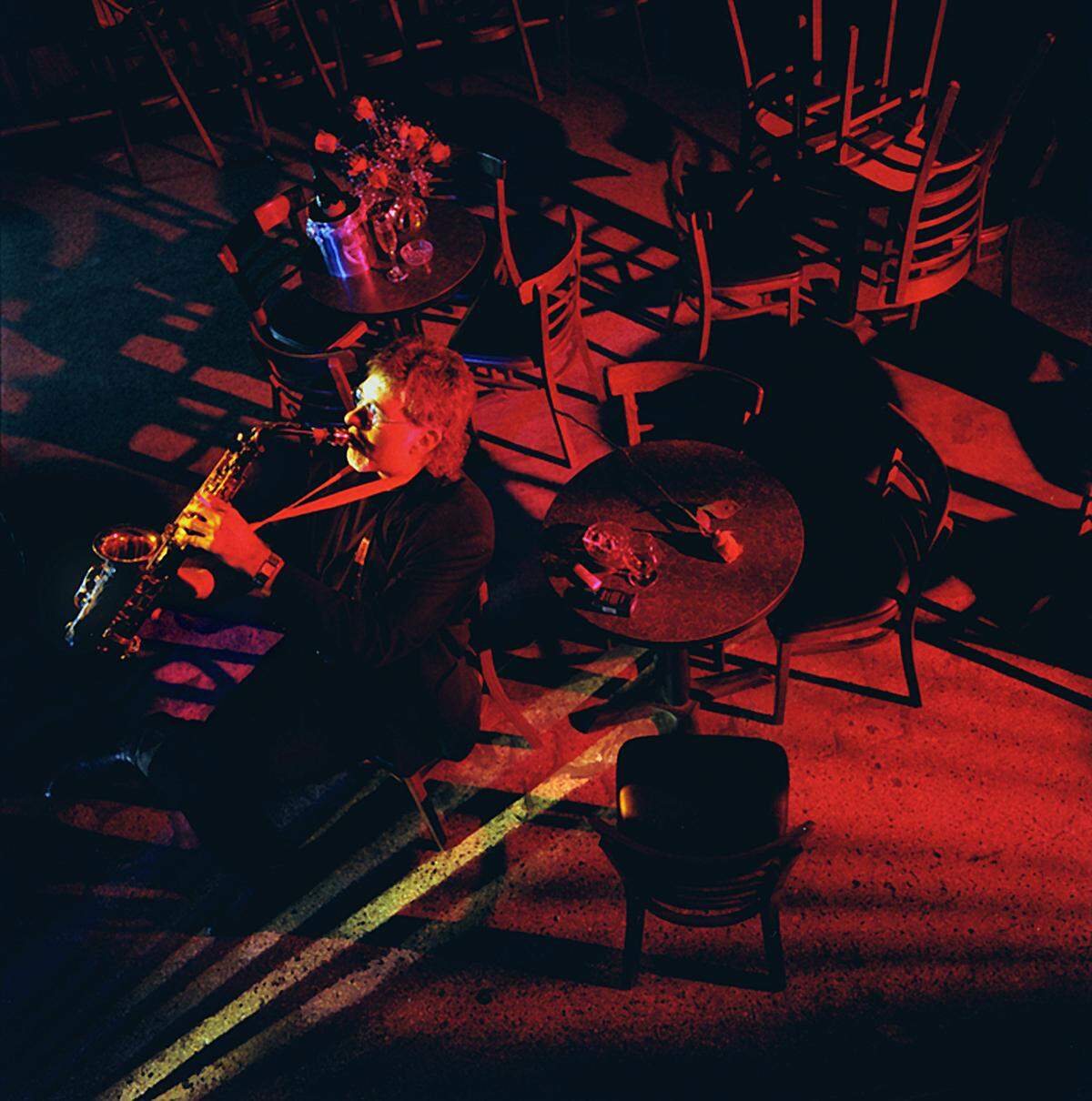
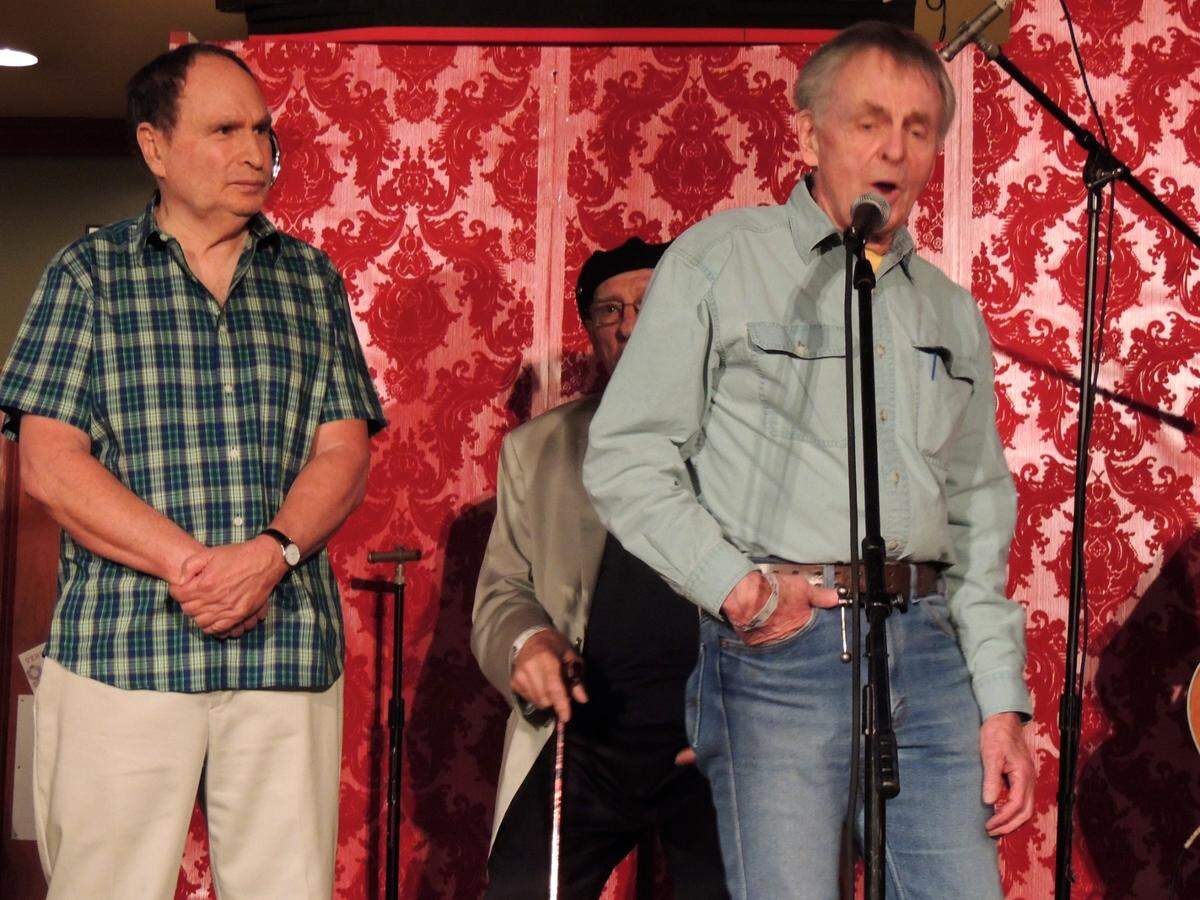
Rose’s was opened by jazz musician Arthur Barron and his wife, Charlotte, at 754 Washington Ave. in 1993. For six years, until 1999, if you wanted to see who was who in the fledgling live local music scene, you pressed yourself up against the mahogany bar to squeeze near the stage and hear, well, everyone.
Local music impresario Rich Ulloa tried out all of his acts at Rose’s: Mary Karlzen, Amanda Green, Jolynn Daniel and Gainesville’s For Squirrels. Another Gainesville act, Sister Hazel, had a national hit with “All for You” in 1997, soon after introducing it at the South Beach venue.
Rose’s regulars included Raw B Jae & the Liquid Funk, Natural Causes, Sixo and Manchild. Barron also played at jazz nights at his club.
We remember sitting down at a nearby Washington Avenue hangout at the urging of a chatty David Lee Roth after a Saturday night out at Rose’s in the mid-1990s. The then-ex-Van Halen front man was just one of a number of pop celebs who could slip into Rose’s without causing a ruckus.
In 2011, the Barrons hosted a Rose’s Flashback Reunion event at The Stage at Northeast 38th Street in Miami. Roger Bueno, bass player for Manchild, told freelance writer Tom Austin his thoughts on Rose’s for a Miami Herald story.
“In the 1990s, Miami was the s---, like the Sunset Strip in L.A. during the 1980s, and Rose’s was the hang. Busta Rhymes jumped on stage one night, told me I was ‘throwing down the funk’ and played with us. The place had a buzz, and it was just a constant happening.”
Washington Square
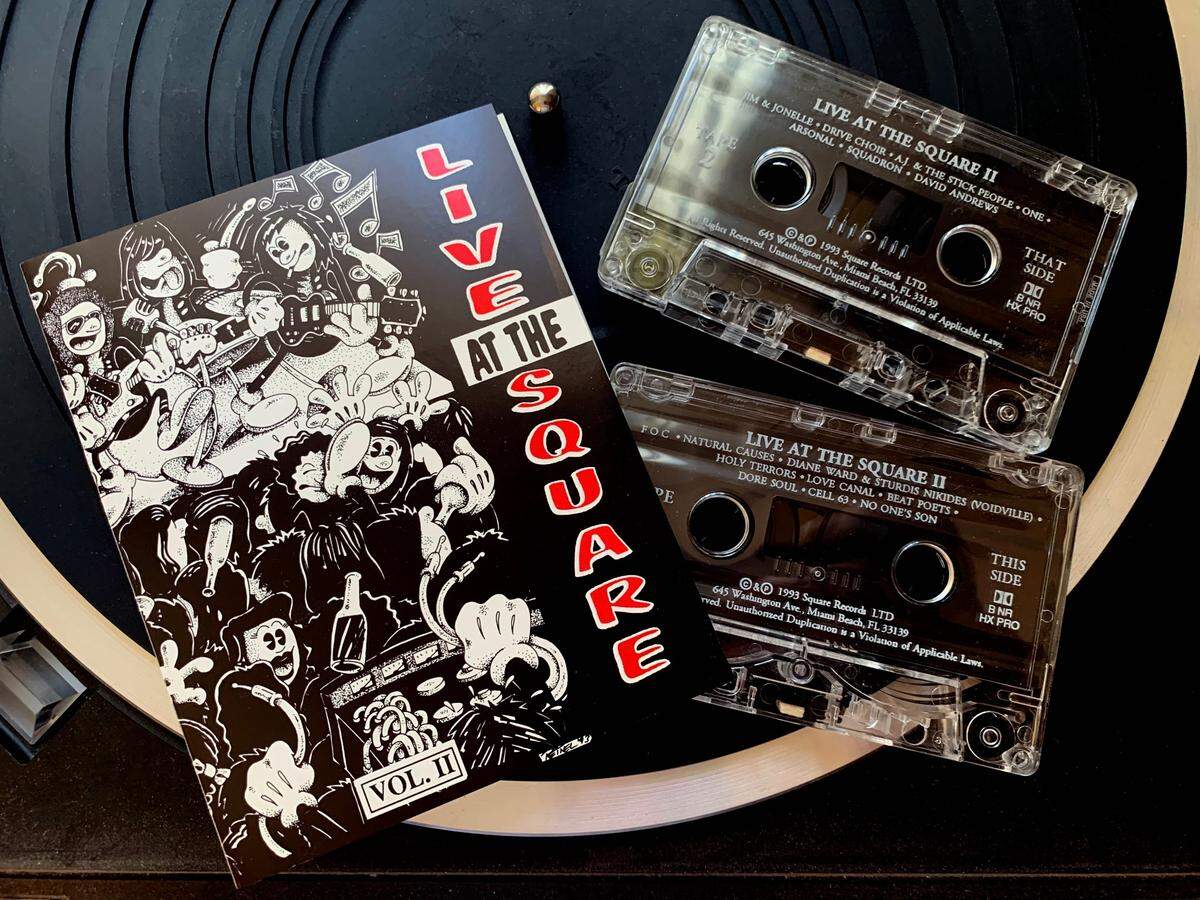
The least ostentatious of the live music venues, Washington Square opened as a dark, steamy hole-in-the-wall at 645 Washington Ave. in February 1990. The venue epitomized rock, a lot of it quite hard to capitalize on the atmosphere, during its three-year run before closing in September 1993.
Locals like the Holy Terrors, Natural Causes, Cell 63, Diane Ward, Load and Love Canal thrived in these walls. But national acts like Green Day, Ministry, Marilyn Manson and the Spooky Kids, Primus and the Smashing Pumpkins also played the Square before larger venues beckoned.
Washington Square was probably best known for its annual marathon showcases called Thon that would host 300 bands in a month’s run — 10 a night — and its “Live at the Square” albums pressed onto CDs and cassettes that gave local bands exposure on college and alternative radio stations around the country.
When Washington Square switched off its amps for good nearly 30 years ago, Fro Sosa, singer for Nuclear Valdez, lamented to the Herald: “Washington Square was the only place in Miami that was a bona fide rock club with a real rock attitude. I know a lot of kids just starting out who dream of playing at the Square.”
Miami Herald staff writer Howard Cohen spent countless nights in the 1990s covering shows at most of these live music clubs.
This story was originally published July 6, 2022 at 6:00 AM.