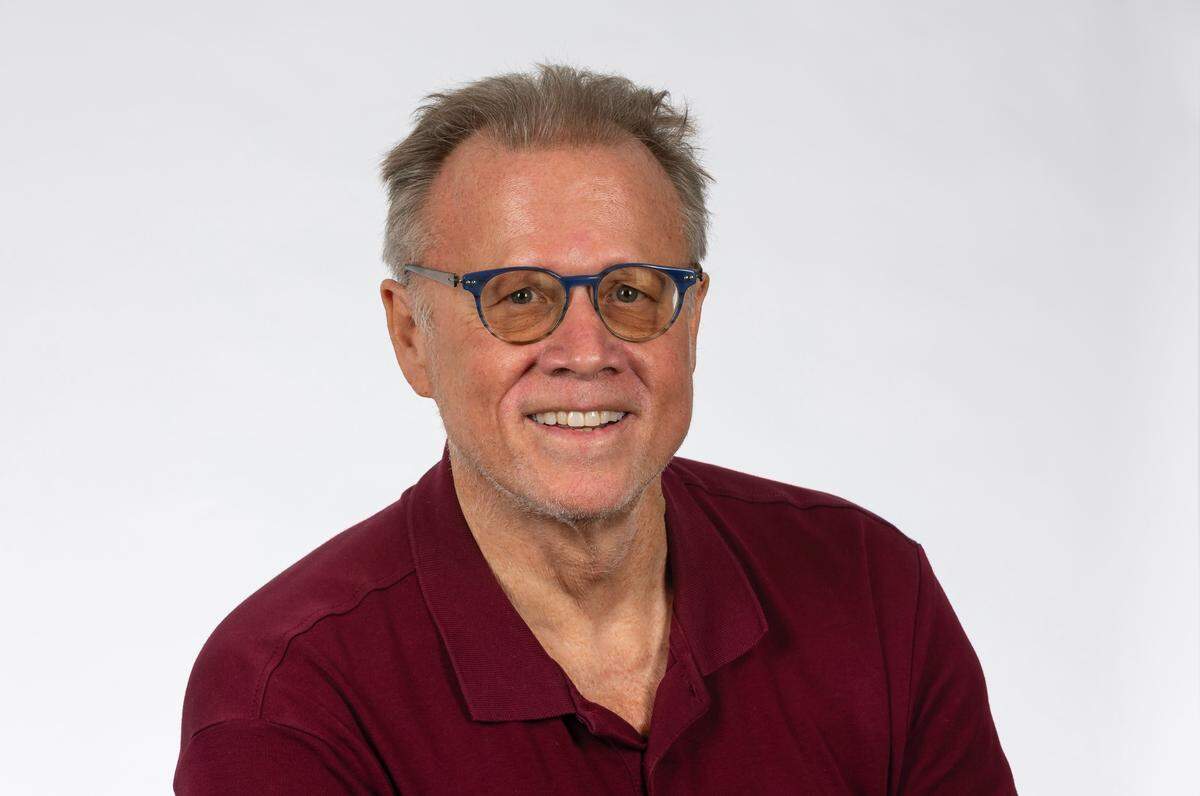
Holocaust survivor spent his life honoring his mother’s last words. Leo Rosner dies at 92
READ MORE
South Florida Holocaust stories
Over the years the Miami Herald has written obituaries on several Holocaust survivors who made their lives in South Florida. Here are some of their stories.
Expand All
Holocaust survivor spent his life honoring his mother’s last words. Leo Rosner dies at 92
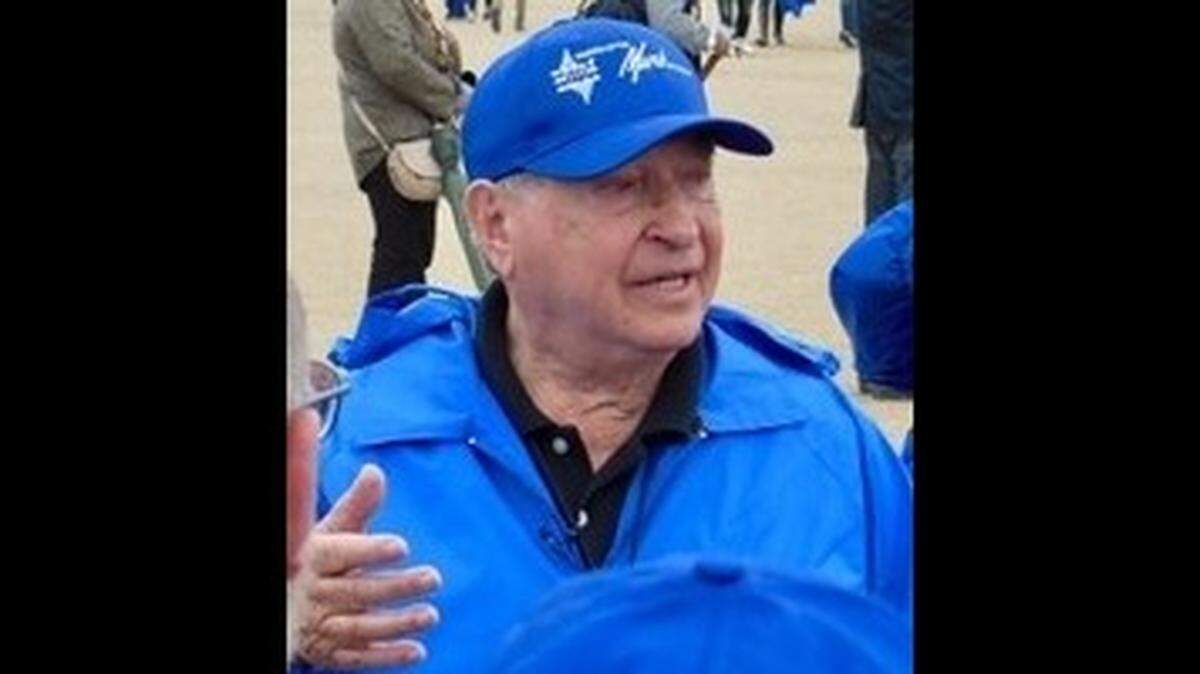
Holocaust survivor, who fought to ‘right the wrongs’ of Nazi Germany, dies at 92
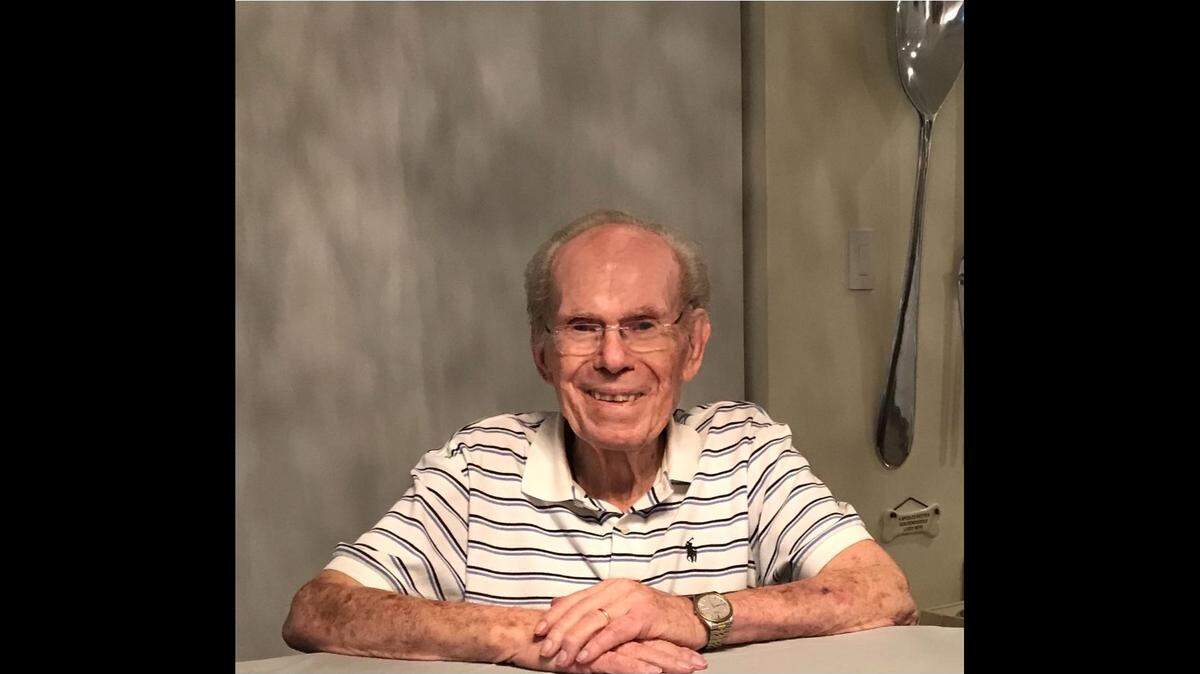
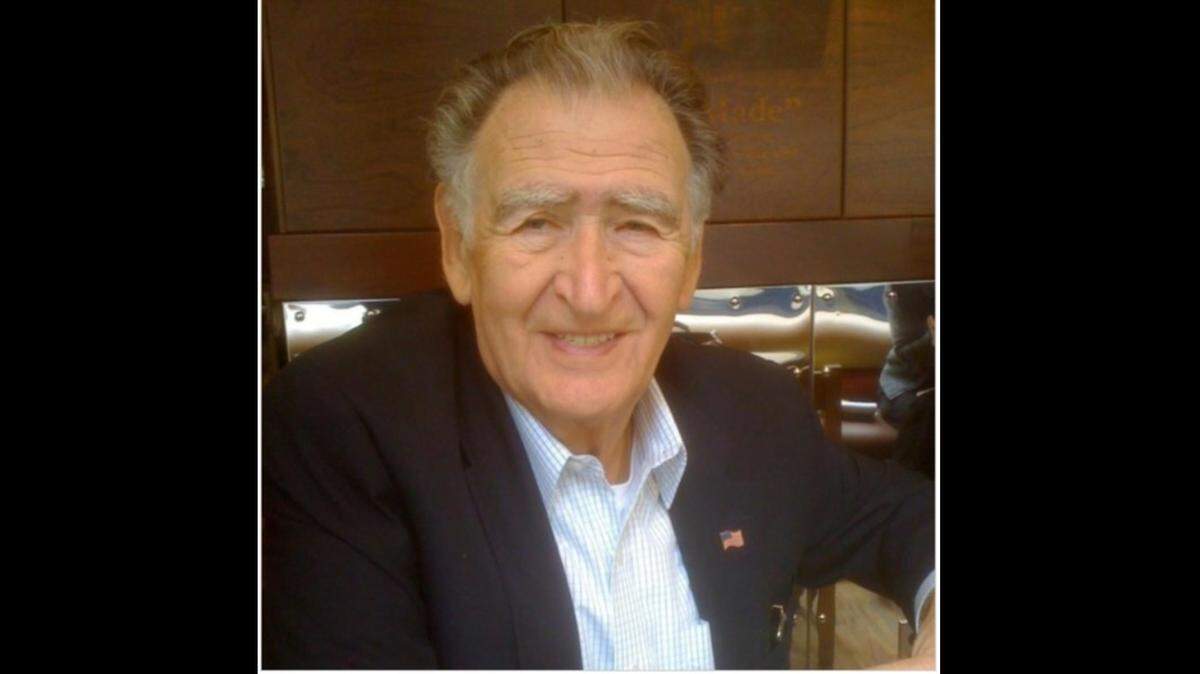
Passenger on 1939 ‘Voyage of the Damned’ and Holocaust survivor dies at 94
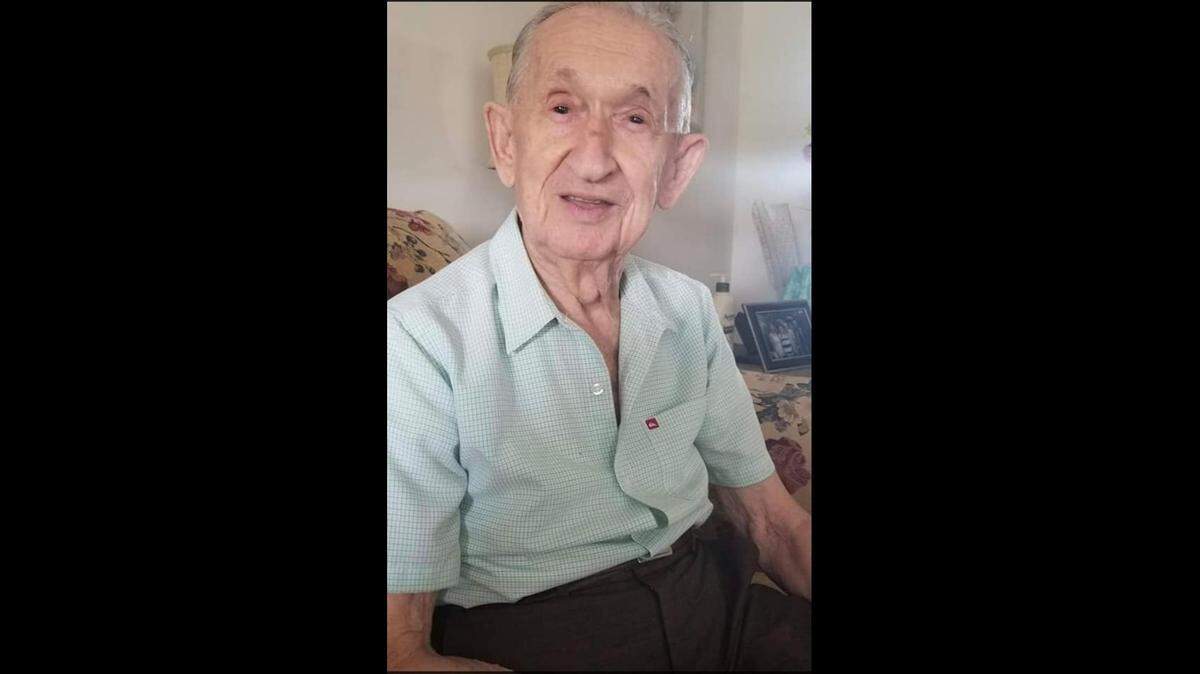
He ‘really thought he was a lucky man.’ Man who survived the Holocaust dies at 99.
Leo Rosner, Holocaust survivor, U.S. Army veteran, businessman and man of faith, died in Miami on July 17 at 92, his son Jackie said.
The last words a 13-year-old Leo Rosner heard from his mother Esther, 79 years earlier in 1942, just before the Nazis extinguished her life and that of his 11-year-old sister, Malkale, during World War II, proved the living embodiment of his long, fruitful life.
Rosner was deeply religious, with an encyclopedic knowledge of the Torah, Tefilot (a Hebrew word referring to prayer) and Jewish customs and traditions. He dedicated his life to teaching and promoting Holocaust education by visiting schools, yeshivas, the U.S. Southern Command and other places. For more than 30 years Rosner worked alongside Dania Beach’s Holocaust Documentation and Education Center in these endeavors.
“My father never denied a speaking engagement,” his son said.
“Everyone who met and knew Leo greatly respected his resolute strength of mind and admired his unwavering sense of conviction to preserve, protect and perpetuate the authentic memory of the Holocaust,” Rositta Kenigsberg, president of the Holocaust Documentation and Education Center, wrote in tribute to Rosner.
Honoring his mother
The words of his mother, and the lessons contained, will carry on with Rosner’s two children, Jackie and Esther Rosner, his son vows.
In 2004, Rosner self-published his memoir, “The Holocaust Remembered: A Child Survivor’s Account of Imprisonment and Redemption, 1939-1945.”
In delivering his eulogy for his father, Jackie Rosner recounted a story from the memoir and read aloud his grandmother’s last message to her son. She was 35 when she died. He shared the text with the Miami Herald.
“After leaving their hiding in the attic and surrendering to the city police, our father, his mother and his sister were sent to Jaslo Prison. At the last time our father saw his mother, she gave him these parting words:
My child take care of yourself. Your mother cannot help you anymore or do anything for you. The way things look we may not see each other again for a long time. My life is not so important to me as yours. You are young, and have a chance to live through this war. We know what happened to all the women and children and that the Germans only need slaves — men who can work and die for them. I pray to G-d that he should give you many years to live and that you should someday meet your father, my brothers and sisters who are living somewhere in this world.
Promise, my son, not to cry over me and that you will remember all the things I have taught you. Some children are being brought up without their mothers and live happy all their lives. So will you, my son. I shall pray for your life. It is G-d’s will that we would be separated. I know that someday you will be far away from here, and you will be happy.”
“In many ways, those parting words that our father’s mother gave to him are similar to what our father wished for us, especially now in his passing,” Jackie Rosner said in his eulogy. “Our father sacrificed his entire life to provide for us and to give us love and happiness. He would never want us to be suffering, especially after his passing. He is now our Guardian Angel, looking over us and protecting us.”
The circle of life
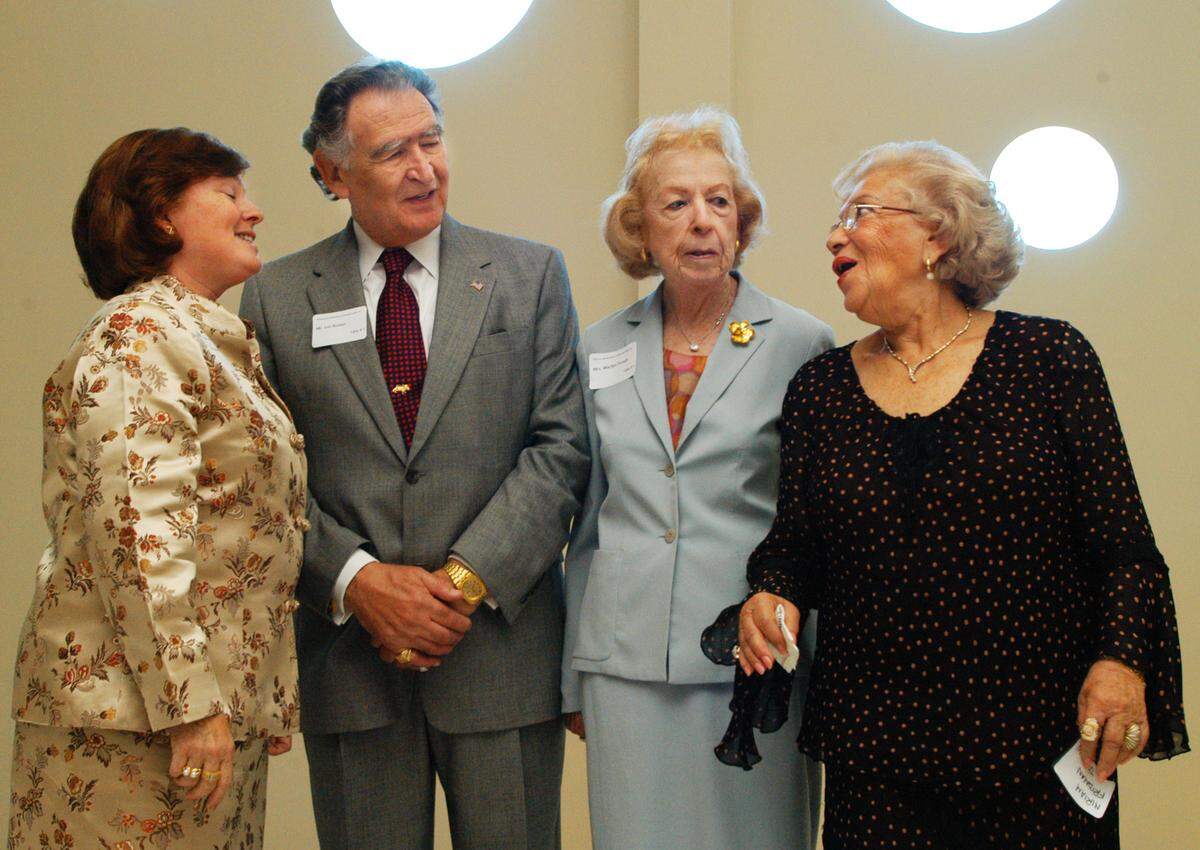
Rosner was born in 1929 in Zmigrod, Poland, to Esther (Findling) and Moses David Rosner. He survived nine concentration camps and forced labor camps. He, alongside his father, was liberated from the Mauthausen concentration camp in Linz, Austria, by the U.S. Army in May 1945.
In 2003, Rosner met one of those soldiers, World War II veteran Warren Melgaard, the driver who rammed the gate at Mauthausen on May 5, 1945.
“It was beautiful when they came in with their tanks. They were like angels,” Rosner said at their meeting, the Miami Herald reported.
“I saw all these people falling down dead while I was there,” Melgaard, who was 80 and living in South Miami-Dade, told the Herald in 2005. “They lined up to touch the tank.”
Rosner, who lived and raised his family in North Miami Beach, told the Herald the American soldiers “looked very young and beautiful, beautiful. We kissed them. We grabbed their hands. They were afraid of us in a way. It was like they were in the jungle and we were animals.”
For the last two years of Melgaard’s life — he died at 80 in March 2005 — he got together often with Rosner. “Such a beautiful coming together and friendship,” Jackie Rosner said.
Rosner went to New York on a student visa in 1948 following three years in Italy after the war. In New York he met a Cuban woman, Fanny Lisitzky, whom he would marry, and raised a family there and, starting in 1977, in North Miami Beach.
Rosner was drafted into the Army in 1952. Given his fluency in languages that included English, Spanish, Yiddish and Hebrew, after military intelligence training at Fort Bragg, North Carolina, he was deployed to Germany to serve alongside Allied occupation forces.
“The irony of the circle of life,” Rosner’s son said. “He writes about it in his book. He wished his mother would have seen this. ... Now he is free and he gets to wear a United States Army uniform. He said he was back in Germany, the voices were as harsh and brought back bad memories. But he said that now he was a conqueror in a country where he, himself, was conquered.”
Testifying against Nazis
Rosner’s Hebrew name was Ariyeh Yehuda, which translates to “the lion of Judah,” his family said. Seems fitting.
Thirty years after the liquidation of his hometown of Zmigrod, and the killing of his mother and sister, Rosner stood before some of the people responsible. This time the setting was a court of law. And Rosner recognized four of them. And Rosner remembered details. And Rosner spoke out.
Rosner had been invited by the German government to testify in a trial in Arnsberg in March 1972. Seven gestapo were brought to trial for the murder of Jewish people in Rosner’s hometown and in the towns of the district of Krakow. With the help of his testimony, five of them were sentenced to five years’ imprisonment, according to the Holocaust Documentation and Education Center.
From Rosner’s memoir: “They were questioning how a 13-year-old boy could remember in such detail the names and faces of the accused now on trial. ‘How can you remember?’ they asked me. I then answered, ‘Ask me how can I forget.”
In July 1990, with friend and fellow Holocaust survivor Mordechai Findling, Rosner traveled to Poland and identified the mass grave where his mother and sister were shot and killed. Three years later, the pair unveiled monuments in the village of Halbuv to memorialize 1,250 victims in mass graves.
Sharing stories with students
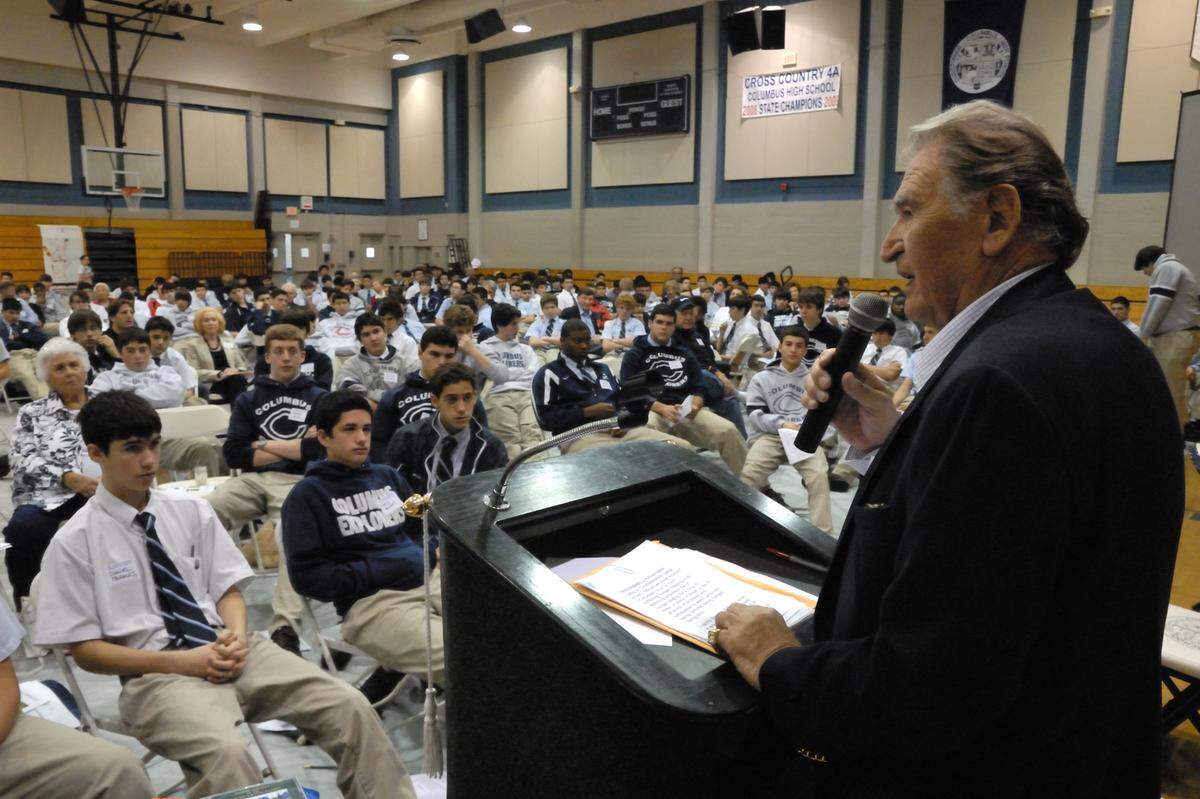
In 2010, Rosner shared these stories with about 300 students at Christopher Columbus High School, a private boys’ Catholic school in Westchester.
“It’s very painful, but it also gives me pleasure seeing students studying and learning about the Holocaust,” Rosner told the Herald at the time.
“He was such a humble man but for someone who survived nine concentration camps and forced labor camps it would have been easy to give up on God and religion but he embraced it,” Rosner’s son said.
Rosner dedicated his life to his faith, family and a funny joke — always clean, his family points out. He would joke with his doctors, “Don’t make me younger, make me older,” his son and daughter recalled.
He also kept his passions alight for singing — “he had a beautiful voice,” his son said — and for trading on the stock market, his sales work, and Holocaust education. In 1996, he recorded his observations for director Steven Spielberg’s The Shoah Foundation at the University of Southern California.
Survivors and in memoriam
In addition to his son Jackie and daughter Esther, Rosner’s survivors include his wife Fanny Rosner. Services were held. Donations in his memory can be made to the Holocaust Education and Documentation Center at www.hdec.org.
This story was originally published July 30, 2021 at 4:14 PM.