
The Ghislaine Maxwell verdict wouldn’t have happened without local journalism. Keep it going.
READ MORE
Closing the book
Pending appeal, conviction of Ghislaine Maxwell signals the end of a sordid chapter in the Jeffrey Epstein saga.
Expand All
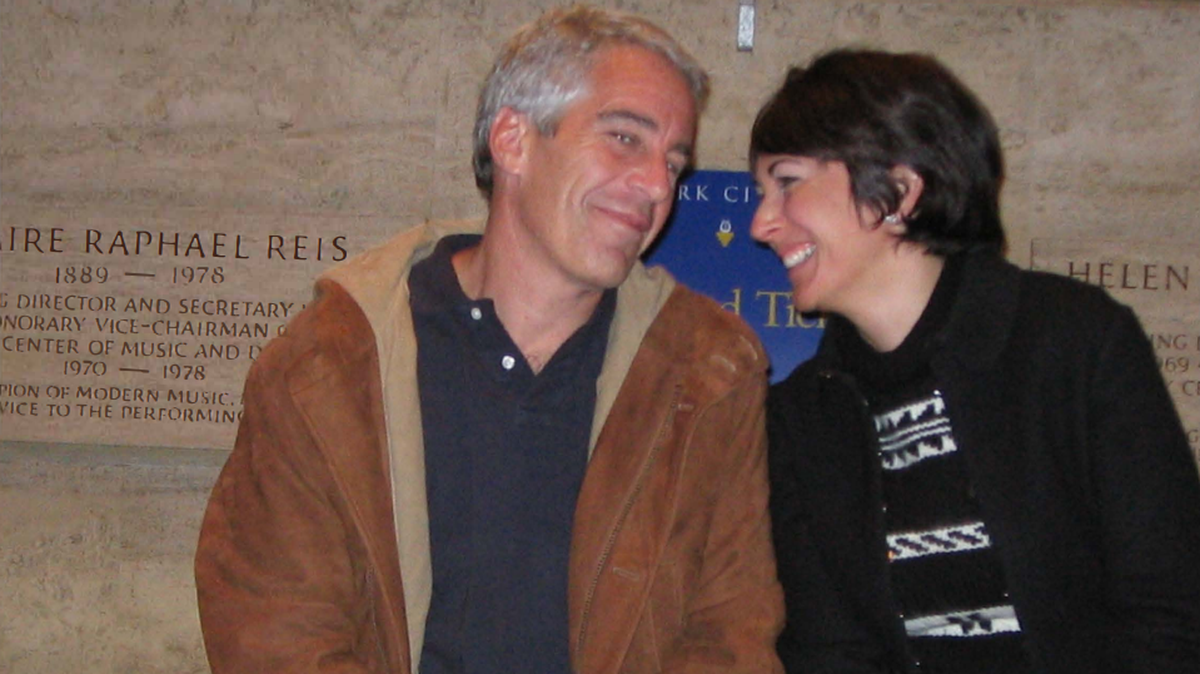
From impunity to infamy: The rise and fall of Jeffrey Epstein and Ghislaine Maxwell
.JPG)
‘Grim reality’: Could Ghislaine Maxwell flip on others now that she’s convicted?

Rural hideaway: Townsfolk were shocked to find the refined Maxwell lived in their midst
The Ghislaine Maxwell verdict wouldn’t have happened without local journalism. Keep it going.
On Wednesday, a federal jury in New York convicted sex trafficker Jeffrey Epstein’s partner and confidant, Ghislaine Maxwell, of recruiting and grooming young girls for his perversions and pleasure.
It’s an important verdict and a story of international impact and attention, one that gives voice and perhaps some measure of validation to his victims and their families.
It also powerfully demonstrates the importance of local news organizations like the Miami Herald.
I’m writing this as my retirement as managing editor at the Miami Herald approaches, and I’d like to take this moment to highlight the role journalism — local journalism — played in this saga.
Without the Miami Herald — and if you are a subscriber, I’ll say, without YOUR Miami Herald — the stories of these abused women would not have been told.
Without the Herald, the sweetheart deal brokered by then U.S. Attorney Alexander Acosta with Epstein still would be in force. Acosta, who moved on from his U.S. attorney role to become dean of the Florida International University law school and then U.S. Secretary of Labor, would be striving for new positions of power.
Without the Herald, Jeffrey Epstein would be continuing to rehabilitate his reputation, dazzling wealthy friends in Palm Beach and on his private island. And Maxwell would be by his side, flying in his private jet, helping to coordinate his social schedule and heaven knows what else.
Instead, Acosta resigned his Cabinet position in disgrace. Epstein was charged in federal court for his crimes, and died in prison by hanging.
Instead, his enablers and hangers on — there are many — have a taint on their reputation that they will not and cannot shake. And Ghislaine Maxwell, enabler in chief, has been convicted of her crimes and awaits sentencing that could mean she will spend the rest of her life in prison.
The sweetheart deal in the Epstein case wasn’t exposed by one of the worldwide or national news organizations.
The hard work that triggered this chain of events came from your local news organization, the Miami Herald, and most specifically, reporter Julie Brown, visual journalist Emily Michot and investigations editor Casey Frank.
I don’t have the words to describe their extraordinary work and dedication.
But they are just three of more than 100 committed journalists who bust their butts every day to tackle hard stories in our community, whether it be why and how the Champlain Towers condominium collapsed, a statewide program failing in its mission to help the families of brain-damaged children, or who was behind a scheme to run fake candidates in a local election.
In my 42 years at the Herald, I’ve seen lots of change in the news business, and many challenges to how we do our work — from financial stresses caused by the internet and changing news consumption habits to what I’ll call the rise of spin and the war on the truth.
Our newsroom is smaller than it once was. So is the newspaper itself, though our work online reaches a larger audience than ever.
But the Miami Herald team’s dedication has never been stronger. The commitment and courage of our journalists is unwavering.
We couldn’t do it — can’t do it — without continued support from you. This week — as you hear the Herald and reporter Julie Brown mentioned around the world in connection with the Epstein and Maxwell story, please keep that in mind.
This story was originally published December 30, 2021 at 4:34 PM.