
From impunity to infamy: The rise and fall of Jeffrey Epstein and Ghislaine Maxwell
READ MORE
Closing the book
Pending appeal, conviction of Ghislaine Maxwell signals the end of a sordid chapter in the Jeffrey Epstein saga.
Expand All
From impunity to infamy: The rise and fall of Jeffrey Epstein and Ghislaine Maxwell
.JPG)
‘Grim reality’: Could Ghislaine Maxwell flip on others now that she’s convicted?

Rural hideaway: Townsfolk were shocked to find the refined Maxwell lived in their midst
The Ghislaine Maxwell verdict wouldn’t have happened without local journalism. Keep it going.
2005
March: A 14-year-old girl and her parents report that Jeffrey Epstein molested her at a mansion in Palm Beach. She said a female acquaintance and classmate at Royal Palm Beach High School had taken her to the house to give him a massage in exchange for money.
.jpg "Home 05 Epstein EKM (1).jpg")
April: Palm Beach police begin trash pulls at Epstein’s home, discovering a telephone message for Epstein with the girl’s name on it, and a time that matched the time that she told police she was there. They find the names and phone numbers of other girls on message slips in his trash.
October: With the police probe in full swing, one of Epstein’s assistants calls one of the girls just as she is being questioned by police. Investigators begin interviewing more girls, as well as Epstein’s butlers, who tell them that Epstein had frequent visits from girls throughout the day. On Oct. 20, they execute a search warrant at his house on El Brillo Way in Palm Beach.
2006
May: Police sign a probable cause affidavit charging Epstein and two of his assistants with multiple counts of unlawful sex acts with a minor. The Palm Beach state attorney, Barry Krischer, instead refers the case to a grand jury.

June: The grand jury, after hearing from only one girl, returns an indictment of one count of solicitation of prostitution. The charge does not reflect that the victim in question and others were minors.
July: Epstein’s powerhouse legal team tries to negotiate a deal with the State Attorney’s Office. Lawyers discuss a deferred prosecution in which Epstein would enter a pretrial intervention program and serve no jail time.
July: After pressure from the Palm Beach police chief, the FBI opens a federal investigation, dubbed “Operation Leap Year.’’ Documents list the possible crime as “child prostitution.’’
2007
June: A 53-page indictment is prepared by the U.S. Attorney’s Office as, simultaneously, plea negotiations are initiated with Epstein’s legal team.
August: The U.S. attorney in Miami, Alexander Acosta, enters into direct discussions about the plea agreement; a motion to compel production of Epstein’s computers is delayed.
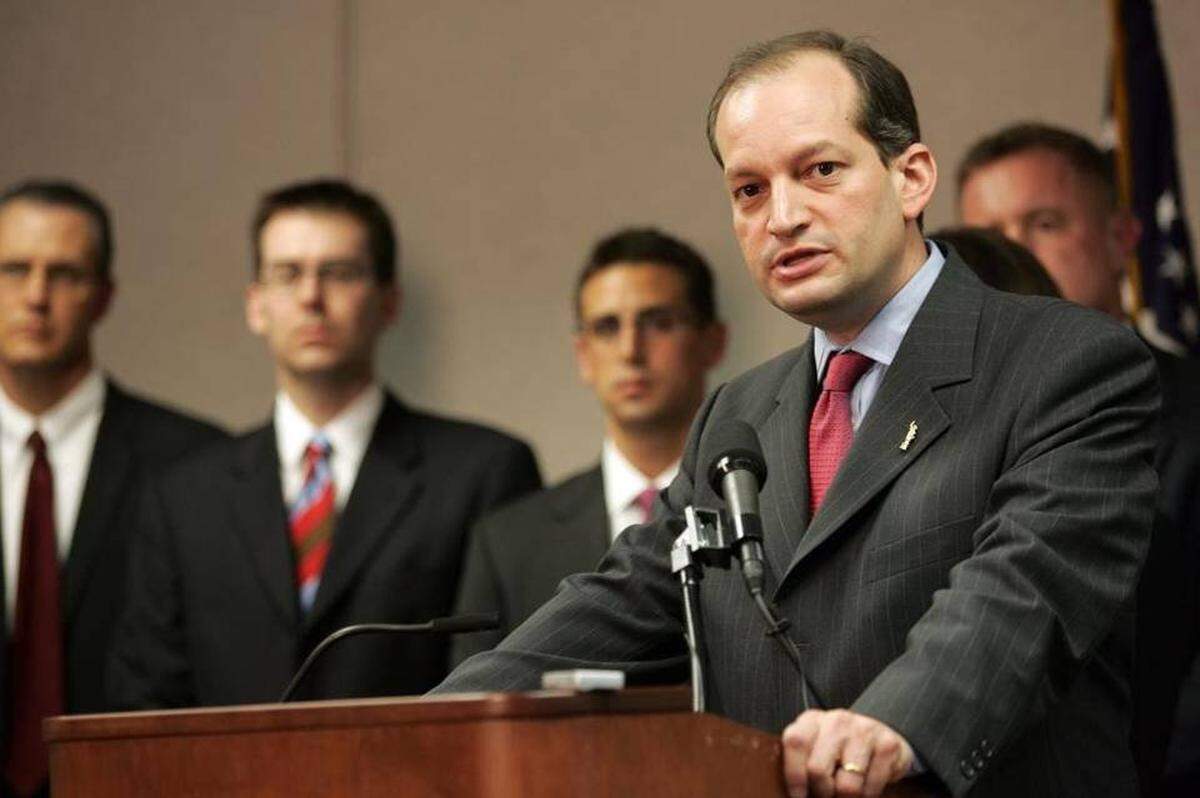
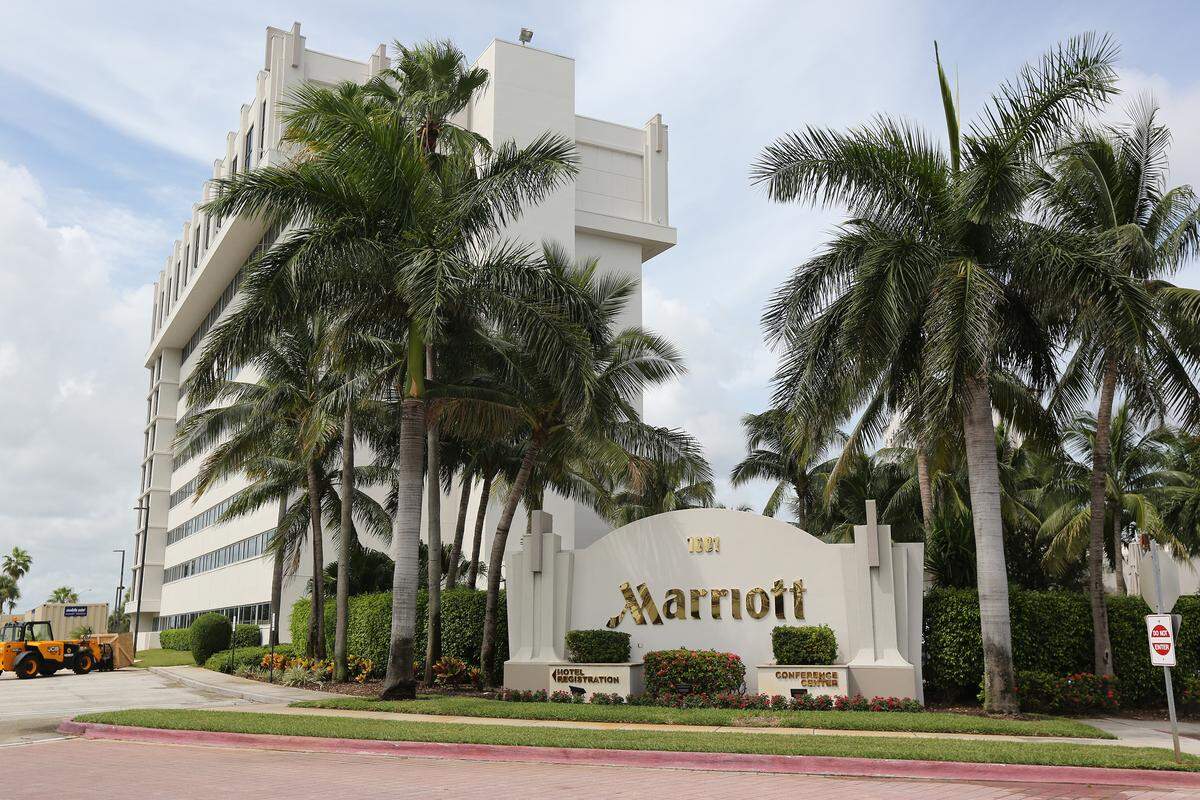
October: With the non-prosecution agreement still being debated, Acosta meets with Epstein lawyer Jay Lefkowitz at the West Palm Beach Marriott on Okeechobee Boulevard in West Palm Beach to discuss finalizing a deal. Among the terms agreed upon: that the victims would not be notified, that the deal would be kept under seal and all grand jury subpoenas would be canceled.
2008
June: On June 30, Epstein appears in a Palm Beach County courtroom. He pleads guilty to state charges: one count of solicitation of prostitution and one count of solicitation of prostitution with a minor under the age of 18. He is sentenced to 18 months in jail, followed by a year of community control or house arrest. He is adjudicated as a convicted sex offender who must register twice a year in Florida.
July: Epstein’s victims learn about his plea in state court after the fact.
October: Epstein begins work release from the county stockade. He is picked up by his private driver six days a week and transported to an office in West Palm Beach, where he accepts visitors for up to 12 hours a day. He returns to the stockade in the evenings to sleep.
2009
July: Epstein is released from the Palm Beach County stockade, five months early.
2010
April: Flight logs obtained as part of civil lawsuits against Epstein show an assortment of politicians, academics, celebrities, heads of state and world leaders flying on Epstein’s private jets in the early 2000s. Among them: former President Bill Clinton, former national security adviser Sandy Berger, former Colombian President Andrés Pastrana and lawyer Alan Dershowitz.
2011
March: Two of Epstein’s victims file a motion in federal court accusing the government of violating their rights by failing to notify them about the plea deal and keeping it sealed. Among other things, they want the plea deal invalidated in the hopes of sending Epstein to prison. They accuse federal prosecutors of deceiving them with “false notification letters.’’
September: U.S. District Judge Kenneth Marra rejects the U.S. Attorney’s Office argument that it was under no obligation to notify victims prior to striking a non-prosecution agreement with Epstein because there were no federal charges filed against him
2015
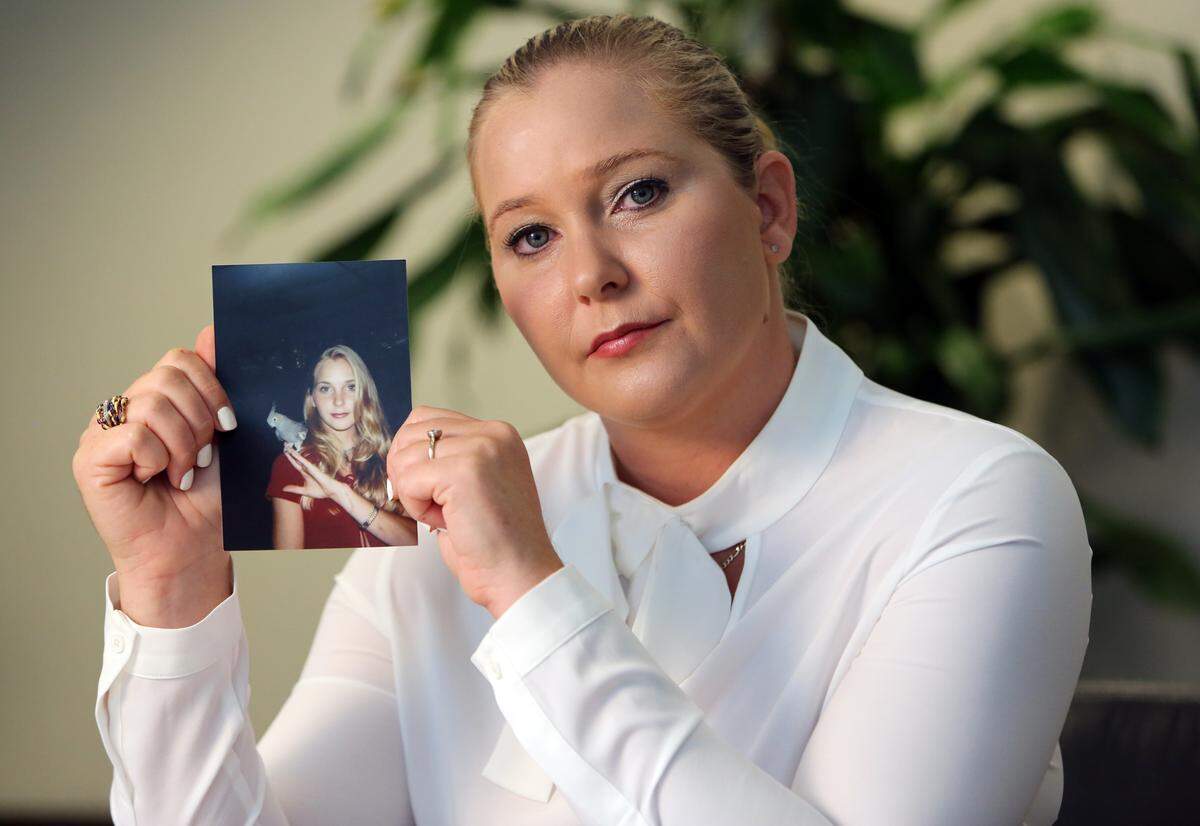
January: Virginia Giuffre files court papers in Florida claiming that she was forced by Epstein to have sex with Prince Andrew and lawyer Alan Dershowitz when she was underage. Dershowitz and the prince deny her claims, setting off a series of legal actions between Dershowitz and Giuffre’s attorneys that are later resolved in an out-of-court settlement.
September: Giuffre sues Ghislaine Maxwell in federal court in New York, claiming that Epstein’s alleged madam defamed her in public statements in the media. The lawsuit is widely viewed as a vessel for Epstein’s victims to expose the scope of Epstein’s crimes. Several civil lawsuits filed the same year allege that Epstein and Maxwell operated an international sex trafficking operation.
2017
February: President Trump nominates former Miami federal prosecutor Acosta as U.S. secretary of labor.
June: Giuffre settles her lawsuit with Maxwell for an undisclosed sum.
2018
November: The Miami Herald publishes Perversion of Justice, a series of stories that delve deeply into how Epstein avoided federal charges. Journalists Julie K. Brown and Emily Michot persuade some victims to speak for the first time.
2019
February: A U.S. District judge rules that the deal between Acosta and Epstein’s legal team violated the Crime Victims Rights Act because Epstein’s accusers were not made aware of the disposition of the case.
March: The Miami Herald sues in New York City to unseal documents in the settled libel suit filed by Virginia Giuffre against Ghislaine Maxwell.
July: Epstein is arrested by federal agents on sex trafficking charges upon his return on his private plane from Paris to New Jersey’s Teterboro Airport. Days later, facing unrelenting scrutiny, Alexander Acosta resigns as secretary of labor.
August: Epstein, maybe the most high-profile detainee in the federal system, is found dead in his Manhattan jail cell as he awaits trial. His death is ruled a suicide by hanging.
November: Two officers at the jail where Epstein was found dead are criminally charged with neglecting their duties.
2020
July: Ghislaine Maxwell, who has lived an opulent public life since breaking away from Epstein, even giving a Ted Talk on environmental issues, is arrested on sex trafficking at a sprawling estate in New Hampshire.
2021
August: A fund set up to use the assets in Epstein’s estate to compensate his sex trafficking victims closes up shop after paying out nearly $125 million in claims.
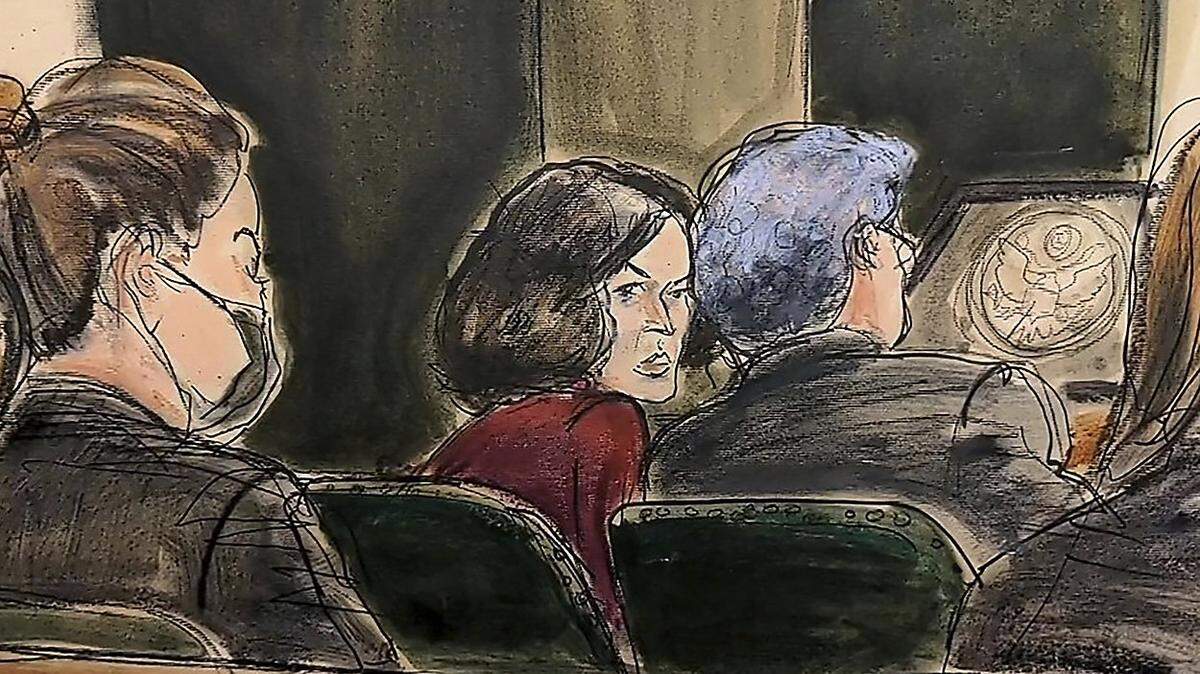
December: Maxwell is convicted by a federal jury in Manhattan on five of six counts related to sex trafficking. She faces decades in prison when sentenced. Simultaneously it is learned that the cases had been dropped against the prison staffers charged with neglecting their duties when Epstein died.
This story was originally published January 2, 2022 at 1:00 AM.