Smell that smoke from the Everglades fire? Climate change making it more common
READ MORE
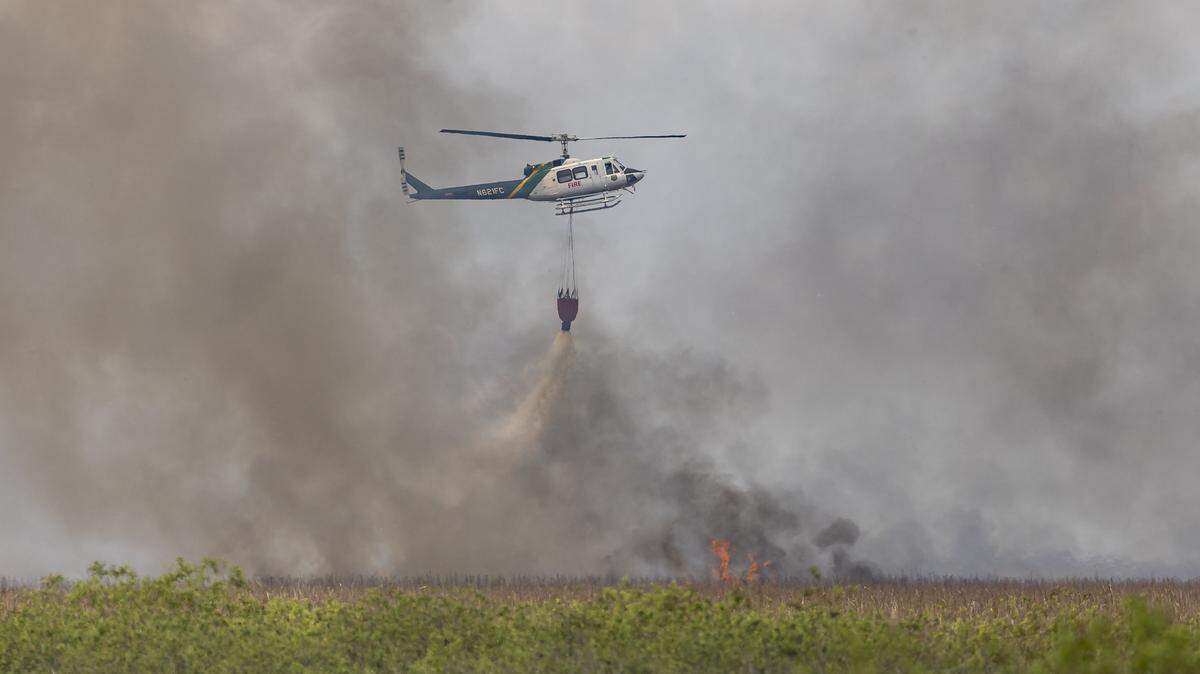
Everglades blaze rages over 45,000 acres, becoming 2025’s largest wildfire in Florida
On Aug. 20, two Broward County grass fires out in the Florida Everglades combined, continuing to grow into an over 42,000 acre blaze. The Florida Forest Service has battled the separate fires since they first began, on Aug. 18, and their combined eventual growth.
Expand All
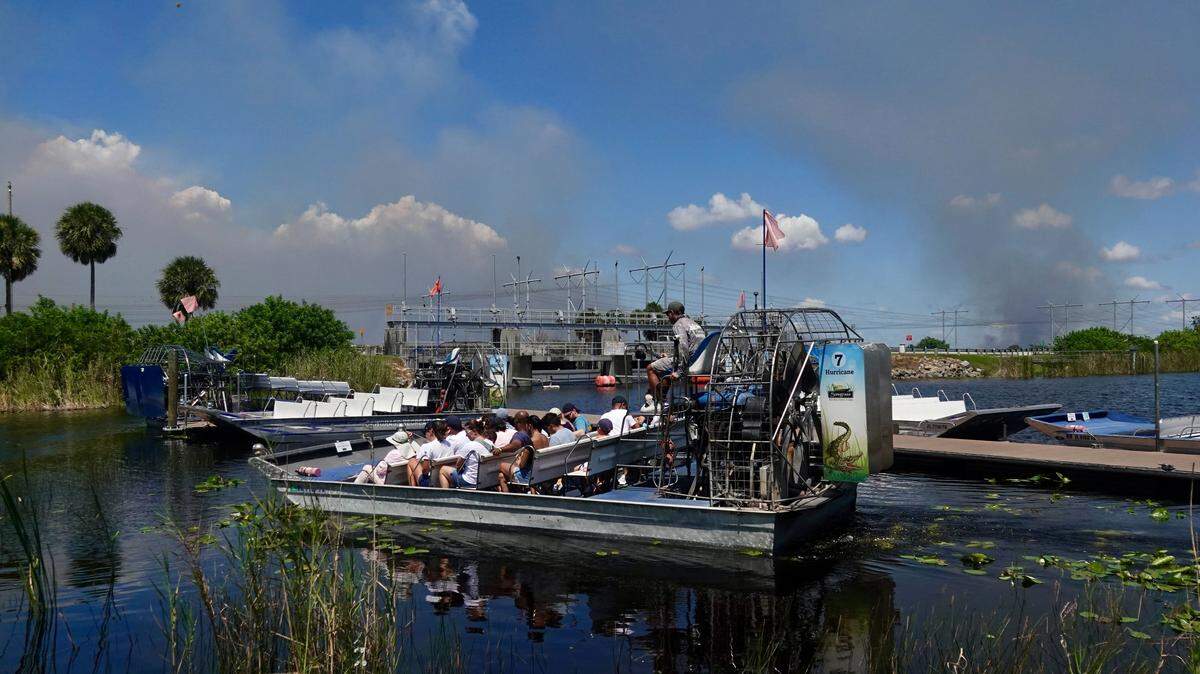
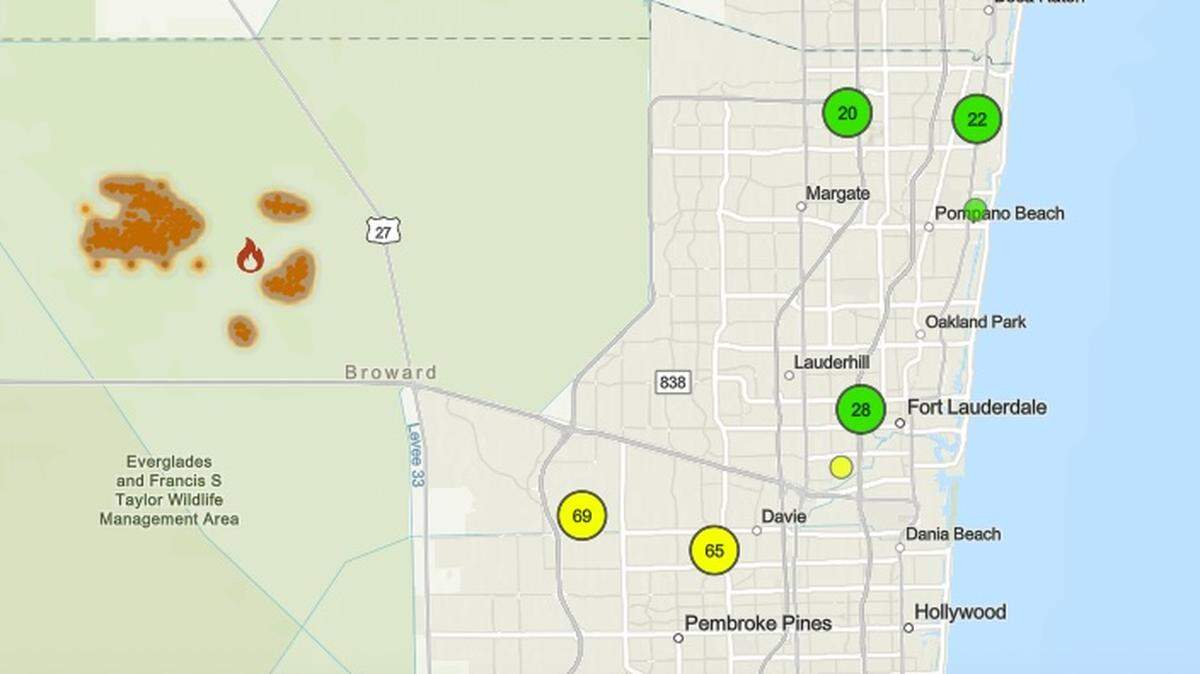
A wildfire burning through 1,800 acres of the Everglades is filling the air with smoke across South Florida. While scientists stress that no single fire can be directly pinned to climate change, a hotter, drier future will make wildfires in the marsh and across much of the state more likely — and potentially more destructive.
“It’s natural for the Everglades to dry down, but not dry out,” said Steve Davis, the Everglades Foundation’s chief science officer. “It’s not natural for them to burn large areas.”
Right now, the area burning just north of Alligator Alley, northwest of Weston, is drier than it’s been at this time of year since 2007, which was one of the worst drought years on record. Climate change is expected to make droughts more extreme, raising wildfire risks.
“Memory in this system is so important,” Davis said. “If we have a dryer-than-average dry season, then we really need that wet season to kick in on schedule.”
Regular burns are actually essential to the Everglades, clearing grasses to help water flow through the marshes, killing exotic plants and fertilizing new growth with ash. Over thousands of years, fire has shaped the very landscape but drainage canals and surrounding farming and development have made the system more vulnerable to patterns of drought and deluge.
The Everglades have historically gone through varying cycles of drought and this past dry season was drier than average, though not especially harsh. But the wet season also showed up late, said Steve Davis, the Everglades Foundation’s chief science officer, which leaves the sprawling system vulnerable to wildfires.
When South Florida’s summer storms do show up, they often bring a lot of lightning, which can easily spark fires in the marshes. Sawgrass, in particular, burns well. And when the soils are already dry, that can turn a brush fire into something much bigger, he said.
“That exacerbates the fire to the point where we can see muck fires, where even the soil itself starts to burn,” Davis said.
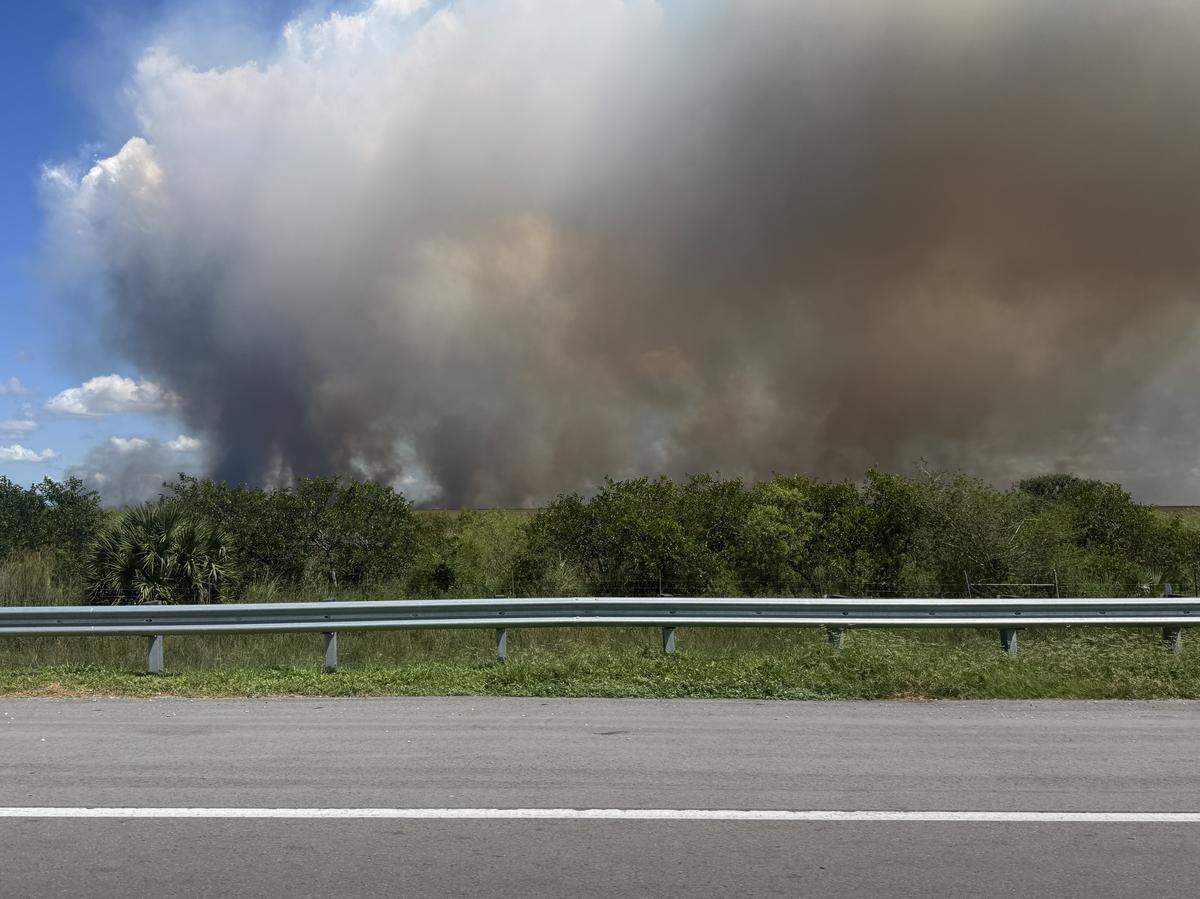
Right now, the area burning just north of Alligator Alley, northwest of Weston, is drier than it’s been at this time of year since 2007, which was one of the worst drought years on record.
“Memory in this system is so important,” Davis said. “If we have a dryer-than-average dry season, then we really need that wet season to kick in on schedule.”
But this year it hasn’t. Rain has come up short over the past couple of months, and August hasn’t brought the usual relief.
Wildfires have become more common in the Southeast than they were just a few decades ago, according to Victoria Donovan, an assistant professor of forest management at the University of Florida.
“When we have warmer, drier conditions, we are more likely to see a fire that’s able to ignite and spread and burn at a higher rate,” Donovan told the Herald in March.
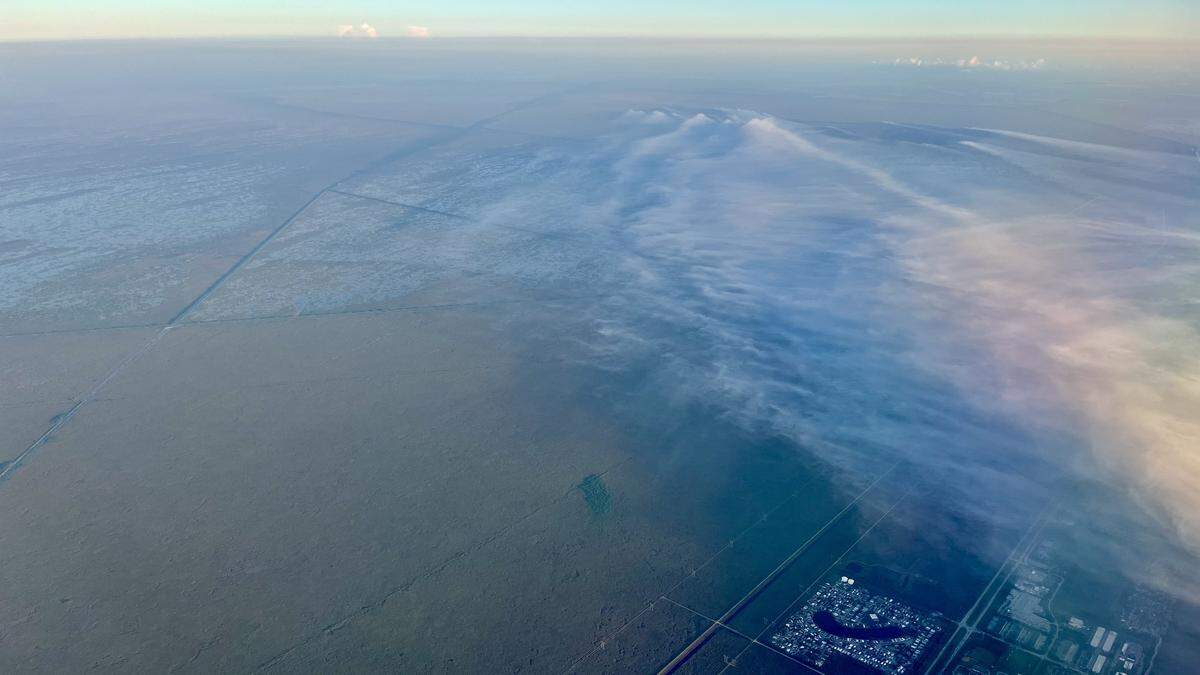
Though the smoke from Everglades fires is an annoyance and a health threat to some people with severe respiratory problems, Florida residents aren’t nearly as vulnerable to damaging wildfires as many western states life California, which has been swept by deadly wildfire over the last years. But a 2022 study from the First Street Foundation marked South Florida as a wildfire risk zone. Right now, about 6% of homes in Florida are considered vulnerable to wildfire. By 2052, that number could double to nearly 12%.
And beyond the smoke and air pollution, Davis said, there’s another reason to care.
“It’s our water supply. We don’t want to see the system burning all the time, although we know fire is natural, keeping it hydrated benefits the ecology,” Davis said.
Miami Herald climate and environment reporter Alex Harris contributed to this story.
Ashley Miznazi is a climate change reporter for the Miami Herald funded by the Lynn and Louis Wolfson II Family Foundation and MSC Cruises in partnership with Journalism Funding Partners.
This story was originally published August 20, 2025 at 2:15 PM.