A headache for humans, stubborn fire is actually good for Everglades wetlands
READ MORE
Massive Miami-Dade brush fire raged for days; burned over 26,000 acres
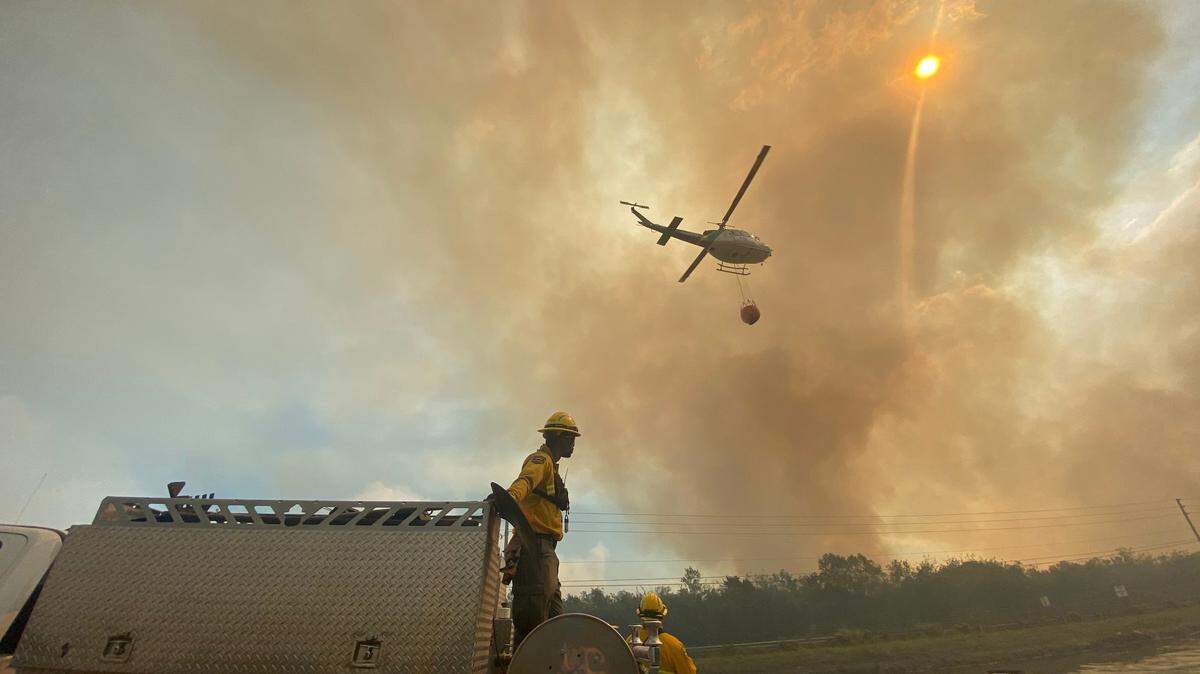
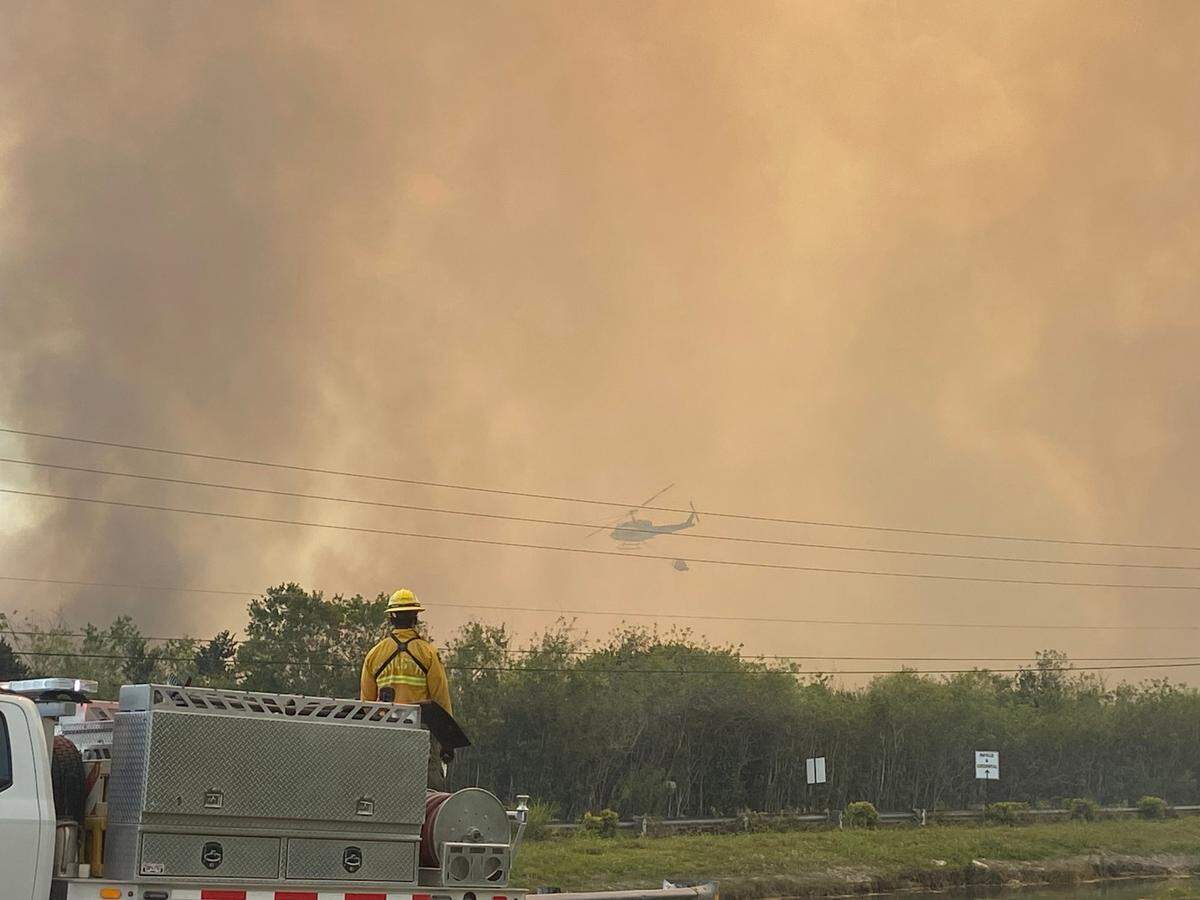
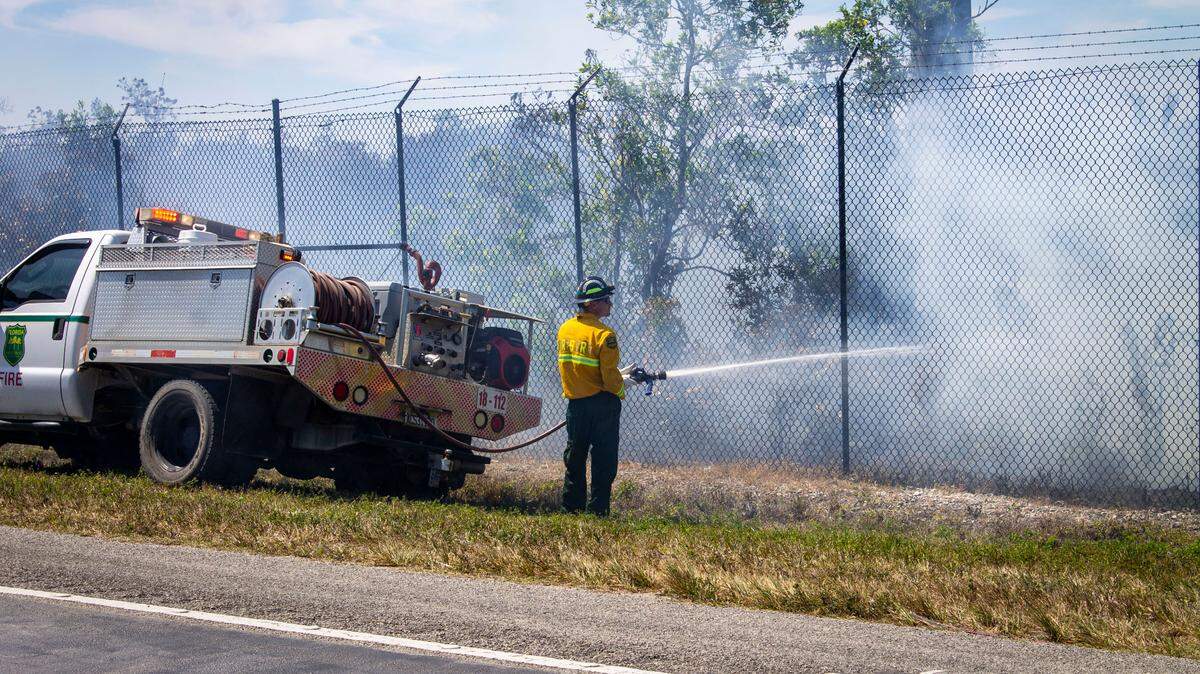
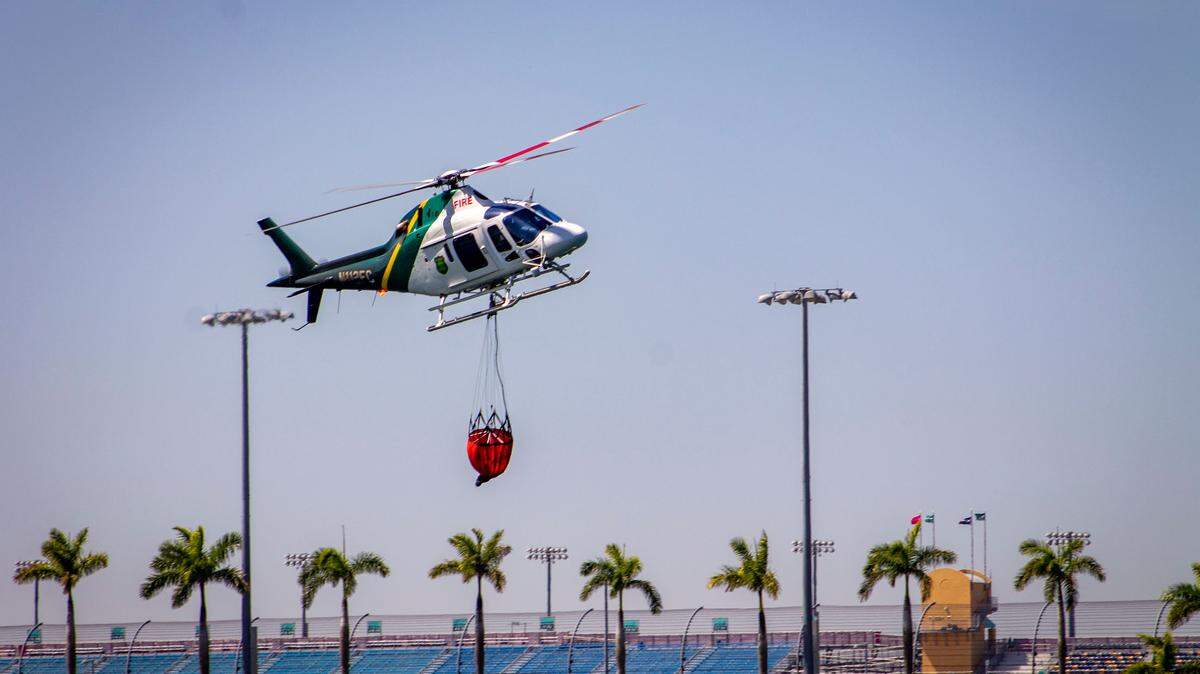
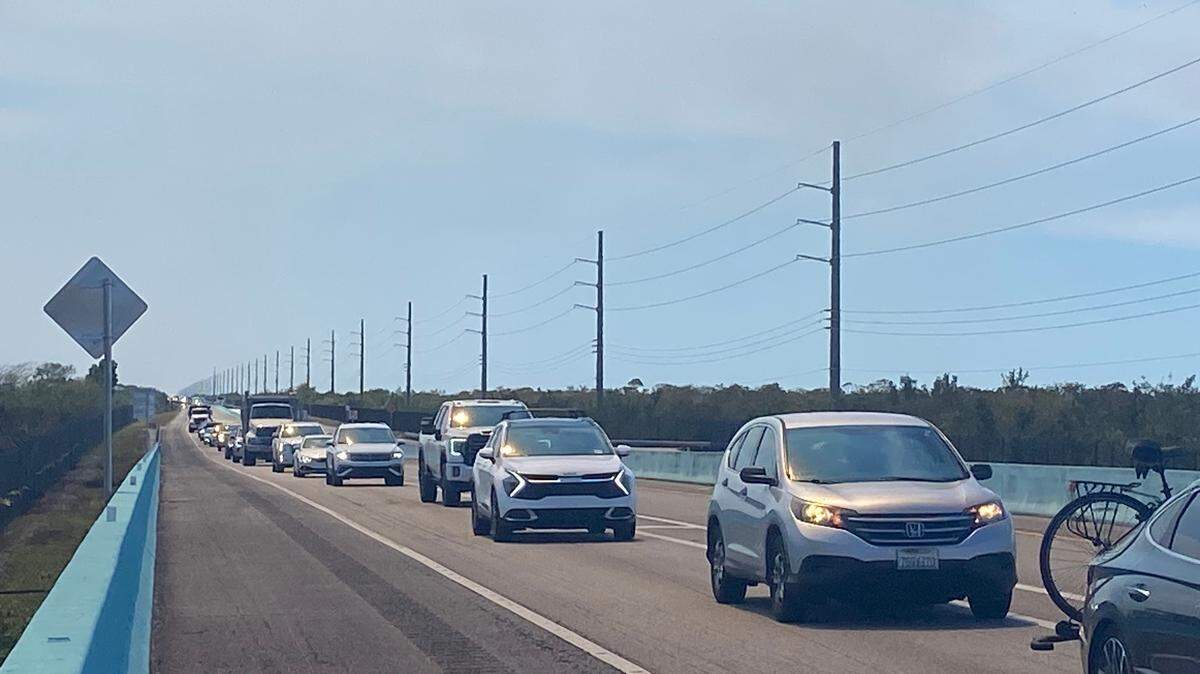
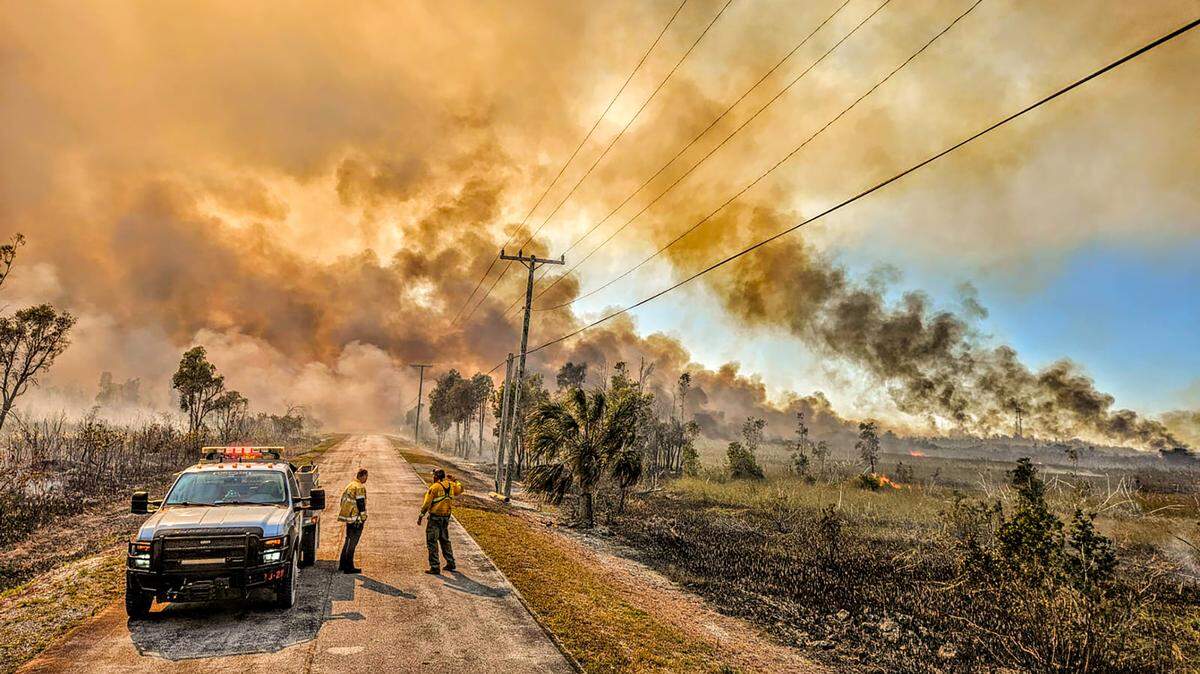
The Florida Forest Service, Miami-Dade Fire Rescue and Monroe County Fire Rescue spent more than a week in mid-March battling a 26,000-acre brush fire that caused full road closures of the Florida Keys and polluted air with smoke.
Expand All
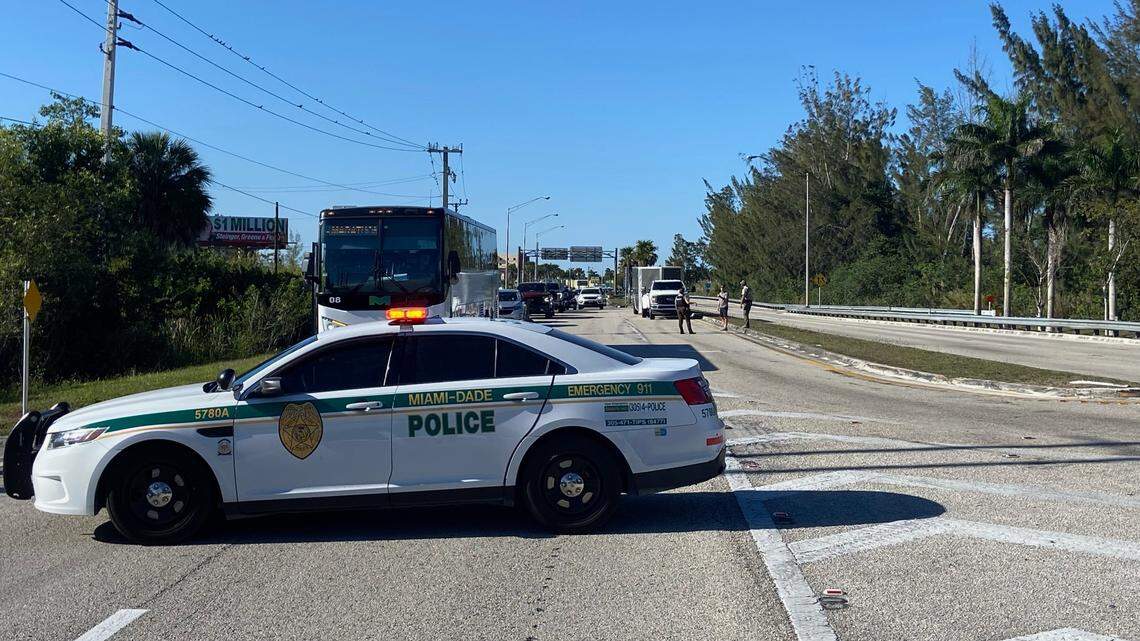
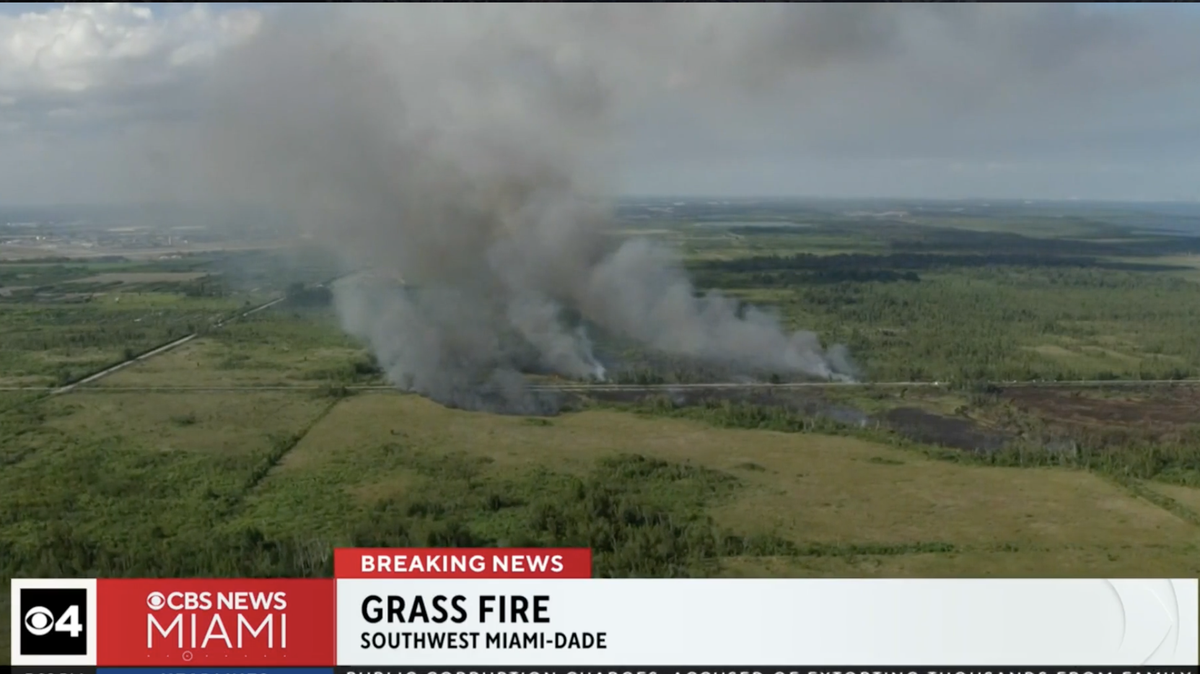
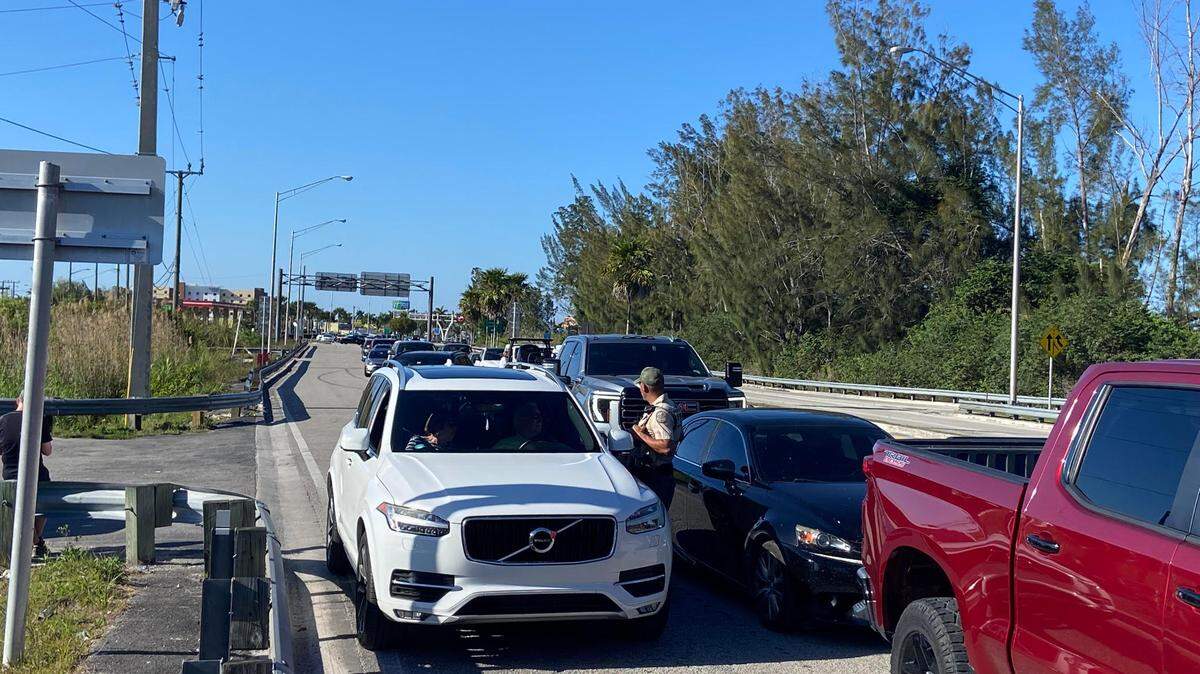
An unusually large wildfire rampaged through southeast Miami-Dade this week. It downed powerlines and trees, blocked roads in and out of the Florida Keys for days and sent noxious smoke drifting into adjacent neighborhoods.
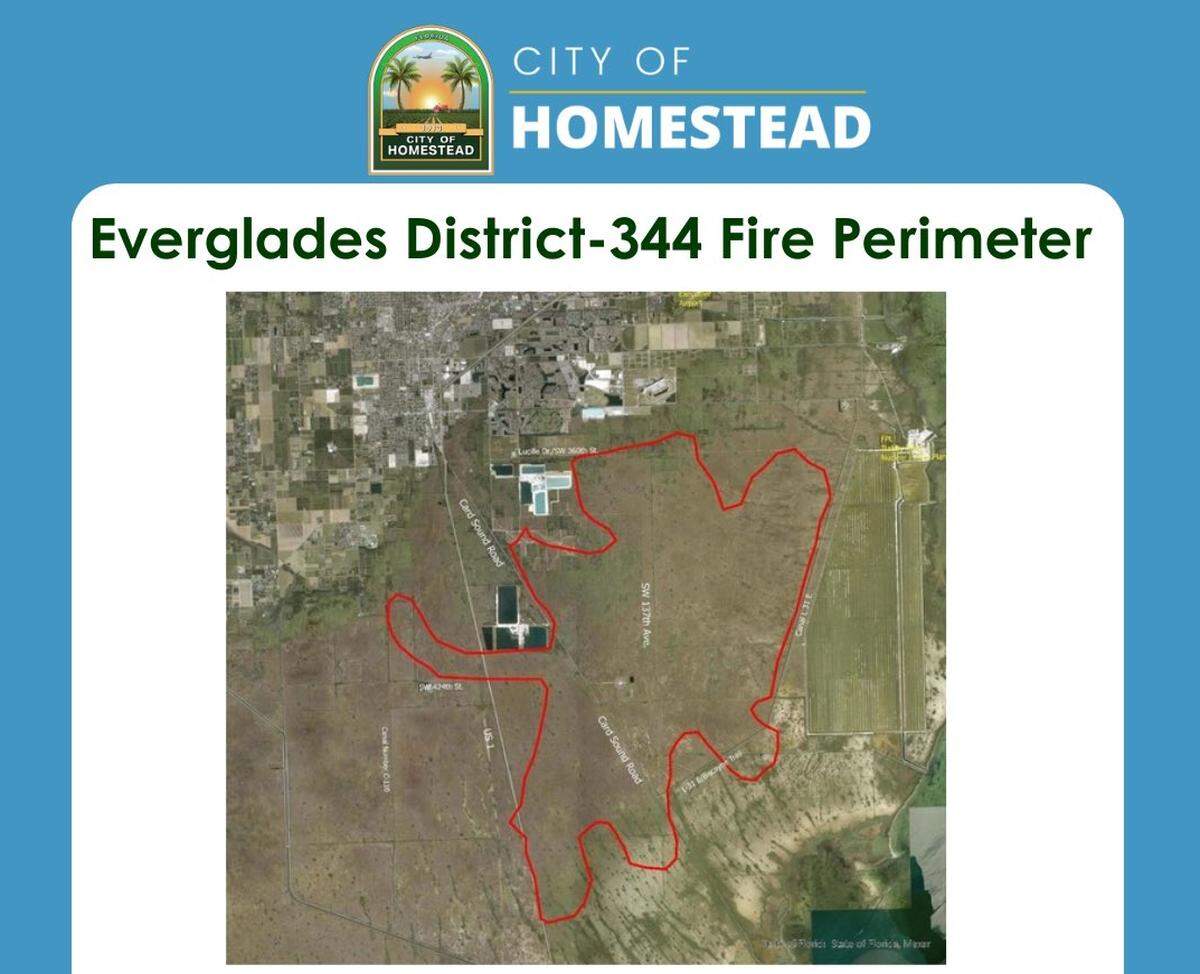
By Friday afternoon, the 344 fire, as it was dubbed by Florida’s Forest Service, had ravaged more than 26,000 acres but state and local firefighters had managed to contain it to unoccupied wetlands.
While blazes like this one can be a major headache for people, fire is also a critical part of South Florida’s ecosystem — particularly the Everglades. At Everglades National Park, the first national park in the nation to have a fire management plan, firefighters regularly set controlled fires to help clear out dry brush, leaving charred material that renews the soil for fresh growth.
“Here, the landscape is really amenable to fire. These systems really rely on it,” said John Kominoski, a professor in the Department of Biological Sciences at Florida International University.
Emerging research has found that historically, high and dry parts of the Everglades — like pine rocklands — are in fact designed to burn around every four years. In deeper areas, they need to burn every five to fifteen years, Kominoski said.
Without fire, the Everglades would be even more overrun with invasive species. It would be too thick in some spots for animals like wading birds to nest and hunt for food. Some seeds won’t even sprout unless they’re burned in a fire.
That’s why forestry managers for public lands, like Everglades National Park, do so many controlled burns throughout the park. It keeps the system healthy and also avoids a buildup of brush that could spark a bigger, hotter fire — like the 344 fire.
Compared to a controlled burn, “wildfires can be hotter, they often can burn deeper. When you’re not able to control where the fire is going, the fire can take on a life of its own,” Kominoski said.
A growing concern
The threat of a bad fire had been building for weeks, even before this one torched off. By the leading drought metric, Miami-Dade was about as dry as it can get this month. The only drier county in Florida is Broward, where officials have been warning of the potential for wildfires for days.
“It’s extremely dry this time of year, but Florida also had harsher winter conditions that are making this year even drier — hard frosts, freezes and even snow,” said Ludie Bond, spokesperson for the Florida Forest Service.
It’s unclear what sparked this particular blaze, but Bond noted that about 80% of all wildfires are started by people. While smoke from the 344 fire has been a big problem and periodically closed roads to the Keys, firefighters say the blaze has not posed a threat to any surrounding communities
Bond said the rainy season is still about eight weeks away, so the chances of more fires could remain high until then.
For now, the fire appears to be running through shallow wetlands. A map of the blaze released by the Forest Service shows it may have burned through both of Florida Power & Light’s wetland mitigation banks, where developers can buy space to offset mangroves and wetlands they remove through new development elsewhere in the state.
A spokesperson for FPL said the fire is not affecting operations at the Turkey Point power plant also on the edge of the fire. The South Florida Water Management District, which also owns tracts of land in the area, said it will have more information on the toll of the first next week.
“The District is monitoring the situation closely,” said district spokesperson Randy Smith.
Climate change’s role
Hurricanes are a far more destructive force in Florida than wildfires, which destroy many more properties in western states than in the Sunshine State. However, as climate change cranks up the world’s thermostat, fires could become more common in Florida.
A 2022 study from the First Street Foundation showed South Florida as a dark red patch on a national map of increasing wildfire risk. Research suggests that around 6% of Florida homes are vulnerable to wildfire risk, and that could jump to about 12% by 2052. The eastern edge of the Everglades is the top spot in the state for increased risk of wildfire, the study found.
READ MORE: Climate change is heating up Florida. That could bring more wildfires, new report warns
“When we have warmer, drier conditions we are more likely to see a fire that’s able to ignite and spread and burn at a higher rate,” said Victoria Donovan, an assistant professor of forest management at the University of Florida.
Donovan’s research found that large wildfires — like this one — are becoming more common in the Southeast compared to a few decades ago. Although her study did not specifically include the Everglades, she said she found “significant” increases in Florida, as well as a shift toward more fires in the spring and early summer, as opposed to the fall, when wildfires were historically more common.
But unlike places in the west, Florida is “a leader” in the controlled burns that help keep those massive fires in check, she said.
“Our ecosystems are adapted to burn. When we remove fire, that causes this big fuel accumulation, and when they go ignite, those fires can be a lot bigger and more difficult to control,” she said.
However, because Floridians often consider wildfires a problem for other parts of the country, they may be less prepared to evacuate if a blaze catches near their home.
“Particularly as we start to see predictions to shift to climate conditions that are more conducive to fire, there are things we should be prepared for the same way that we prepare for a hurricane or flood,” she said.
This story was originally published March 21, 2025 at 5:56 PM.

.jpeg)
.jpeg)