FIU is turning 50, a long way from its former airfield days. 10 things to know about it
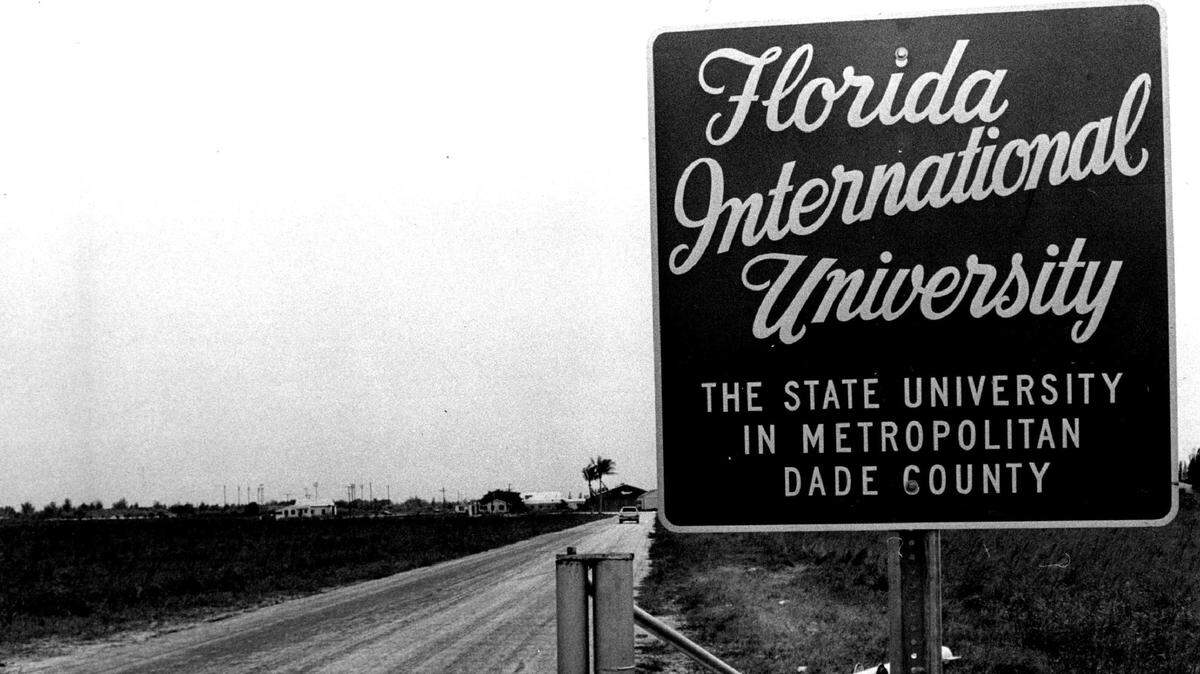
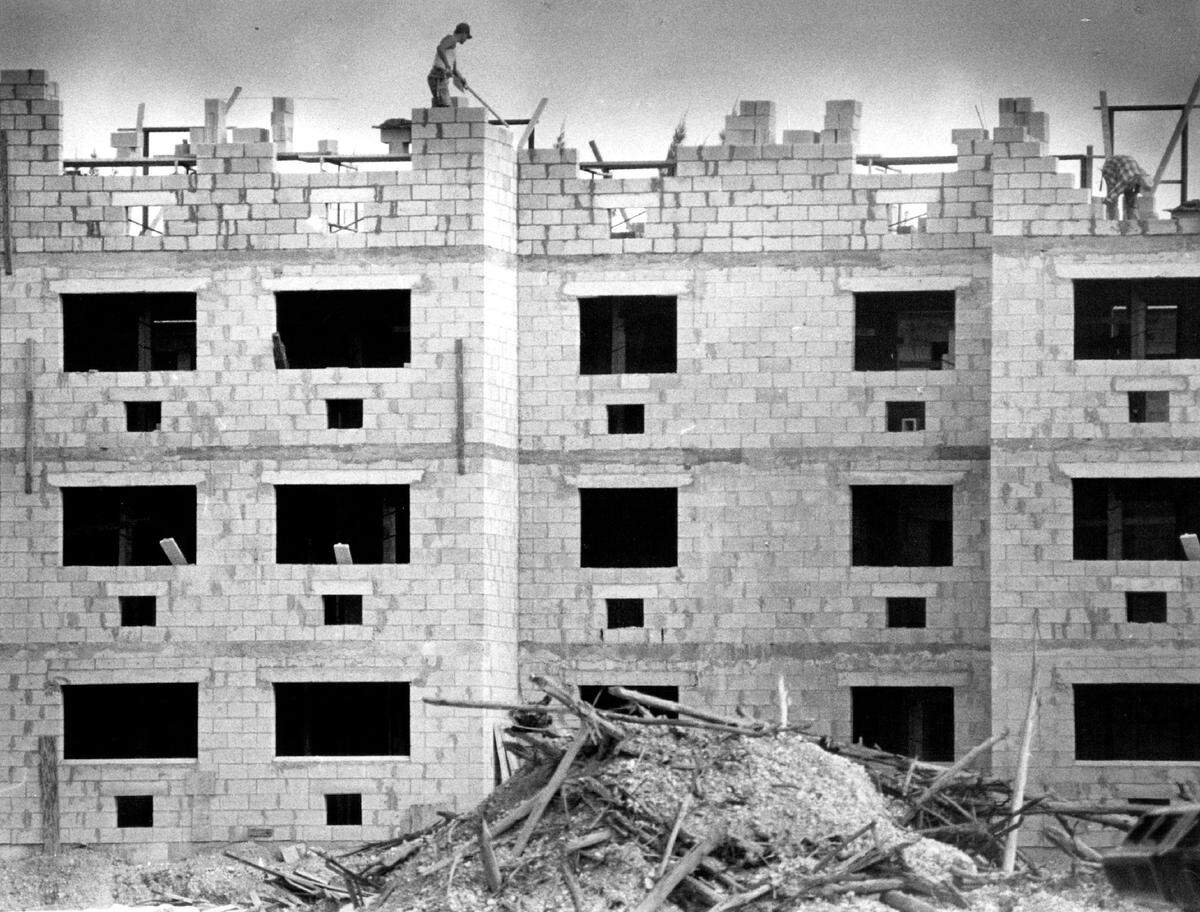
At 10:57 a.m. on Sept. 14, 1972, Florida International University’s first president, Charles Perry, stood in front of Primera Casa, the first building on the main campus, and declared the university officially inaugurated.
“This is a proud and joyful moment in the life of this institution of higher education, but our work to date is only the beginning,” Perry announced to a crowd of hundreds, according to a book titled “A History of Florida International University” by Thomas D. Riley. Classes would start a few days later.
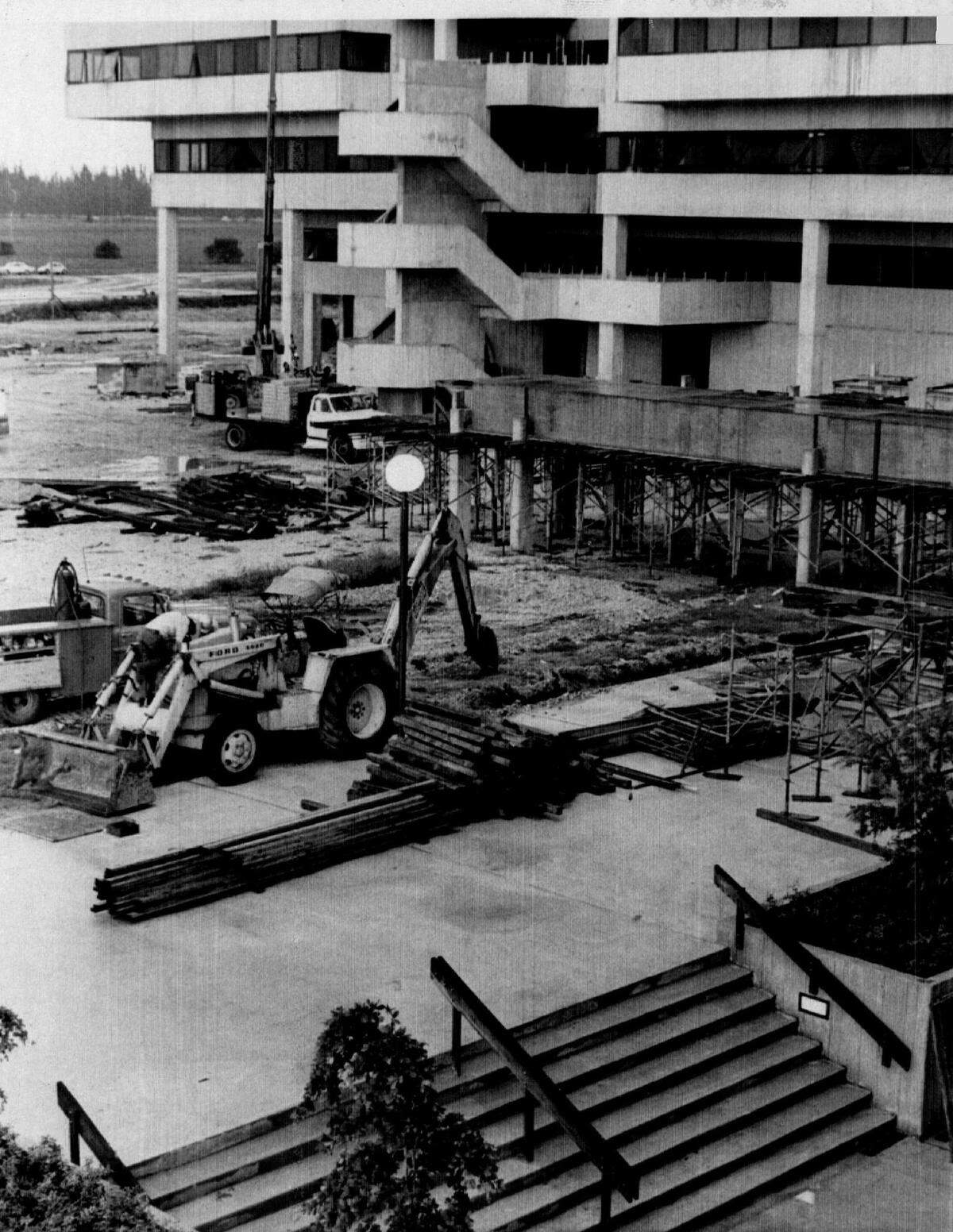
According to Herald archives, Perry later added: “FIU was born today to serve all of the tomorrows that follow.”
READ MORE: From abandoned airport to a major university, FIU remembers its first-generation mission
Five decades later, at 10:57 a.m. Wednesday, Sept. 14, 2022, as FIU commemorates its 50th anniversary, Perry’s words sound like gospel.
“When you look at universities, 50 years is very young. And when you see all that we’ve accomplished in our first 50 years, you can only imagine the great things that we’re going to see happening over the next 50 years,” said FIU Interim President Kenneth Jessell.
10 things about FIU’s 50-year history
1. The Florida Legislature passed a law in 1965 instructing the Florida Board of Education and the Board of Regents to begin planning for a state university in Miami for juniors, seniors and graduate students only. The first day of classes was Sept. 19, 1972. FIU became a four-year university in 1981.
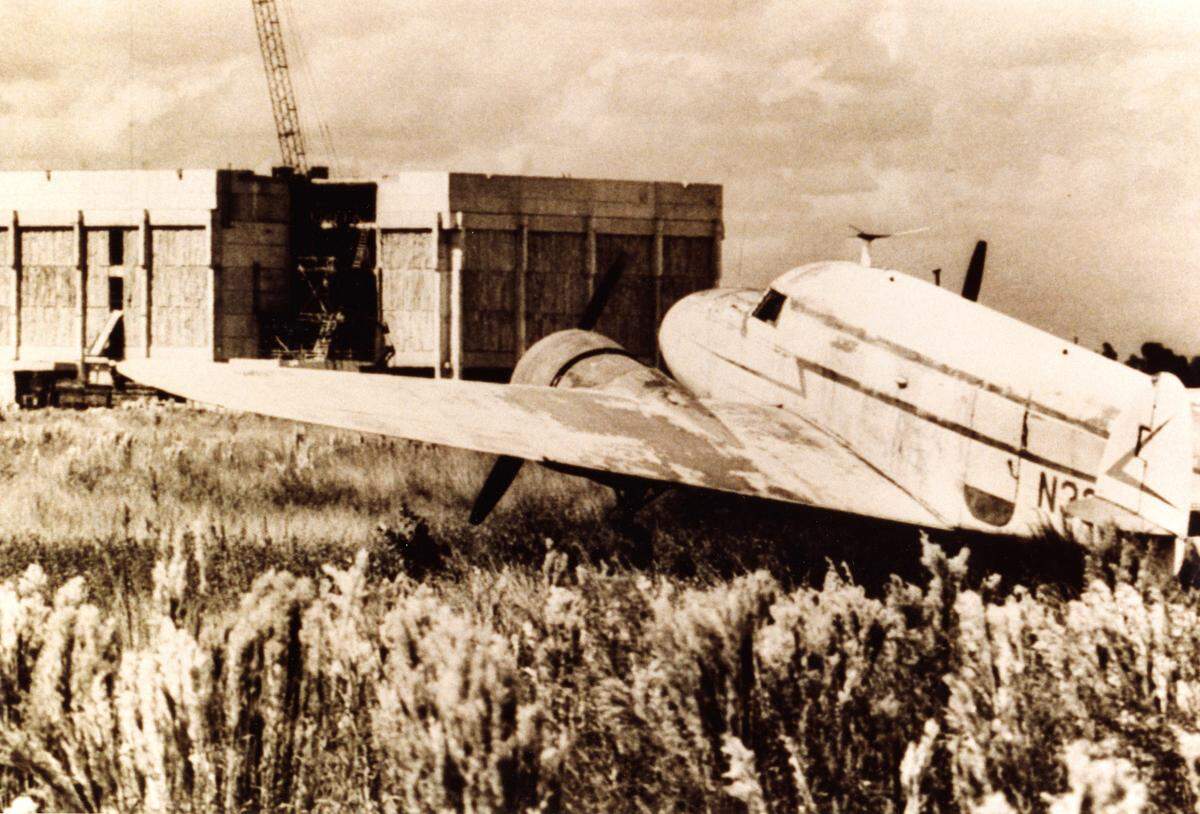
2. FIU opened in an abandoned airfield, the old Tamiami Airport, in the far west corner of Dade County. Today, FIU has two campuses — its main Modesto A. Maidique Campus off Southwest Eighth Street between 107th and 117th avenues and its Biscayne Bay Campus in North Miami, as well as academic centers in South Beach, Brickell, Coconut Grove, the Florida Keys, Broward County, and a program in Tianjin, China. It also runs the Jewish Museum of Florida, The Wolfsonian and the Patricia & Phillip Frost Art Museum.
READ MORE: ‘The world has lost an icon’: Beloved FIU professor, dean dies. There from early days
3. Perry outlined the university’s three basic goals in 1972: education of students, service to the community and greater international understanding. FIU’s 2020 strategic plan reads: “We see ourselves as a 21st century urban public research university that is a solutions center for our community and reflects the dynamism and diversity of our immigrant community.”
4. FIU launched with 5,667 students — the largest first-year enrollment in the history of American higher education — hailing mainly from South Florida. Today, FIU has about 56,600 students from more than 142 countries. It’s now the second-largest public university in Florida and the fourth-largest public university in the country. Still, FIU considers about 45,900 of its total students “local,” that is, students from Miami-Dade, Broward and Palm Beach counties.
READ MORE: FIU’s medical school just got a new dean — and he’s got big plans for students, patients
5. The first undergraduate student was Richard Nicosia. The first graduate student was 76-year-old Leon J. Ell. Since then, nearly 300,000 students have graduated from FIU. Some notable alumni include: actor and director Andy Garcia, who landed roles in “The Godfather Part III” and “Ocean’s Eleven”; Richard Blanco, whom President Obama selected as the fifth Inaugural poet in U.S. history; Alfredo Salas, president and CEO of Koning Restaurants International, which owns the largest number of U.S. Pizza Hut franchises; Manuel Diaz, the mayor of Miami from 2001-2009; and Eugene Marquis “T.Y.” Hilton, an NFL wide receiver whom the Indianapolis Colts picked in the third round of the 2012 NFL Draft.
7. In just the past two years, FIU shot up from No. 95 to No. 72 among public universities, according to the U.S. News & World Report 2023 Best Colleges rankings. The lower the number — No. 1 is tops — the better.
8. FIU started without any campus life — no dorms, no sports teams, no sororities or frats, no clubs. It largely remains a commuter school as only about 9 percent of its students live on campus, but now offers housing to about 4,400. Students can join dozens of organizations, including 29 Greek ones.
9. To read a detailed timeline of FIU’s history, click here.
10. This is the front page of the Miami Herald from Sept. 15, 1972:
How will FIU celebrate its big 50?
On Wednesday, some campus buildings and Miami-Dade County landmarks will light up in blue and gold, FIU’s colors, to pay tribute to the university:
▪ Freedom Tower at 600 Biscayne Blvd.
▪ Miami-Dade County Courthouse at 73 West Flagler St.
▪ Biltmore Hotel at 1200 Anastasia Ave., Coral Gables
▪ Hialeah Entrance Plaza at 399 E. Okeechobee Road, Hialeah
▪ Miami Beach City Hall at 1700 Convention Ctr Dr., Miami Beach
▪ Miami Beach Police Department at 1100 Washington Ave., Miami Beach
▪ City of Doral Government Center at 8401 NW 53 Ter., Doral
On Monday, Sept. 19, the university will celebrate the 50th anniversary of the first day of classes with a toast at 2 p.m. on the steps of Primera Casa, where it all began.
An earlier version of this story incorrectly stated that Primera Casa was converted from an old control tower. The control tower is a separate structure on the campus.
This story was originally published September 14, 2022 at 4:30 AM.