He left a little girl to die by gators in the Everglades. Jury to decide his fate
The fate of the man who left a 5-year-old girl to be mauled to death by alligators in the Everglades after trying to kill her mother is about to be in the hands of a Miami jury.
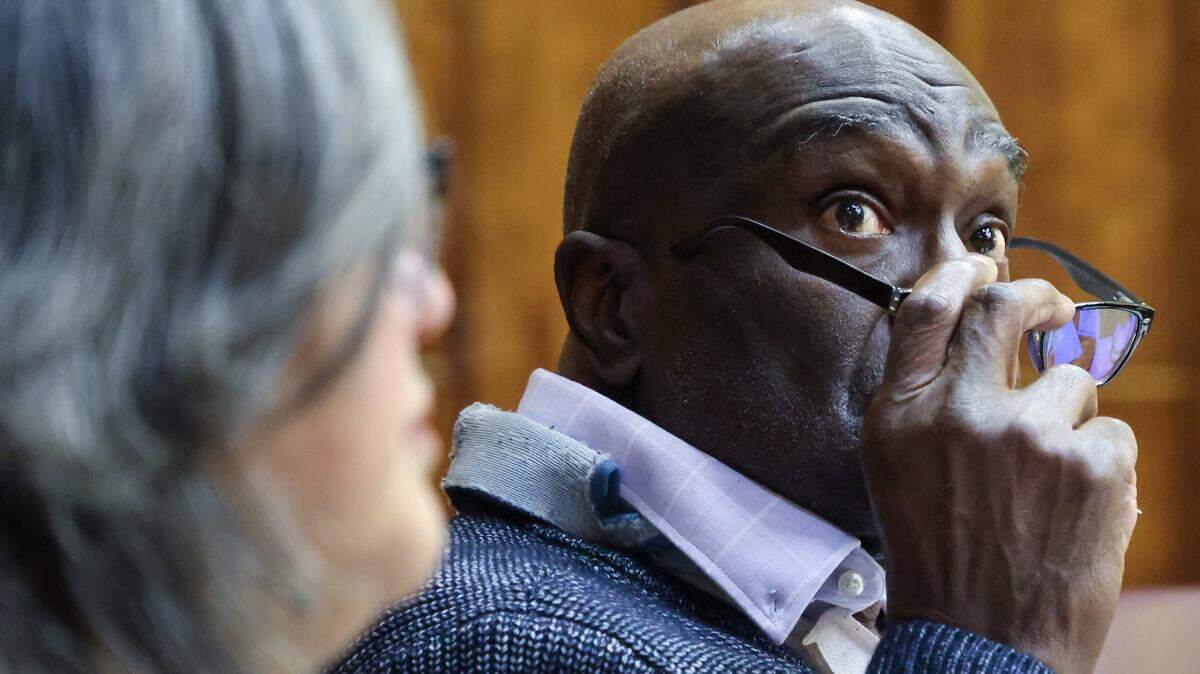
Jurors are faced with either sentencing Harrel Braddy, now 76, to life imprisonment or to die by lethal injection as Braddy’s resentencing trial wrapped up Thursday with closing arguments. On Friday, jury deliberations are set to begin.
Braddy was on Florida’s Death Row from 2007 to 2017, until he was granted a new sentencing trial due to constitutional issues surrounding the state’s death penalty.
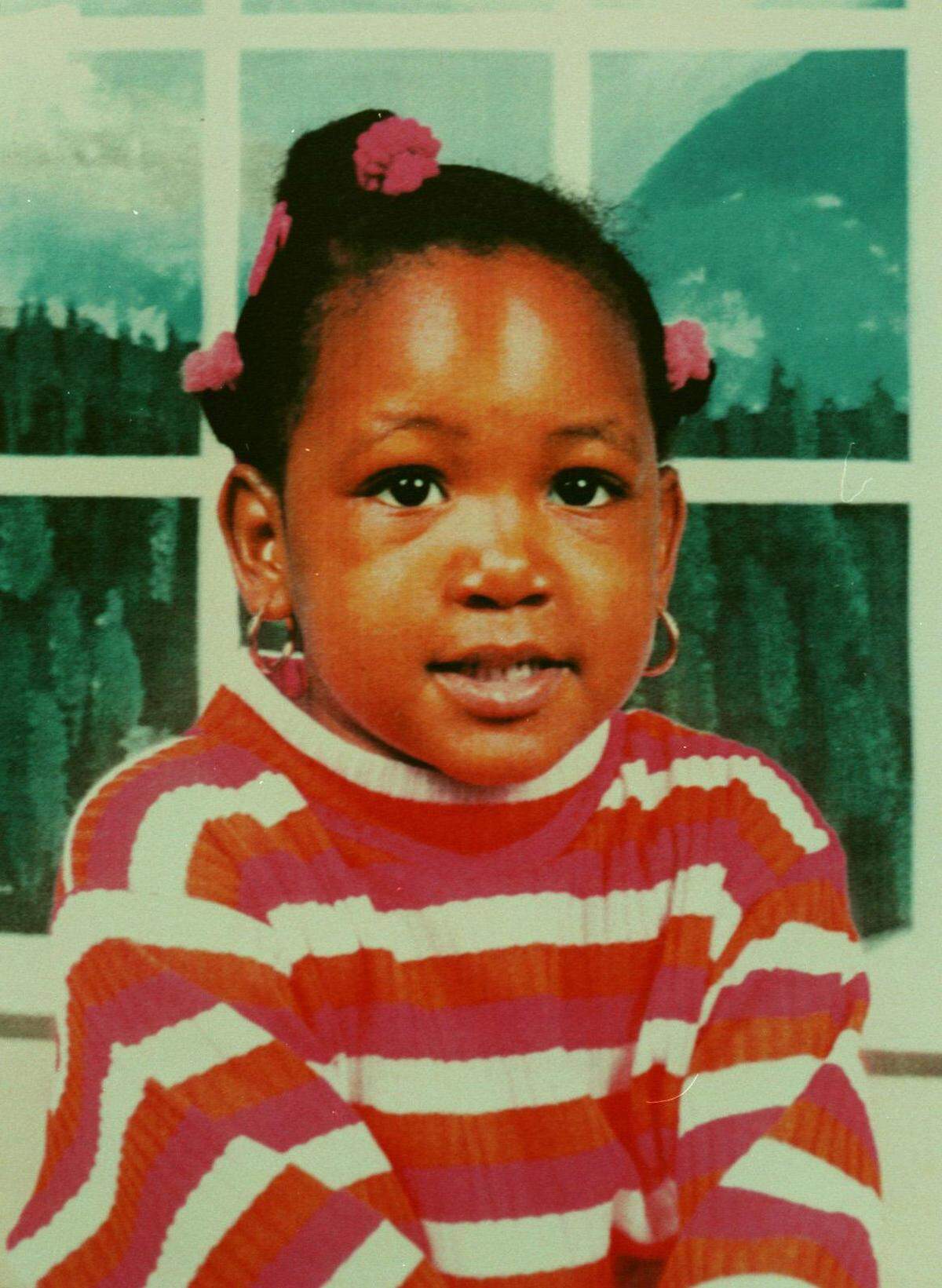
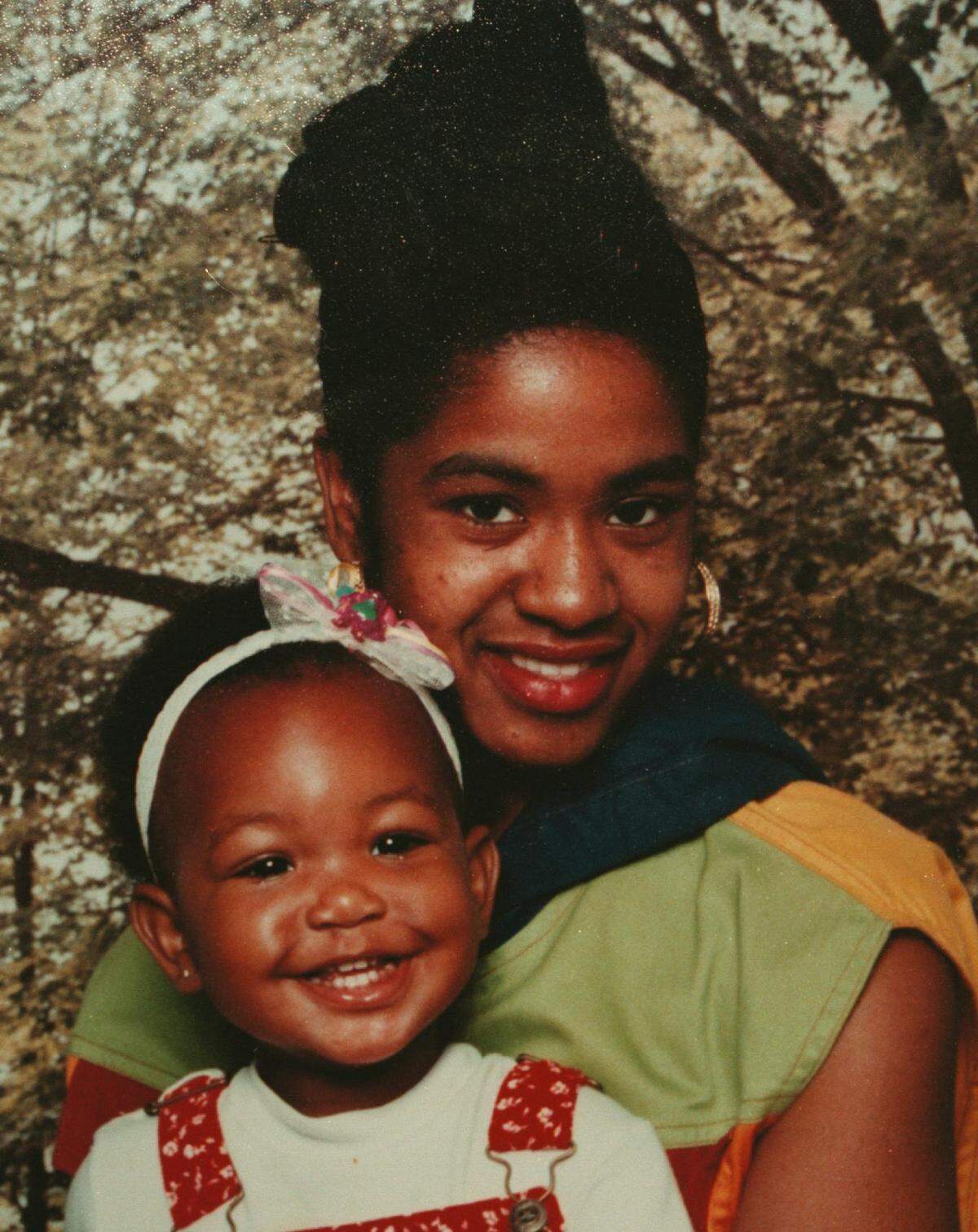
Braddy kidnapped Quatisha Maycock and her mother Shandelle Maycock — an acquaintance Braddy met in a church group — from their home on the night of Nov. 7, 1998. Braddy beat Maycock, choked her, put her in the trunk of his car and dumped her on a deserted stretch of U.S. 27 near the Broward-Palm Beach county line, prosecutor Abbe Rifkin said. Maycock survived — although he didn’t count on her living through the repeated attacks.
READ MORE: ‘My whole reason for living’: Mother of girl mauled by gators recounts her sorrow
Braddy’s motive, Rifkin said, was that he was spurned by Maycock, who had repeatedly rejected his advances. Fearing Quatisha could identify him, Braddy dumped the child — alive — on the side of Alligator Alley. Quatisha’s body was found in a canal days later by fishermen.
The convicted killer’s defense attorneys argued that Braddy was known by family, neighbors and fellow churchgoers as a generous family man and has been a “model prisoner” in his decades of incarceration. They also pointed to Braddy’s health issues, including throat cancer and brain and nerve damage, hoping to sway jurors to vote for life over death.
‘Torture, fear, dread’
For Rifkin, Maycock’s whole world — her daughter — has been in a grave for 27 years because of Braddy’s “selfish desire to get what he wanted and do what he wanted to do.”
“A child at the beginning of her life is dead because Harrel Braddy wanted her dead,” the prosecutor said. “This man... decided that it was her time to die.”
Facing the jury, Rifkin placed a list of Braddy’s statements to investigators on an easel, going through each one. Among them: Braddy said he didn’t leave Quatisha in her home alone before kidnapping them — or leave her with her mother, whom he left nearly dead along a desolate roadway — because that “would be child abuse,” Rifkin said.
Braddy leaned back and rocked in his chair as Rifkin delivered her closing argument.
READ MORE: Mother of girl left to be killed by alligators testifies about horrors they saw
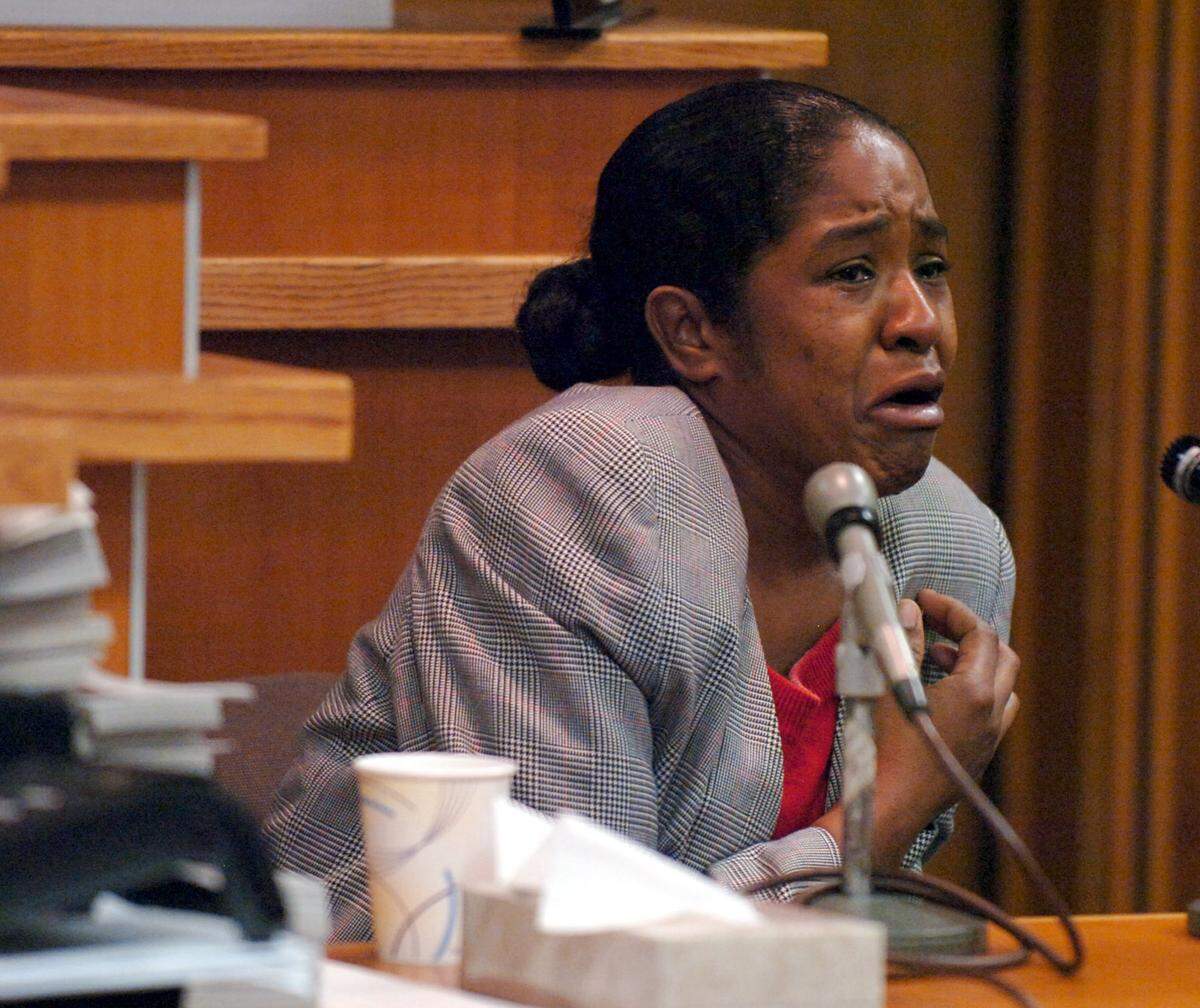
Rifkin also pointed to Maycock’s gut-wrenching testimony, during which she recounted her fear during Braddy’s rampage. Maycock, 49, broke down on the stand as she detailed the horrific events leading up to — and following — Quatisha’s murder.
Quatisha, Rifkin said, was conscious and aware of what was happening when she ended up in the alligator-infested canal. The prosecutor again showed jurors photos of Quatisha’s body. The girl, who was missing her left arm and had bite marks on her head and stomach, was still dressed in her Polly Pocket pajamas when she was found in the water.
READ MORE: Girl left for dead in Everglades was alive when gators attacked: medical examiner
“This is the fate he... chose for a child whose only crime was having witnessed what he had done,” Rifkin said. “Torture, fear, dread and a lifetime of pain for the loved ones she left behind.”
Rifkin urged the jury not to show Braddy mercy. Instead, she said, jurors should send him to the execution chamber because the killer, she said, didn’t demonstrate any decency when he left Quatisha, alone, to die that night in the dark swamp.
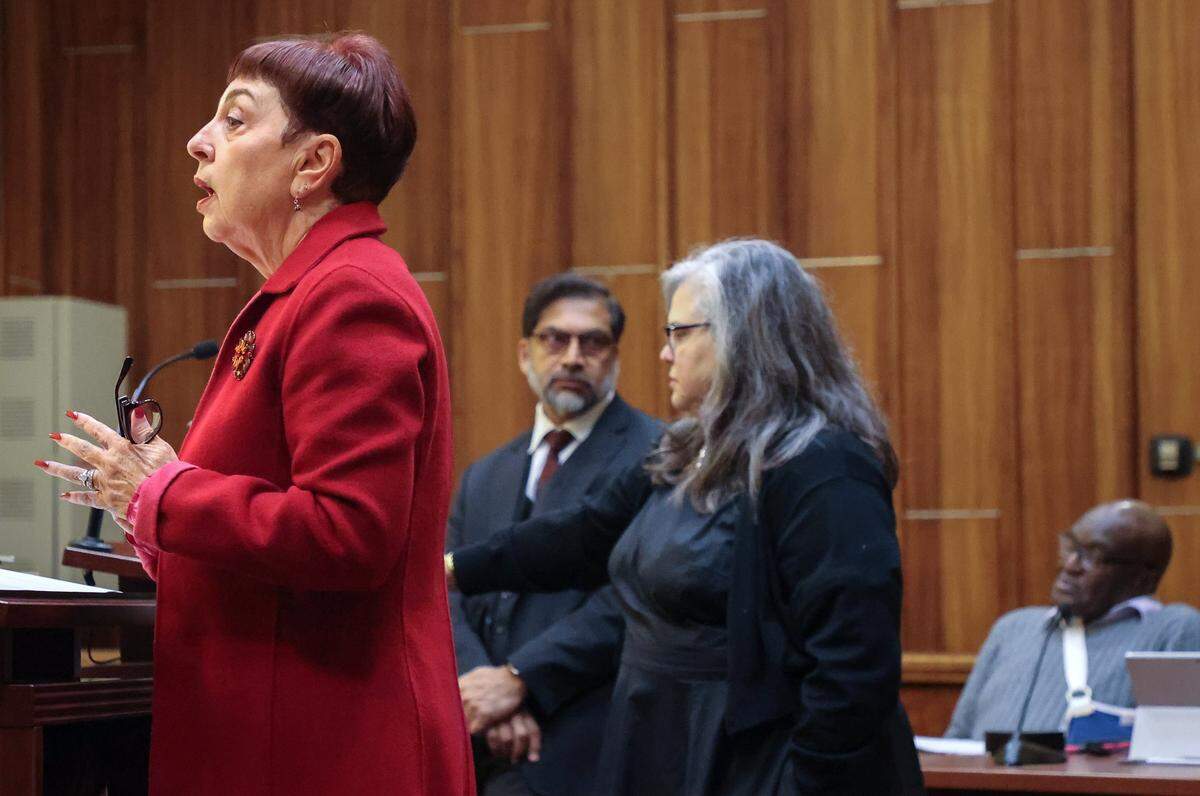
“Would it be just?” Rifkin asked jurors. “Would it be the right sentence for someone who has so brutally killed a child because [he thought] his freedom was worth more than her life?”
Should killer be extended mercy?
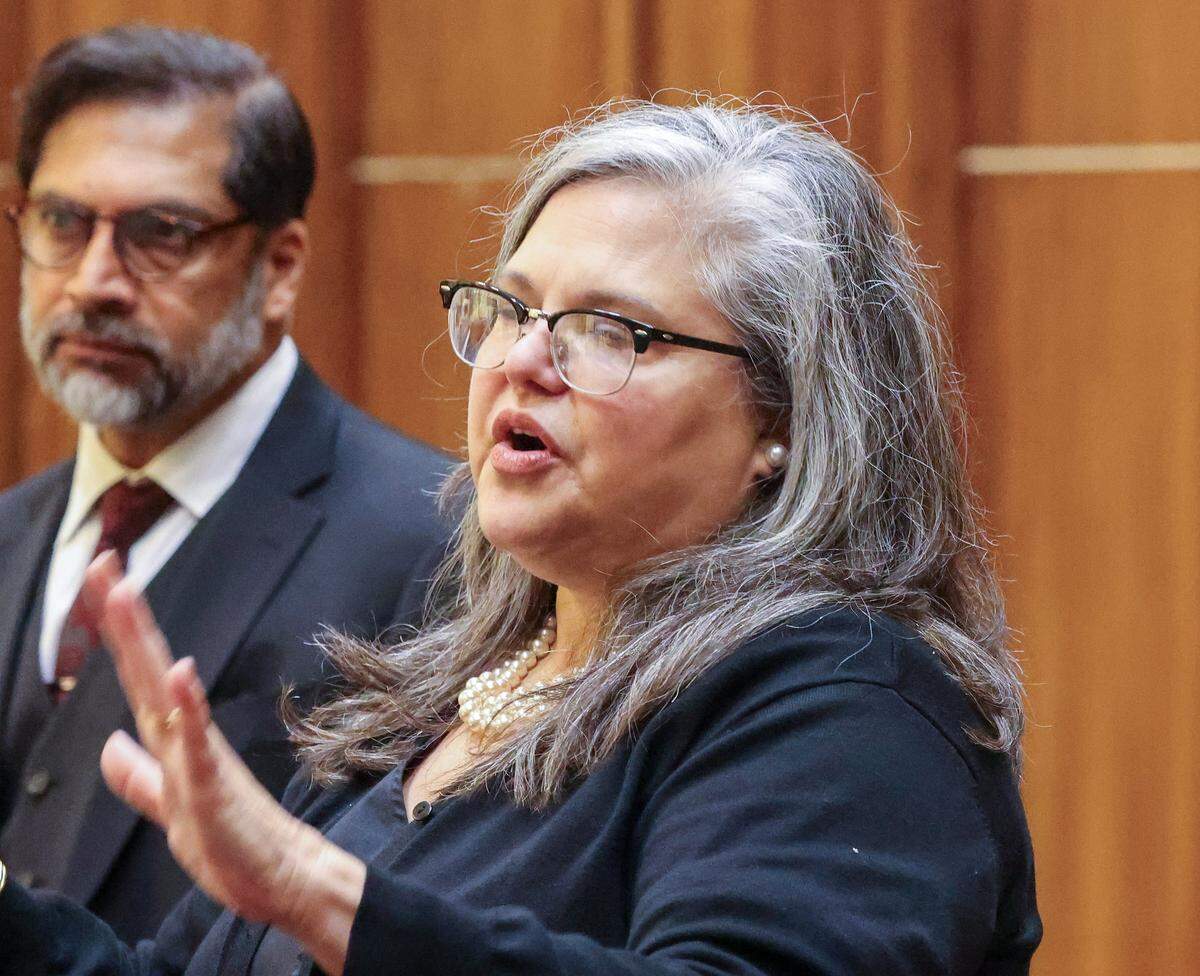
Turning to the jury box, defense attorney Khurrum Wahid pleaded with jurors to choose life, adding that Braddy will only leave prison in a casket.
“A life that still punishes Harrel Braddy for taking away the promise that was once Quatisha Maycock,” Wahid said. “A life behind bars, a life that will be very tough on a ...man with a failing body.”
READ MORE: ‘He will be punished’: Defense urges life for man who dumped girl in Everglades
Wahid urged jurors to look at the “full picture” of Braddy’s life — beyond Quatisha’s murder and a crime spree he embarked on in 1984. Braddy’s criminal history included convictions for robbery, kidnapping and attempting to kill a corrections officer by choking him.
In September 1984, Braddy escaped from custody three times, overpowering a Miami-Dade corrections officer and four Broward sheriff’s deputies, according to the Miami Herald archives.
“We are not always who we were in our worst moments,” Wahid said.
Braddy’s story, Wahid said, begins in Miami in the mid-1950s, when the city was segregated. Braddy was one of six children born to his parents, who have since died but were married for more than 70 years. The Braddys lived in a small, two-bedroom house, where the six children shared one bedroom.
In segregated South Florida, Braddy and his family were not allowed to go to the beaches in Miami Beach, Wahid said. That’s how Braddy and his siblings grew to love the Everglades, where the family would fish, hunt and have picnics.
Braddy’s execution, the defense said, would devastate his family and loved ones. Braddy has been married to Cyteria Braddy, with whom he had five children, since the 1970s. The couple remains married, despite Braddy’s decades of incarceration.
Wahid also discussed Quatisha’s slaying, saying it was not carefully planned enough to meet the heightened standard of premeditation in a death penalty case. The evidence shows, the attorney said, that Braddy choked Maycock in a fit of rage — and, after, abandoned Quatisha in the Everglades.
Wahid also highlighted how Quatisha was likely unconscious before she was eaten by alligators due to a head injury she sustained.