Mother of girl left to be killed by alligators testifies about horrors they saw
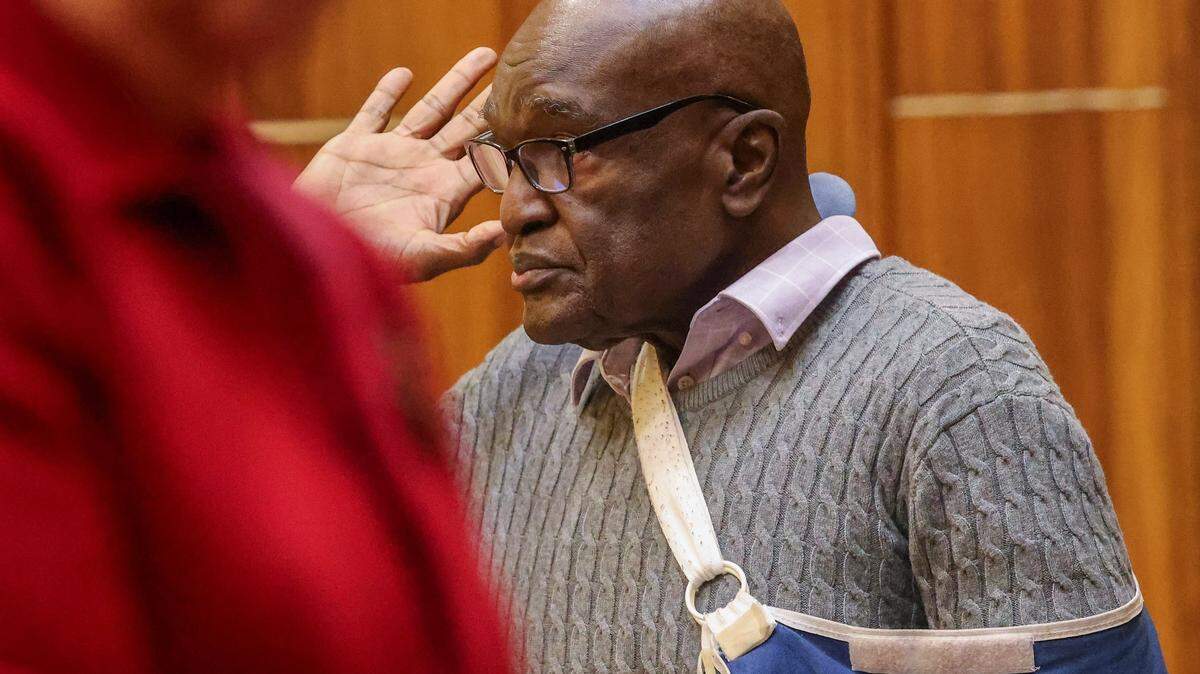
The mother of a 5-year-old girl who was thrown into the Everglades and left to be eaten by alligators recounted the horror that she and her daughter suffered as prosecutors on Tuesday urged jurors to send the girl’s killer back to Florida’s Death Row.
Quatisha Maycock, affectionately nicknamed “Candy,” was excited about starting kindergarten, prosecutor Abbe Rifkin said, showing jurors a photo of a smiling Quatisha. But, about a month after starting school, Quatisha was taken to the one place where Harrel Braddy knew she would vanish — a desolate part of Alligator Alley.
Braddy left her there, in the dark of night, to die, Rifkin said.
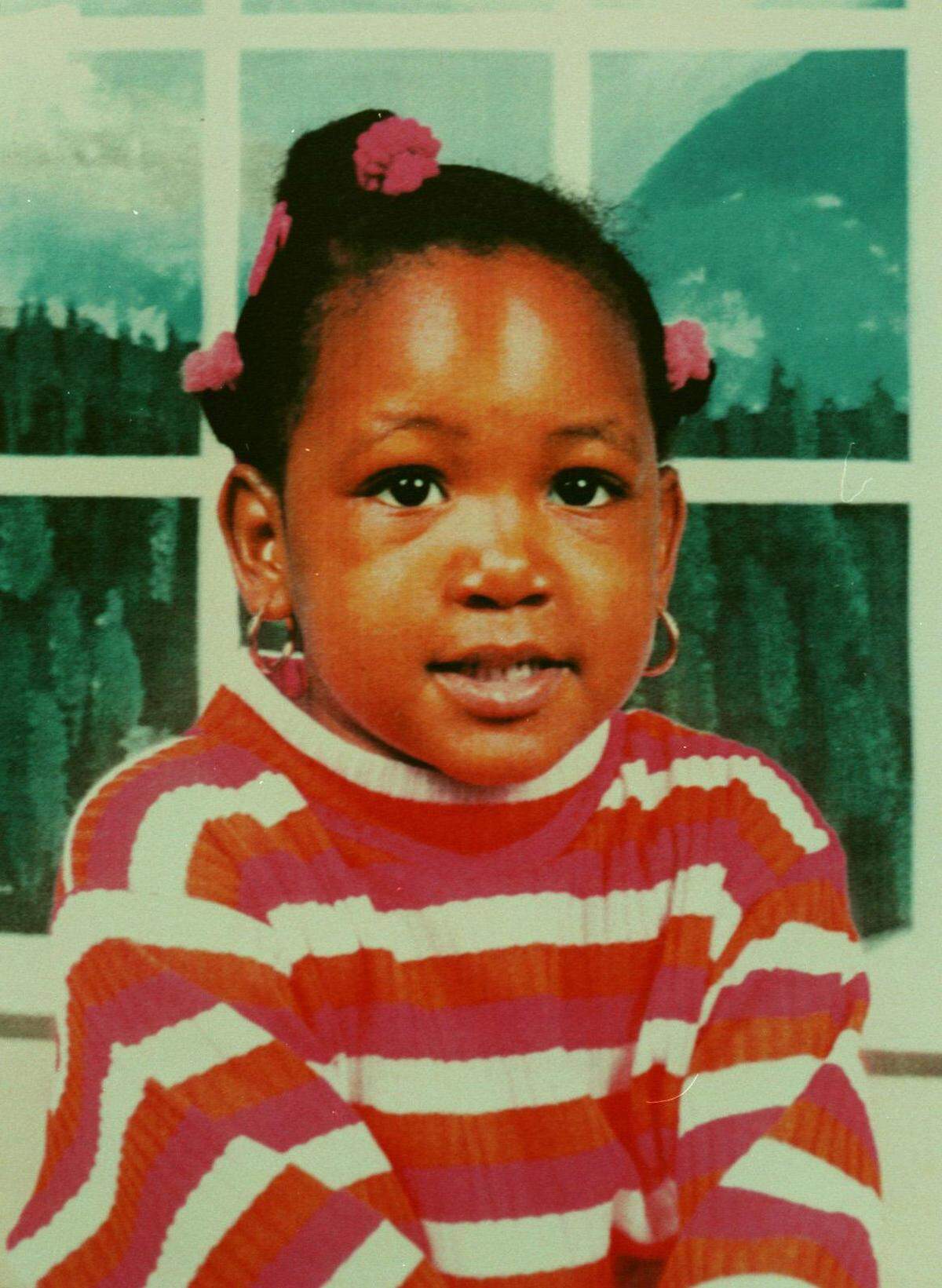
The photo that jurors saw moments after was in stark contrast to Quatisha’s cheerful portrait. The girl, still dressed in her Polly Pocket pajamas, was missing her left arm. She had bite marks from being mauled by alligators on her head and stomach.
“She was smart. She was loving. She was sweet like candy,” Rifkin told jurors.
Braddy, now 76, kidnapped Quatisha and her mother, Shandelle Maycock — an acquaintance Braddy met in a church group — on the night of Nov. 7, 1998. Braddy beat Maycock, choked her, put her in the trunk of his car and left her in a deserted stretch of U.S. 27 near the Broward-Palm Beach county line, Rifkin said. Maycock survived — although he didn’t count on her living through the repeated attacks.
Braddy’s motive, Rifkin said, was that he was spurned by Maycock, who had repeatedly rejected his advances. Fearing Quatisha could identify him, Braddy dumped the child — alive — on the side of Alligator Alley. Quatisha’s body was found in a canal days later by fishermen.
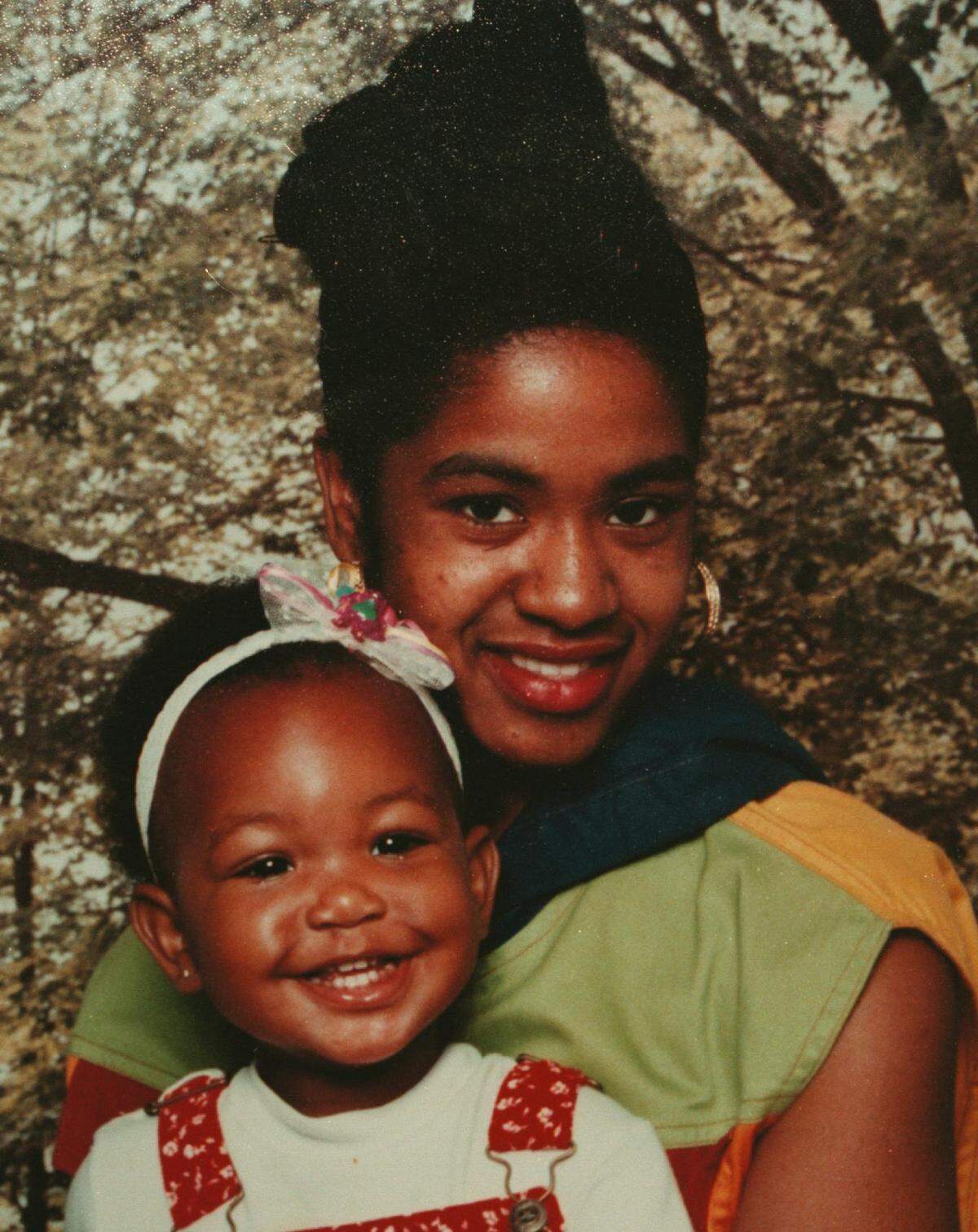
“Quatisha is dead because Harrel Braddy killed her,” Rifkin said. “Shandelle Maycock is alive by the grace of God.”
READ MORE: Man left a girl to be mauled by gators in the Everglades. He faces Death Row return
The Miami jury began to hear details of the brutal killing at Braddy’s resentencing trial before Miami-Dade Circuit Court Judge Marisa Tinkler Mendez — almost three decades after the crime. Braddy was on Death Row from 2007 to 2017, until he was granted a new sentencing due to constitutional issues surrounding the state’s death penalty.
Braddy intently stared at Rifkin during opening arguments. The convicted killer’s defense attorneys opted to postpone their opening argument until they begin presenting evidence.
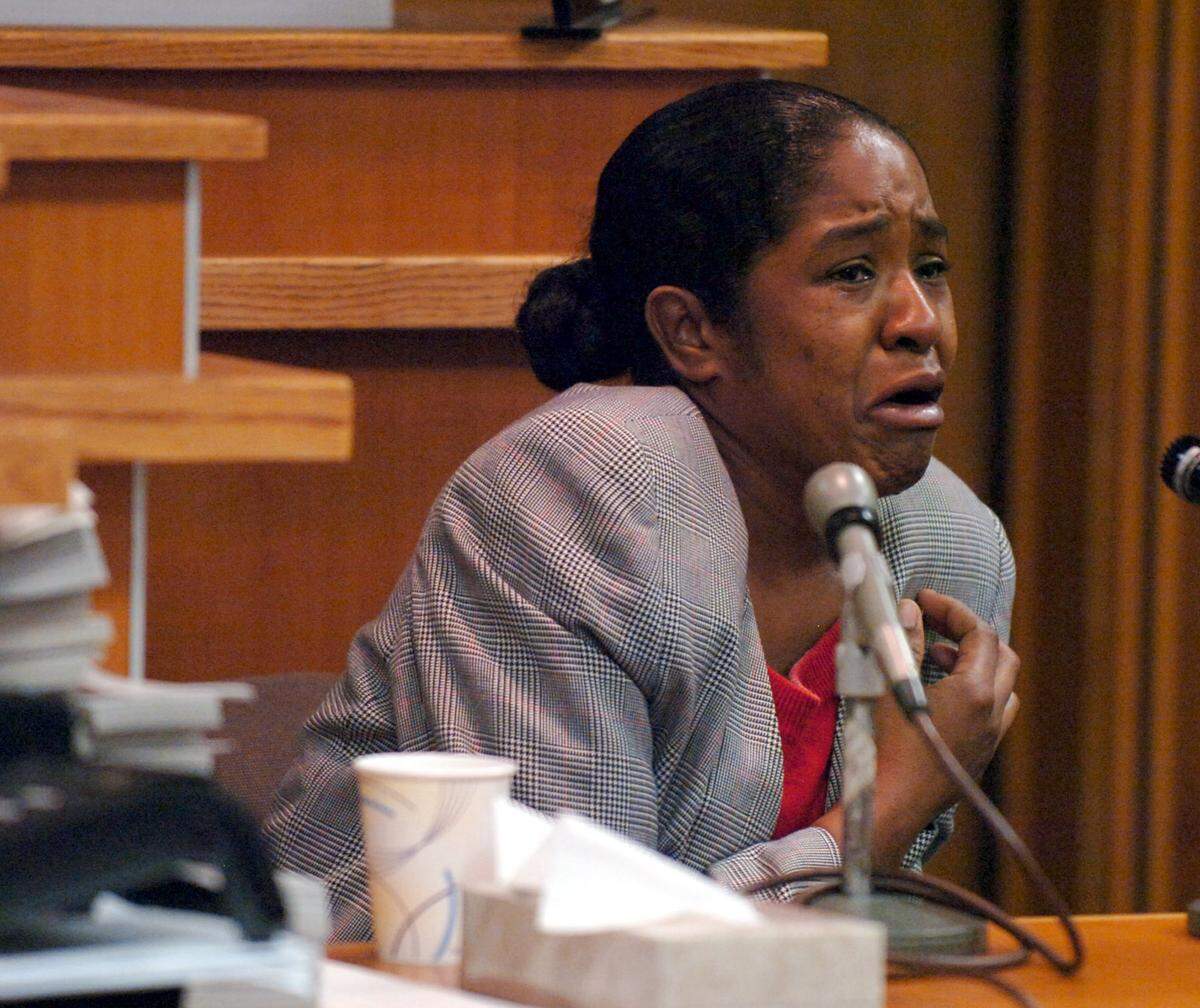
On the stand, Maycock, now 49, broke down as she detailed the events leading up to — and following — Quatisha’s murder. Brady also glared at Maycock as she testified.
Night of torment
On the night of the murder, Braddy helped Maycock — who didn’t have a car — by picking up Quatisha from the house of a relative who was watching her as Maycock went to work, Maycock said. Maycock was a struggling single mother who was turned away by her family after getting pregnant at 16.
Maycock had struck up a friendship with Braddy’s wife. And when she first met Braddy, he offered to give her a hand.
“Little did she know ... that that hand had a price,” Rifkin said, adding that Maycock was a naive 22-year-old who didn’t know Braddy had been in prison for a string of violent offenses.
After helping Maycock pick up Quatisha, Braddy went back to Maycock’s apartment and overstayed his welcome. Maycock, the prosecutor said, fibbed that Braddy should leave because she had company coming over.
Braddy’s demeanor shifted, and he became irate, Maycock said on the stand. Braddy charged at Maycock, slamming her to the floor and choking her. He then put Maycock and Quatisha in his rented, gold Lincoln Town Car.
As Braddy drove for miles, Maycock, cradling Quatisha, decided to escape by jumping out of the car, Maycock said. Braddy stopped the car, snatched Maycock and Quatisha and locked Maycock in the trunk.
Maycock teared up as she remembered her daughter saying, “No, Mommy, no.”
When the trunk was opened, it was pitch black outside, and Braddy yanked Maycock out by gripping onto her shirt, Rifkin said. Maycock and Braddy struggled as Maycock shouted, “Why are you doing this to me? What did I do?”
“Because you used me,” Braddy replied in a rage, Maycock testified. “I should kill you.”
Braddy then choked Maycock until he thought she was dead, Rifkin said. When the sun rose, Maycock regained consciousness. She said she was disoriented and had been bitten by mosquitos and ants.
Maycock testified that she struggled to see because the blood vessels in her eyes had popped. Trying to inch closer toward the sound of cars, Maycock held out her hands as she walked. She kept falling, but ultimately, made it to the side of the road. Two tourists stopped their car and called police to help Maycock.
After dumping Maycock, Braddy went to a remote part of the Everglades, where he, an avid hunter, had previously fed alligators. He left Quatisha there, although exactly what happened — whether Braddy threw her into a canal or left her on the side of the road — remains a mystery, Rifkin said.
“He silenced her by killing her,” Rifkin said. “... He knew he couldn’t get caught. Not again.”
Braddy was well-known to law enforcement before Quatisha’s murder. His criminal history included convictions for robbery, kidnapping and attempting to kill a corrections officer by strangling him. In September 1984, Braddy escaped from custody three times, overpowering a Miami-Dade corrections officer and four Broward sheriff’s deputies, according to the Miami Herald’s archives.
Braddy’s case is the third death resentencing in Miami-Dade in recent months. In November, a jury spared the life of Labrant Dennis — convicted of bludgeoning to death his ex and the UM football player she was seeing in 1996. Also last November, another jury said Rafael Andres should be sent back to Florida’s Death Row for beating, stabbing and strangling a La Carreta waitress with a rice-cooker cord in 2005.