‘He will be punished’: Defense urges life for man who dumped girl in Everglades
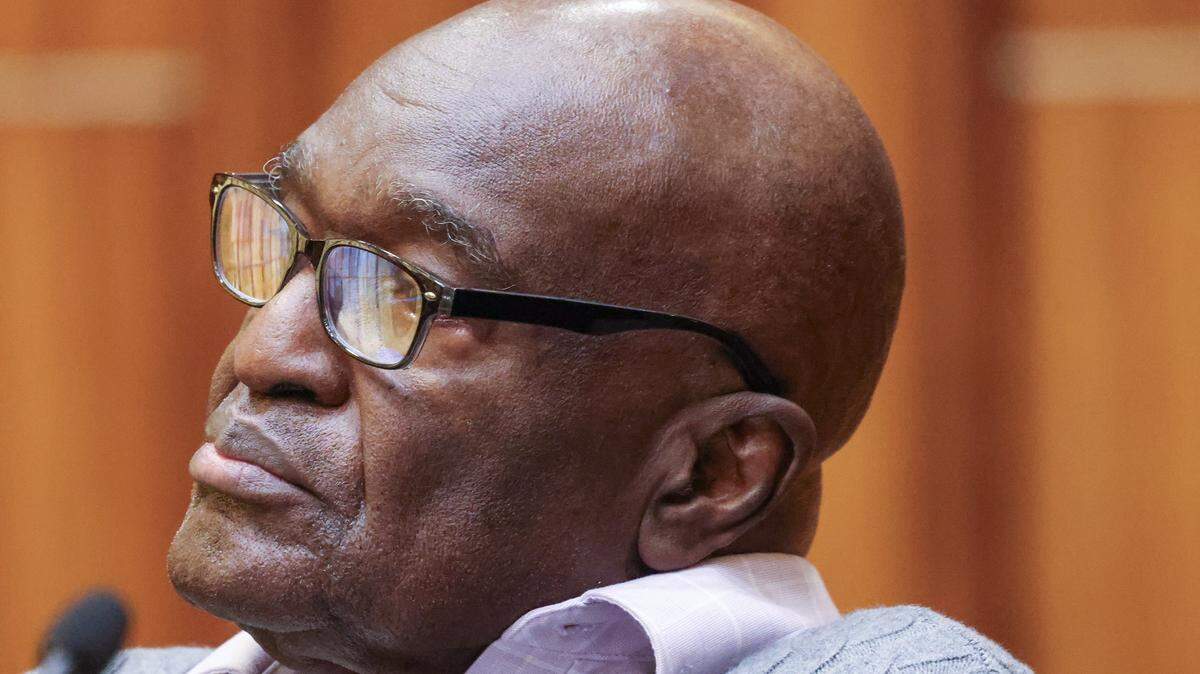
Harrel Braddy, the man who dumped a 5-year-old girl in the Everglades to be eaten by alligators, was known by family, neighbors and fellow churchgoers as a generous family man.
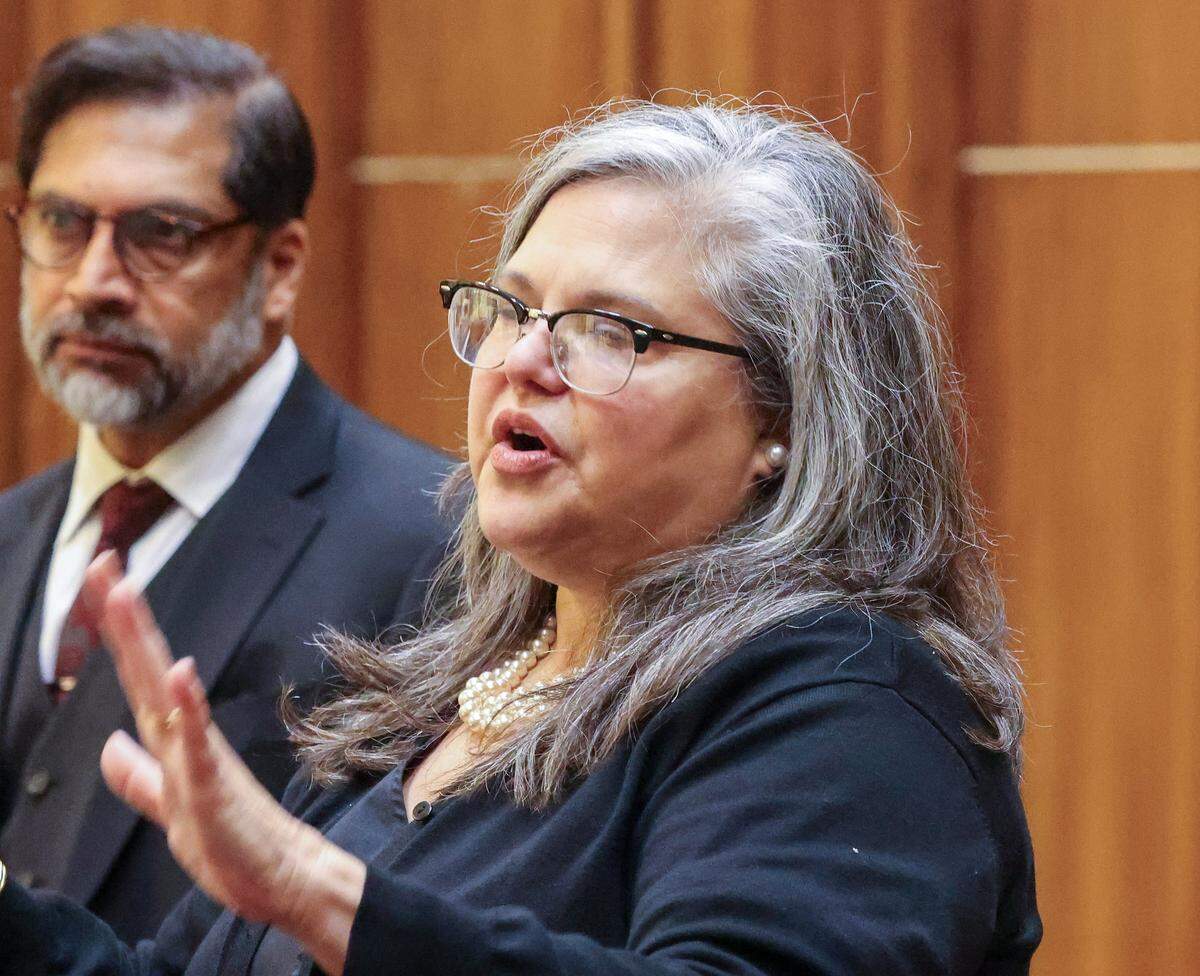
Braddy’s reputation among those who knew him was the “complete opposite of the angry, enraged man” the prosecution portrayed, defense attorney Carmen Vizcaino said. Jurors, she said, took an oath swearing they would consider all the evidence – including Braddy’s life story before and after the murder of Quatisha Maycock – to decide Braddy’s fate.
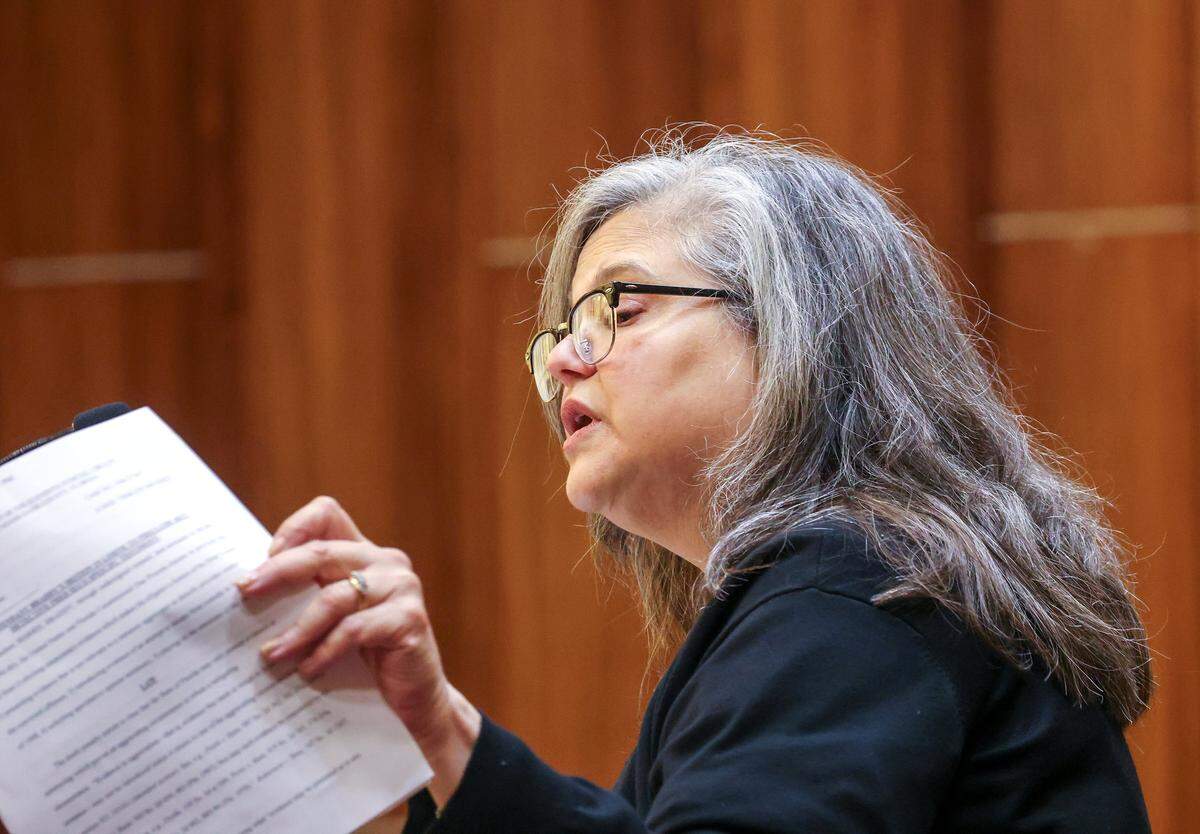
“He will be punished,” Vizcaino said. “Mr. Braddy will die behind bars. There is no question about that. The question before you today is whether he will die behind bars of natural causes or …be executed.”
The defense began presenting its case Monday afternoon, after Quatisha’s mother, Shandelle Maycock, wept on the witness stand as she spoke about her daughter in the resentencing trial of Braddy, now 76. Braddy was on Florida’s Death Row from 2007 to 2017, until he was granted a new sentencing trial due to constitutional issues surrounding the state’s death penalty.
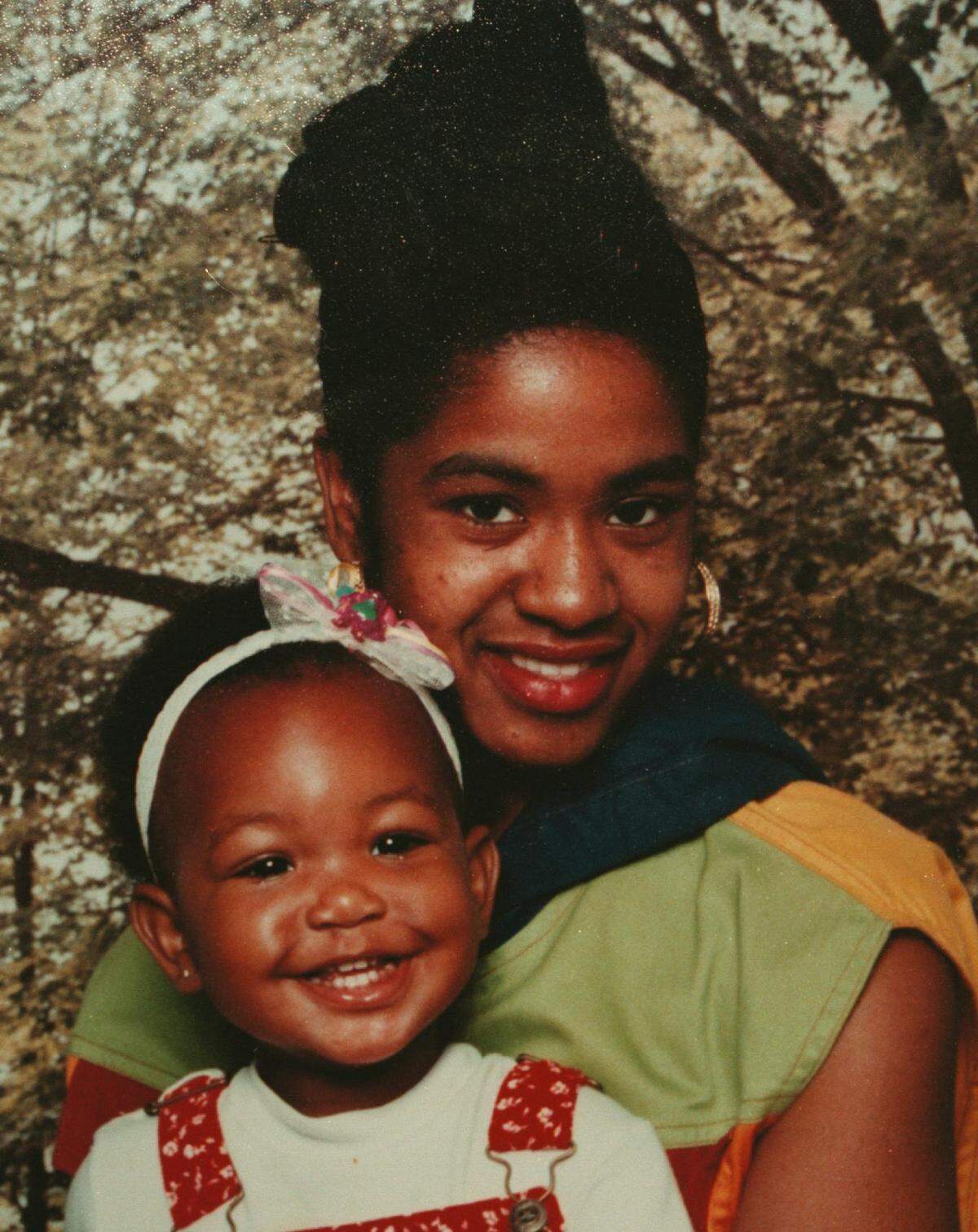
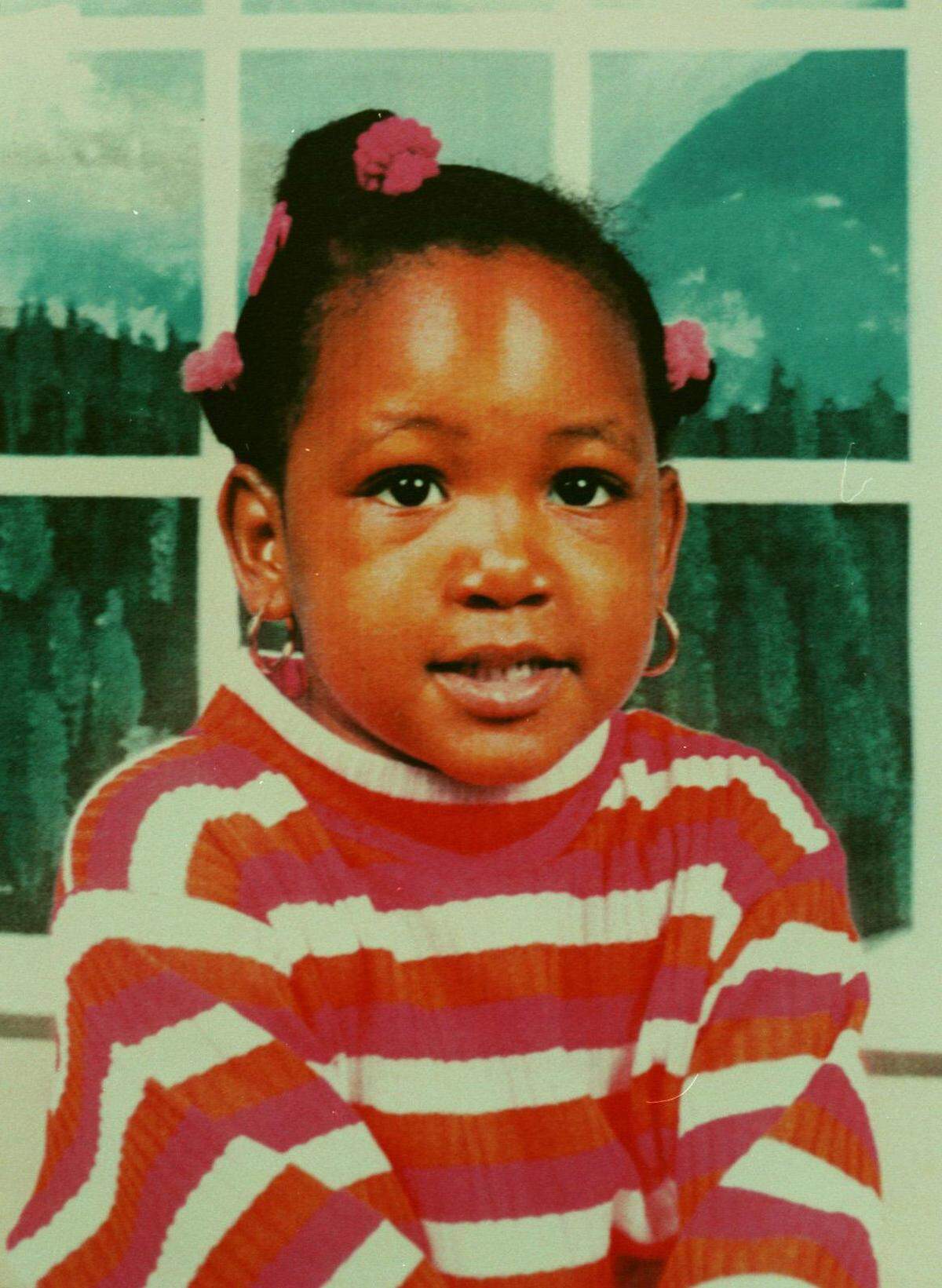
Maycock broke down as she detailed how her daughter loved coloring, playing with dolls, dressing up and especially going to school to learn new things with her classmates.
READ MORE: ‘My whole reason for living’: Mother of girl mauled by gators recounts her sorrow
“Quatisha was my whole reason for living,” Maycock said on the stand. “[She was] the only person I knew really loved me besides God.”
Braddy kidnapped Quatisha and Maycock — an acquaintance Braddy met in a church group — on the night of Nov. 7, 1998. Braddy beat Maycock, choked her, put her in the trunk of his car and left her on a deserted stretch of U.S. 27 near the Broward-Palm Beach county line, prosecutor Abbe Rifkin said. Maycock survived — although he didn’t count on her living through the repeated attacks.
READ MORE: Mother of girl left to be killed by alligators testifies about horrors they saw
Braddy’s motive, Rifkin said, was that he was spurned by Maycock, who had repeatedly rejected his advances. Fearing Quatisha could identify him, Braddy dumped the child — alive — on the side of Alligator Alley. Quatisha’s body was found in a canal days later by fishermen.
Should killer be spared?
Braddy’s story, Vizcaino said, begins in Miami in the mid-1950s, when the city was segregated. Braddy was one of six children born to his parents, who have since died but were married for more than 70 years. The Braddys lived in a small, two-bedroom house, where the six children had to share a room.
In segregated South Florida, Braddy and his family were not allowed to go to the beaches in Miami Beach, his attorney said. That’s how Braddy and his siblings grew to love the Everglades, where the family would fish and have picnics.
In the 1970s, Braddy married Cyteria Braddy, with whom he had five children, Vizcaino added. Braddy and Cyteria are still married, despite his decades of incarceration.
During his time behind bars, Braddy has been a “model prisoner,” Vizcaino said, adding that he has only received two disciplinary reports. But life in prison is difficult, especially for an aging person.
Braddy has had health challenges, including throat cancer and brain damage, the attorney said. In 2019, he was attacked by other inmates.
“His body is breaking, and that is how he will have to survive a life sentence in general population,” Vizcaino said.
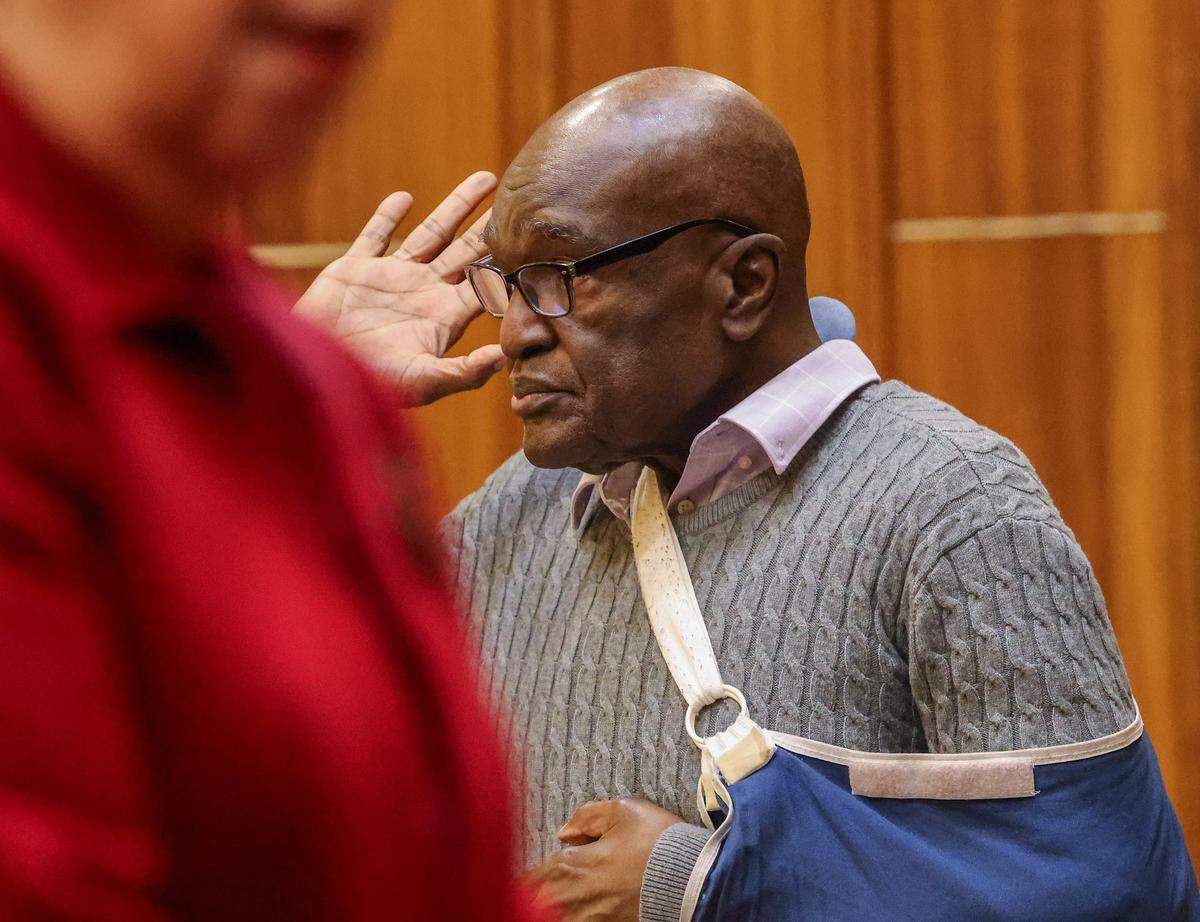
As Vizcaino delivered her opening argument, Braddy looked up, moving his lips. He occasionally took off his glasses and rubbed his eyes.
The defense on Monday also presented evidence that Quatisha was unconscious after suffering a head injury, hinting that the girl wasn’t awake when alligators bit parts of her body. The defense read back testimony from the medical examiner, who has since died and performed Quatisha’s autopsy.
READ MORE: Girl left for dead in Everglades was alive when gators attacked: medical examiner
However, Dr. Emma Lew, a forensic pathologist, testified last week that the evidence indicates that the girl was alive when alligators mauled her. Lew said she had “no way of knowing if [Quatisha] was conscious.” Jurors saw the graphic photos of Quatisha, who was missing her left arm and had bite marks on her head and stomach.