Death or mercy? Miami jury mulling fate of killer who strangled La Carreta waitress

The fate of the handyman who beat, stabbed and strangled a La Carreta waitress with a rice cooker cord — and was once on Florida’s Death Row for the slaying — is in the hands of a Miami jury.
On Thursday, prosecutors and defense attorneys made their final arguments in the resentencing of Rafael Andres, a 61-year-old convicted of brutally killing Yvette Fariñas on Jan. 24, 2005. Andres, a handyman, had been hired to do renovations at the efficiency Fariñas lived in with her boyfriend.
Andres was granted a new sentencing trial due to constitutional issues surrounding the state’s death penalty. In 2015, a Miami jury condemned Andres to die in a 9-3 vote.
Prosecutors argue that Andres should be executed due to the brutality of the killing — and a murder Andres previously committed. Defense attorneys say the killer should be spared because years of cocaine abuse damaged his brain and, while in prison, Andres has embarked on a journey of spirituality and redemption.

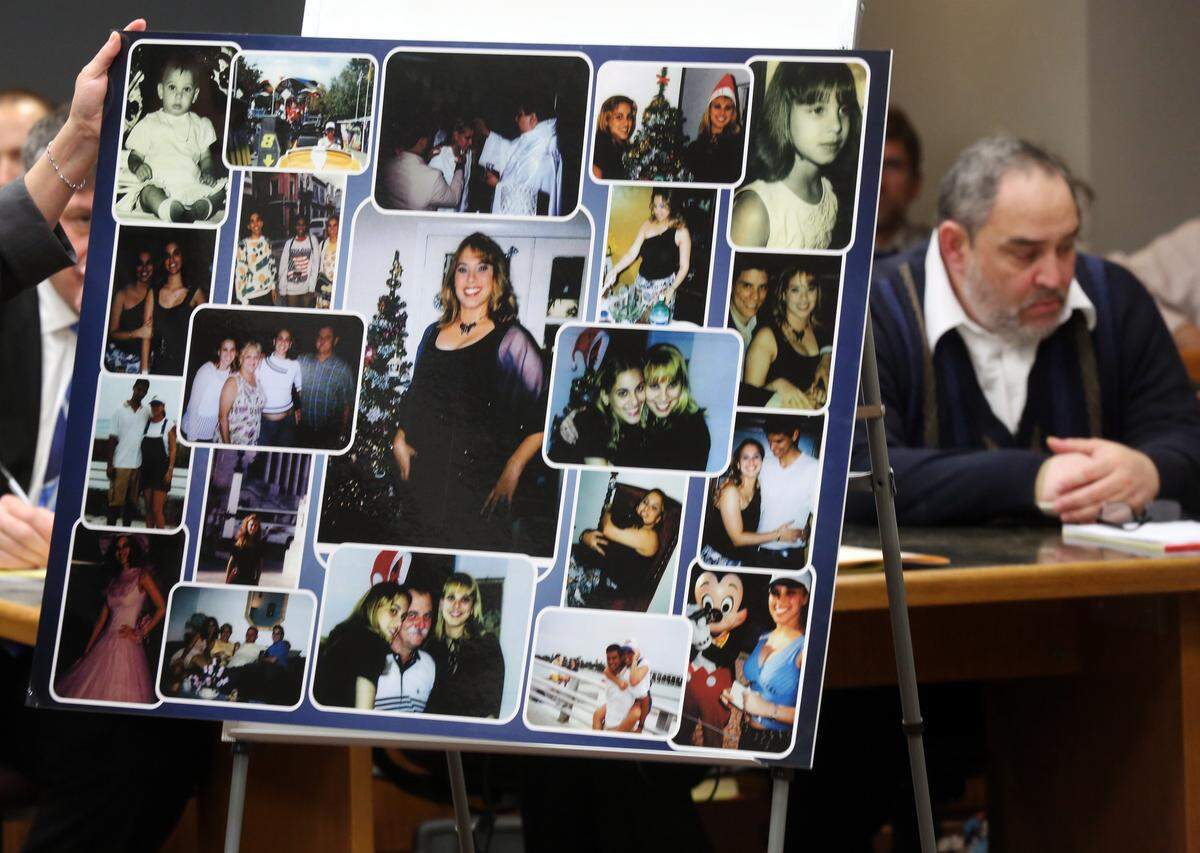
During the trial, Fariñas’ mother Luisa Moya, father Rene Fariñas, sister Lisbet Fariñas and her long-time boyfriend Alberto Ruiz detailed their suffering throughout the two decades since Fariñas was killed.
READ MORE: ‘Full of life’: Family of La Carreta waitress brutally murdered recounts their sorrow
“How I have missed you,” Ruiz said while on the stand. “There are not enough words or time to mention how much I have wished you were here.... My birthdays are no longer happy ones. Nor is Christmas. I am missing part of my soul, and that is you.”
Greed motivated crime
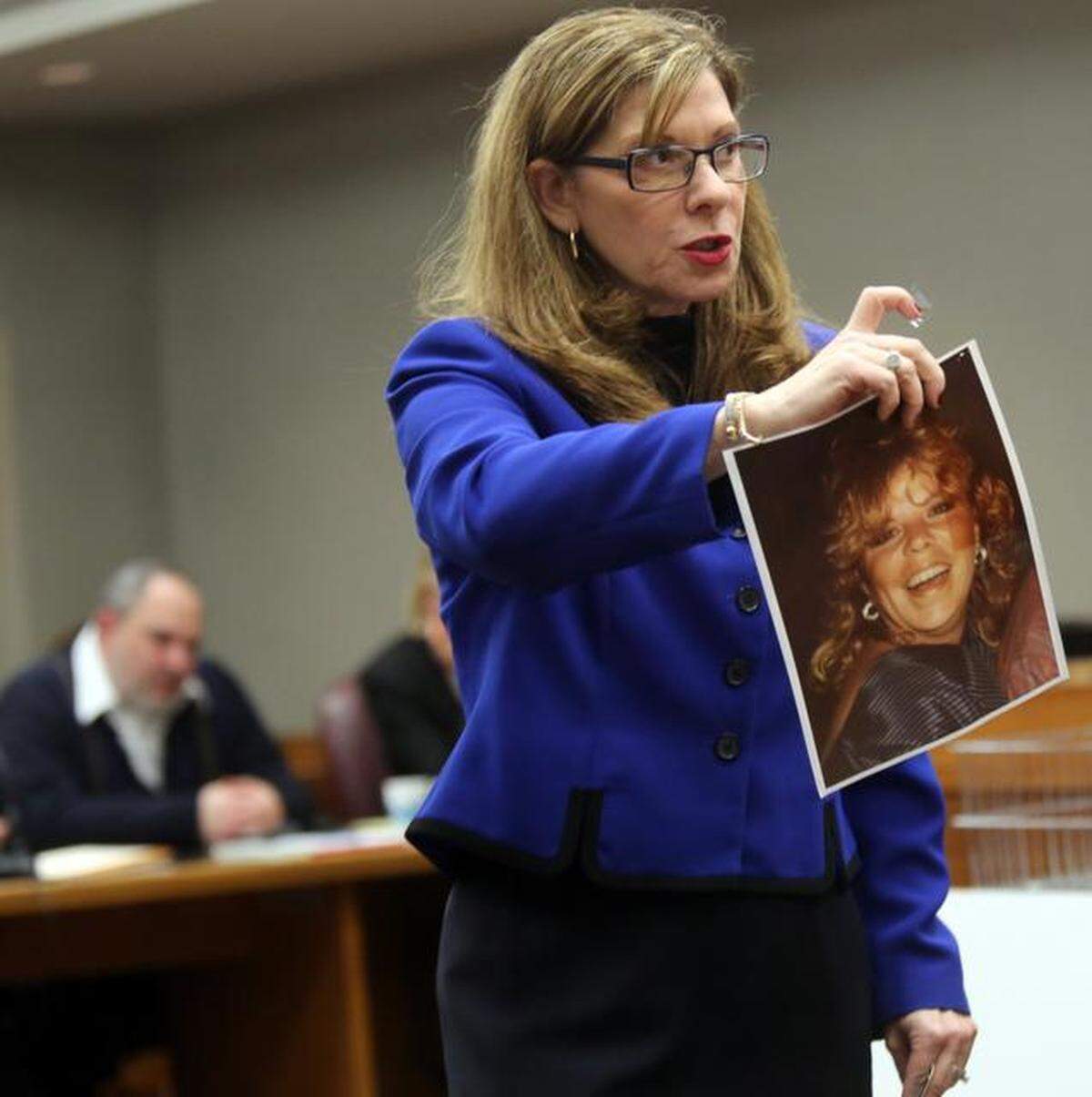
Turning toward the jury, prosecutor Abbe Rifkin said Andres acted with the “selfish desire” to take what he wanted when he murdered Fariñas, 31.
The circumstances of the slaying warrant Andres be executed, Rifkin said. Andres, she added, didn’t show one bit of humanity when he made the “conscious, cold, brutal choice” to torture and murder Fariñas.
“A woman in the beginning of her life is dead because Rafael Andres wanted her dead,” Rifkin said.
Rifkin detailed the evidence in the case, showing jurors crime scene photos and pointing to investigative reports. Andres used a spare key to enter the efficiency and beat Fariñas in the face until she gave up her ATM card’s pin code, prosecutors say.
READ MORE: A La Carreta waitress was strangled, stabbed 20 years ago. Jury to decide killer’s fate
Andres held her wrists and stabbed her three times in the chest — but Fariñas didn’t die. He then put a dish towel over her face and strangled her with the cord. The towel, Rifkin said, was used to muffle Fariñas’ cries, evidenced by the electrical tape found in her hair.
“She’s not dying fast enough for him,” Rifkin said. “...She fought for her life. You can see it in the pictures. You can see it in the evidence.”
He then attempted to light a blaze to burn down the evidence — but his plan was foiled by a neighbor who had spotted Andres leaving the scene. The fire was so hot that metal in a mattress near Fariñas body melted, the prosecutor said.
After the murder, Andres went on a spending spree on Fariñas’ dime, purchasing tools at the Home Depot and taking a woman to the Miccosukee Casino & Resort. He drained all the money in Fariñas’ bank account.

“This is the fate he coldly, calculatedly... voluntarily and selfishly chose for an innocent woman whose only crime was having something he wanted to take,” Rifkin said.
When investigators visited Andres to execute a search warrant, the killer told detectives, “I’m not a monster. I’m a drug addict,” Rifkin said. He also said he didn’t come forward before because he feared he would be blamed because, in the ‘80s, he had killed another woman.
In 1988, Andres was convicted of stabbing to death 32-year-old Linda Azcarreta, a friend of his wife. Andres claimed he killed Azcarreta on March 9, 1987, in a frenzy of drug use. He cashed a $100 check meant for her after the murder.
READ MORE: His mother’s murderer: In a Miami courtroom, a son tries to reclaim lost memories
Andres pleaded guilty to the killing and was sentenced to nine years but walked free after just 18 months due to his good behavior while behind bars.
Andres, the prosecutor said, denied using cocaine on the day of Fariñas’ murder.
“That’s the only true thing he said. Cocaine usage, a cocaine frenzy, has nothing to do with this,” Rifkin said. “...This was planned, and almost flawlessly executed.”
Sentencing Andres to death will be difficult, Rifkin told jurors, but it is the right and just punishment.
“Can you show mercy? Yes. But should you show mercy? I would submit to you, no.” Rifkin said.
Pleading for mercy
Hoping to spare Andres’ life, defense attorney Joyce Brenner urged jurors to reflect about the permanence of the moral decision before them.
“Each of you has the power of life, death, ...mercy in your hands,” Brenner said, facing the jury.
Human beings have the capacity for both destruction and redemption, Brenner said. Andres has “adjusted well” to prison life, teaching fellow inmates to read and embarking on a spiritual journey behind bars.
Andres, the attorney said, is trying to “make amends the best he knows how.”
“A person is worth so much more than the worst thing they have ever done,” Brenner said.
Andres was born in Cuba to a deadbeat alcoholic who beat him, according to his attorneys. Andres was taken in by his mother’s boyfriend, but the boyfriend was not a father figure for Andres or his siblings — and instead groomed them for the drug trade.
The exposure to drug trafficking led to Andres’ cocaine addiction, which he battled for decades, Brenner said. Fariñas’ murder, according to the attorney, was the result of a drug binge. At the time, Andres’ addiction was so severe that his wife kicked him out of the home they shared.
Despite his upbringing and two decades of incarceration, Andres has tried to be present as a father to his children, Brenner said. She showed the jury photos of Andres with his children and displayed drawings of cartoon characters in letters Andres sent his son.
Those relationships, Brenner said, are another reason for jurors to choose life over death.
“He will die in prison,” the attorney said. “He will never be released.”
This story was originally published November 20, 2025 at 5:38 PM.