‘Full of life’: Family of La Carreta waitress brutally murdered recounts their sorrow
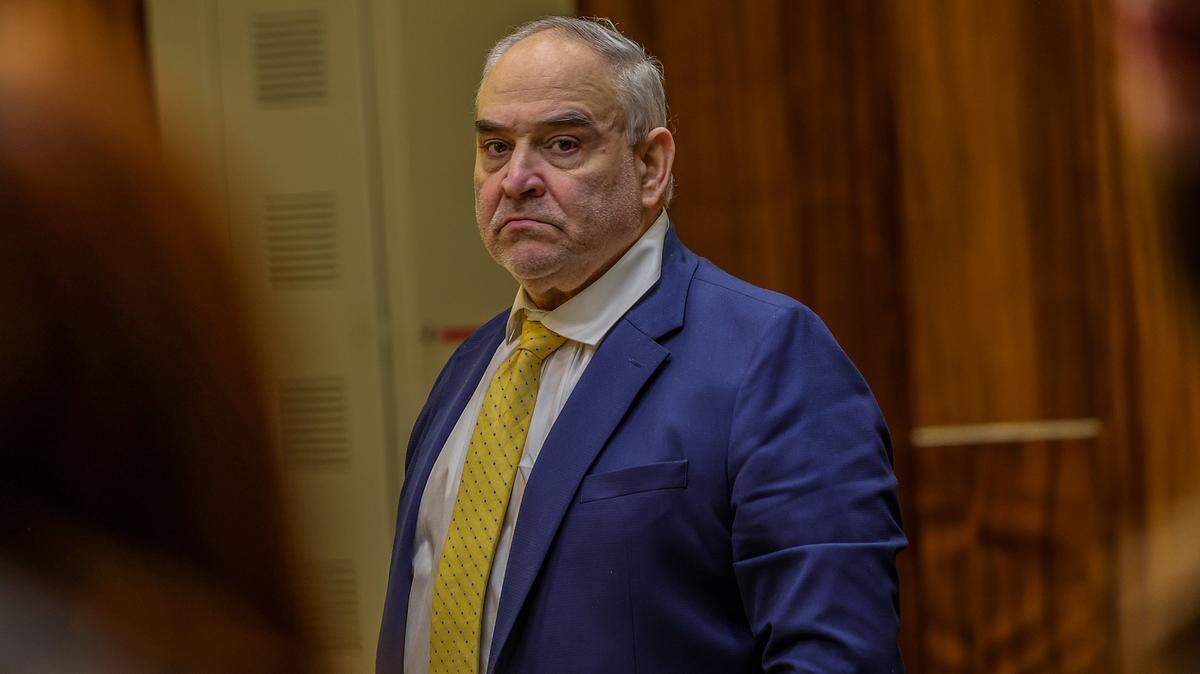
In a Miami courtroom on Thursday, Lisbet Fariñas read out a letter that she wrote to her sister. But it was a letter her sister, Yvette Fariñas, would never read or hear.
Fariñas, a waitress at La Carreta, was brutally murdered on Jan. 24, 2005. Lisbet said she had convinced herself to believe that her sister was not killed — and instead had gone to another city and would one day return.
“But as time passed, I realized that it was a fantasy that I had made up to help me overcome the pain that I was going through, and to continue on,” Lisbet said.
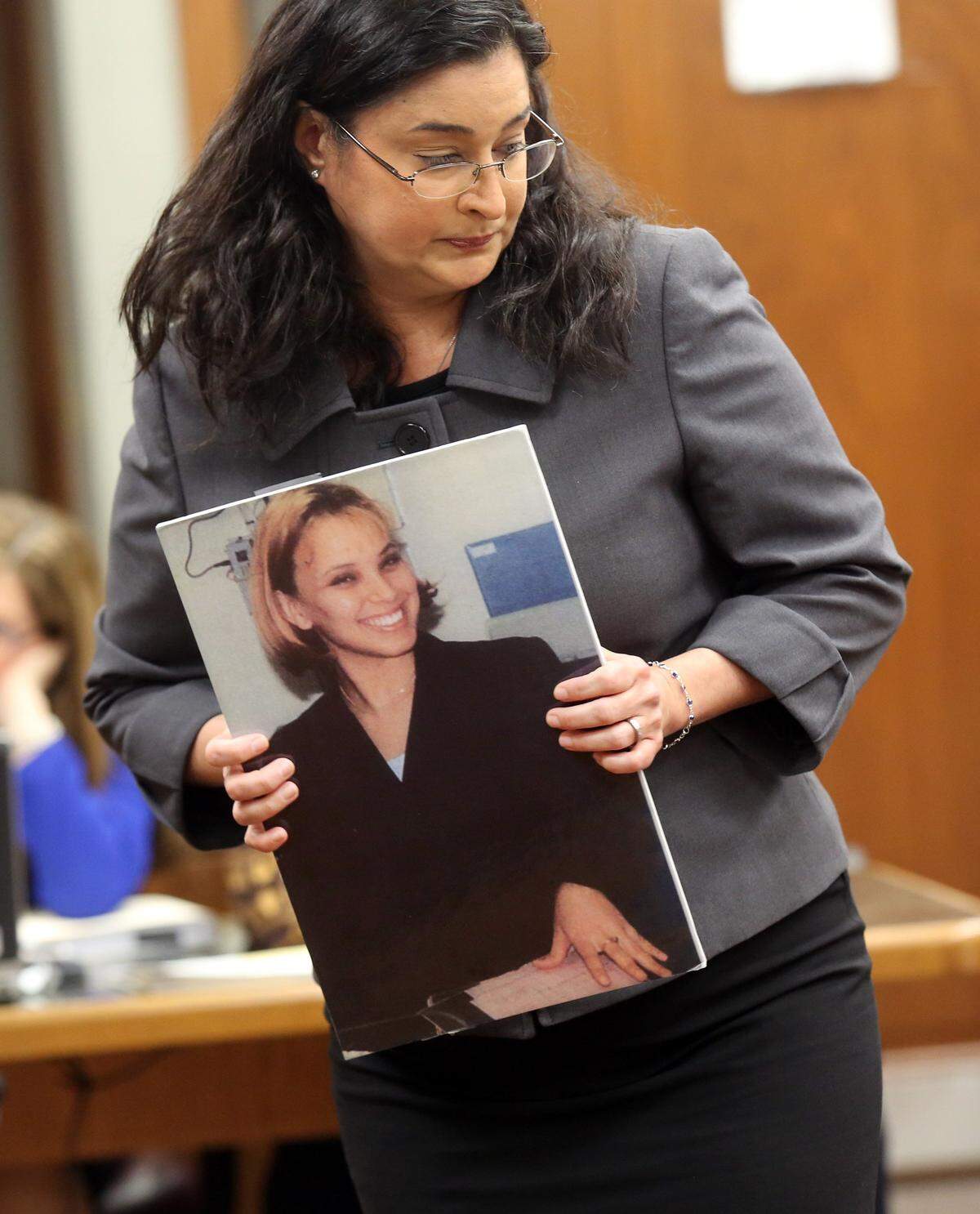
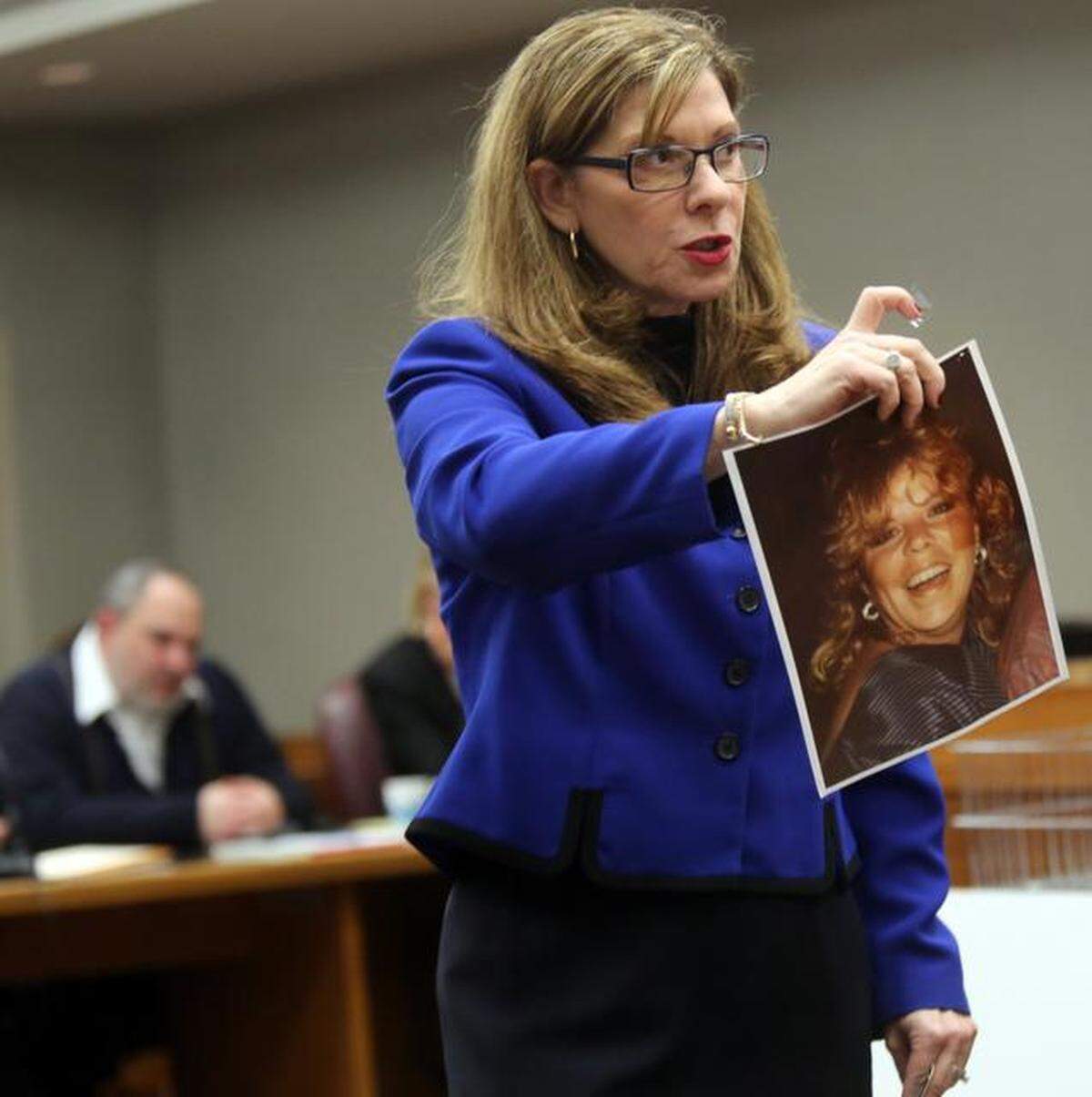
Lisbet’s emotionally grueling testimony — and that of Fariñas’ loved ones — came during the death penalty resentencing of Rafael Andres, 61, who was convicted in 2014 of Fariñas’ murder. Prosecutors rested their case after the family’s victim impact testimony.
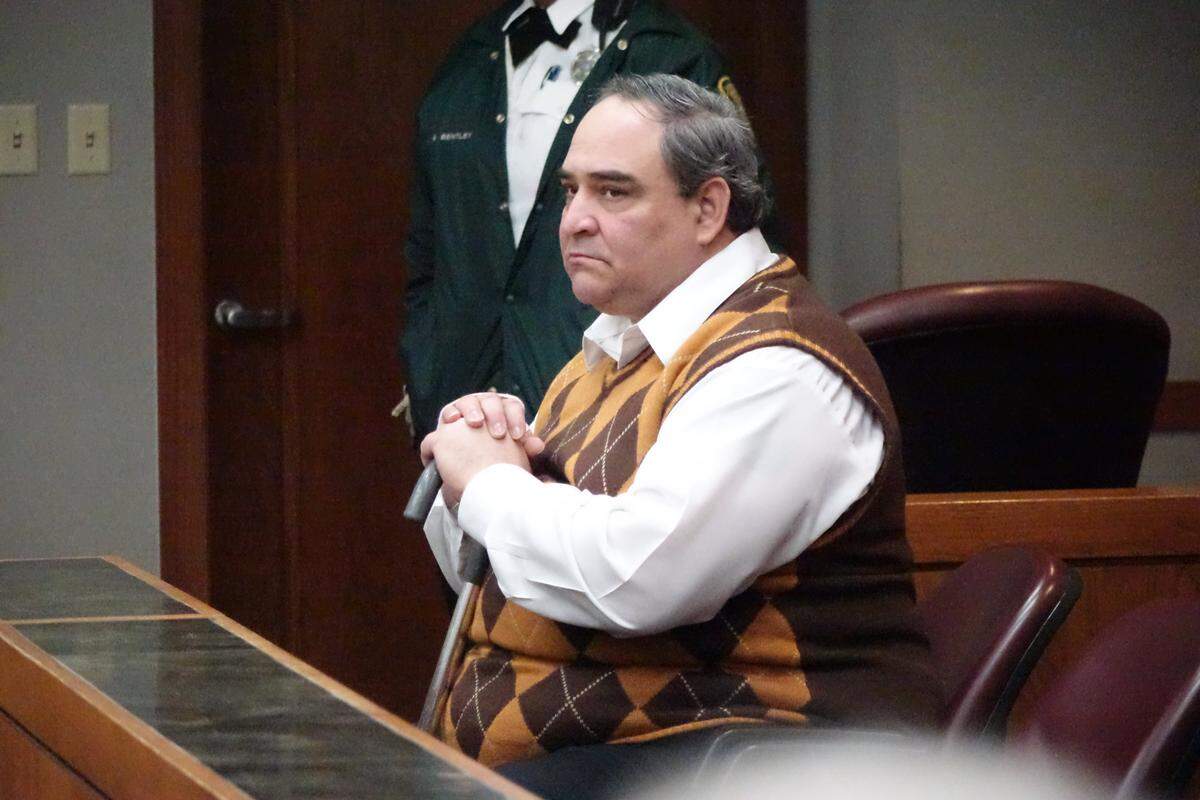
Several jurors had saddened expressions as the loved ones spoke about Fariñas, with one juror even wiping away tears from under his glasses with his shirt’s sleeve. Andres had his head down, looking at the table, when Fariñas’ family spoke.

Andres, a handyman, had been hired to do renovations at the efficiency she lived in with her boyfriend. Andres, prosecutors say, broke into the residence and beat, stabbed and strangled Fariñas with a rice cooker — before lighting a blaze to destroy the evidence. Months later, he was arrested in January 2006 after being linked to DNA evidence at the crime scene.
READ MORE: A La Carreta waitress was strangled, stabbed 20 years ago. Jury to decide killer’s fate
Then in 2015, a Miami jury sent Andres to Florida’s Death row in a 9-3 vote, but the killer was granted a new sentencing trial due to constitutional issues surrounding the state’s death penalty.
Prosecutors argue that Andres should be condemned to die due to the brutality of the killing — and a murder Andres previously committed. Defense attorneys say the killer should be spared because years of cocaine abuse damaged his brain and, while in prison, Andres has embarked on a journey of spirituality and redemption.
In between sniffles that were muffled by a surgical mask, Lisbet said she had to grow up and become a strong person to protect her parents, who were devastated by Fariñas’ murder. She often had to hide her emotions.
“I had to take your place,” she said.
Lisbet said she has never stopped thinking about Fariñas — and wishes Fariñas had seen her reach key milestones in her life. She said she yearned for Fariñas to have been by her side when she had her son, graduated from nursing school and became a nurse practitioner.
“I will never find anyone like you, Tata,” Lisbet said. “I know you’re always watching us because I feel you near.”
‘My happiness was stolen’
Fariñas mother Luisa Moya detailed how her daughter loved rescuing dogs and rescued them off the street. Fariñas, she said, dreamed of becoming a mother and marrying her long-term boyfriend, Alberto Ruiz.
“My daughter was a young woman,” Moya said. “She was full of life.... I feel so much pain I cannot sleep at night. I live with a constant anxiety because I cannot see her. Her smile. Her voice. I cannot see... or hear them again.”
Tears swelling up, Moya told the jurors how much Fariñas meant to her family.
“My happiness was stolen from me,” Moya said. “...My family will never be the same again.”
Sitting at the witness stand, Rene Fariñas removed his glasses and wiped his tears as he remembered all the moments he shared with his “adorable princess.”
“I haven’t found any solace and many times I end up crying,” Rene told jurors. “Sometimes, and frequently still, I feel as if she [were] still here.”
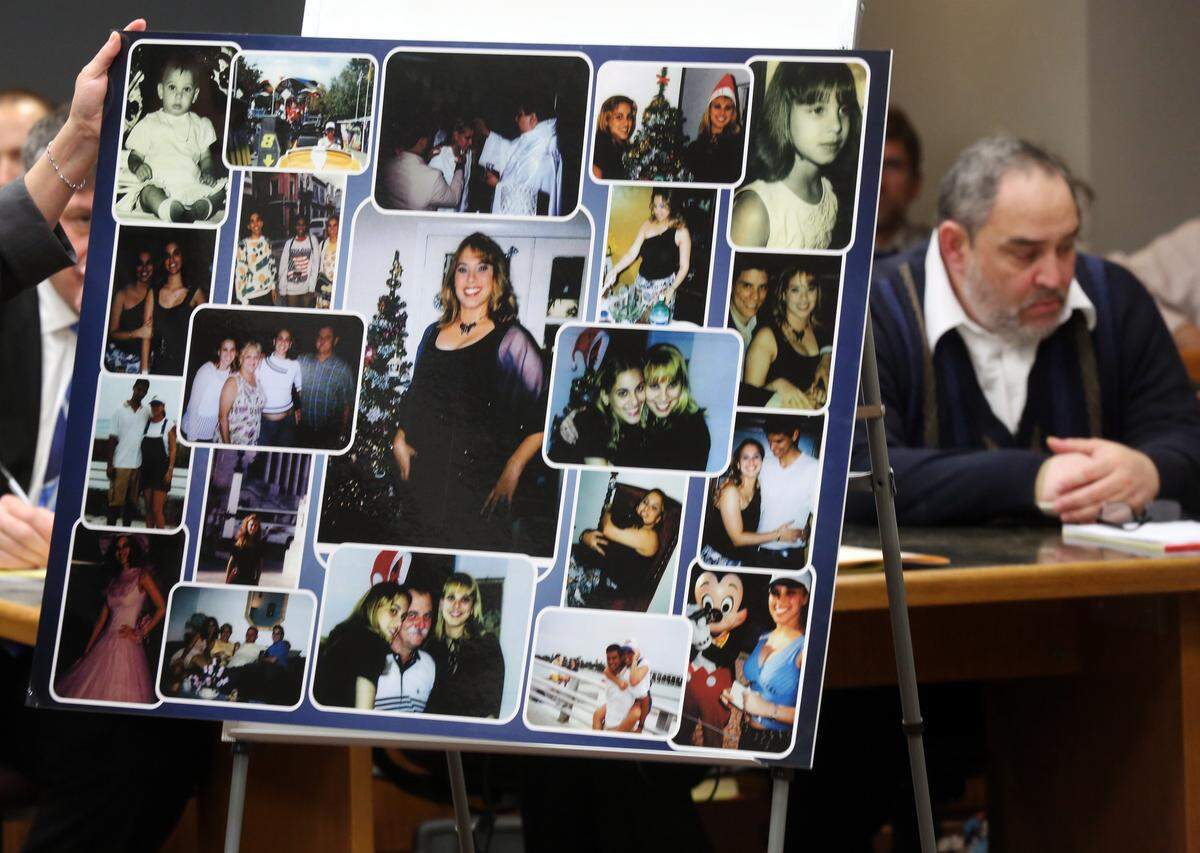
Rene said he cried from happiness the day Fariñas was born, calling it the happiest day of his life. But Fariñas, he said, was also the center of his saddest moment: the day he learned she was murdered.
To cope with the loss, he keeps Fariñas phone number active so loved ones can call it and hear her voice in the voicemail, Rene said. He recalled how the family looked forward to starting a new life in the U.S. when they left Cuba in 1999.
“It was a wonderful place until she died, died from being murdered,” Rene said.
‘Missing part of my soul’
Life hasn’t been easy for Alberto Ruiz, Fariñas’ boyfriend, in the 20 years since he last saw Fariñas, he told jurors.
“How I have missed you,” he said. “There are not enough words or time to mention how much I have wished you were here.... My birthdays are no longer happy ones. Nor is Christmas. I am missing part of my soul, and that is you.”
Ruiz said he hasn’t been able to overcome Fariñas’ absence. He never accomplished the things they planned together, like opening a business and having children.
“Even if all the time in the world passes, and my days end, I will always remember you,“ Ruiz said. “Somewhere, someday, we will meet again.”
At the time of her murder, Fariñas was living in the efficiency with Ruiz. Ruiz had gone to work when Andres used a spare key to enter the efficiency and beat her in the face until she gave up her ATM card’s pin code, prosecutors say. Andres held her wrists and stabbed her three times in the chest — but Fariñas didn’t die.
He then put a dish towel over her face and strangled her with the cord, according to prosecutors. He then attempted to light a fire to burn down the evidence — but his plan was foiled by a neighbor who had spotted Andres leaving the scene.
Fariñas’ slaying wasn’t the only time Andres had been linked to a murder.
In 1988, Andres was convicted of stabbing to death 32-year-old Linda Azcarreta, a friend of his wife. Andres claimed he killed Azcarreta on March 9, 1987 in a frenzy of drug use. He cashed a $100 check meant for her after the murder.
Andres pleaded guilty to the killing and was sentenced to nine years but walked free after just 18 months due to his good behavior while behind bars.
This story was originally published November 13, 2025 at 4:35 PM.