State no longer seeking death penalty in trial of convicted gang leader and murderer
READ MORE
Deal with the Devil
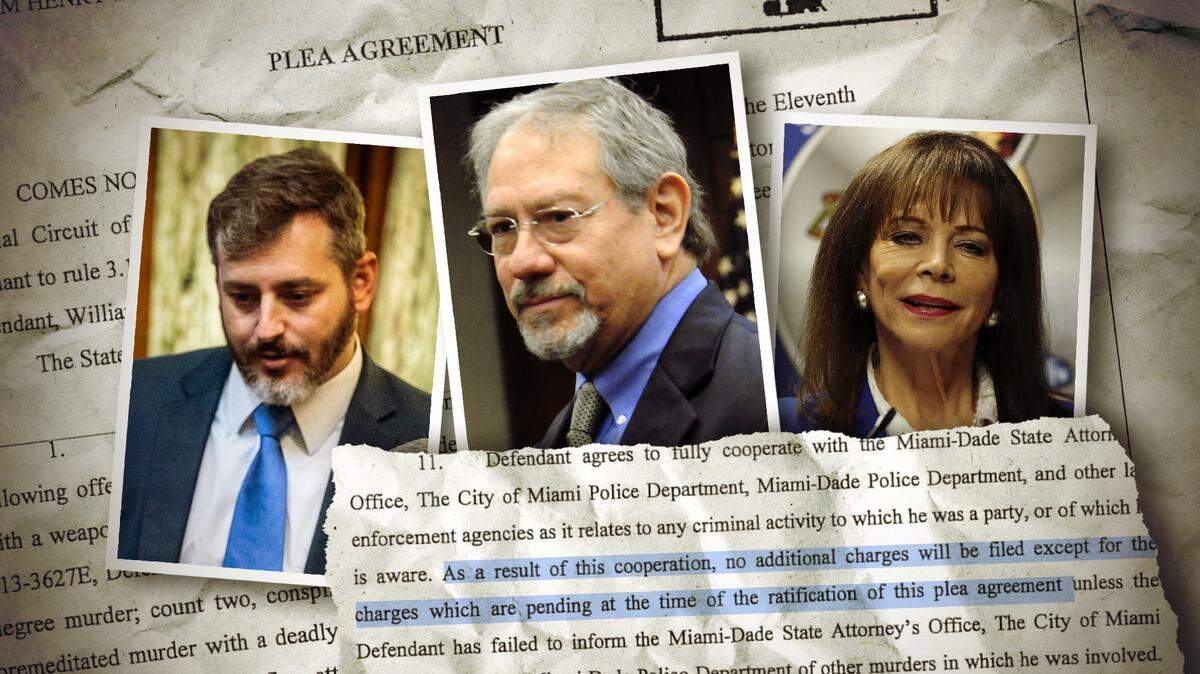
A Miami Herald investigation into how a mass shooter became Miami prosecutors’ informant
Expand All
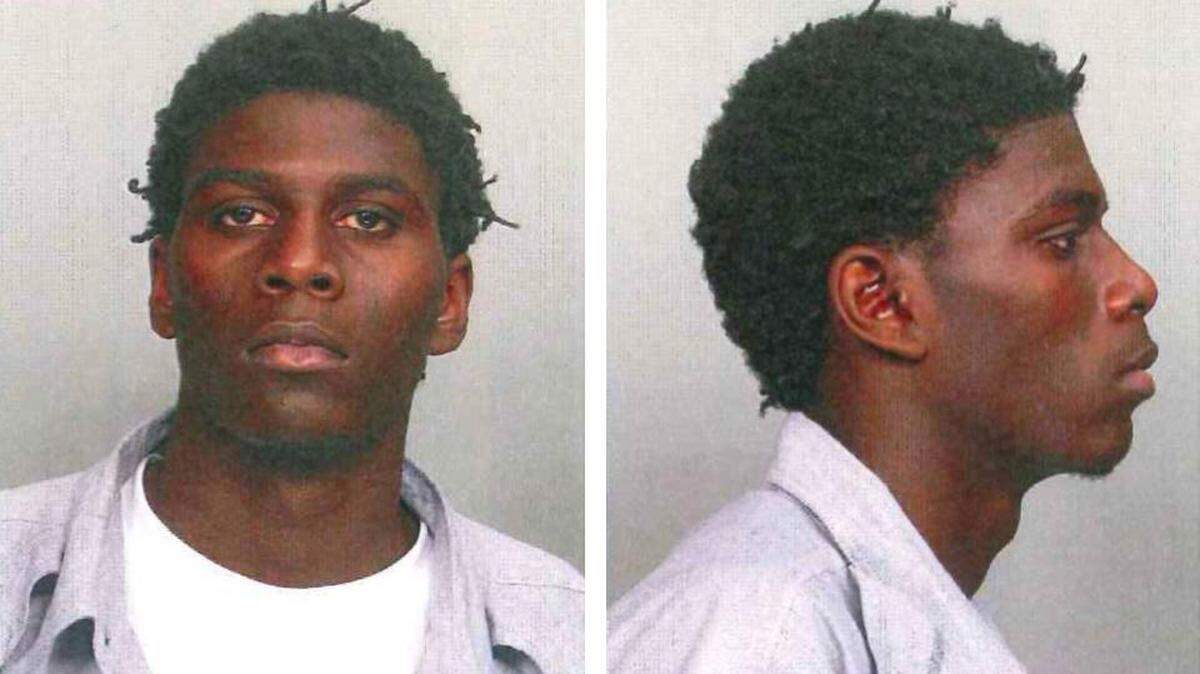
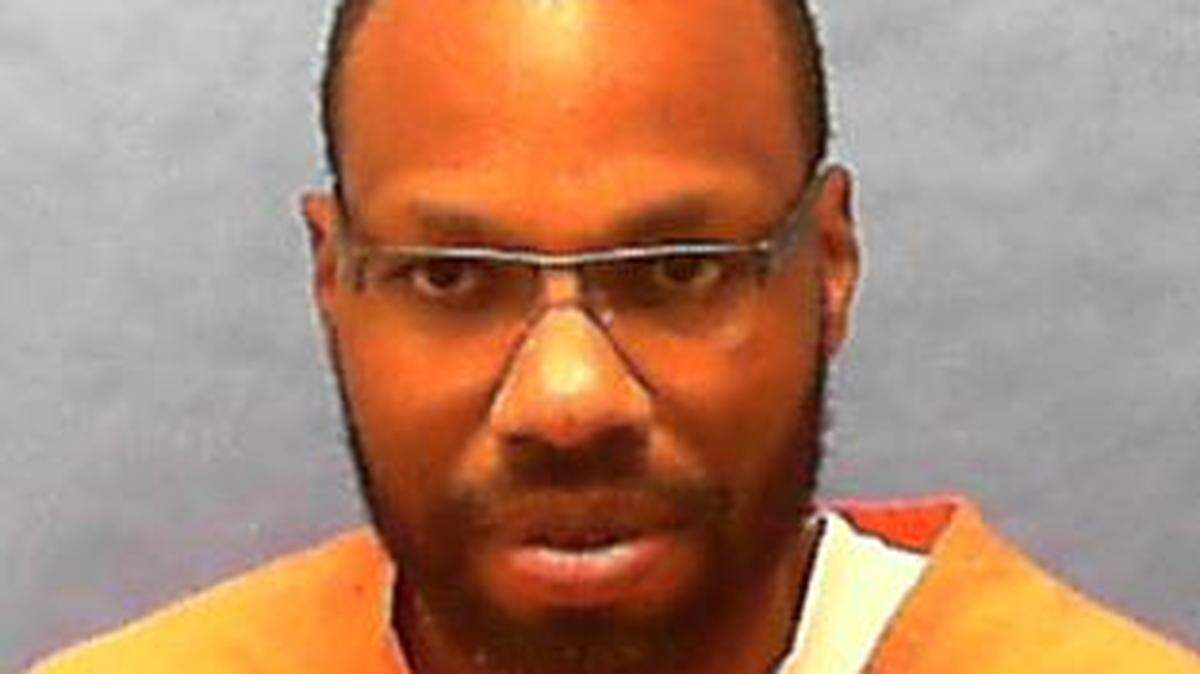
Corey Smith — the reputed leader of a notorious Liberty City drug gang who was convicted of multiple murders and sentenced to death two decades ago — got a reprieve Sunday when prosecutors said they would no longer ask for the death penalty at his re-sentencing.
It’s a case that has been in limbo for almost a year as attorneys first grappled with the difficult task of changes to the death penalty law in Florida. They were also forced to navigate through the removal of the two lead prosecutors in the case for alleged misconduct. That was followed by moves from Smith’s defense attorneys to have the case tossed altogether.
READ MORE: Miami-Dade prosecutor removed from murder case a paradox: Hero to some, villain to others
Then Sunday, after a series of controversial texts between the Miami-Dade state attorney and the appellate judge who originally prosecuted the case and who testified at re-sentencing were publicized, the state said it would no longer seek death for Smith because too much time had passed and witnesses had dried up or died.
READ MORE: Miami judge’s venomous texts come back to bite her in crumbling death penalty case
“Compelled to re-sentence because of court decisions, with the passage of time, and taking all these factors into consideration, we do not feel we have a sufficiently compelling case for a death penalty presentation to jurors,” the state attorneys office wrote in a statement to the Miami Herald. The statement also said Smith’s defense attorneys and the court had been notified.
Smith’s defense attorney Allison Miller, who is trying to have Smith’s murder convictions vacated, called Smith “complicated” and said he is far more “good than bad.”
“Frankly,” Miller said, “he is one of the most generous and certainly smartest clients I have ever had. And he is an integral part of his family unit and has raised his son from prison.”
Smith’s next court hearing before Miami-Dade Circuit Court Judge Andrea Ricker Wolfson is scheduled for Wednesday morning.
RICO conviction leads to death sentence
Smith was first convicted in federal court in 1999 of drug and firearm charges. A year later, a Miami-Dade grand jury indicted Smith and seven others on 17 counts for crimes committed in connection with Liberty City’s violent John Doe drug gang — named for the toe tags tied to unidentified bodies at the morgue.
In 2004, Miami-Dade jurors found Smith guilty of the murders of Cynthia Brown, Angel Wilson, Leon Hadley and Jackie Pope and the manslaughter deaths of Melvin Lipscomb and Marlon Beneby, in a case that launched the careers of several young Miami-Dade prosecutors. Smith was accused of ordering most of the deaths, and participating personally in the drive-by shooting of Hadley.
Law enforcement flooded the courthouse during the high-profile murder case in which Smith was forced to wear a stun belt each day in case he tried to escape. A year later he was sentenced to death.
But as Smith fought for his life over the years, the case has remained tied up in a court system that changed its rules regarding the death penalty several times. The sentencing phase of Smith’s and other cases were first ordered re-tried in 2016 when the U.S. Supreme Court ruled Florida’s death sentence law unconstitutional and said a unanimous jury was required before meting out a death penalty sentence.
As prosecutors worked to re-try those cases, that ruling would be upended in Florida because of a mass shooting at Parkland’s Marjory Stoneman Douglas High School two years later. By 2023, after convicted shooter Nikolas Cruz’s life was spared by jurors, Florida Gov. Ron DeSantis signed a new law in the state that only required a two-thirds majority of jurors to impose a death sentence.
Still, re-sentencing was required. To Smith and others originally sentenced to death in Florida by non-unanimous juries, the the judicial ruling and legislative response were a roller coaster ride that has entangled their cases in the court system for almost a decade.
Smith’s re-sentencing has consequences
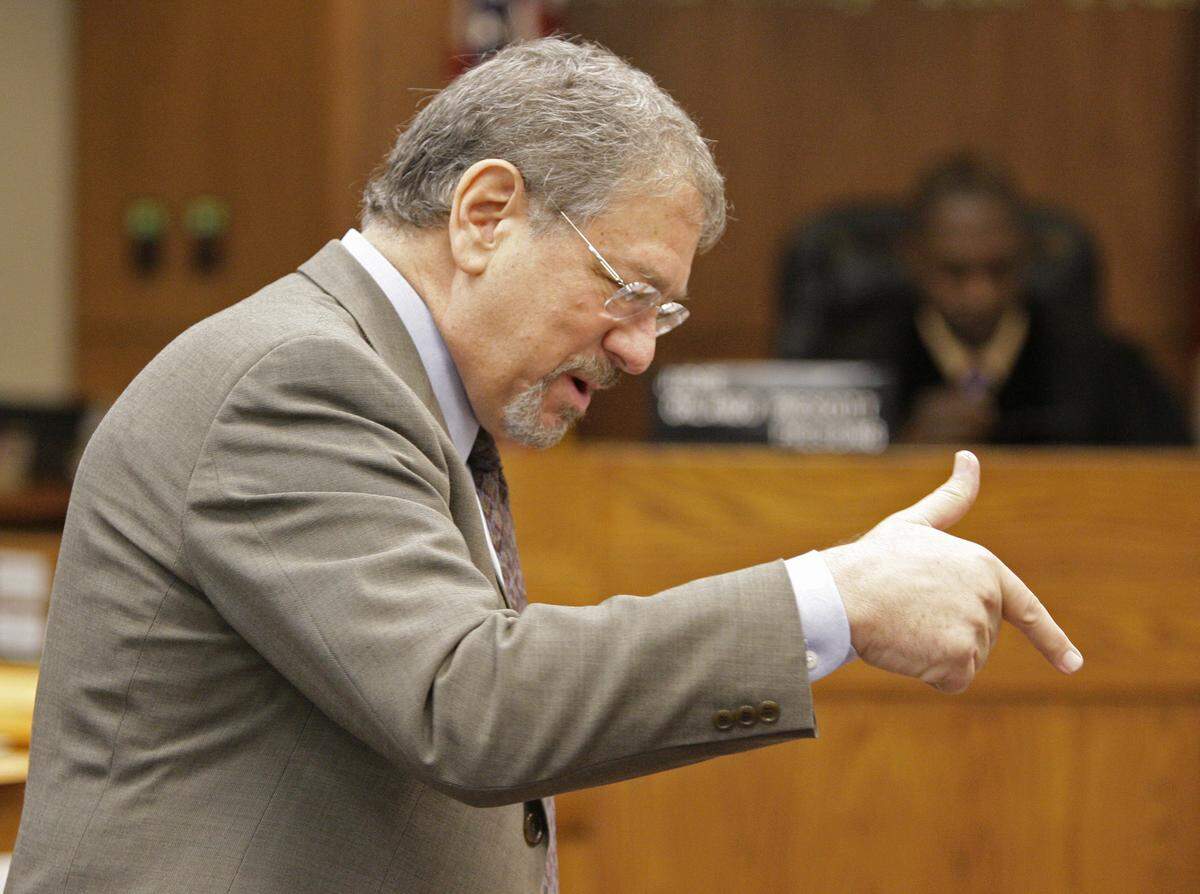
Smith’s re-sentencing, contentious from the start, has exposed state prosecutors to withering criticism from defense attorneys and some ethics experts. In March, lead state prosecutor Michael Von Zamft and co-counsel Stephen Mitchell were removed from the case by Wolfson.
The judge was incensed after learning in jailhouse phone calls between Von Zamft and a state’s witness, of an apparent attempt to use a snitch in the jail to shore up stories between potential witnesses. Defense attorneys have also constantly accused state prosecutors of hiding or not passing along evidence in a timely manner.
The revelations unraveled other murder convictions that were tied to the same jailhouse informant. In July, the State Attorney’s Office agreed to vacate the murder conviction and life sentence of Taji Pearson, and he’ll be released next summer. The lawyer for Jimmy Washington, also convicted on the testimony of the jailhouse informant, is seeking to have his conviction and sentence thrown out as well. Both were involved in the 2010 murder of a 15-year-old, Sabrina O’Neil.
And, the case has also proven to be a major embarrassment to the person who perhaps benefited the most from Smith’s 2005 conviction: 3rd District Court of Appeal Judge Bronwyn Miller. Judge Miller, the lead prosecutor in the Smith case, would later receive appointments at the circuit court and the 3rd DCA.
Earlier this year, Miller testified at Smith’s re-sentencing, saying during the original trial she spoke to witnesses daily at either Miami Police headquarters or in a jury room. And when she learned some of them were being fed and given cigarettes, she told the court, Miller wrote a memo about it.
But what has come into question about her testimony are a series of texts between the appellate judge and Miami-Dade State Attorney Katherine Fernandez Rundle. In several of the texts, Miller seems to be pressuring the state attorney about how to handle the case against Smith.
She denigrates defense attorneys and urges Fernandez Rundle to try and remove Wolfson from the case after Von Zamft was dismissed.
She also told the state attorney that the recent hiring of a Daytona Beach public defender to train prosecutors was a mistake that could end up having her removed from her elected post. The defense attorney resigned in August, two months into the job, after the Herald reported he had recently published a sex novel rife with sexual violence and misogyny.
“They play by different rules,” Miller texted. “No defense attorney should be training [assistant state attorneys]. It should be someone who knows that prosecutors are held to higher ethics.”
And in another text, the appellate judge told Fernandez Rundle that appointing Von Zamft to the case was also in error.
This story was originally published November 11, 2024 at 12:45 PM.