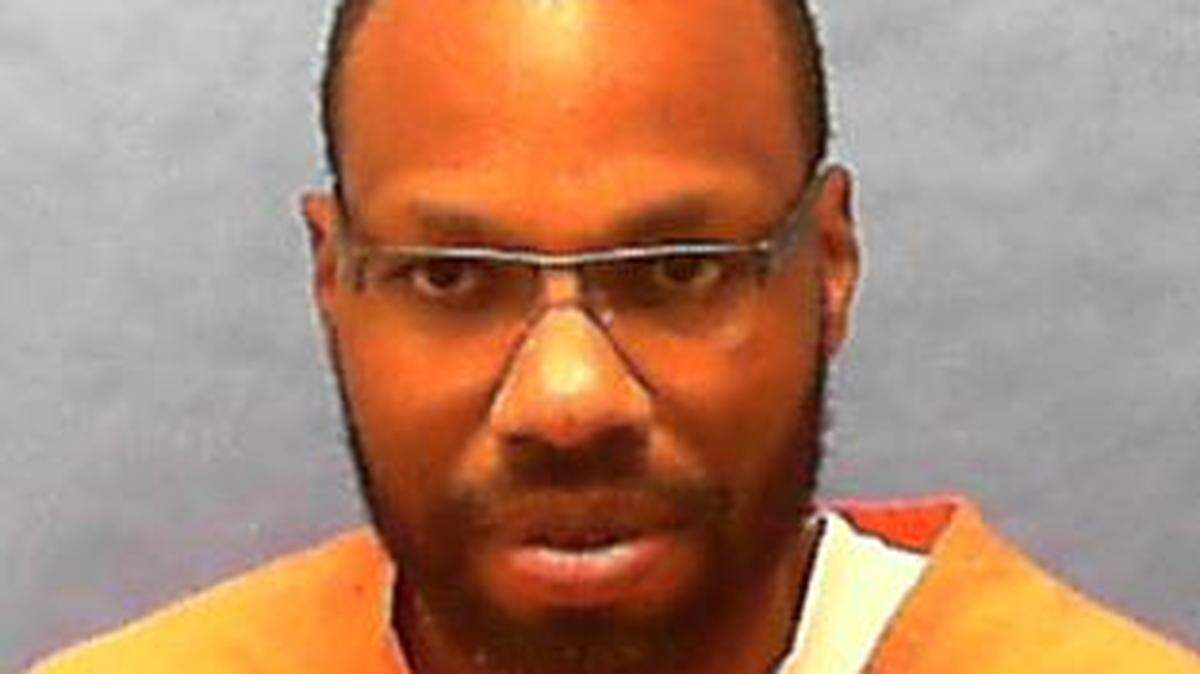
They wanted justice for their murdered sons. Miami prosecutors befriended the killer.
READ MORE
Deal with the Devil
A Miami Herald investigation into how a mass shooter became Miami prosecutors’ informant
Expand All
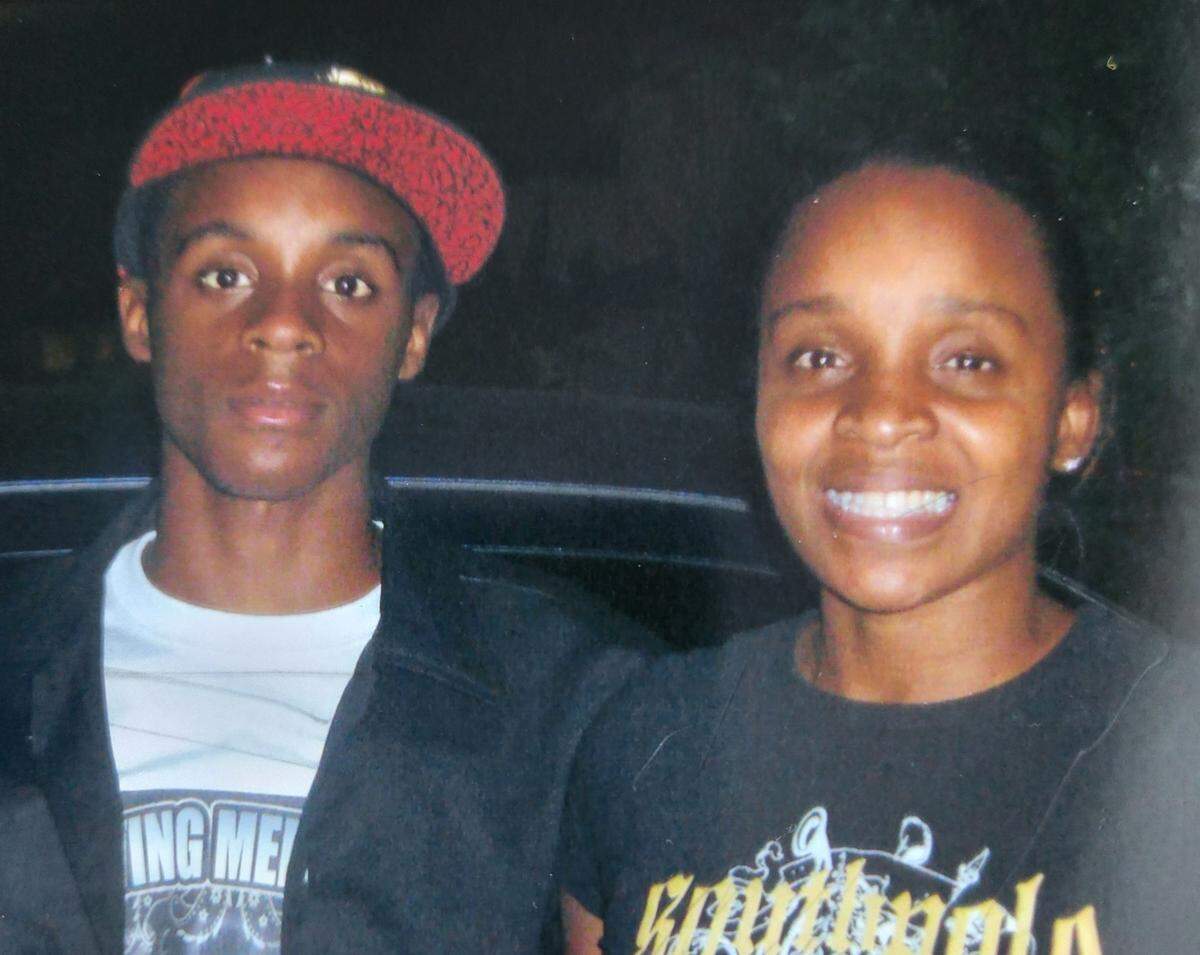
Derrick was the firstborn, the only boy in a family of seven girls. Brandon was the baby in a large family. The teenagers died in a spray of gunfire, one toppled over the other, on a sidewalk next to an ice machine in Liberty City.
The 2009 shooting, which turned a dice game into a crime scene, was at the time one of the worst mass shootings in Miami’s history — jarring a city suddenly under siege by gang members wielding assault rifles.
After a flurry of rallies and vigils, though, the case went dark, leaving the families wondering.
Now, nearly 16 years later, the teenagers’ murders are receiving new attention, following reporting by the Miami Herald about a killer’s confession, a quiet plea deal and questionable conduct by the office of Miami-Dade State Attorney Katherine Fernandez Rundle. Prosecutors turned one of the two triggermen into a jailhouse asset and gave him special treatment, even as he continued to commit violence.
The parents of Derrick Lamont Gloster Jr., 18, and Brandon Rashad Mills, 16, were outraged to learn from the Herald that Miami-Dade prosecutors had allowed William Henry “Little Bill” Brown to get away with their sons’ murders as part of a plea deal in which he received 25 years for two different murders and no time at all for the other killings to which he confessed. Based on his admissions, Brown was involved in the shootings of 15 people — six of them fatal.
EXCLUSIVE: Miami-Dade prosecutors’ ‘deal with the devil’ threatens to topple murder convictions
In exchange for the deal, Brown testified against co-defendants and cooperated as an informant within the Miami-Dade jail, a problematic arrangement that has undermined three murder cases and sparked concerns about accountability and transparency within the Miami-Dade State Attorney’s Office.
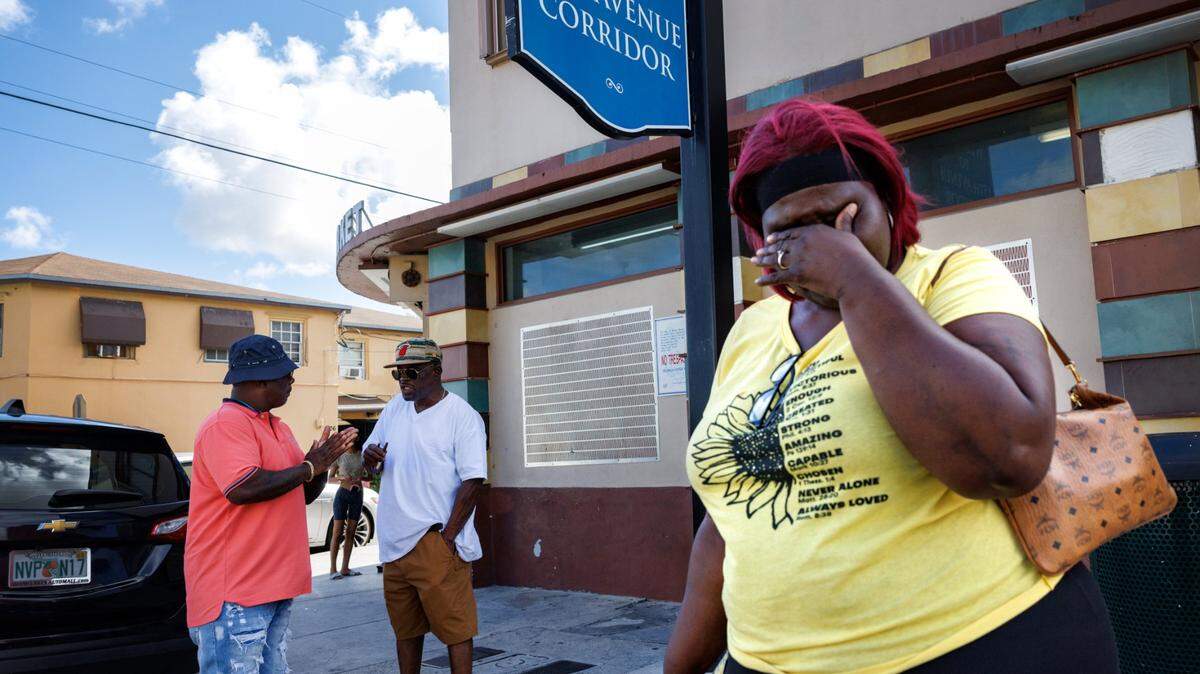
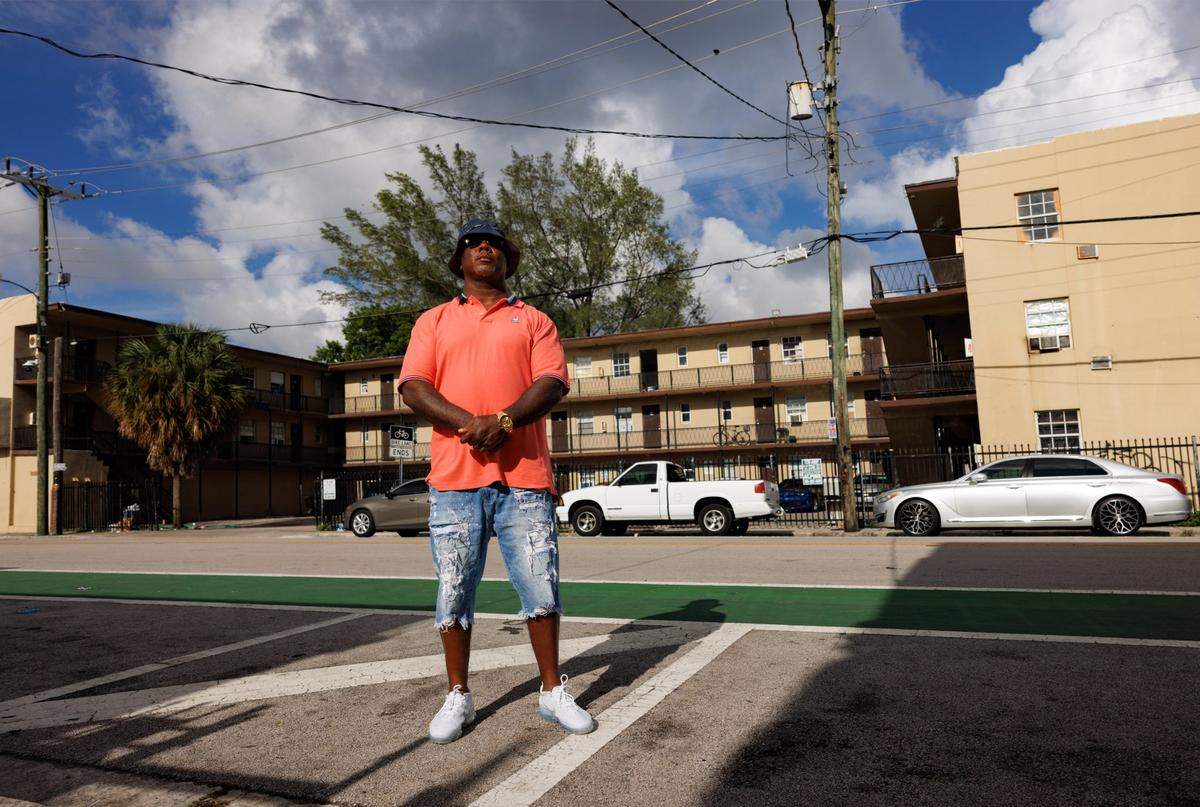
“It cuts so deep,” Derrick Gloster Sr. said in a recent interview, standing near the spot where his son was shot.
In recent months, following inquiries from the Herald, the Liberty City homicide investigation has been reactivated by Miami police — a move that both gives the families hope and allows authorities to keep the case’s long-held secrets private.
Brandon’s mother, Lasonja Mills Vandyke, said she isn’t sure whether to be glad the case is getting new attention, or angry because it means Miami police won’t release the eight-box case file to the Herald or the families.
“We’re gonna give them the benefit of the doubt for a little bit,” she said. “We’re gonna give them a minute.”
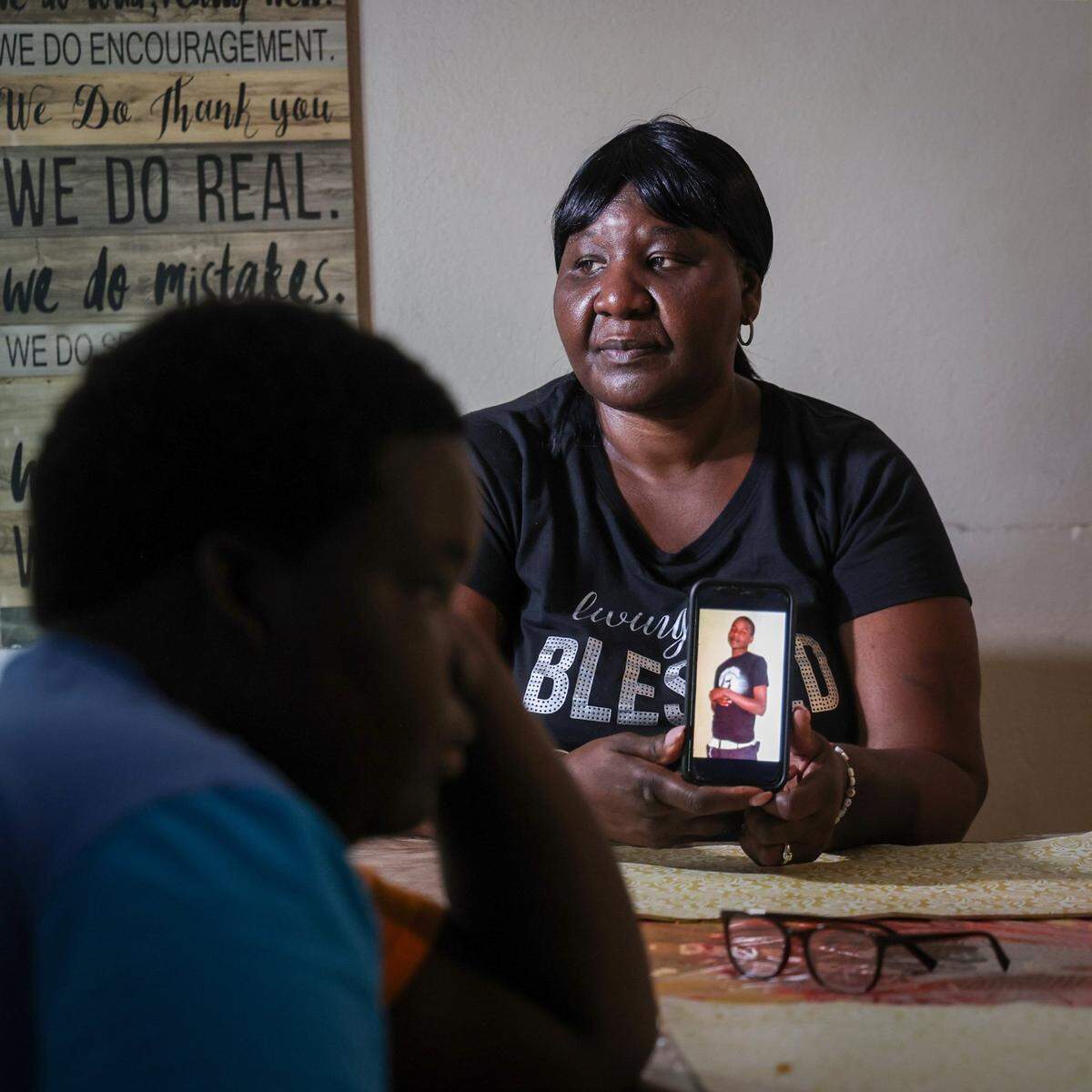
Prosecutors’ admiration and favors for Brown, an Opa-locka gang leader, hurt the families of his victims and reinforced their impressions of lopsided justice in Miami-Dade. The parents of the slain teens say the office showed more respect for the killer, even though he’d lied to authorities, failed a polygraph and attempted to attack another inmate who’d learned about his confession in the 2009 shooting.
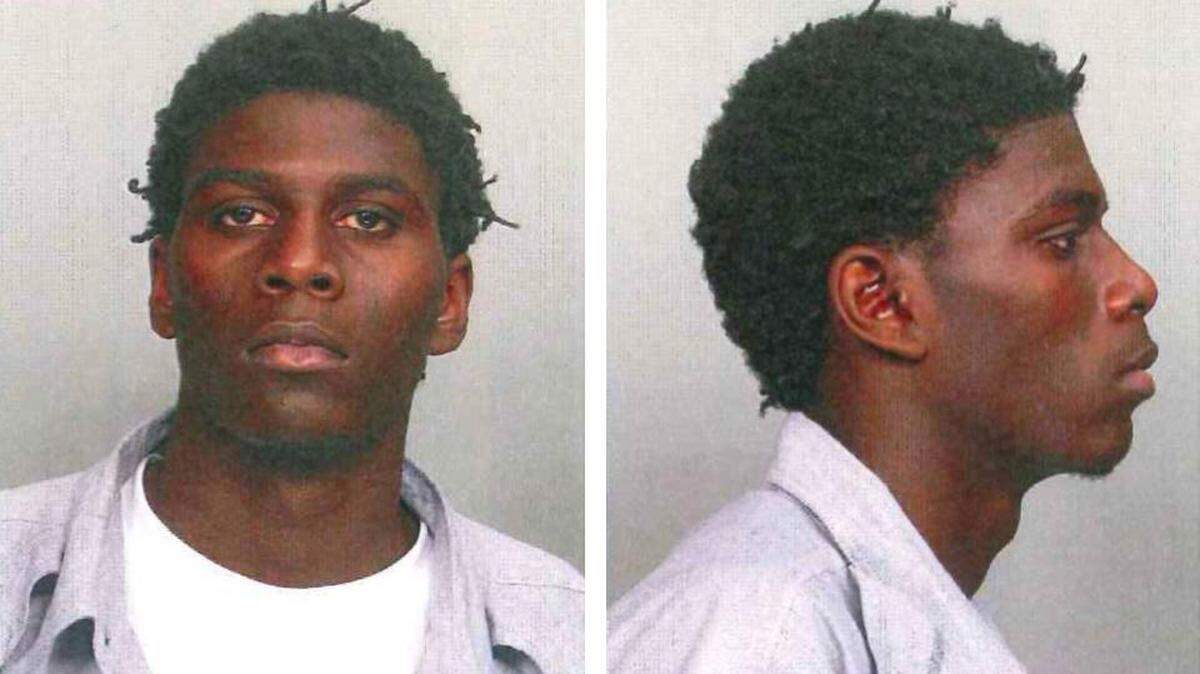
Brown, now 34, was kept in the county jail for more than a decade, turning over information on other inmates and crimes while pursuing a potential sentence reduction. He was moved to prison this year after the Herald reported on concerns about the legality of his arrangement with the State Attorney’s Office.
“I feel disappointment,” said Derrick’s mother, Tangela Johnson. “I’m destroyed how they could make this deal with him knowing that he killed these individuals that had loving families.”
In a letter earlier this year, they asked Fernandez Rundle for answers.
“I’m desperately seeking an explanation,” wrote Vandyke.
The State Attorney’s Office did not respond to questions for this article. Fernandez Rundle’s office invited the families to a meeting in October. The answers they received there left them unsatisfied.
‘So many bodies’
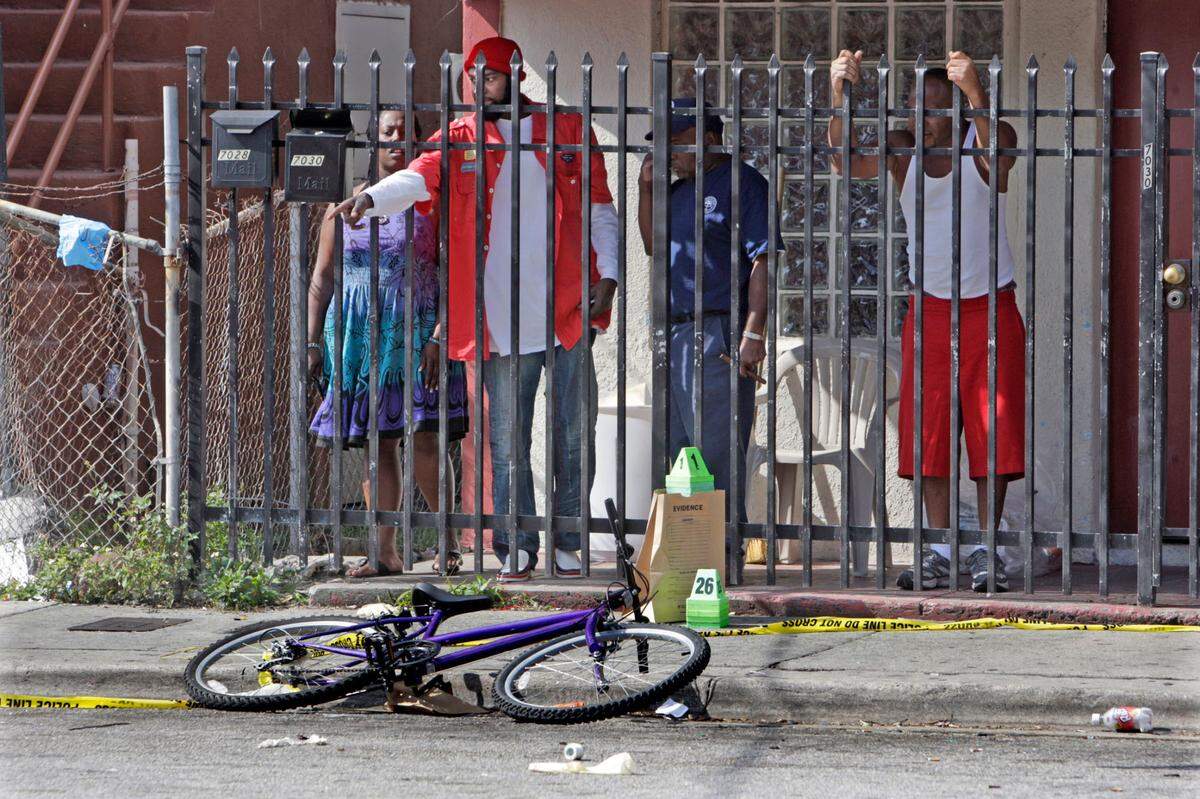
The violence of Jan. 23, 2009, still haunts the broken families of the dead and the survivors.
Debra Roberson was among the nine people shot that night outside Brewtons Market at Northwest 70th Street and 15th Avenue in Liberty City. She says she saw masked shooters come around the corner of the building on foot and open fire. One had an AK-47.
“The two that got hit [near] me, one was dead on scene,” she said of Derrick, “and the other one’s face was damn near ripped off, and he was crying for his mom, and that’s the one I see all the time. I can’t get the picture outta my head. He was crying for his mom.”
Witnesses said Brandon was clutching a bloody wad of money, and trying to speak. Derrick, or “Termite,” as he was known, was silent, already gone.
Derrick and Brandon were not involved in gang warfare. They were unintended targets, Brown, the state attorney’s informant and one of the shooters that day, said in a deposition. He didn’t know them, and didn’t have anything against them, he said, describing the dice-game shooting as a retaliatory strike by his friend Robert “Nick” Carter against Debra Roberson’s nephew, Earl, who’d robbed him.
Brown had readily joined Carter like a person might agree to go along on a food run.
“He’s like, ’Boy, you coming with me out there? Come with me out there,’ ” Brown recounted later. Brown said he was armed with an AK-47 and Carter was carrying a 12-gauge shotgun.
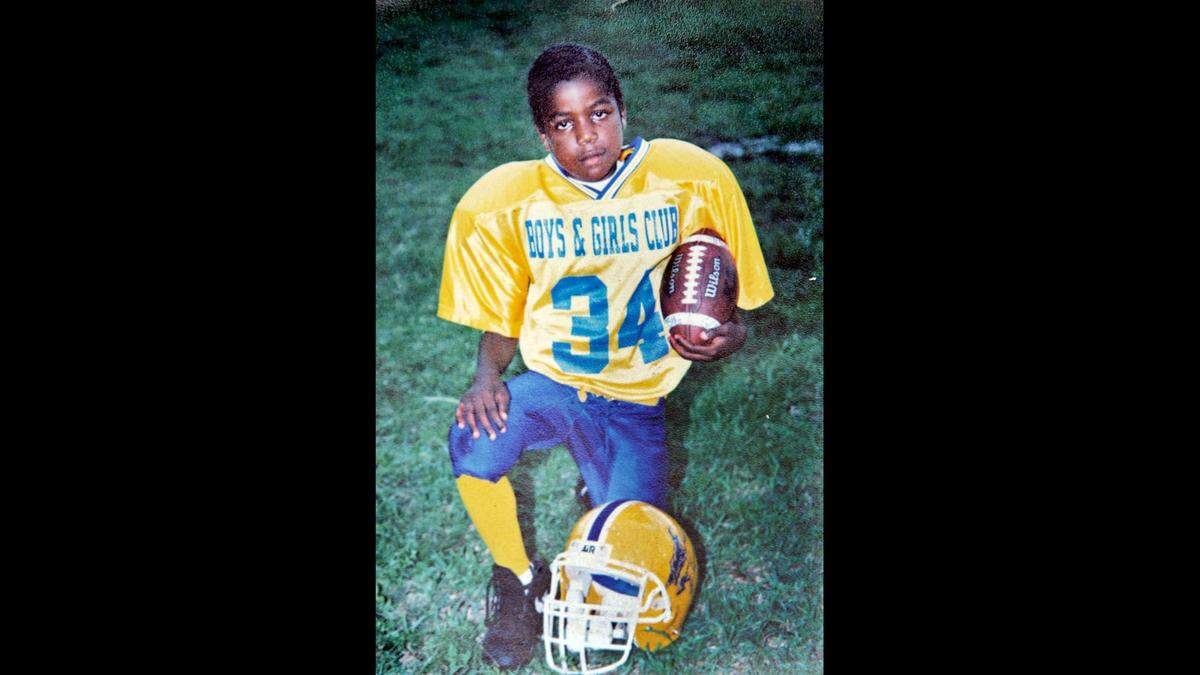
Brandon was a 10th-grader at Miami Northwestern Senior High. Derrick was working on getting his high school diploma and wanted to be a corrections officer. He was eating chips and drinking soda, watching the dice game.
“They weren’t ruthless. They were not a menace to society. They were none of that,” Derrick’s mother said.
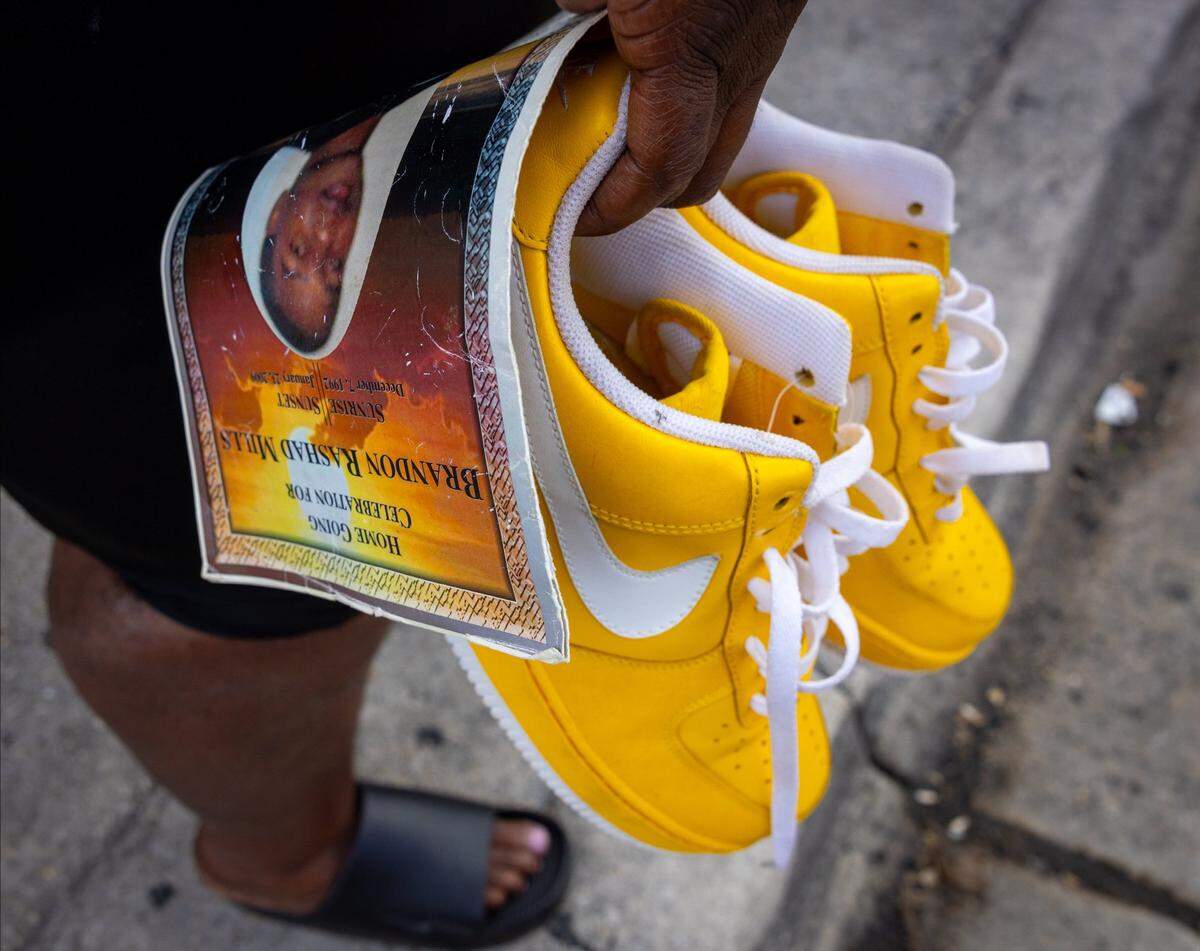
Brandon’s mother remembered rushing to the corner that night and scanning the scene. Her eyes caught them — her son’s yellow Nike Air Force 1s. Her son was laid out on the sidewalk, with Derrick strewn across his legs. Brandon was still alive. An ambulance waited at the end of the block for police to declare the scene safe.
“I see Brandon’s chest moving, and I’m like, ‘Why y’all ain’t helping us?!” Vandyke said.
Distraught, she tried to drag her son to her car to rush him to a hospital, but police stopped her. Seeing that, she said, her older son “went crazy. It took like nine polices to restrain him,” she recalled.
The spiraling bullet had destroyed Brandon’s face.
“My child looked like a monster,” Vandyke said.
She stayed on 15th Avenue all night, dazed.
“The bodies laid out there on the ground until like 5 in the morning,” she said.
Brandon’s father, Clyde Mills, “was wrecked,” Vandyke said. He fell to the street. But she remained stoic, fearful that if her children saw how broken she was, they’d be pulled into street violence. Only later would she sink to her knees in private, grieving. Their 26-year marriage fell apart.
“I’ve been through a lot,” Vandyke said. “I’ve always been a strong woman, but from that tragedy, it really broke me down.”
Derrick’s mother lived farther south, in Homestead. Her son’s girlfriend called her to the scene, but what she saw and heard there was too painful to retain.
“I just remember getting there and seeing all these people, and I can’t tell you nothing else,” she said. “I can’t tell you who identified his body. I don’t know. I can’t tell you if the police even talked to me. I don’t know.”
In federal prison on drug charges, Derrick Gloster Sr.‘s inbox filled with emails to call home. Something terrible happened to “little Derrick,” his mother told him when he called.
“I just lost it. I dropped the phone. I was heartbroken,” he said. “It was real rough.”
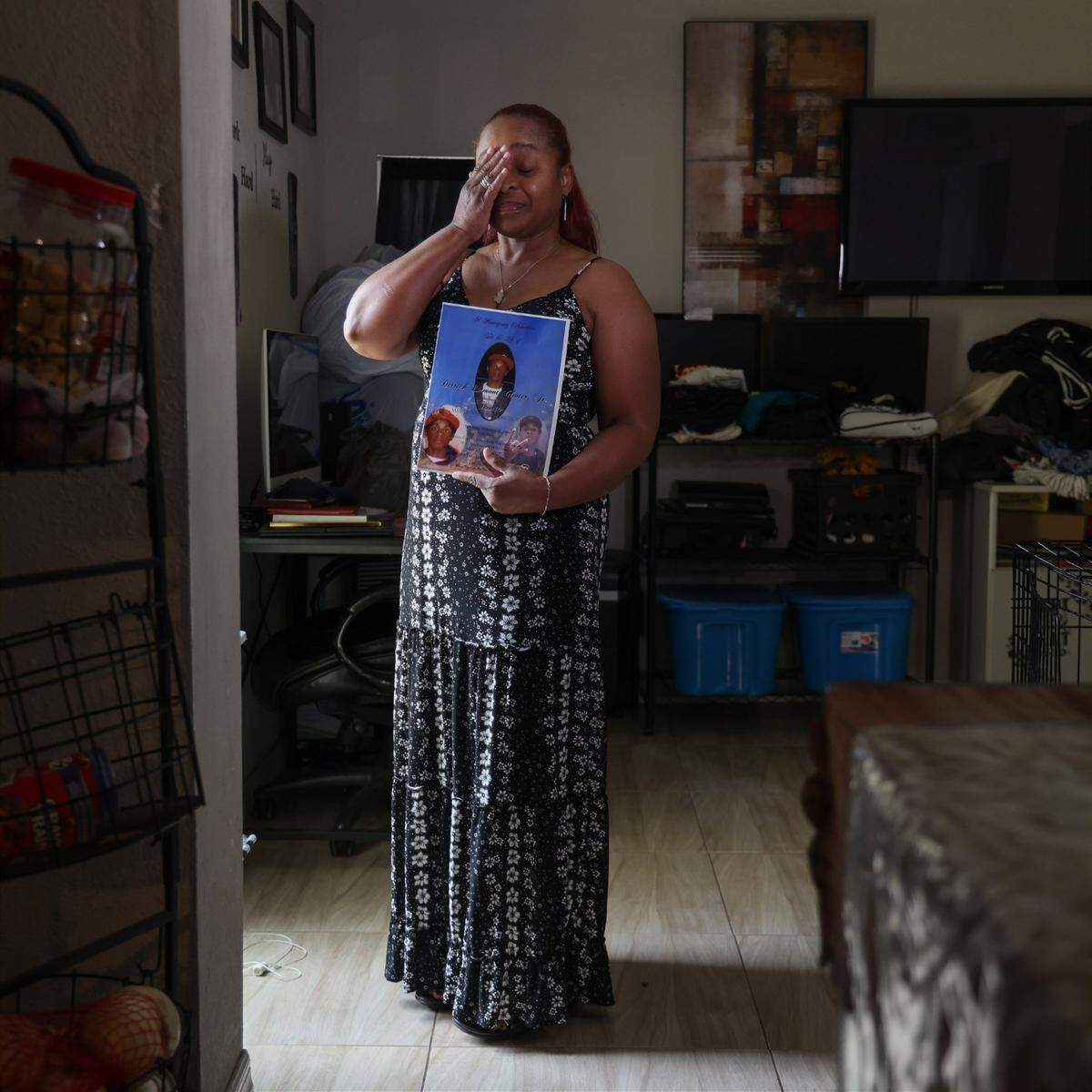
Gloster knew 15th Avenue well, and had told his son to stay away.
“I used to tell him, don’t be up here. I used to tell him all the time. This street got so many bodies on it. I’m talking about so many deaths.”
He requested permission to attend his son’s funeral, but the warden didn’t allow it.
“I couldn’t blame nobody but myself,” he said, “but it was heartbreaking.”
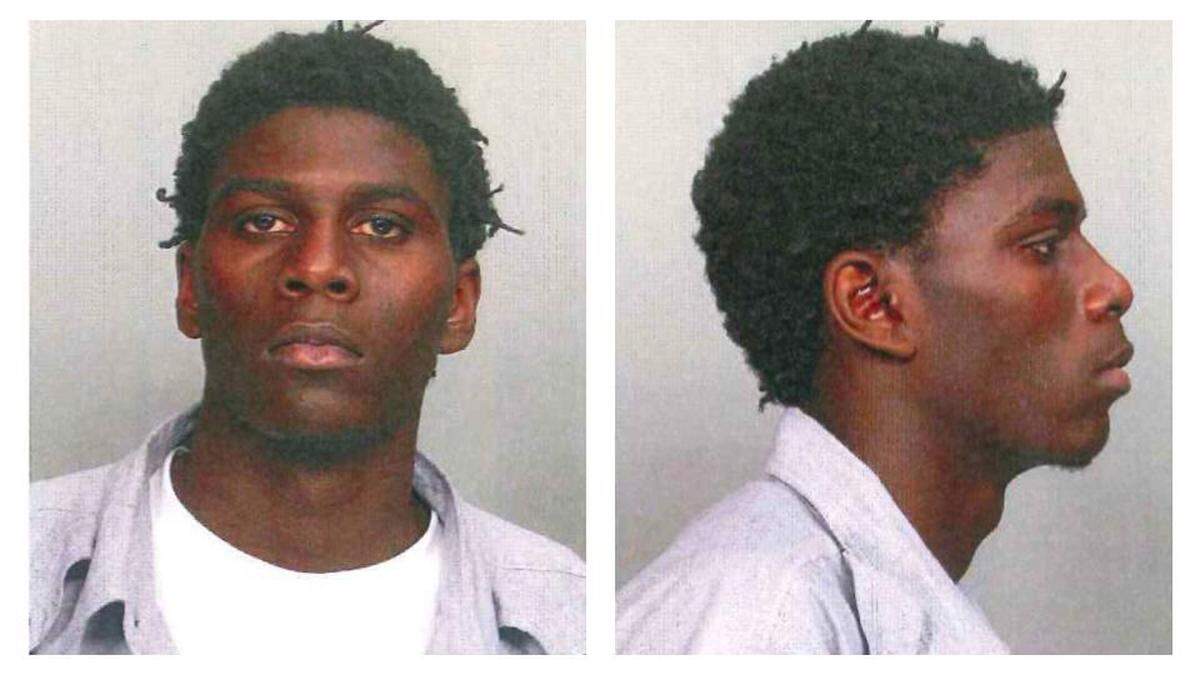
The man who would become the state attorney’s star informant — “Little Bill” — surfaced immediately as the culprit.
Brown acknowledged in a 2019 deposition that Earl Roberson, the intended target of the shooting, told people who visited him in the hospital that he’d been shot by “Little Bill.”
“When I came home from prison,” Gloster Sr. said, “I was fresh out and everybody told me that was up there that night, I had people coming up and telling me Little Bill done it. ‘Kill Bill’ did it.”
Deal of a lifetime
Brown kept killing.
On Jan. 5, 2010, a year after the Liberty City shooting, Brown murdered a 19-year-old named Bernard “Bear” Moore, standing over him and shooting at least five times. He shot Moore’s friend in the back as he ran for his life. The friend lived and identified Brown, and Moore’s family wanted Brown executed.
Three weeks later, while sitting in jail awaiting trial for that murder, Brown ordered a killing that went terribly wrong.
As leader of the A&Es, or American Eagle gang (their favored clothing brand), Brown wanted his fellow gang members to take down rivals in the Str8 Drop gang. Instead, early on a Sunday evening, Jan. 24, 2010, his friends accidentally shot 15-year-old Sabrina O’Neil in the head. She’d been sitting under a tree listening to her iPod.
.jpeg "Sabrina_fitted (1).jpeg")
Now charged with both of those murders, Brown bared his violent soul to law enforcement and prosecutor Michael Von Zamft, admitting to his involvement in at least six murders and nine attempted murders, plus drug and gun crimes, in hopes of winning a way out of a life sentence or death penalty.
With the promise his confessions couldn’t be used against him, Brown admitted he killed a man in 2007 named Richard Jolly even though someone else was arrested for it. He admitted being involved in the November 2009 fatal shooting of a man named Dez or “Derrick something” — he wasn’t sure of the name — and shooting and wounding a man whose street name was “Pooh.” He admitted killing Derrick and Brandon and wounding seven others outside Brewtons Market, acknowledging that he was a suspect “but nobody could say or pinpoint that I did it.”
RELATED CONTENT: State no longer seeking death penalty in trial of convicted gang leader and murderer
“I put everything out there ‘cause I didn’t want to have nothing to come back and I lose my situation,” Brown explained in a deposition in another case in August 2014.
He was promised no one would find out.
“Von Zamft [and] them gave me their word that what I say in here with them is going to only be in here with them,” Brown said in a deposition later.
Before the deal was finalized, in 2013, Brown attempted to attack another inmate. All the cell doors in the maximum security wing at the main Miami-Dade jail, Turner Guilford Knight Correctional Center, mysteriously opened, and Brown went after Kenneth “Screw” Williams with a makeshift knife. To avoid being stabbed, Williams leapt over a railing and broke a vertebrae and ankle.
Brown said Williams was friendly with Brandon’s family and had threatened to avenge his murder. He’d learned of Brown’s confession to the Liberty City mass shooting, Brown said, when a detective told Brandon’s mother.
Vandyke, Brandon’s mother, confirmed she was told a plea deal was in the works for Brown, but never that it included immunity for her son’s murder.
Brown was charged in the attempted jail assault. But Von Zamft dropped the new charges against Brown and kept working towards a deal.
READ MORE: Prosecutors’ missteps lead to tossed life sentence for Miami man in 8th-grader’s murder
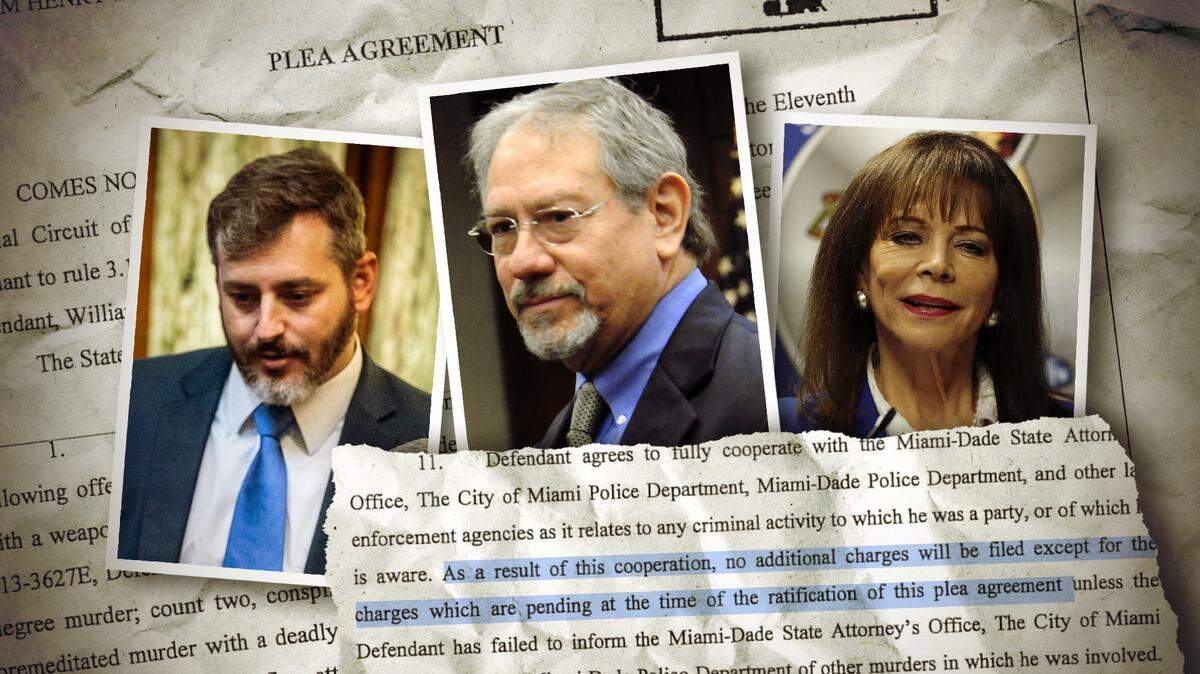
The 25-year plea deal is written in a way that prevents a reader from knowing who Brown killed and whose murders were being written off by the State Attorney’s Office. It simply references dates when he gave hours of confessions, the transcripts or recordings of which have never been publicly released.
Brown was required to admit guilt for Sabrina’s murder and testify against his co-defendants, and to plead no contest to killing Moore.
His plea deal spells out that “no additional charges will be filed” for the other murders he admitted to. If he violates “any of the terms” of the agreement, he is to be sentenced to life in prison for killing Moore, and 30 years in prison for his role in Sabrina’s death.
Then the plea deal was locked under court seal, records show, and Brown began his work as an informant in the county jail. Experts said the arrangement was improper and possibly a violation of other inmates’ constitutional rights, the Herald reported earlier this year.
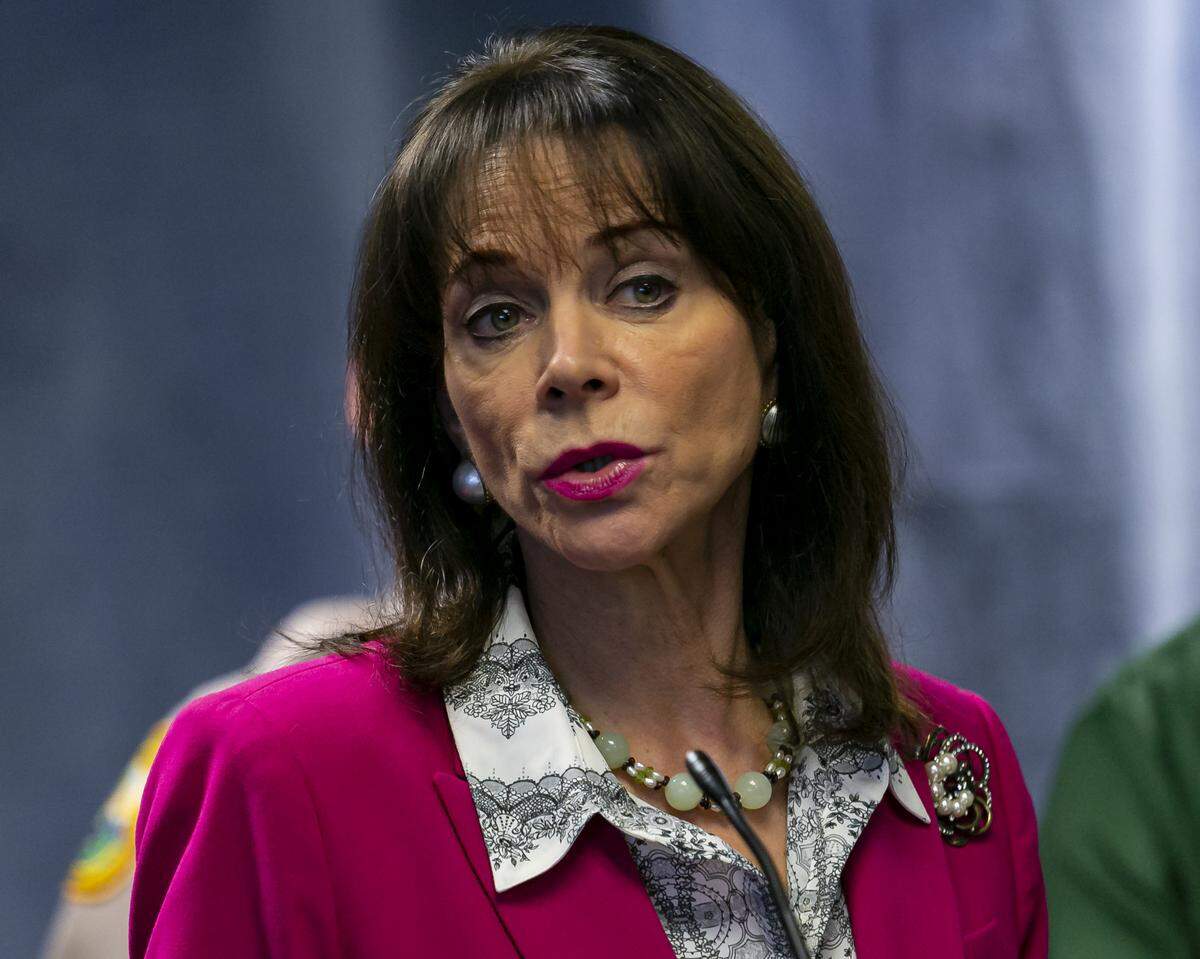
The families told the Herald that when they met with top chief Jose Arrojo at the State Attorney’s Office in October, he told them the plea deal was an aberration — vague and written in a way that was “skewed towards” Brown.
The agreement didn’t contain a “hammer clause,” Arrojo later told the Herald. Such a clause makes clear what constitutes a violation of the agreement, and what the consequences would be.
The parents said Arrojo told them that Fernandez Rundle’s office had embraced victims’ rights well before they were ensconced in the law. So he couldn’t explain why family members weren’t consulted before the deal was final.
The purpose of Brown’s plea deal was to obtain justice for Sabrina’s senseless murder. But those convictions are now unraveling.
‘They love him’
Brown never had a job in his life, and didn’t make it through high school. By the time he was 19, he was locked up, with a trail of crimes behind him. But at the Miami-Dade State Attorney’s Office, he is considered remarkable.
An administrator of street justice, Brown said in a 2014 deposition: “Where we came from, if you shoot me, I’m going to shoot you back.”
A State Attorney’s Office death penalty evaluation said police deemed him “very dangerous.” A homicide counselor in the prosecutors’ office called him in an internal email “a thug who is proud of being one of his gang’s designated killers.” An attorney in a deposition called him “a leader of a gang of violence.”
But his willingness to partner with prosecutors won him friends in the right places.
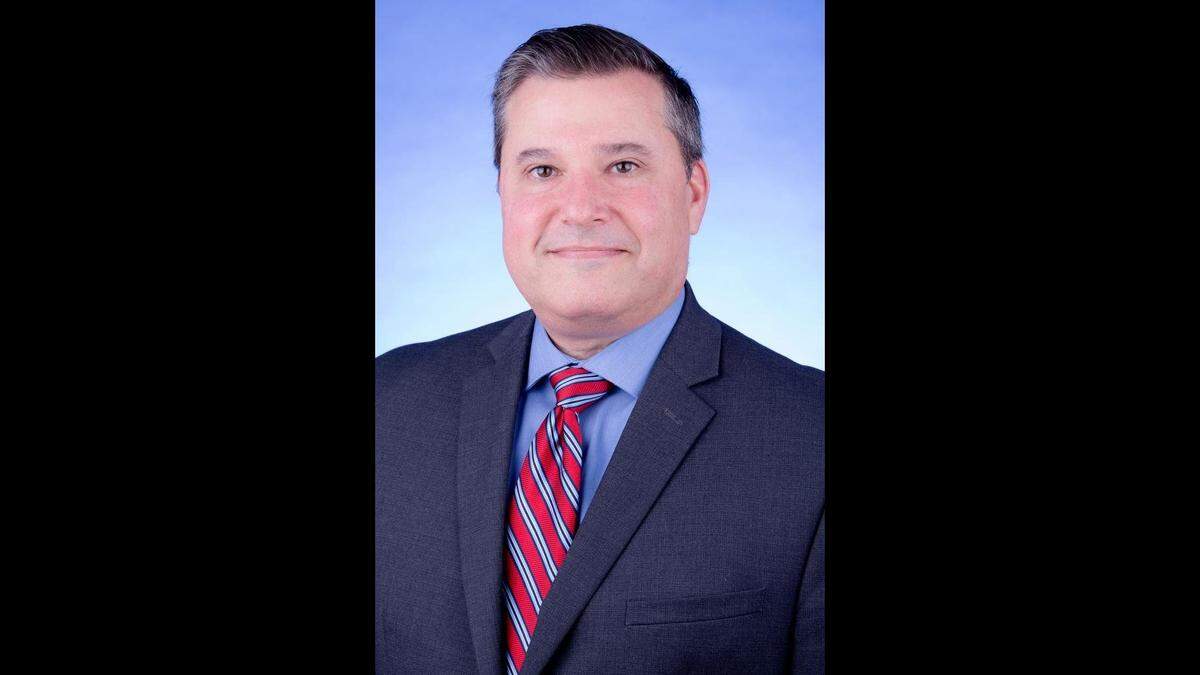
Gloster Sr. said that in the October meeting at the Miami-Dade State Attorney’s Office, Arrojo, a top chief to Fernandez Rundle, told the victims’ family members how “unique” and “valuable” Brown was, because he’d provided information on so many crimes and was good at testifying. Arrojo was Von Zamft’s boss at the time of the plea deal.
The State Attorney’s Office earlier this year even attempted to stop the Herald from reporting that it had given Brown full immunity for the Liberty City shooting, telling Herald reporters they were “100% wrong.”
Later, after continued pressing by the Herald, the office conceded it was true.
In recent years, police paid rent for Brown’s mother, setting up a witness protection program lease for her, records show.
Pain streaked across the faces of Vandyke and Gloster Sr. recently as they talked about “Little Bill” being praised by prosecutors as “so f---ing smart.”
“That’s why we love you, Bill,” Von Zamft said to Brown in a recorded jailhouse call.
Gloster said at the meeting in October, he got the feeling prosecutors are still enamored with Brown.
“They love Bill,” he said. “They love him.”
He said he made sure to tell them, “The mother f---er’s evil.”
Keeping Bill safe
One evening about a year after the shooting, Derrick’s mother pulled out a sheet of lined paper. “Lord, please bring closure,” she wrote. “... Lord, I forgive the individuals that took Derrick’s life. I pray for their sins. Lord, I turned this battle over to your hands. It’s too big for me to handle.”
Both teens’ parents hope their renewed efforts will lead to Brown’s prosecution, or to a longer stay behind bars.
“I never want him to get out,” Brandon’s mother said. “I feel like my life, my family’s life, my children, all our lives will be in danger.”
He is scheduled for release in about 10 years. But he cooperated with law enforcement in hopes he’d get out early, records show. His plea deal includes that possibility.
Brown was finally shipped off to prison from the county jail on July 12, shortly after the Herald revealed details of the Miami-Dade State Attorney’s deal with its informant.
Internal prosecutors’ office emails and text messages released to the Herald show that as top chiefs in Fernandez Rundle’s office discussed Brown’s fate, one suggested the office reach out to a state “big wig” to “assist in getting him placed in a safer place.”
“Can you please take the appropriate steps to insure the safety of Mr. Brown?” prosecutor Stephen Mitchell emailed a prison official.
In a letter to the parents’ attorney, Erian Stirrup White, Arrojo said the state “has not previously nor is it contemplating” a request for Brown’s early release. But he couldn’t promise that would never happen.
Arrojo had kicked off the October meeting saying he’d tell the boys’ parents where Brown is.
Gloster said he waited patiently, not saying much, and near the end of the almost two-hour talk, he asked, “Where is Little Bill now?”
Arrojo told Gloster he’s in state prison, but the Florida Department of Corrections won’t say where.
His whereabouts can’t be revealed, a Florida Department of Corrections spokesman told the Herald, out of concern for his safety.
This story was originally published November 15, 2024 at 5:30 AM.