
Arrests in the Capitol riot: where Florida leads the nation
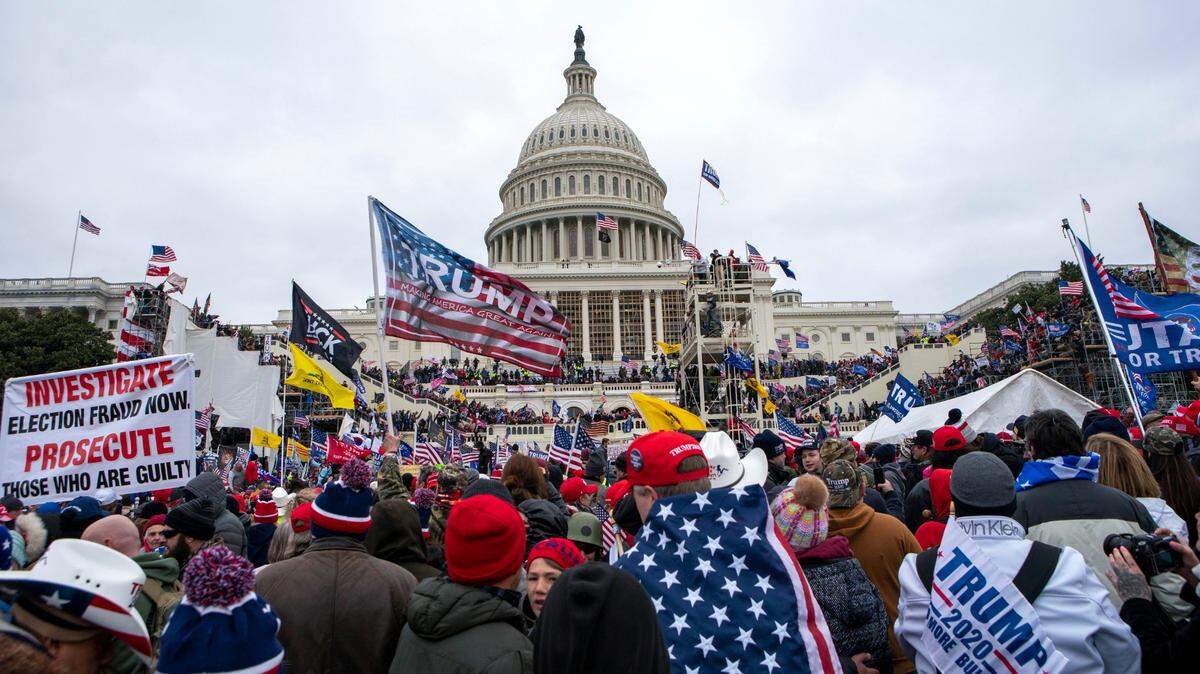
READ MORE
The Oath Keepers Among Us
Leaked emails, exclusive interviews and a major federal indictment shed new light on a Florida network of militia members.
Expand All
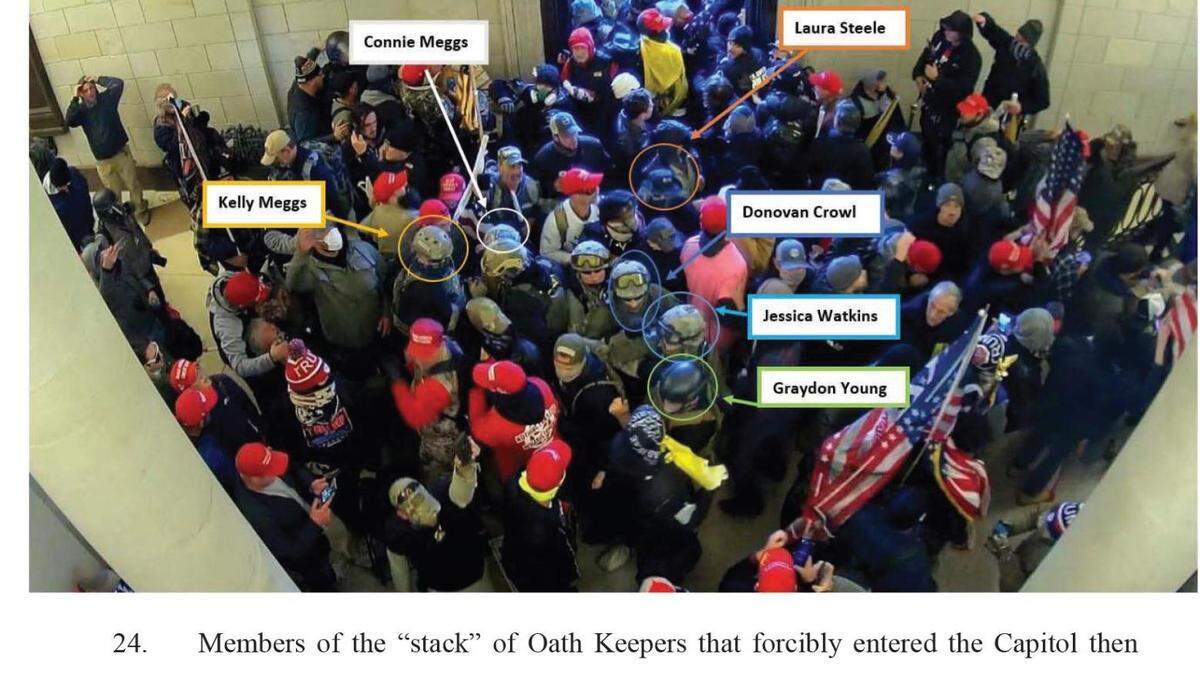
Florida’s militia movement grew for years before emerging at heart of Jan. 6 probe
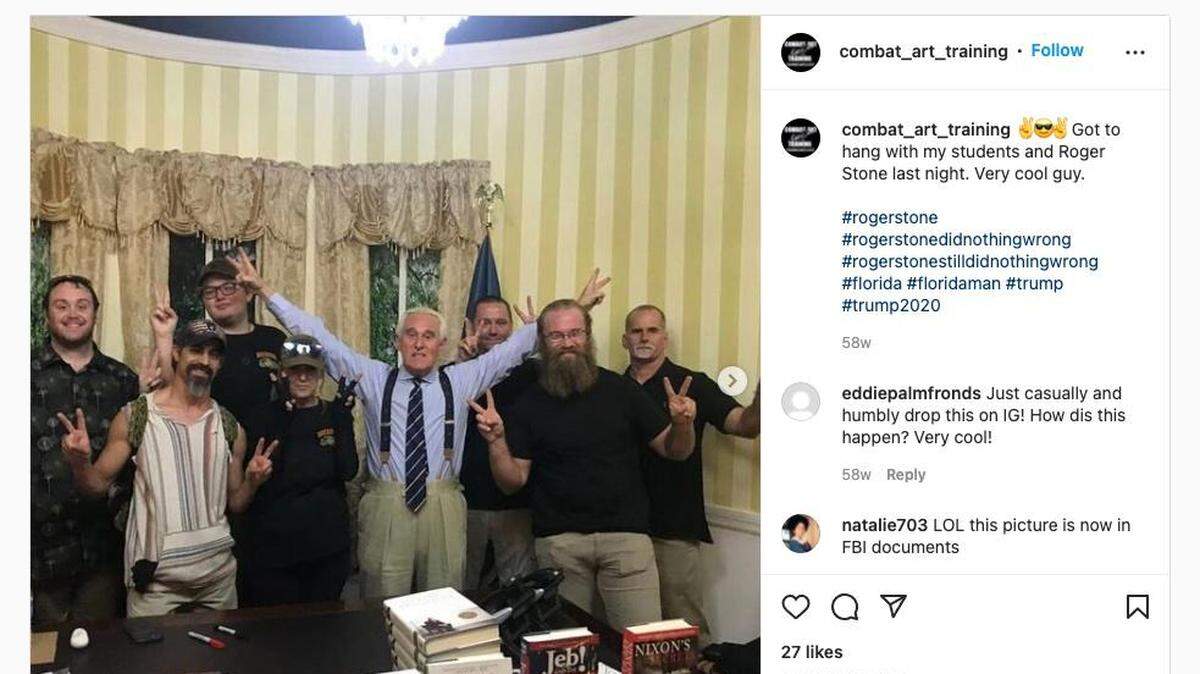
Far-right groups find that Florida provides fertile ground — and a national stage
Arrests in the Capitol riot: where Florida leads the nation
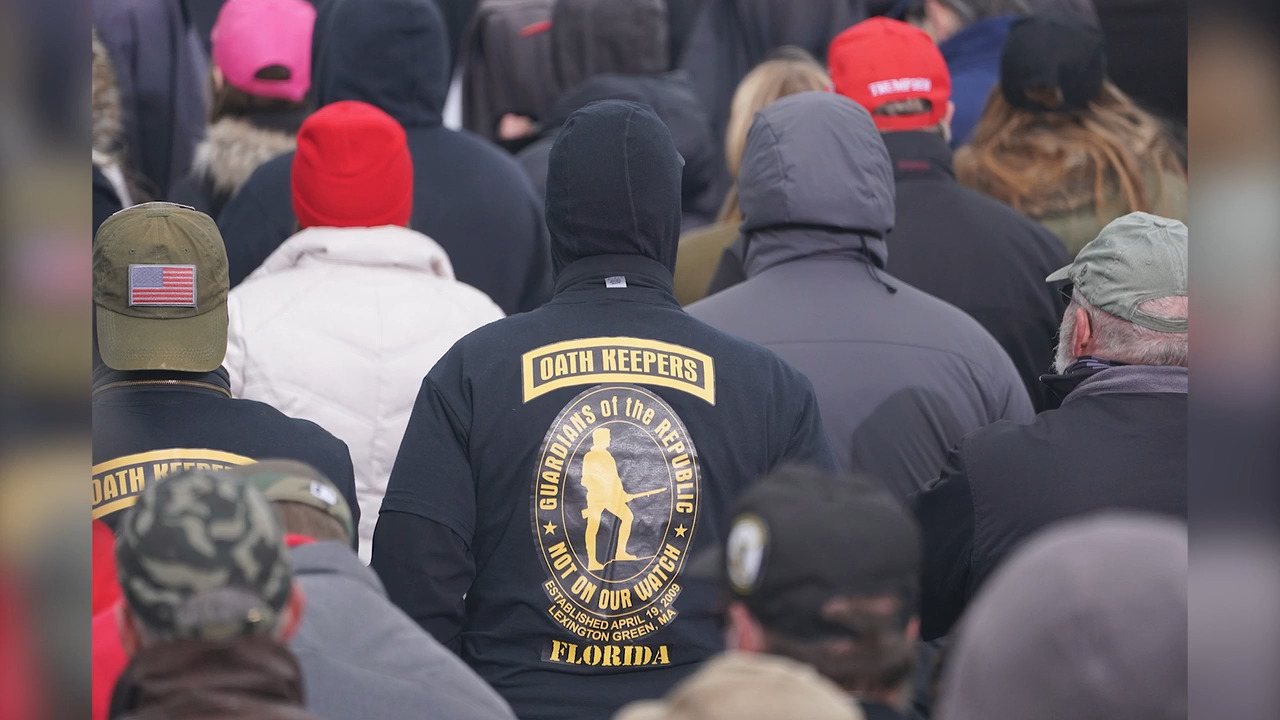
From Oath Keepers to Proud Boys to neo-Nazis: Florida fringe groups are asserting themselves
The final tally isn’t in. One of the largest federal investigations in history is still ongoing, and arrests continue to be made in connection to the Jan. 6, 2021, siege of the U.S. Capitol as suspects get identified from terabytes of photos and video footage from the attack.
But Florida is, at least for now, No. 1 when it comes to residents rounded up and charged in connection with the siege on Jan. 6, 2021.
As of today, the Justice Department has brought 733 cases forward in a sprawling probe involving all 56 FBI field offices across the country. Up until now, most of the charges have related to direct acts by individuals that day: mostly misdemeanor charges like parading, demonstrating or picketing in a Capitol building, but also felonies such as assaulting a police officer with a deadly weapon.
A Jan. 8, 2022, indictment of seditious conspiracy against 11 individuals was a turning point for Jan. 6 prosecutions, when the Justice Department indicated for the first time it would begin going after activities leading up to the assault itself.
The Justice Department maintains a public database of cases that have been made public, with supporting documents. But its data lists only the location of arrest for individuals, not necessarily the location of residence for the person charged, or where they traveled from in the days leading up to the insurrection.
In order to piece together a clearer picture of where they came from, academic institutions, nonprofit organizations, newsrooms like the Herald and some regular sleuths have taken that Justice Department data and run names down at the local level.
Jon Lewis, a research fellow at George Washington University’s Program on Extremism who helped gather together a comprehensive data set, said his team relied on a combination of court documents and local reporting to identify the state of residence of those charged.
“What has set Florida apart in the numbers are these significant mobilization patterns that we saw, by both Oath Keepers and Proud Boys, to the U.S. Capitol on Jan. 6,” Lewis said.
“When you look at the numbers from Jan. 6, you could certainly make an argument that these groups, these movements, were able to thrive at the local and state levels in Florida,” he said. “Whether it’s a permissive space for those groups is a difficult question.”
This story was originally published February 13, 2022 at 12:00 AM.