
‘We won’t stop looking.’ For families of Miami’s missing, hope persists, even decades later
READ MORE
‘We won’t stop looking’
For families of Miami’s legions of the lost, hope persists -- even decades later.
Expand All
‘We won’t stop looking.’ For families of Miami’s missing, hope persists, even decades later
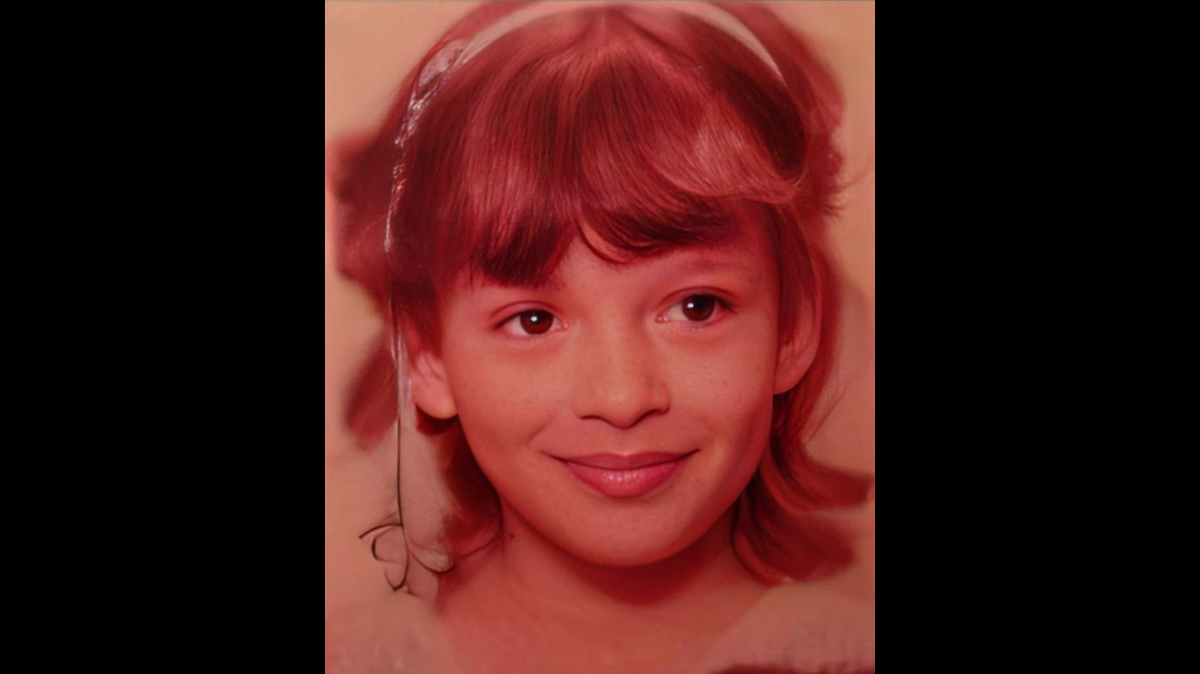
9-year-old Maribel vanished 40 years ago. Family and a Homestead detective still searching
Miami-Dade’s missing persons detectives crack most cases but some remain painful mysteries
‘Somebody has to know.’ In Miami, investigators work to identify hundreds of unidentified bodies
Want to search for missing persons, or help ID unidentified bodies? Here’s how you can help
Nobody is holding press conferences for baby Angela Dufrene. The toddler has been missing in Miami since 2016, presumed murdered, possibly by her own mother.
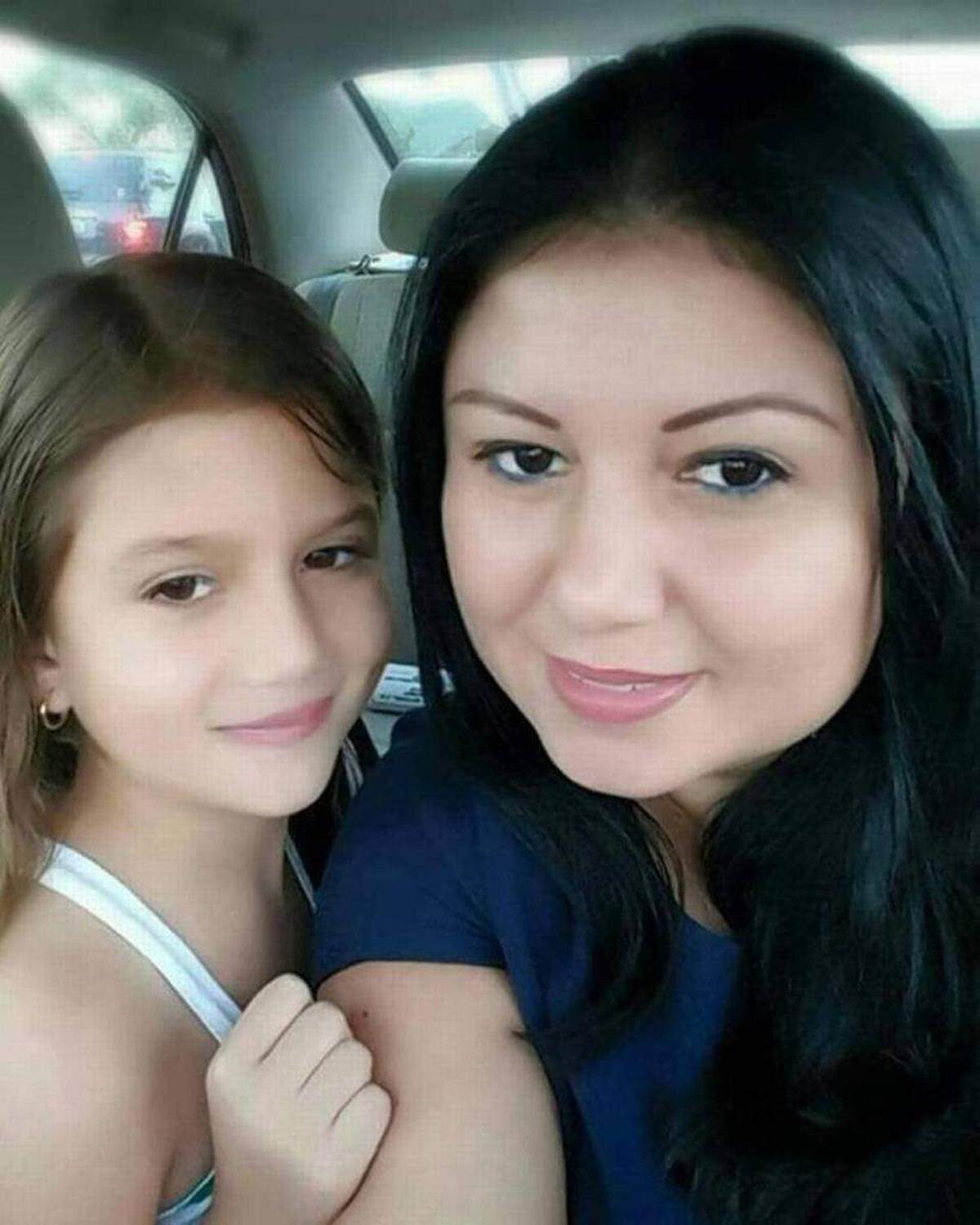
TikTokers aren’t creating viral videos about Lucely “Lily” Aramburo, the 23-year-old mother who vanished into the night, supposedly from her Kendall apartment over a decade ago.
Cable news isn’t going wall to wall on coverage of Juan Carlos Bruzón-Pérez, a 33-year-old former Cuban national team baseball player who vanished off a Hialeah street, leaving behind only his Hummer in a parking lot in May 2007.
They are just three of nearly 800 people stretching back decades who remain listed as missing in Miami-Dade County, cases that remain unsolved and largely forgotten in the public consciousness. The national saga of Gabby Petito drew around-the-clock TV coverage, intrigued online sleuths and fueled scrutiny over how police and media handle missing persons cases, particularly of people of color.
But Petito’s sensational case is really an anomaly. The vast majority of people who vanish get brief media attention at best or quickly fade from focus — at least aside from the investigators who look for them with little fanfare and the families and friends shattered by their disappearance. For many of them, the wounds remain forever raw.
For Aramburo’s mother, Lucely Zaldivar, the pain compounded because she is raising her daughter’s son. He was just an infant when his mother disappeared. Today, he is ✓15 years old, beset by behavioral outbursts and struggling to cope with the fact that his mother was likely murdered and yet has no tomb to visit.
One day, she hopes the truth about what happened to her daughter will emerge.
“She deserves it. Her son deserves it,” Zaldivar said. “If someone knows something, it can help alleviate the pain of her son.”
Shattered Lives
Most missing people aren’t children or housewives kidnapped off the streets. The overwhelming majority involve runaways, elderly people who have gotten lost, those suffering from mental illnesses or children involved in parental custody disputes.
A lot of people are reported missing — at least for a brief time. Miami-Dade police alone, for instance, typically handle between 40 and 60 cases a month. The vast majority of cases the public never hears about and are resolved pretty quickly, in hours, days or weeks. The missing persons unit says it solves about 96 percent of its cases, often with the help of social media.
“Digital footprint is a big deal,” said Miami-Dade Sgt. Carl Jeannot, of the missing persons unit.
But some mysteries linger far longer.
Once a person has been registered as missing for more than 30 days, it is officially designated a cold case, often entered into a database complied by the Florida Department of Law Enforcement, which maintains a historical and ever-changing list of over 3,300 cases. Some names have been on it for decades.
The database is by no means definitive. Police departments report missing persons on a volunteer basis. The list is not always updated, even if someone is found.
In all, Miami-Dade, Broward and Palm Beach counties account for 39 percent of all missing person cases in FDLE’s database.
Meanwhile, the government-run National Missing and Unidentified Persons System, or NAMUS, publishes its own public database — upon the request of law enforcement — a list that currently includes more than 1,500 cases from Florida. Most missing persons aren’t missing long enough for police agencies to report the cases to NAMUS. In most states, including Florida, it is voluntary for police departments to report cases to NAMUS, and there is no timetable for inputting the data.
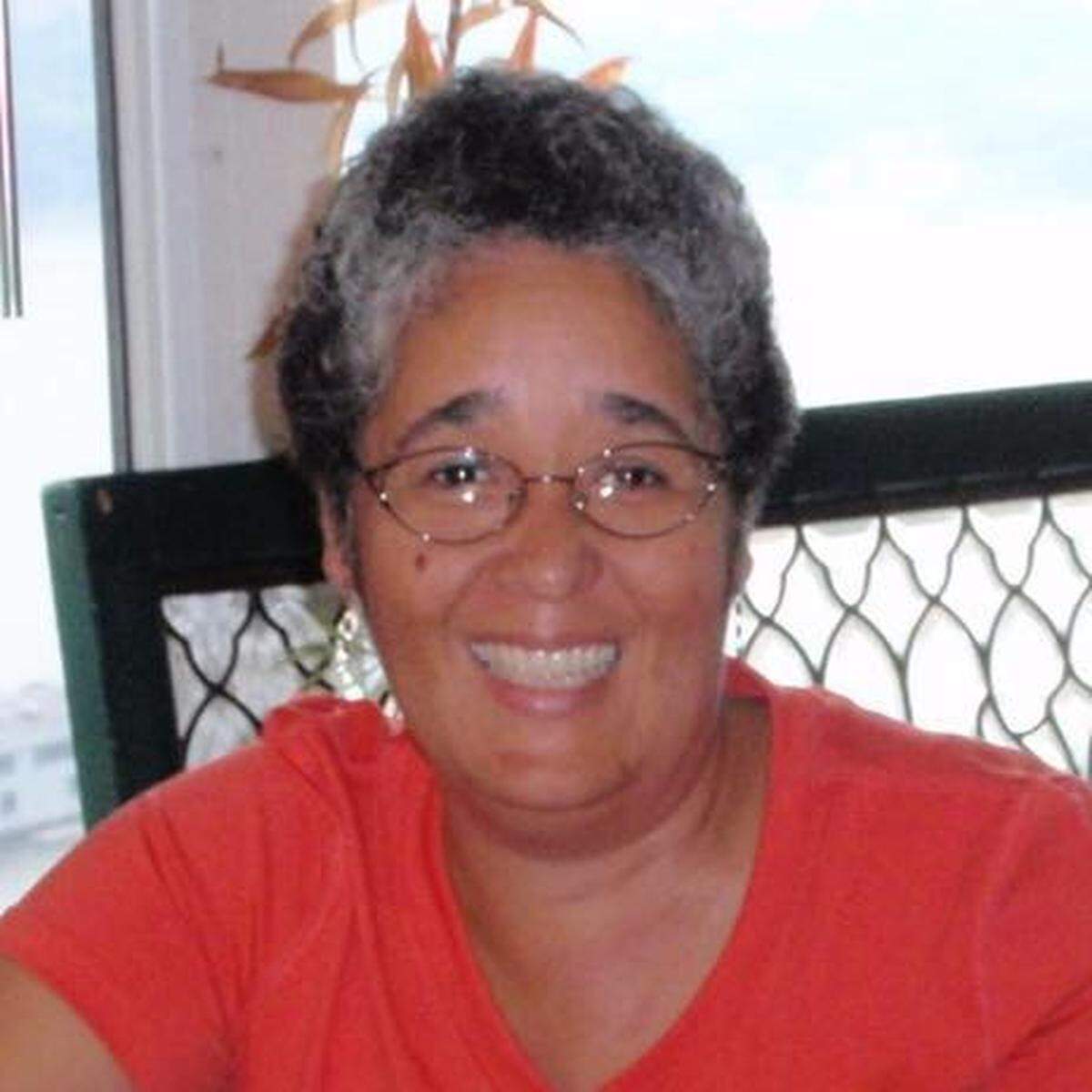
Those cold numbers don’t capture the lives left devastated — like the family of Noemi Gonzalez, then 54, who vanished from her North Miami home on Feb. 12, 2014. She left behind her wallet, keys and medicine for epileptic seizures.
For nearly eight years, relatives have been consumed by finding her: organizing vigils, meeting with police, securing billboards and tables at festivals to raise awareness. Meanwhile, Gonzalez’s large family in Florida, New Jersey and Puerto Rico has stopped holding its annual summer picnic reunion.
“Noemi was such a big part of that. We haven’t been able to do it since she disappeared. We just can’t do it without her,” said her sister-in-law, Liz Gonzalez, of New Jersey. “It’s difficult because a lot of family members don’t see each other any more.”
High-Profile Cases
There are some well-known cases in South Florida, several involving women who — like Petito — disappeared under suspicious circumstances.
Detectives have scoured South Florida’s fields, backyards and waterways for the bodies of missing women. Those include: Liliana Moreno, 41, and her 8-year-old daughter, Daniela Moreno, who vanished on May 30, 2016, after they were last seen near a Home Depot in Hialeah; Heather Riggio, last seen on May 19, 2007, walking near a rural property in West Miami-Dade; and Sheri Lynn Swims, who disappeared after leaving a Homestead bar in August 1986.
Cases involving men often get less attention.
Little has been written about Bruzón-Pérez, a former outfielder with the Cuban national baseball team who defected to Costa Rica in the late 1990s. He moved to Hialeah, and was last seen on May 22, 2007, after saying he was going to “meet someone” at a gas station on Okeechobee Road and West 18th Street, according to a Hialeah police report.
Bruzón-Pérez’s Hummer was discovered abandoned at a nearby shopping plaza. Hialeah police detectives scoured hospitals and the morgue, sought surveillance video to no avail and put an alert on his credit — in case someone tried using his bank cards. No luck.
Cops issued a press release. Local Spanish-language television stations ran brief reports a few days later. The case all but faded away. Even in Bruzón-Pérez’s public file in NAMUS, there is no photo of the former baseball player.
Even in cases of missing children — who rarely have the means to disappear for long periods — it’s not unusual for the vanished to largely disappear from the spotlight.
Missing Kids
For every Rilya Wilson, a missing Miami foster child whose case spurred intense scrutiny by elected leaders, there are cases like Baby Angela.
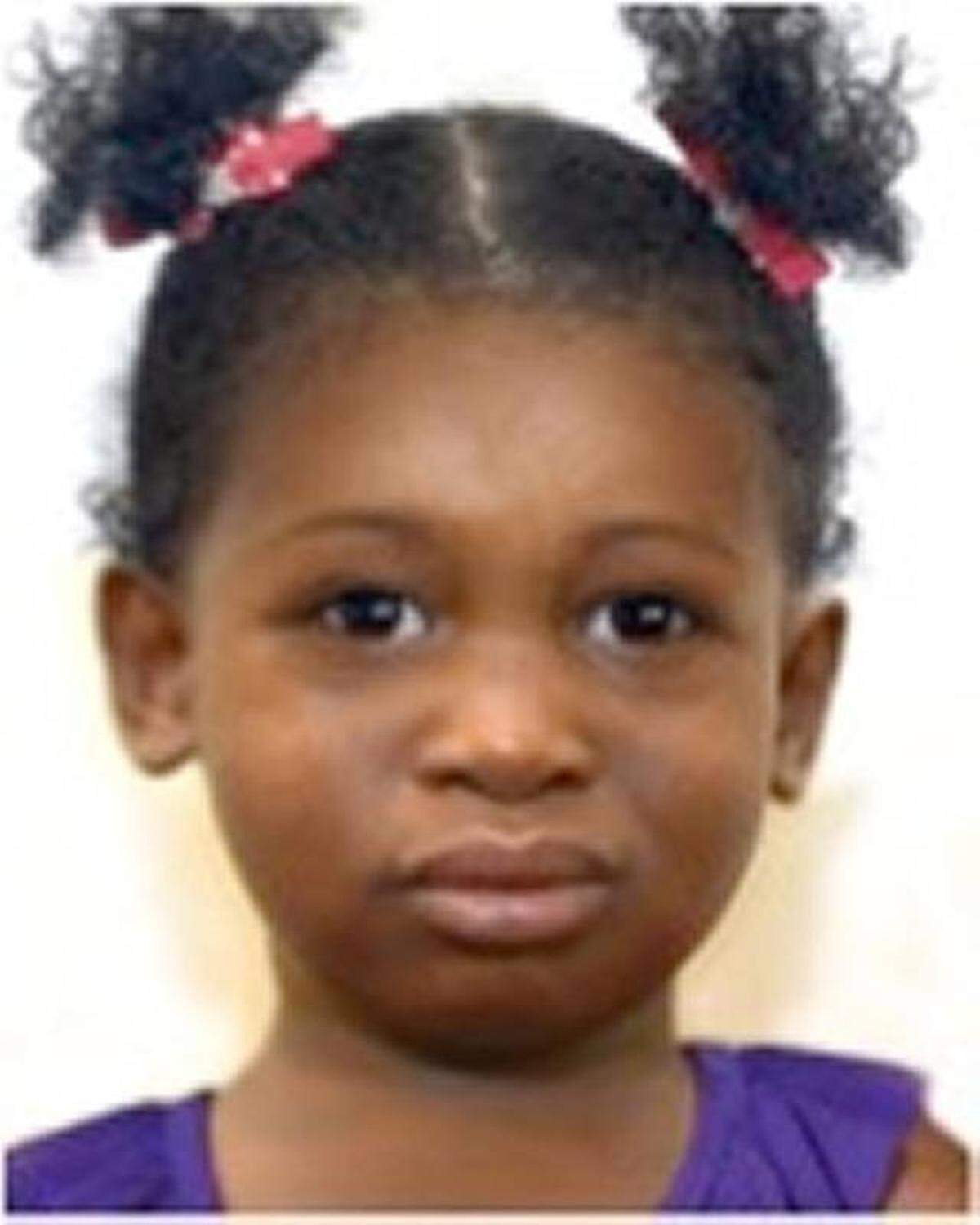
Her mother, Marjorie Dufrene, remains a suspect after admitting in court “she is dead.” She has never spoken publicly — nor have any other relatives. Spurred by Herald coverage, Baby Angela’s case sparked a brief flurry of TV coverage in 2016, but little since.
Because of Marjorie Dufrene’s shifting stories about what happened to the child — and with no body — police have been unable to make a criminal case. What, if anything, is new with the probe remains unknown. Miami’s homicide bureau did not return Herald requests for comment on the case.
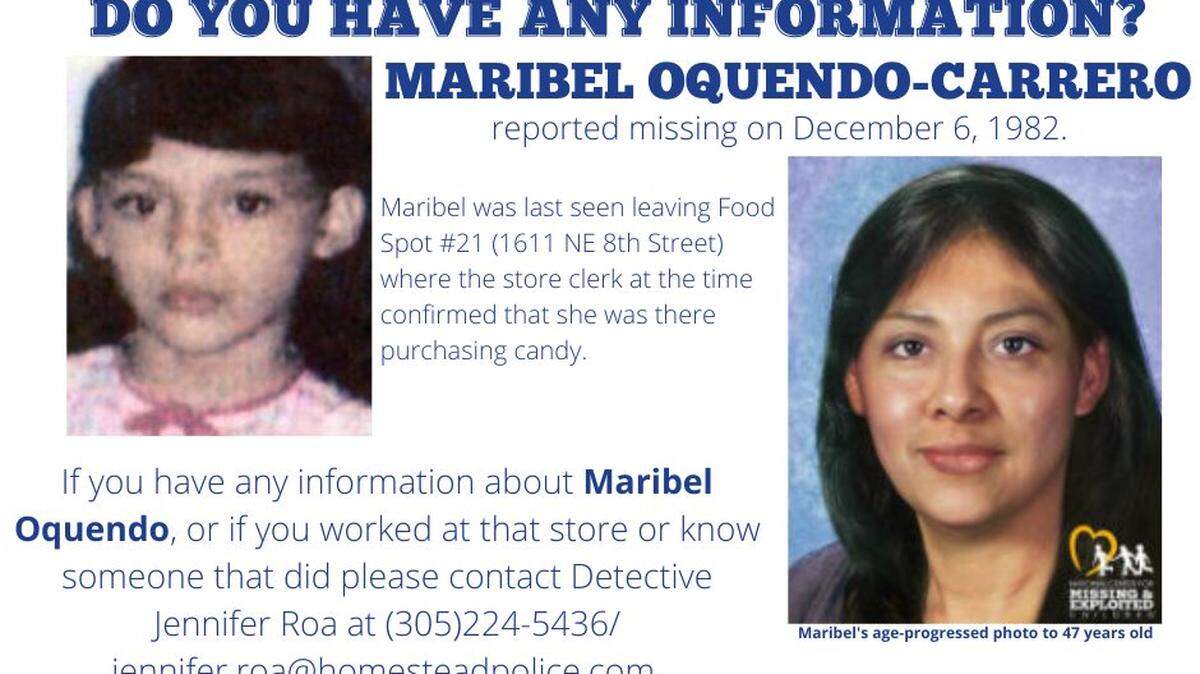
Some children only get blurbs. Maribel Oquendo was 9 when she disappeared after buying candy at a Homestead market in 1982. The Herald did not run a report, although the small community newspaper, the South Dade News Leader, ran a short story.
At the time, it was believed her biological father might have been to blame, relegating hers to cases back then chalked up as mere custody disputes. With no sightings, and her father’s repeated denials of taking the girl, Homestead police several years ago reopened the case, after family members reached out to the department.
Then, there are cases like that of Marco Cadenas, who at age 9 was reported to have run away from his family’s Northwest Miami-Dade trailer home, upset that his mother and stepfather were fighting again. The date: May 11, 1994.
Investigators traveled across the Southeast United States looking for clues. At a Pensacola school, they even interviewed a boy who looking stunningly like Marco. It wasn’t him.
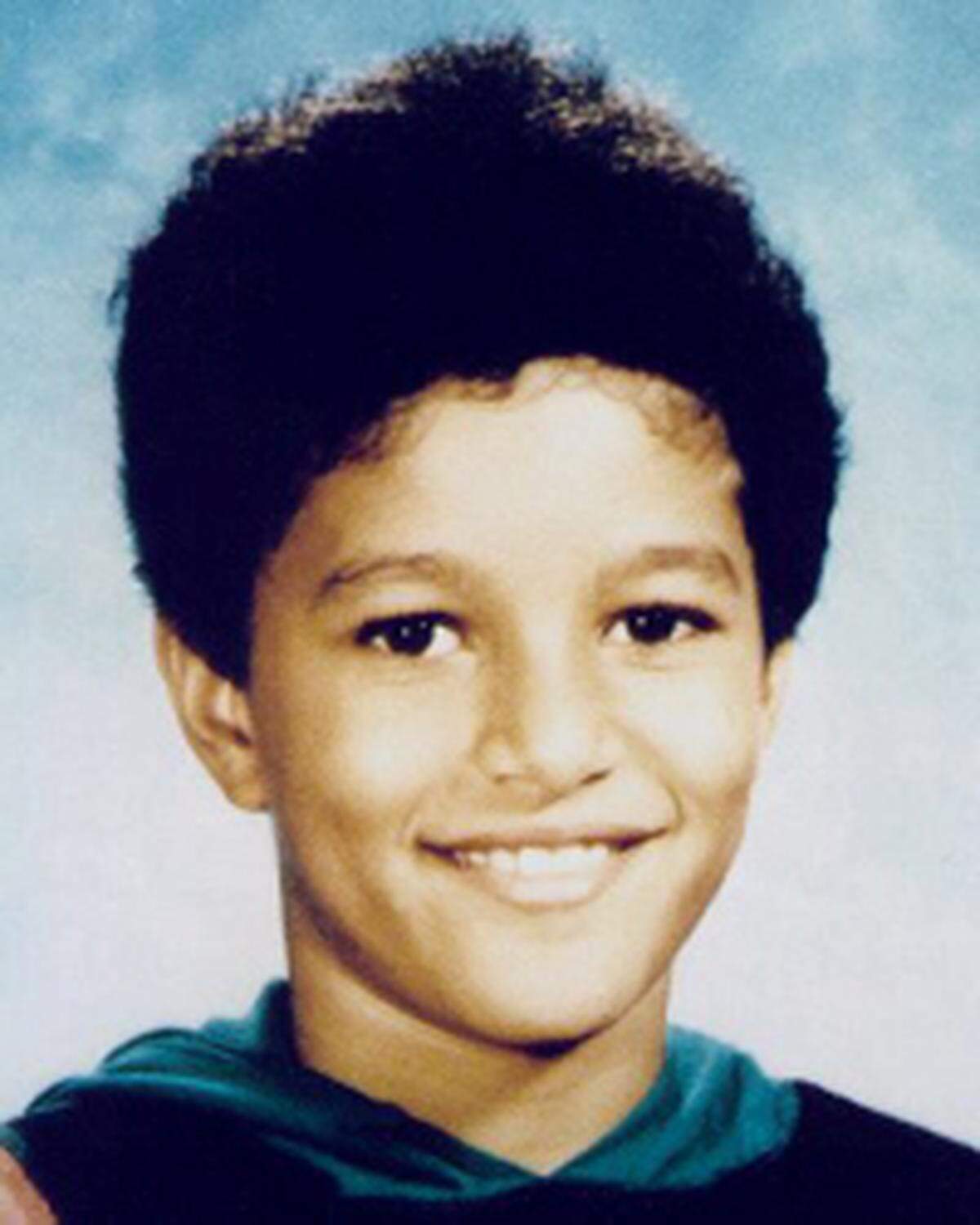
“It’s so sad. He was so young and nobody knew anything,” recalled retired Miami-Dade Detective Candy Wisotsky. “We even got a subpoena for his library card to see if he’s been to the library. Nothing.
“I’d like to know what happened to him. Is he alive? Is he an adult now? What is he doing?”
His vanishing remains an open case, now with Miami-Dade’s cold-case homicide squad. His mother and stepfather have since died. His siblings, too young to remember much about Marco, declined to speak, not wanting to dredge up difficult memories so many years later.
It’s a stark contrast to the Petito case, in which the missing woman’s family routinely engaged with the police and media, effectively used social media to raise awareness and even unveiled matching tattoos in her honor and started a foundation in her name.
“Families don’t always come forward. Maybe they’re immigrants and they don’t speak English. Often people who go missing are coming from very vulnerable or at risk groups,” said Erin Kimmerle, the executive director of the Institute of Forensic Anthropology & Applied Science at the University of South Florida who helps identify unidentified remains.
“That’s where you see the bias in reporting and coverage — it’s perceived ‘innocent’ victims tend to get more media coverage.
“It puts the burden on the families. Sadly, that’s the reality. It’s incumbent on those people who knew the victim to keep the story going, to engage the attention of the public and put pressure on the agency.”
Susan Billig did just that — almost five decades ago, in one of Miami’s most infamous disappearances.
When her daughter, 17-year-old Amy Billig, vanished from near her home in Coconut Grove in March 1974, publicity was key in keeping her story alive. Susan Billig embarked on a highly publicized, decades-long quest, passing out fliers, holding press conferences, searching drug dens, strip clubs and backwoods trailers for her daughter.
Susan Billig died in 2005, having never found closure on the fate of her beloved daughter. Amy’s whereabouts, to this day, remain unknown.
The Long Haul
Maintaining the drumbeat of attention can be emotionally exhausting.
When Aramburo vanished in 2007, her friend, Janet Forte, helped the missing woman’s mother reach out to the media. She started a blog, organized a symbolic hunger strike outside county hall and put up countless fliers in some of Miami’s roughest neighborhoods.
Her efforts helped. Years later, Miami-Dade police’s homicide bureau took up the case, focusing on Aramburo’s then-boyfriend, Christen Pacheco, as a likely suspect (he’s long denied having anything to do with her disappearance).
As Miami-Dade detectives still work to build a homicide case, Forte acknowledges the efforts are now largely on anniversaries — like arranging flowers on the beach for Aramburo’s birthday — which was Tuesday. “Because it was so impactful, I couldn’t do it long term,” Forte said. “It’s a difficult trauma for me now.”
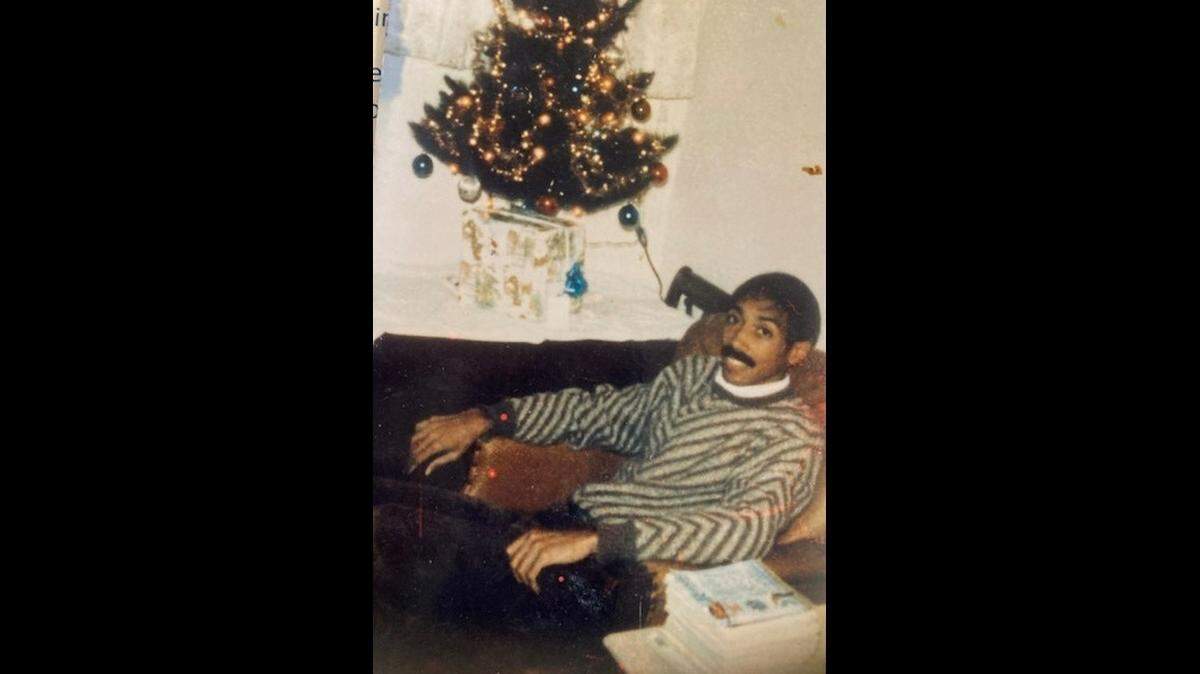
For the mother of Kenneth Earl Fox, the odyssey has stretched over three decades.
A drifter originally from Georgia, he’d been living in a wooded area in Homestead. He last spoke to his mother from a landline at a Homestead McDonald’s on April 1, 1989. In their conversation, he grew upset that she was going to stop wiring him money.
They haven’t spoken since. And he vanished.
The mother, now in her 90s and living in Kentucky, has remained active searching for her son. The Homestead police department opened a probe in 2018, assigning the case to Detective Jennifer Roa.
“His mom has been the driving force,” Roa said. “She’s a tough little old lady.”
Roa soon discovered that in the years after he vanished, Fox’s name and social security number had been queried over a dozen times by police through the National Crime Information Center, a database available only to law enforcement, between 1991 and 1997.
The searches were logged by police in the Southwest United States. Only once did it appear Fox had been arrested: in June 1991, in Boerne, Texas, a suburb of San Antonio. But there is no mug shot or even description of what he supposedly did.
“It’s so old nobody can find the actual arrest record,” Roa said.
Through the database searches, Roa tracked him through California, Arizona, Kentucky and finally, to Duluth, Georgia, in 1997. That’s where the trail ends. His mother’s DNA is on record with the University of North Texas Center for Human Identification — to see if it matches any unidentified bodies.
Today, if he is alive, Fox would be 73 years old.
Noemi Gonzalez, who disappeared in North Miami in 2014, would be 62 years old today.
Her relatives are still meeting with North Miami police, to get updates on the search. Several times in recent years, they’ve partnered with Florida-based Peace River K9 Search and Rescue, which scoured canals and fields near the complex where Gonzalez once lived.
The Petito case was heartening in one sense — the attention, particularly among online amateur detectives, led to the finding of the missing woman’s body. That fact has reinvigorated Gonzalez’s family.
“After what happened to Gabby, I want to focus our efforts. Maybe we should get some of these online sleuths involved,” said Liz Gonzalez, her sister-in-law. “We’ve done so much in looking for Noemi, and it feels very frustrating when you don’t see anything come out of it. But when it’s your family member, you can’t stop searching. We won’t stop looking.”
This story was originally published November 17, 2021 at 7:00 AM.