Can bats halt bulldozers at overgrown Kendall golf course? Some neighbors hope so
Calusa homeowners fought for years to stop construction of 550 houses on the defunct, overgrown golf course in the middle of their neighborhood. But nothing, it seems, can stem sprawl in West Kendall.
Except maybe a big-eared creature of the night. Bats to the rescue?
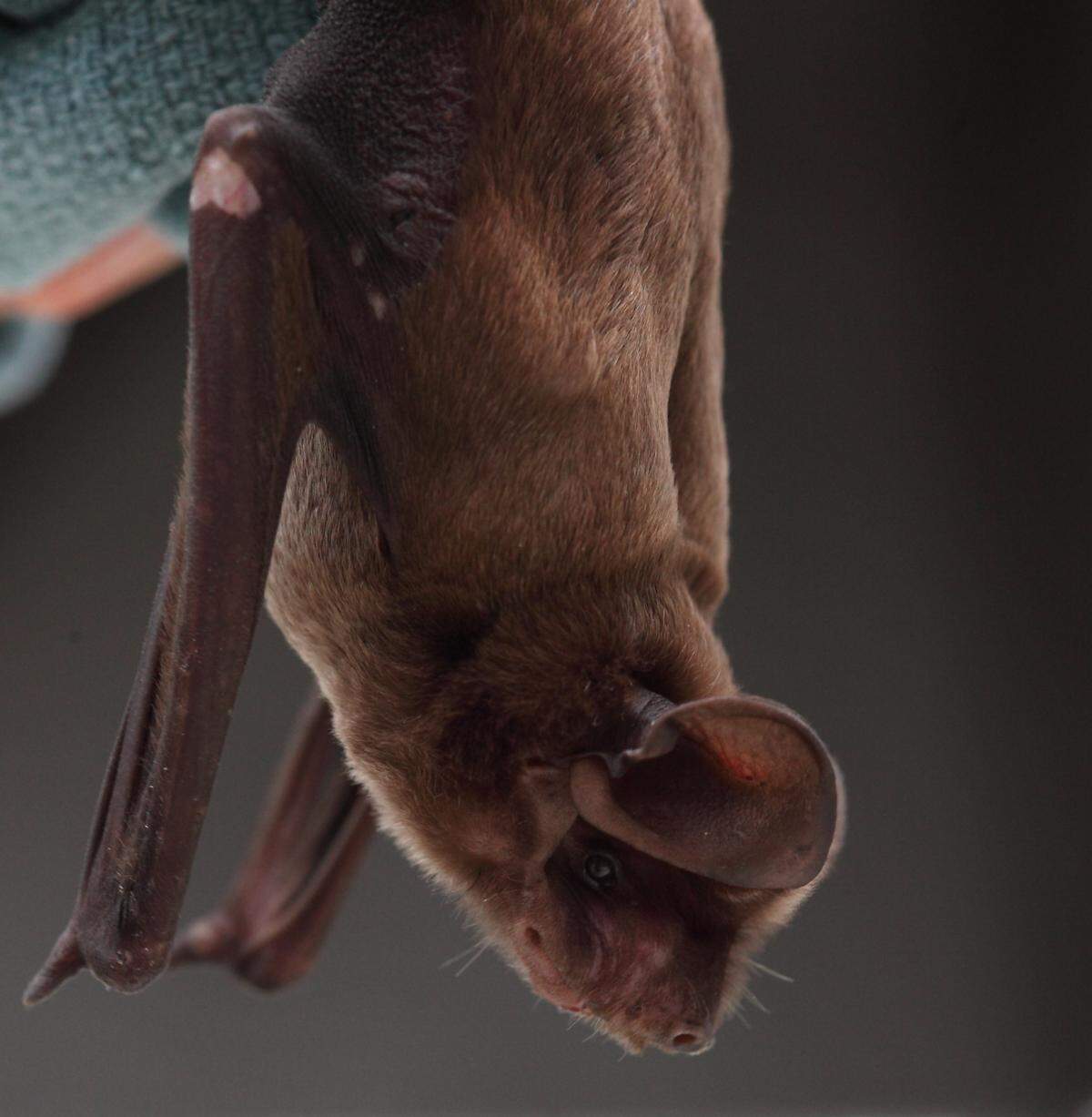
The discovery of the endangered Florida bonneted bat foraging for food on nocturnal flights over the old Calusa Country Club fairways has added a new wrinkle to the real estate developer’s plans.
Homeowners holding out hope that the 168 acres of vacant land will be converted into a park or nature preserve are asking the developer and Miami-Dade County to put a brake on bulldozers until a thorough wildlife survey is completed.
If bonneted bats are roosting on the property — owned by rum empire chairman Facundo Bacardi and GL Homes — then county and federal wildlife protections of habitat could determine where or if all those houses are built.
“What’s terribly ironic is that an appropriate use for the land that would maintain the critical habitat of the bats and allow them to co-exist with humans destroying their territory is a golf course,” said Amanda Prieto, a Calusa resident who lives at 9400 SW 130th Avenue and a leader of the Save Calusa homeowners group. “We lost our golf course but we’d be happy with a park or a natural area. Anything would be an improvement over 550 homes that don’t belong in that space.”
In fact, homeowners have a proposal: Create Bacardi Nature Preserve. Its logo could be the same as the rum company’s logo: A bat. Bacardi’s original distillery in Cuba was populated by fruit bats. Hence, the black bat symbol on its labels. Facundo Bacardi is the great-great grandson of the company’s founder.
Less than 1,000 bonneted bats still exist in South Florida, where they’ve been displaced by development. The trumpet-eared, speedy fighter jet of the bat world has a 22-inch wingspan, twice the size of the more common Brazilian free-tailed bat, and needs open range to navigate. They once roamed freely through pine rockland forests, devouring mosquitoes, moths and other bugs, and roosting in the trees, but as the pinelands disappeared, so did bats, panthers, key deer and other animals. The U.S. Fish and Wildlife Service added bonneted bats to the endangered species list in 2013.
Save Calusa, which six months ago lost a bitter battle to preserve the 99-year covenant that required the land remain a golf course until 2067, enlisted Bat Conservation International to survey the course.
Bat researchers set up two high frequency sonar-detecting recorders in backyards behind the fenced-in course. Over 42 nights from February 6 to March 20 they logged an average of 2,085 echolocation navigation, communication and feeding calls from six species of bats, with bonneted bats accounting for an average of 287 calls per night.
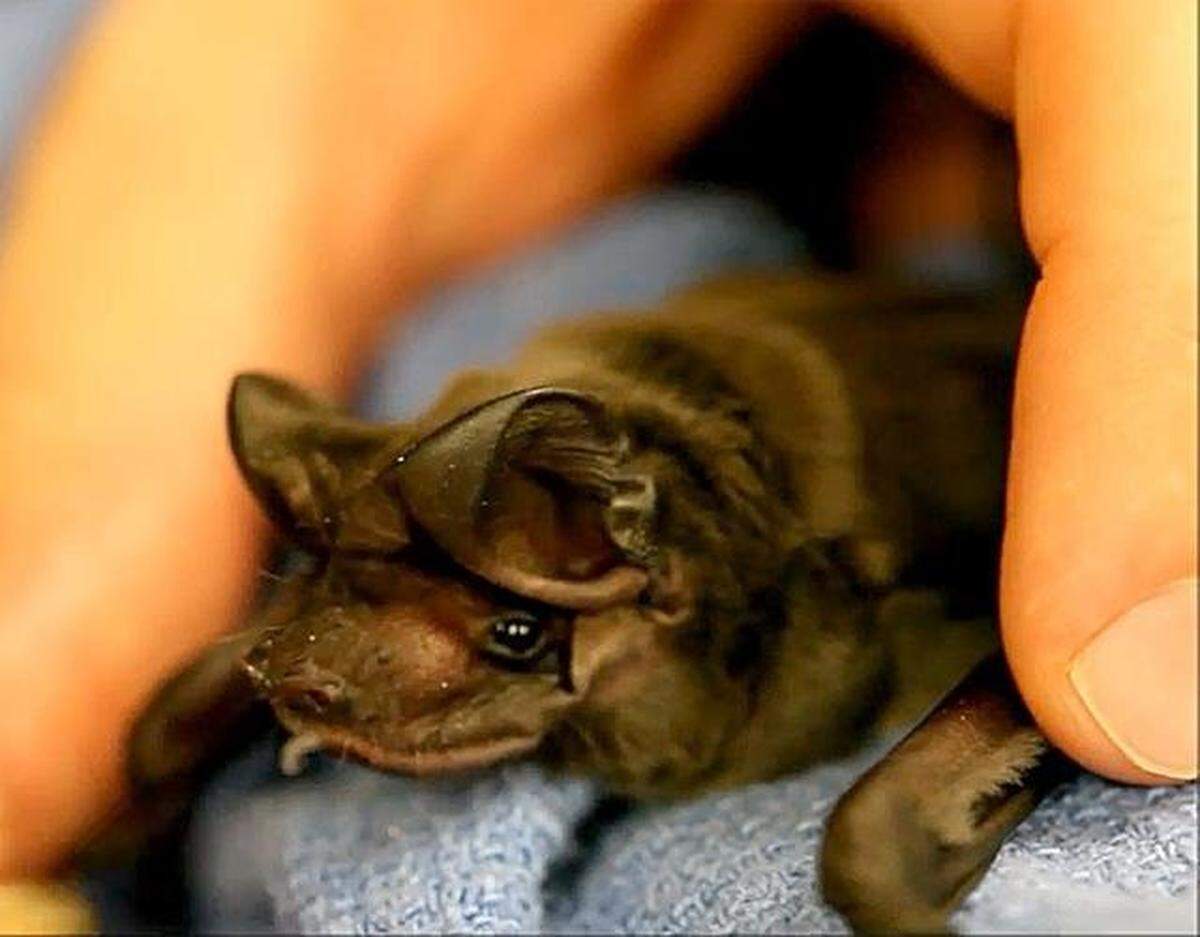
“The species only exists in South Florida in small numbers so we are putting effort into saving habitat that is under pressure from urbanization to help them recover,” said Melquisedec Gamba-Rios, an endangered species interventions research fellow for Bat Conservation International. “Bats avoid spaces with a lot of light, so parks and golf courses are valuable spaces for conservation. We want bats to keep living among us because they are so beneficial and perform so many environmental services by eating pests.”
The non-profit conservation organization and Miami-Dade’s Department of Environmental Resources Management (DERM) have recommended the county do an acoustic survey and environmental assessment inside the fences and consult with the U.S. Fish and Wildlife Service. DERM also wants to look for burrowing owls — a federally protected species listed as a bird of conservation concern by the federal government and a species of concern in Florida — which have been sighted on the property.
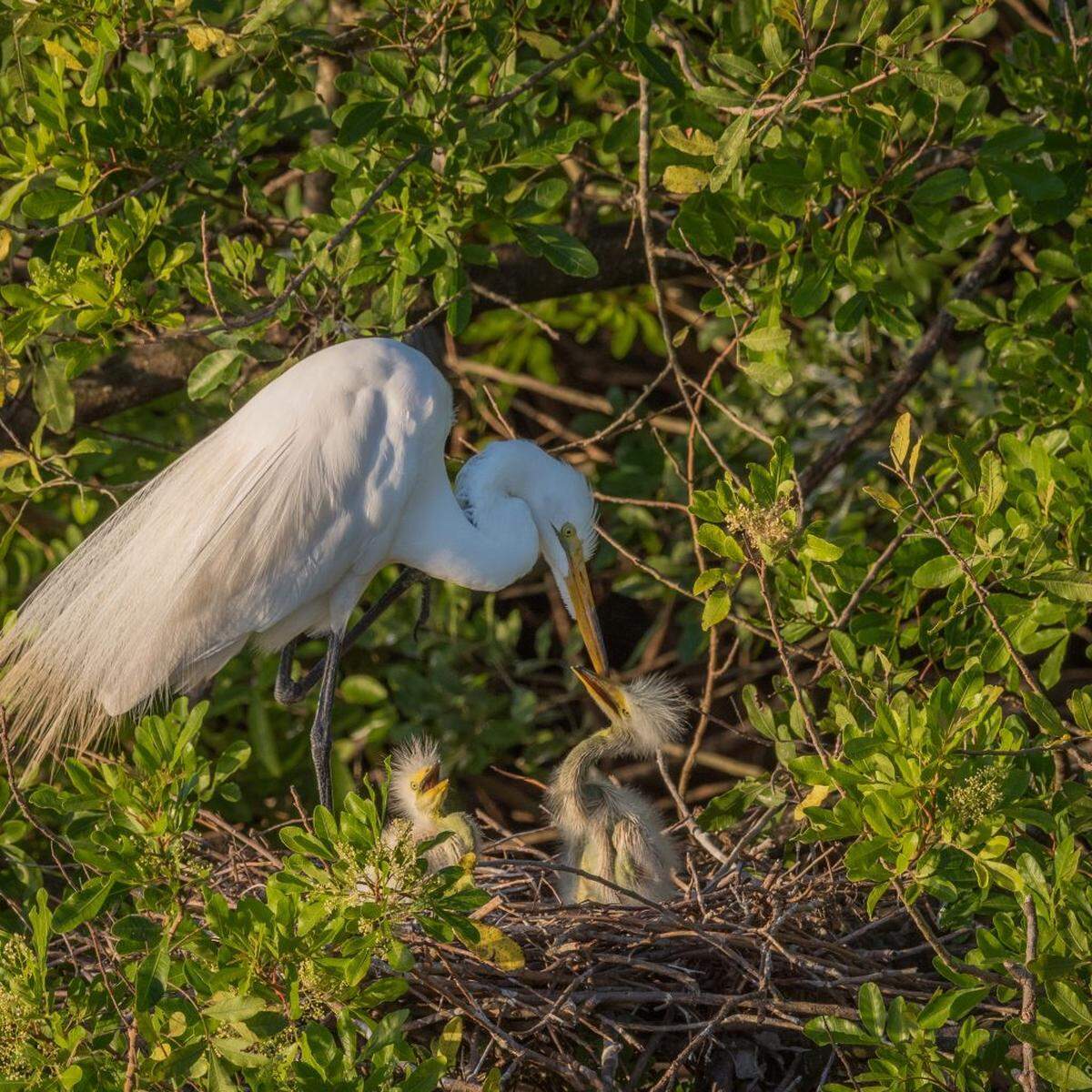
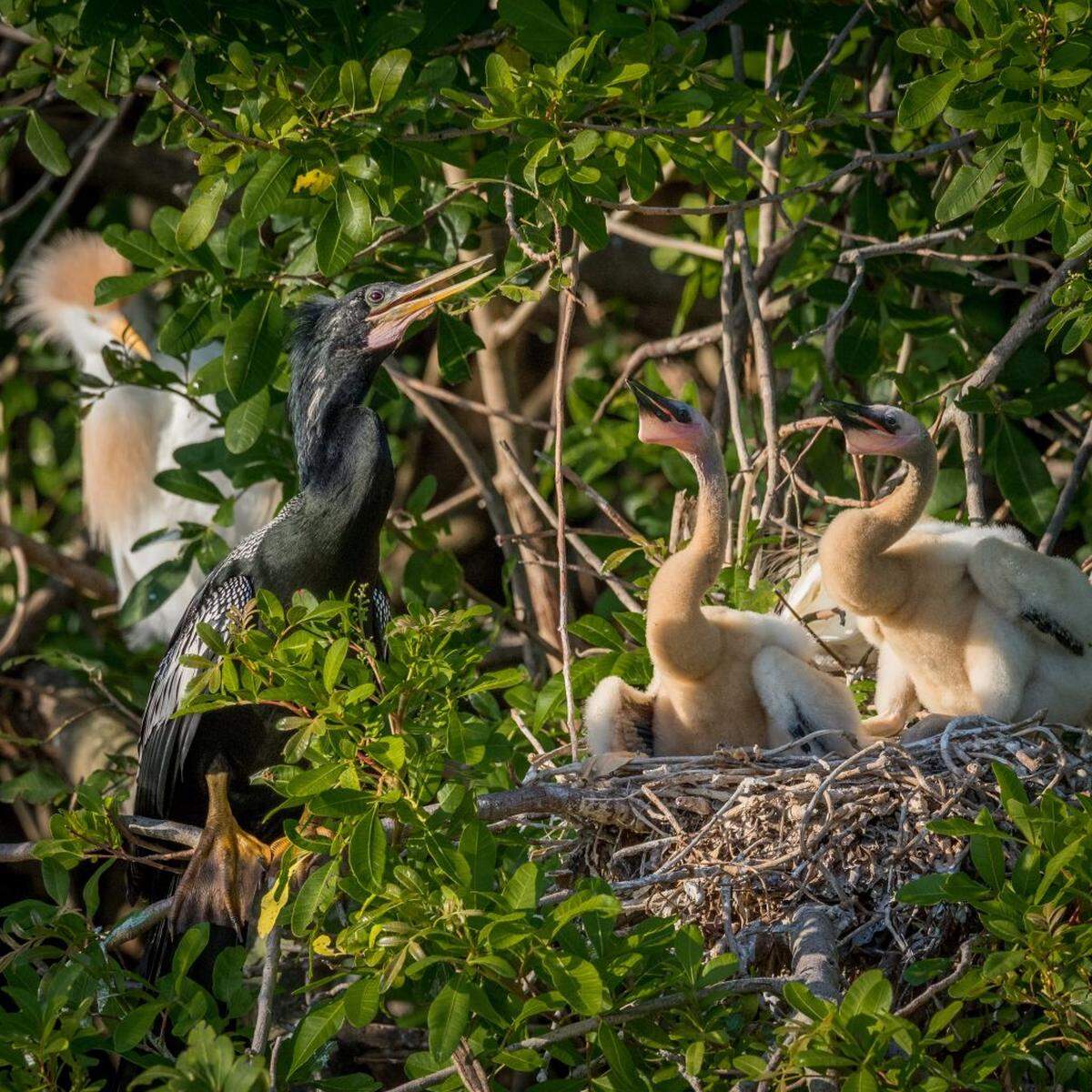
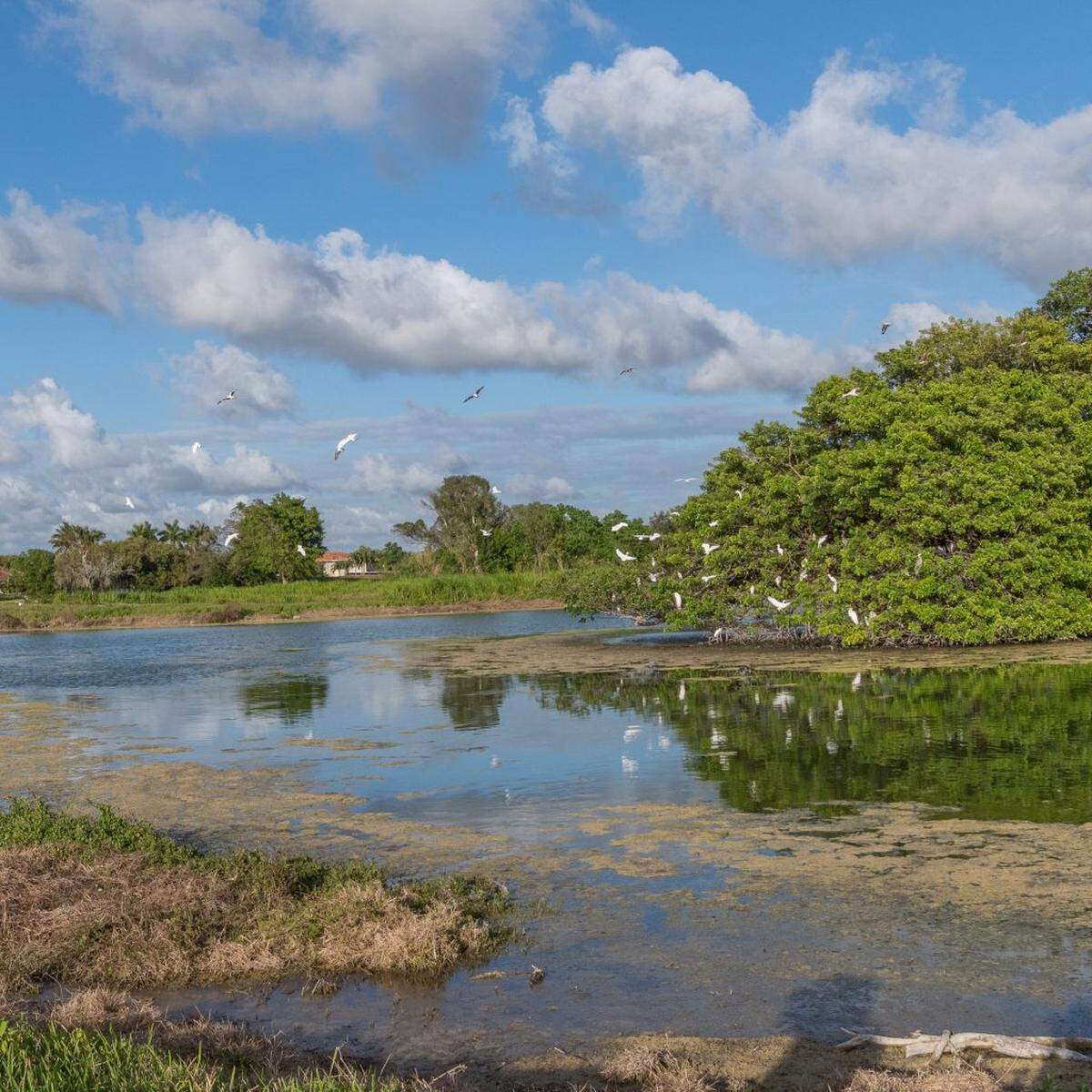
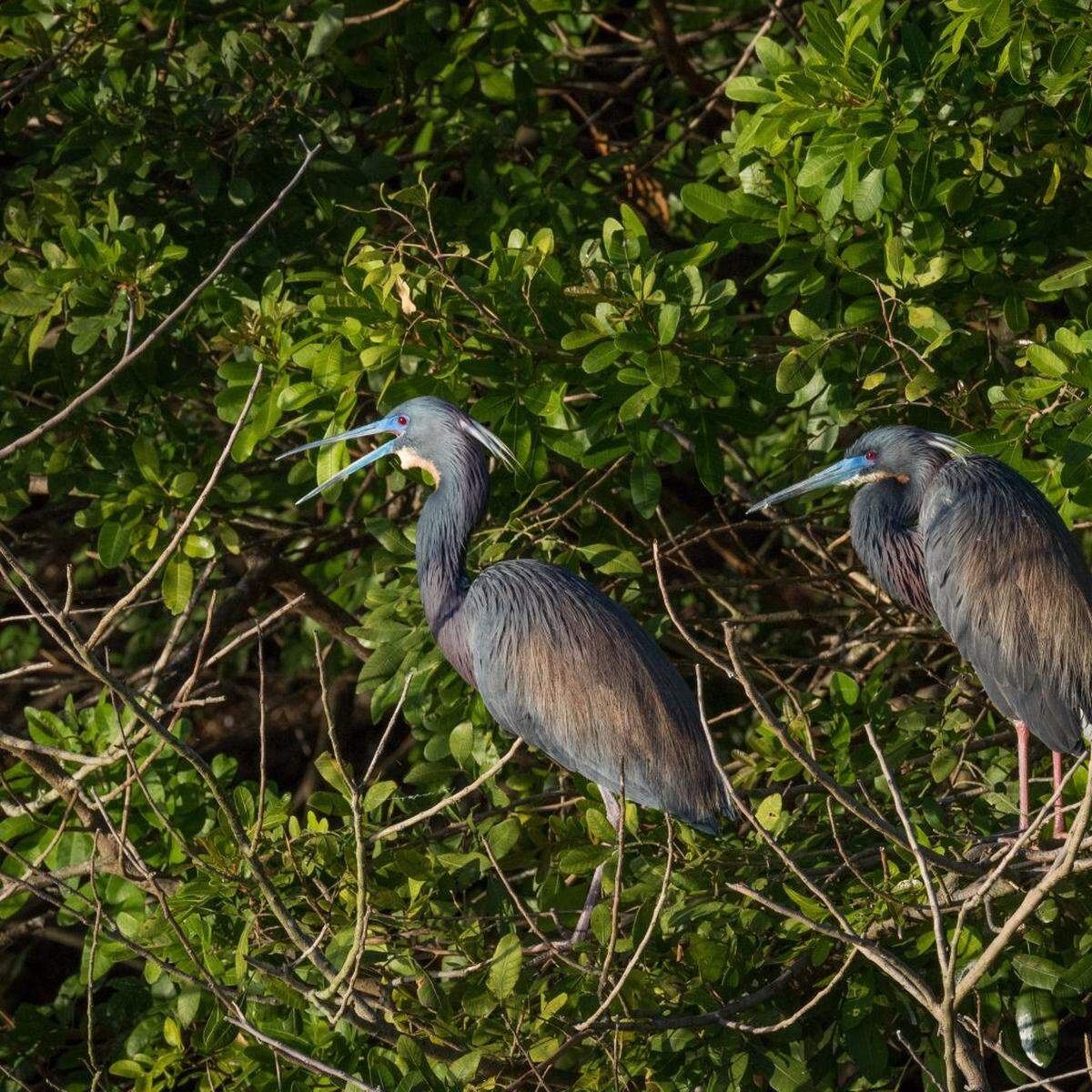
Homeowners want the county to take a close look at a bird rookery on an island in a lake that was once a water hazard where herons, anhingas and egrets thrive and where a Tropical Audubon Society survey found woodstorks two years ago.
The GL Homes development, still in the approval stage, calls for that lake to be filled in, as well as for the removal of 161 trees.
GL Homes Vice President Dick Norwalk didn’t respond to an email from the Miami Herald asking how it plans to respond to recommendations or whether it would alter the scale of the development but in a statement to WLRN’s Sundial program Norwalk said the company engages in “good environmental stewardship” when it builds houses.
“We are excited for the opportunity to create a great community of homes in Kendall,” he said. “The bonneted bat is present over South Miami-Dade County as well as parts of six other Florida counties. Our focus is on how to manage development and operate the site with protocols in place to sustain the native bat population. That includes consultations both with the County and U.S. Fish and Wildlife. GL Homes is a responsible steward that will operate the site in accordance with those protocols.”
The presence of bonneted bats feeding in the parking lot at Zoo Miami adjacent to pineland has delayed plans to build the Miami Wilds water park and a hotel.
“That development could be devastating to the bats because it is the most important foraging area in Miami-Dade County, and could be harmful to the endangered Miami tiger beetle, butterflies, animals and plants found nowhere else but in the forest,” Gamba-Rios said. “We’re not against development but it should be in other places that are not unique to our ecology. These are incredible places and we should do whatever we can to find a balance.”
Bonneted bats were also found foraging over a Coral Gables golf course in 2014. An FIU bat researcher started a neighborhood bat squad with Bacardi-sponsored bat-watching parties, which led to the discovery of a roost in the cracked barrel tiles of a dilapidated house two blocks from the greens.
Bats could prove to be an ally for Save Calusa homeowners, many of whom purchased their homes “expecting to live on a beautiful green golf course or in a golf course community for the rest of our lives,” Prieto said.
But soon after Bacardi bought the Calusa Country Club for $2.7 million in 2003, golfers began to notice its deterioration. After hurricanes Wilma and Katrina hit in 2005, the damaged clubhouse wasn’t repaired and was replaced by a trailer and Porta-Potties. The course was closed in 2011 and soon reclaimed by nature.
Bacardi offered homeowners who ring the course $50,000 each to waive the covenant that required the property to remain a golf course for 99 years unless 75 percent of abutting homeowners agreed to lift it. They didn’t, so Bacardi sued them. The covenant was upheld in a court ruling in 2016, but Bacardi said he’d continue the legal battle to invalidate it, then bought out weary homeowners with individual settlements of up to $300,000, neighbors said. Of 146 ring homeowners, 120 accepted payments and signed waivers and nondisclosure agreements, fracturing the community. County commissioners released the covenant in October, paving the way for a new subdivision on the old course.
Mowers were out on the overgrown fairways recently for the first time in years and homeowners like Prieto are worried about what they might do to the wildlife that has taken over the course.

“We decided to do something proactive and protect what has evolved into a special natural wonder,” Prieto said.
Calusa residents dread increased traffic, diminished property values and ruined views. They’re also concerned about a proposed mixed-use development that would include six six-story apartment buildings and a Baptist Hospital medical facility on the U-Pick Kendall strawberry fields at 9600 SW 137th Ave.
“The golf course and the strawberry fields are the only two green spaces left,” Prieto said. “Soon we’ll have no green at all.”
This story was originally published May 20, 2021 at 7:00 AM.