
Miami Wilds lease is approved for zoo parking lot where rare Florida bats live
Miami-Dade’s Parks, Recreation, and Cultural Affairs Committee approved a lease agreement for a water park slated to be built on Zoo Miami’s parking lot, which is also the habitat of the country’s most endangered bats, located next to one of the last slivers of rare pine rockland forest left in the world.
The committee’s decision is expected to go before the Board of County Commissioners on Oct. 6. The full Miami Wilds site plan, which includes a water park, a hotel and retail, must still receive environmental approval from county and state authorities, commissioners said Friday. The project is expected to generate about $120 million in revenue over 40 years and create 400 jobs in the first five years.
Environmentalists said the water park is on a collision course with the Endangered Species Act because the Florida bonneted bat lives and uses the zoo parking lot to find food, and developing the area could seriously threaten their chances of survival.
“That area is like Grand Central for the Florida bonneted bat and there is plenty of evidence, even from Miami Zoo studies, that this parking lot is heavily used by this endangered species,” said Michael Daulton, executive director of Bat Conservation International. “The project was poorly planned, it could potentially violate federal law and it doesn’t address important conservation issues.”
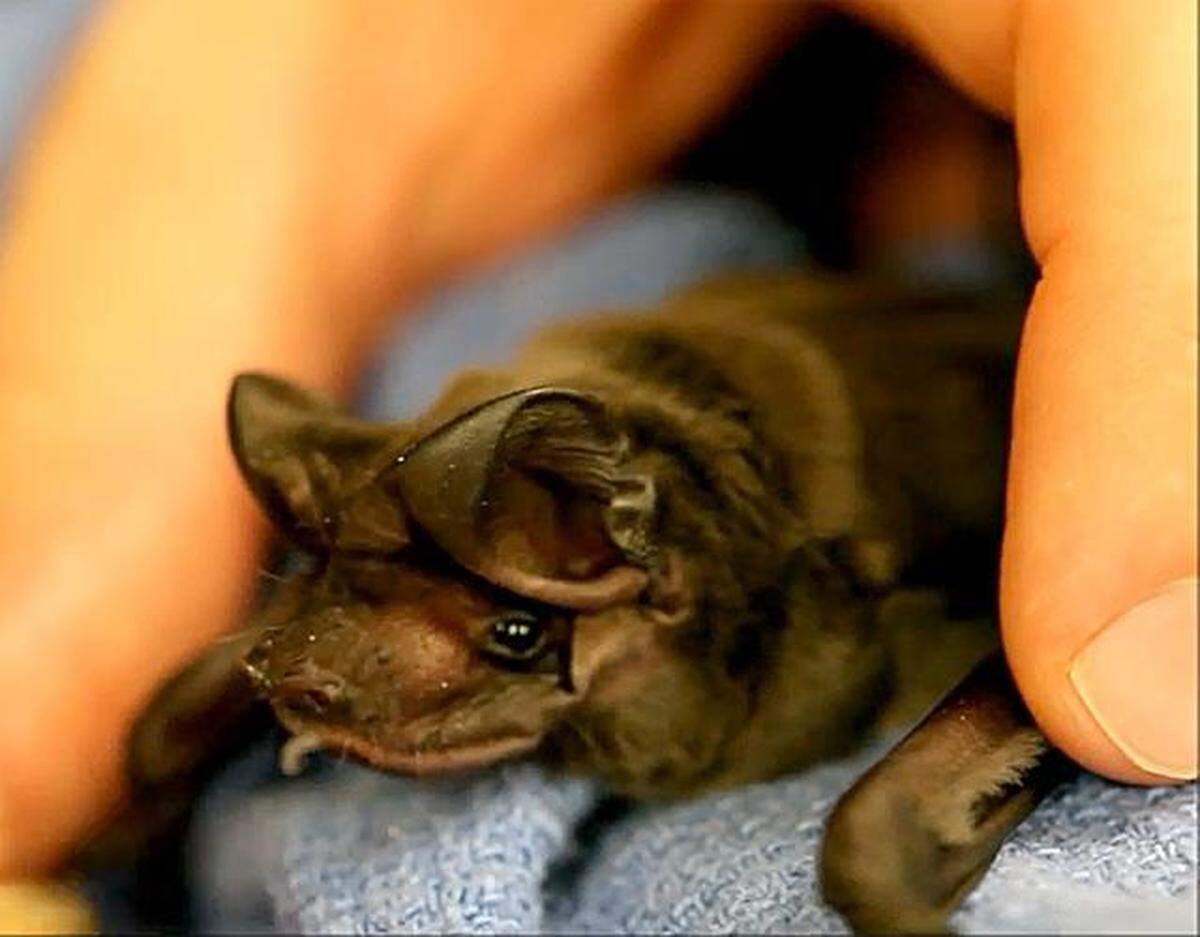
The area is one of the last remnants in Miami-Dade of pine rockland, a forest that is home to the endangered Miami tiger beetle and more than 20 protected species of animals and plants found no place else. The deltoid spurge, for example, is a tiny endangered herb that’s only found at that spot.
The forest once covered much of the 55-mile-long rock ridge that stretches south from central Miami to Homestead. Paved over by development, small patches survived, making up about 3,000 acres outside Everglades National Park, or about 2% of the original area.
For years, environmentalists and private citizens have tried to protect the shrinking ecosystem and its threatened inhabitants. The sparse forest dotted with slash pines is home to endangered butterflies such as the bright orange Florida Leafwing and the gray Bartram’s Hairstreak, whose wings have thin white and black lines with tiny splashes of rust. The iridescent tiger beetle is so rare that it hadn’t been seen for decades until it was rediscovered on the site in 2007.
Commissioner Dennis Moss, who has been pushing for the project since it was first proposed and approved by county residents in a referendum in 2006, said developers and the county have taken into account environmental concerns. The current proposal places Miami Wilds entirely on an area that’s been asphalted over for decades, and the project’s footprint has been cut to 27.5 acres from an original 136 acres.
Miami residents who called into the meeting to express support for Miami Wilds mentioned their desire for more recreational areas in South Dade and the need for developments that will create jobs. It’s not clear how much the proposed entrance fee for Miami Wilds would cost, and how accessible it would be to a large swath of the population.
As for the endangered bats, Maria Nardi, Miami-Dade’s Parks, Recreation and Open Spaces director, said the project calls for special nighttime lighting and sound limits set to minimize disruption to foraging activity.
“We will help guide selection of native plants for landscaping in Miami Wilds and choose species that enhance their feeding success,” she said during the meeting. She added that a portion of the park’s revenue — about $6 million will go toward improvements and conservation areas in adjacent pine rockland forest.
She said the project won’t be built in areas where the tiger beetle has been found, and that there will be a buffer zone of 50 feet to separate Miami Wilds from any wild area where the insect may be present.
Conservation groups such as BCI, the Center for Biological Diversity and Tropical Audubon Society have strongly opposed the proposal based on the scientific evidence that endangered species use the site extensively.
They have also questioned the economic value of the project, and have pointed to traffic it could add to an already congested area.
Those concerns were echoed by residents who spoke against the project during the virtual public hearing on the project.
“They just built a strip mall and residential complex across the street and that project hasn’t even been put to the test. Traffic is already horrible around here, imagine what a water park will do,” said Ivan Melgar, an FIU student.
Last year developers paved over 140 acres of pine rockland next to Zoo Miami to build a mixed-use development called Coral Reef Commons. The project is expected to be anchored by a Walmart store.
Activists fought the project, suing the county in 2017 and challenging zoning changes that had been implemented to obtain approval for the development. But the lawsuit was dismissed in June last year.
Their argument is that any development in that environmentally sensitive location is detrimental to the globally imperiled forest and the species that depend on it, and that the county should look for land elsewhere.
As the forest continues to shrink, advocates have tried to improve the bat’s fragmented habitat. In late 2018, Bat Conservation International and other organizations installed six custom roosting boxes at Zoo Miami to support the species’ recovery. Within the following six months, all six roosts were occupied by bonneted bats.
BCI used bat detectors for six months last year between May and November to detect the sound waves bats produced to echolocate while flying around the proposed development area. They detected bats on 103 out of 105 nights monitored, Daulton said.
Zoo Miami describes on its website recent efforts to protect the bonneted bat and other species. It shows videos of the endangered species gathering inside some of the 30 roosts installed around the property.
This story was originally published September 11, 2020 at 8:44 PM.
.jpg)