
The November elections didn’t go well for Hialeah’s mayor. Is he losing influence?
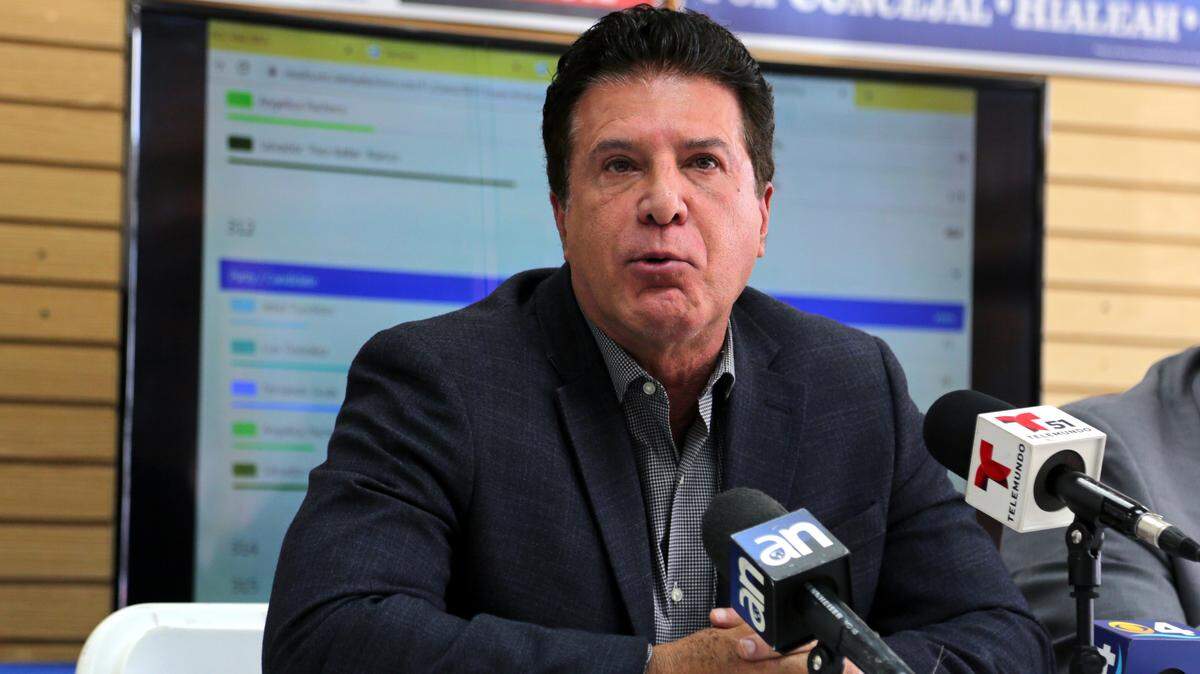
Hialeah Mayor Carlos Hernández wasn’t on the ballot this November, but the election was a bitter one for him just the same. Two of the four candidates he endorsed were defeated, as were five charter amendments, one of which would have given him more power. And opponents began a drive to remove him from office.
The post of Hialeah mayor is storied for its political clout. But could Hernández’s influence be waning?
“Now, he sees himself with the possibility of a majority negative city council,” said Raul Martínez, who led the city for more than two decades. During his tenure as mayor, he was indicted and convicted on federal racketeering and extortion charges, although the conviction was later thrown out and charges were eventually dropped. When he did run for the position again in 2011, he lost to Hernández.
Hernández declined to comment on questions related to this story.
The new City Council members — two of them endorsed by Hernández in the election and two who were not — have been sworn in. The first meeting with the four new City Council members together was on Nov. 26.
Some other cracks have developed in Hernández’s wall of support. One of the winners on his slate, Oscar De la Rosa, endorsed Jesus Tundidor over a Hernández-backed candidate. Paul Hernández, the City Council president who was first elected in 2011, also supported Tundidor.
“It’s going to be more dynamic and more proactive than it’s been in a very long time,” Paul Hernández said. “You have a group of young, like-minded elected officials who are eager to enact change.”
And although the old commission typically adopted the mayor’s recommendations, there’s evidence that voters are less likely to go along with him: Last year, the council agreed to put a non-binding question — proposed by Hernández — on the August ballot asking voters if they’d be willing to pay more property taxes, money that would be earmarked for law enforcement. More than 70% of voters said no.
This could all lead to a difference in how the City Council votes on Hernández’s recommendations.
Hialeah is one of the few Miami-Dade cities that, like the county, has a strong-mayor government. The mayor is the top city administrator, which makes him the most powerful person in city government, but he doesn’t have a vote on the City Council. Like his predecessors, Hernández has to rely on his influence to sway council members when he wants to have an ordinance, resolution or even the budget he creates approved.
Hernández was first elected to the City Council in 2005, then in 2011 became mayor for the remainder of Julio Robaina’s term, when Robaina resigned to run for county mayor. He was elected in November 2011 with 60% of the vote. When he ran in 2013, he showed his muscle: He won the three-person primary with 81% of the vote; in 2017, he won with 79% of the vote.
He used his clout to win important decisions from the City Council. Some of those issues included support from six council members in 2018 to buy him a $43,779.25 2017 Jaguar F-Pace to replace a Ford pickup he had been assigned in 2012. That’s also around the same time the council approved the special election on a property tax increase that voters rejected.
But the city is changing. Young residents and families are moving into Hialeah, especially in new properties right off Interstate 75. Residents complain about having only one way in and out of their neighborhood and a lack of police and fire services in their area. Hialeah is also at war with neighboring Miami Lakes over opening an overpass that would connect the two cities.
Frank Garcia, 31, said he bought property near I-75 before construction started. He said he came out to vote for candidates not on Hernández’s slate in the Nov. 5 primary election because he was upset about the lack of services, sidewalks, bike lanes and representation from his area.
“We pay a lot in taxes over there and nothing really seems to be happening,” he said.
This year, with four seats up for election and only one incumbent who ran for another term, Hernández chose a slate from the 13 candidates on the ballot: Lourdes Lozano, the race’s only incumbent; Luis González, a former City Council member; Jacqueline García-Roves and Oscar De la Rosa, the stepson of Miami-Dade County Commissioner Esteban Bovo.
Fliers with Hernández’s face announced his endorsements of the four. Several vehicles pasted over with signs from Lozano, González, De la Rosa and García-Roves circled the city and polling places. The four raised the most money of any candidates; many of their donors were the same and often contributed the same amounts.
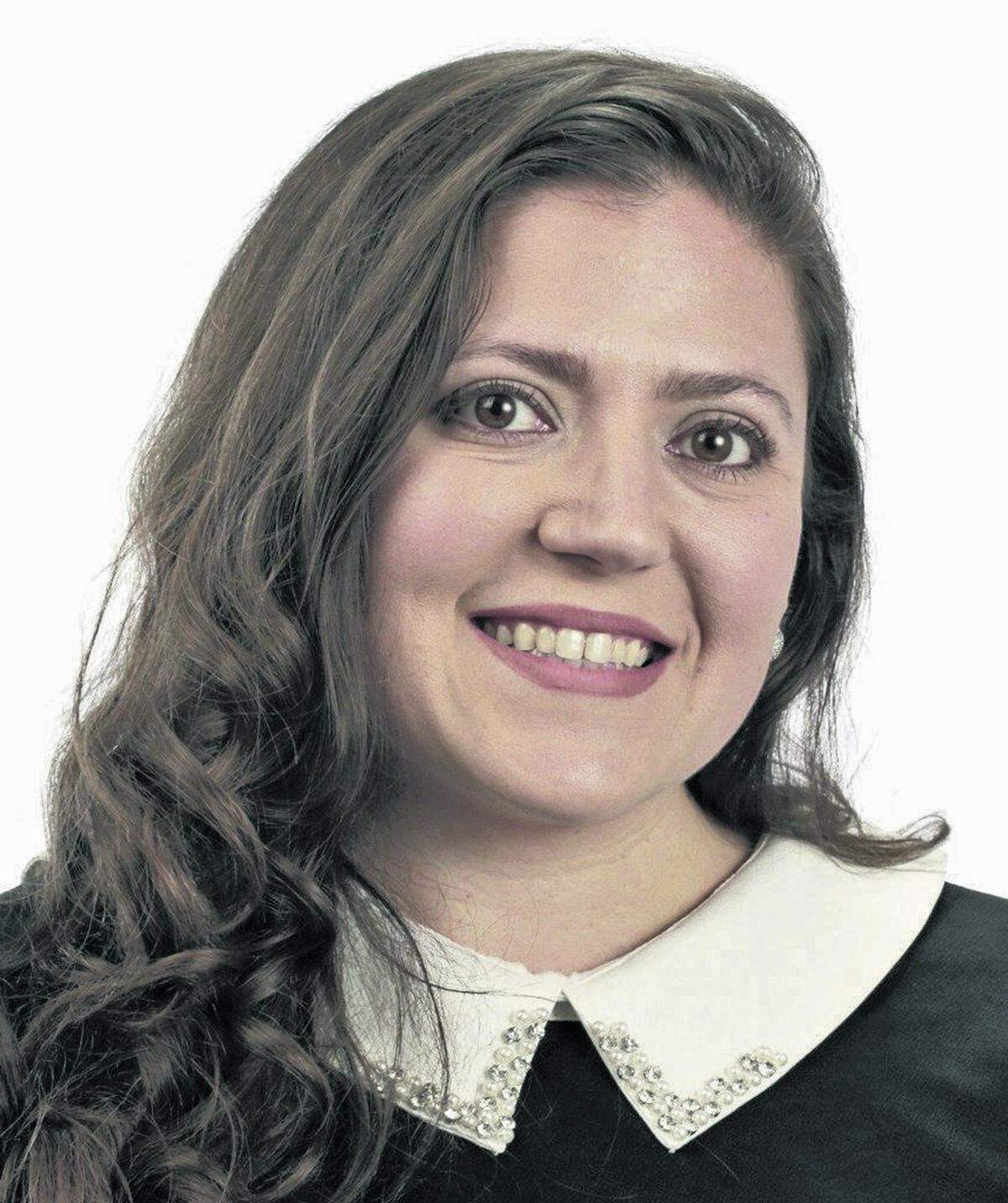
Only two of them won: De la Rosa and García-Roves. Lozano was beaten by Mónica Pérez, an elementary school teacher. González was defeated by Tundidor, the former vice-chair of the city’s planning and zoning board.
Sasha Tirador, a political consultant for the mayor and his slate of candidates, said Lozano and González — not Hernández — were responsible for their losses.
“The mayor’s endorsement only takes candidates so far,” she said. “The endorsement helps, but it doesn’t carry you to the end.”
Five charter amendments proposed by the city’s charter review board and put on the ballot by the City Council were also defeated by substantial margins. One of the amendments would’ve given the mayor unlimited spending power during a state of emergency for up to three months without City Council approval; he would’ve had the power to declare the emergency.
All the new council members are under 40 — relatively young compared to the council members they just replaced.
De la Rosa said that the council is not out to say no to everything the mayor thinks is important. Rather, he said it’s the first time there will be young, independent voices who will ask questions and seek more information before making decisions. He added that this is a movement for complete transparency.
“Before, you had an elected body whose M.O. [modus operandi] was to serve the mayor,” De la Rosa said. “Now, we have an elected body to serve the people.”
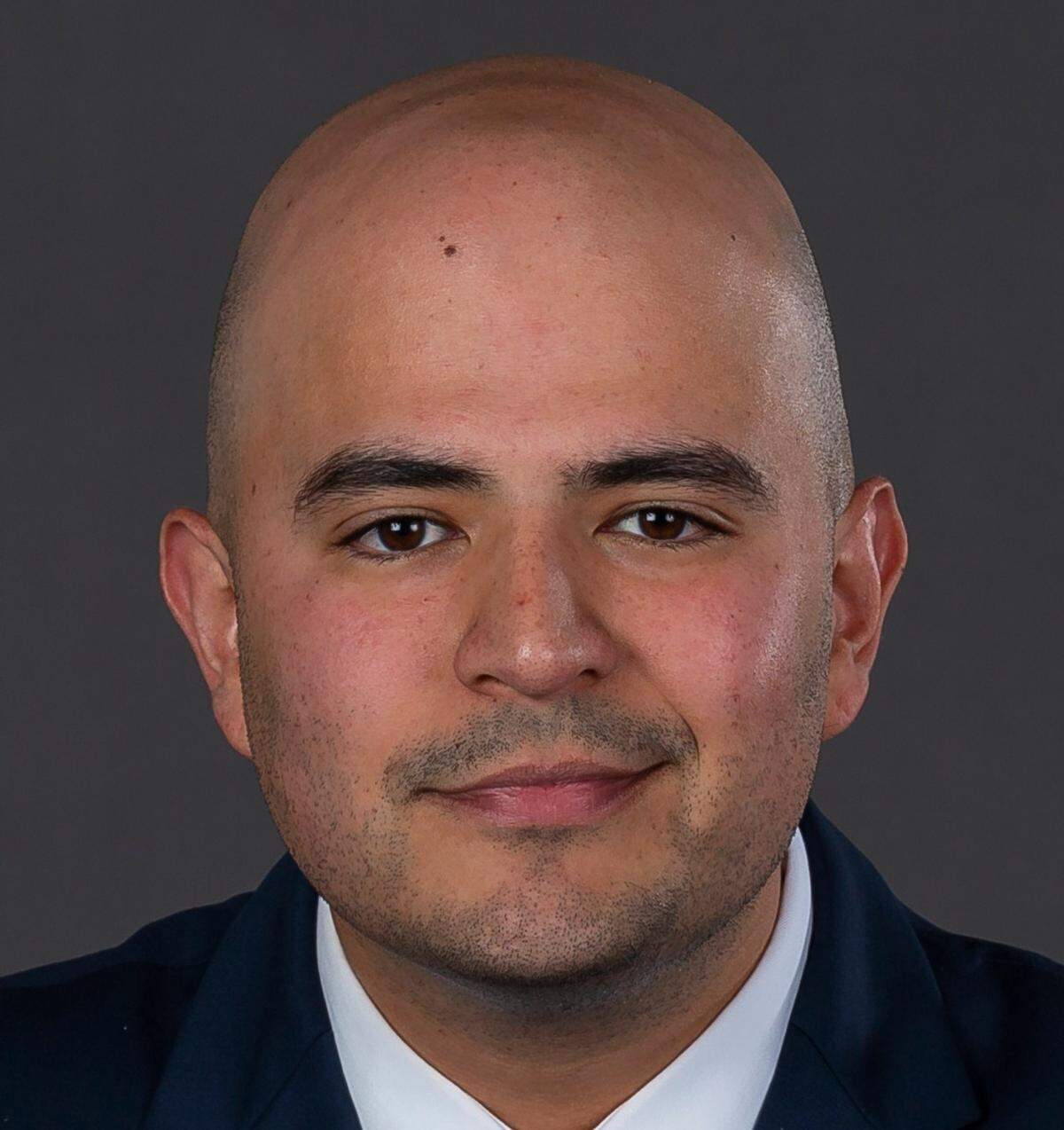
Tundidor said these new council members are going to ask the tough questions that historically have not been asked.
“We’re not going to declare a full-out war with the mayor or else nothing will get done in the city,” Tundidor said. “That would be a loss for the residents.”
The election results may have been affected by several city controversies: A Miami Herald investigation found the city’s police department never punished an officer who was internally investigated for sexually abusing at least four women and girls.
Miami-Dade County’s Department of Environmental Services confirmed that Hialeah had “bypassed” county limits on sewage flows for years by granting 98 businesses temporary business licenses it should not have. The county proposed fining Hialeah $75,000.
There were two campaign-related arrests by Hialeah police of candidates not supported by Hernández, both of whom alleged that the arrests were politically motivated. One losing candidate, Angelica Pacheco, said specifically she believed that Hernández — who as strong mayor supervises the police department — was behind the arrests.
Tundidor said residents have been exposed to constant wrongdoing and now are realizing what’s going on with Hernández’s leadership.
“We saw it in these elections,” Tundidor said. “He’s not as strong as he thought he was. He’s not as popular or favorable ... Every time you turn on the news, we realized something wrong that the mayor did.”
Hernández is also facing a petition drive to recall him from his position as mayor.
A request for a referendum that was filed Nov. 8 accused Hernández of “abuse of power and mismanagement.” More than 5,000 signatures to request a recall vote against Hernández have to be collected.
Lorenzo Palomares, the attorney representing the recall campaign, told the Miami Herald that the deadline to submit the signatures is Dec. 15, but since that’s a Sunday, the group will turn them in Monday. The Miami-Dade County Elections Department will then review them to determine whether there are enough valid signatures to call a special election.
Julio Martínez, a former mayor whom Hernández defeated in 2013, is helping the leaders of the recall campaign. They are Fernando Godo and Eduardo Macaya, defeated council candidates and members of the Hialeah Republicans Club, of which Martínez is the president.
“I believe Julio Martínez is once again trying to fool the people of Hialeah and does not accept his complete rejection at the ballot box,” Hernández told el Nuevo Herald.
This story was originally published December 12, 2019 at 6:30 AM.