New Miami-Dade homeless shelter to offer 80 beds to get people off the street
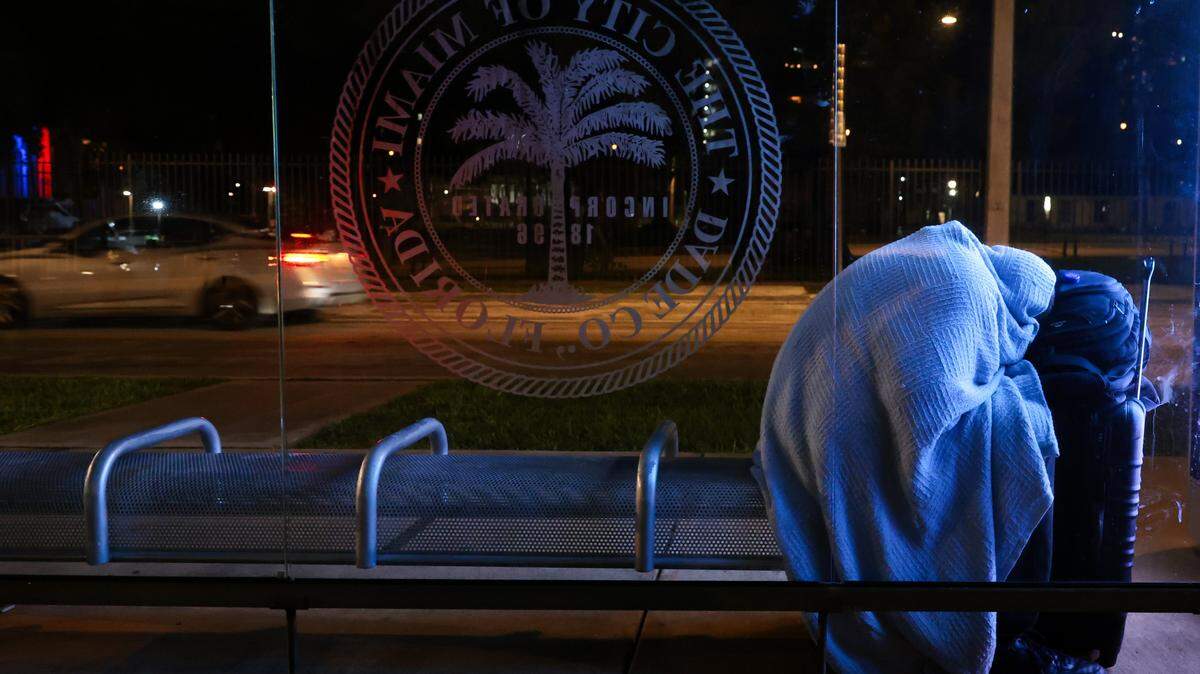
Miami-Dade’s county commissioners approved $10.6 million in funding for a new homeless shelter on Tuesday, more than a year and a half after the project was first proposed.
Located at the western edge of Liberty City, the navigation center, as it’s known, will provide short-term emergency housing for up to 80 people at a time.
The center is expected to open in June, said Ron Book, chairman of the Homeless Trust, the county’s homeless services agency.

Tallahassee lawmakers banned public camping in 2024, putting local governments across the state on notice: Get people off the streets, or risk lawsuits. The anti-camping bill, HB 1365, allowed residents to sue their local governments for non-enforcement, provoking fears that people with nowhere to sleep but the streets could face arrest.
Around the same time, the Homeless Trust and Camillus House, formerly one of the county’s largest homeless shelters, fell out over a pricing dispute, taking dozens of beds out of the county’s shelter system.
On top of all that, President Donald Trump has indicated his intention to upend the country’s evidence-based, if underfunded, strategy of taking people off the streets and quickly putting them in long-term housing — a shift that could limit how local agencies address homelessness.
So while the new navigation center doesn’t fundamentally alter Miami-Dade’s capacity to respond to homelessness, it’s a step — one that will beef up the county’s emergency bed inventory and, hopefully, reduce its exposure to lawsuits, said Book.
“If we do not find places ... to get people to quick placement and off the street, at some point in time, a judgment of some amount is going to hit local governments,” he remarked, though no Miami-Dade government has yet faced a lawsuit.
Per the Trust’s most recent tally in January, more than 1,000 people sleep on the county’s streets each night.
What to expect from Miami-Dade’s navigation center
The county has allotted $10.6 million over the next seven years to operate the center, which will be run by Better Way of Miami, a local homeless services provider. That money will come from the food and beverage tax, the 1% levy on food and drink sales at certain county restaurants, depending on their annual earnings and whether they sell alcohol.
Located at 7001 NW 27th Ave., the navigation center will be able to house 80 people and their pets.
Few county shelters have kennels, and people sleeping outside are often hesitant to abandon their pets just to sleep in a bed for a few nights.
The goal is to reduce barriers that often deter people who’ve been sleeping outside from entering shelters, said Book. In that vein, he added, the center will have more flexible curfew and drug testing requirements than some of the county’s other emergency shelters.
“I think those lower barriers of getting in and staying in are critically important,” Book said.
READ MORE: Why do some homeless people in Miami turn down shelter? It’s complicated
But the navigation center is meant to provide short-term housing and direction toward other community resources; it’s a way station en route to something more permanent, at least theoretically.
“This center will help bring people off the streets quickly and provide a safe, supportive environment for them to transition toward stability,” said County Commissioner Marleine Bastien, whose district will house the project.
In practice, what awaits the center’s soon-to-be residents remains unclear. The county’s other shelters, some of which offer longer-term stays for mental health and addiction treatment programs, are mostly full.
And the Homeless Trust’s stock of long-term subsidized housing, which could provide a more permanent home to those in the navigation center, could be at risk.
Last year, the Department of Housing and Urban Development announced that organizations like the Trust can only spend 30% of the money they receive from the department on permanent supportive housing.
As of last year, almost $50 million, or 86% of the Homeless Trust’s HUD dollars, went toward such housing. Roughly 92% of its total permanent housing spending comes from the federal government.
More than 4,100 Miami-Dade residents, all of whom are formerly homeless and disabled, live in permanent housing units paid for by the program.
The Trust is hoping to be able to keep those residents in their homes, as well as stand up new housing for people entering the navigation center.
“We’re hopeful that we’re building on our infrastructure so that the stays [in the navigation center] are short,” said Book.
This story was produced with financial support from supporters including The Green Family Foundation Trust and Ken O’Keefe, in partnership with Journalism Funding Partners. The Miami Herald maintains full editorial control of this work.