HUD cuts could threaten housing for thousands of disabled, once-homeless Miamians
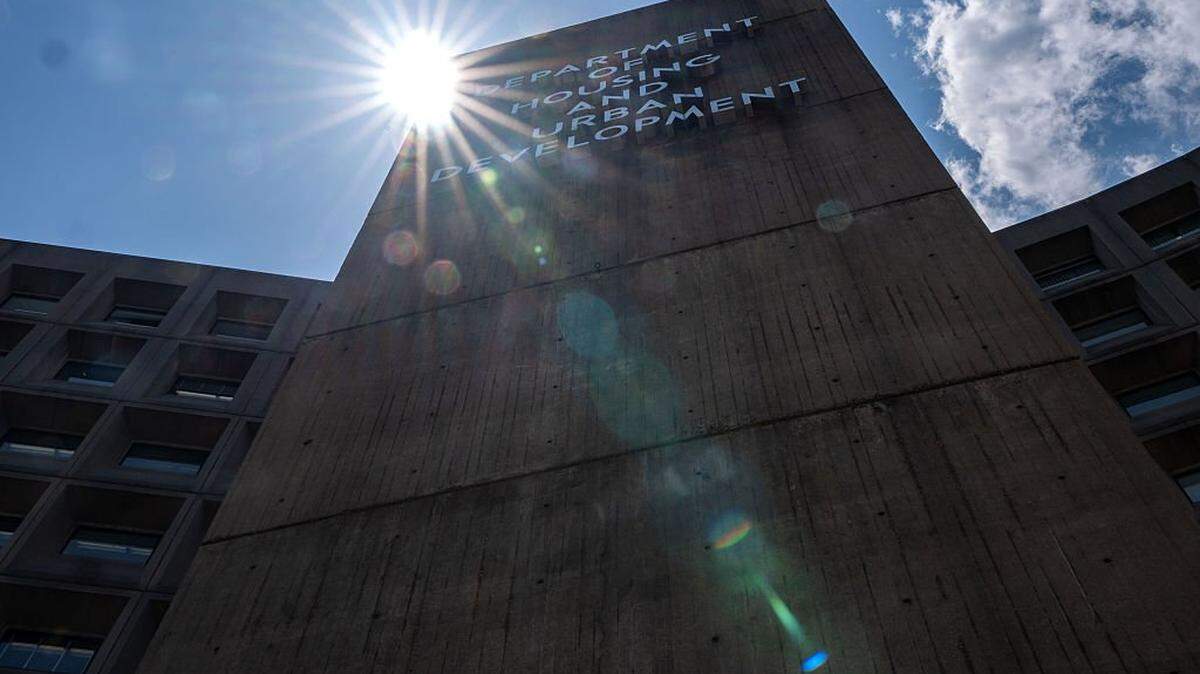
As more Americans than ever experience homelessness, the Trump administration has unveiled a controversial overhaul of the federal government’s approach to housing them.
Earlier this month, the Department of Housing and Urban Development announced that it will more than halve its funding for permanent supportive housing, the linchpin of a widely held, data-backed theory that the best way to prevent homelessness is to quickly place people in stable housing and pair it with support services.
Across the United States, nearly 300,000 formerly homeless Americans live in permanent supportive housing. All of them are disabled. In Miami-Dade County alone, roughly 4,100 people rely on the permanent housing program to keep a roof over their heads.
The White House considers the program — which doesn’t require people with substance abuse or mental health issues to first resolve those problems before receiving housing assistance — to be enabling.
Instead, the Department has said it will fund short-term, time-bound housing solutions, like shelters, where people experiencing homelessness must first deal with whatever underlying issues they face before being eligible for long-term housing support.
“We are really concerned about what happens to the people who have overcome homelessness and have gotten some stability in their lives,” said Ann Oliva, CEO of the National Alliance to End Homelessness.
The risk, she said, is that those people, many of whom have lived comfortably on their own for years, could lose their homes and end up back in the shelter system — or, worse, out on the streets.
READ MORE: ‘I would be homeless’: 4,100+ disabled Miamians could lose housing under Trump budget
‘We will not be putting people out of housing’
The policy change comes via HUD’s funding for Continuums of Care, local networks of service providers — in Miami-Dade’s case, the Homeless Trust.
HUD has raised the overall funding available to continuums to $3.9 billion, up 11% since last year. But that increase brought massive changes that Oliva described as a general “destabilization” of the country’s homelessness response systems.
Chief among the adjustments was HUD’s decision to cap spending on permanent housing programs. Continuums like the Homeless Trust can now spend only 30% of the funds they receive from HUD on permanent housing.
Those long-term housing programs make up nearly 90% of most continuums’ spending, according to the National Alliance to End Homelessness.
The Miami-Dade County Homeless Trust reports that almost $50 million, or 86% of its HUD dollars, go toward permanent supportive housing. Roughly 92% of its total permanent housing spending comes from the federal government.
So where will the thousands of Miamians who benefit from that money end up?
“Honestly, I don’t think anybody genuinely knows yet,” said Shannon Nazworth, policy committee chair of the Florida Supportive Housing Coalition.
Wherever it is, Ron Book, the Homeless Trust’s chairman, insists it won’t be back out on the streets.
“We will not be putting people out of housing,” he said. “We will find ways to fund any discontinuation of funding.”

Book said that could include tapping revenue the Trust gets from Miami-Dade’s food and beverage tax — a 1% charge added to checks at restaurants throughout the county, depending on how much annual revenue they generate and whether they serve alcohol.
The Trust earned $45 million last year from the tax, nearly $9 million short of its total current permanent housing spending. The local philanthropic community, Book added, might need to be called on to make up the shortfall.
But however the Trust keeps its permanent supportive housing stock online, supporters — and data — suggest it would be to the community’s financial benefit.
In a 2021 permanent housing pilot program conducted in Miami-Dade, 34 homeless participants who entered the program each cost the community $10,000 less per year than they would have had they remained on the streets and cycled through homeless shelters, according to the Florida Housing Finance Corporation, a state-created entity that manages and distributes federal and state affordable housing dollars.
For those who stayed in the program for at least two years, those annual community savings — largely gained from participants not requiring emergency medical services — more than doubled to $27,300.
“It seems counterintuitive,” but ensuring housing stability first and foremost is most effective for keeping people off the streets, said Nazworth.
“To try and fix everybody’s problems while keeping them homeless doesn’t really work,” she said.
This story was produced with financial support from supporters including The Green Family Foundation Trust and Ken O’Keefe, in partnership with Journalism Funding Partners. The Miami Herald maintains full editorial control of this work.